What You Pay
We're not going to give you a number here, because the honest answer depends on what's wrong and what's behind your wall, not on a flat rate that fits every house. What we can tell you is what drives the cost in this area. A lot of the houses we work on went up between 1944 and 2007, with the heaviest concentration in the 1960s and 70s, and those doors often carry original hardware - torsion springs wound to specs nobody stocks on a truck anymore, or steel panels thick enough that a cheap replacement spring will burn out in a season. Swapping a modern steel door and opener onto a 1970s frame is usually straightforward. Matching old spring sizes or working around a track that's been reshaped by decades of heat is not, and it shows up in the labor, not the parts. With median household income here around $80,104, most of the calls we get are owners asking us to fix what's there rather than replace it outright, and that's usually the right call if the frame and track are sound.
The Problem
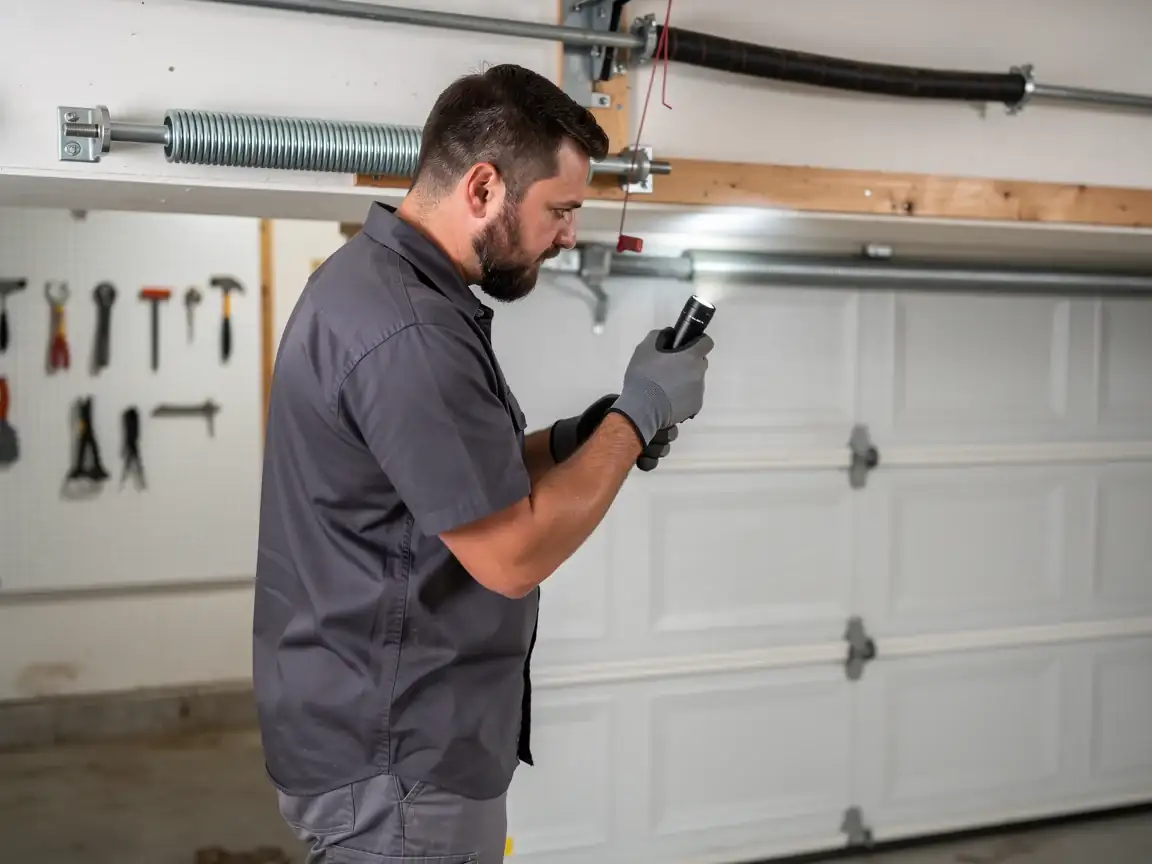
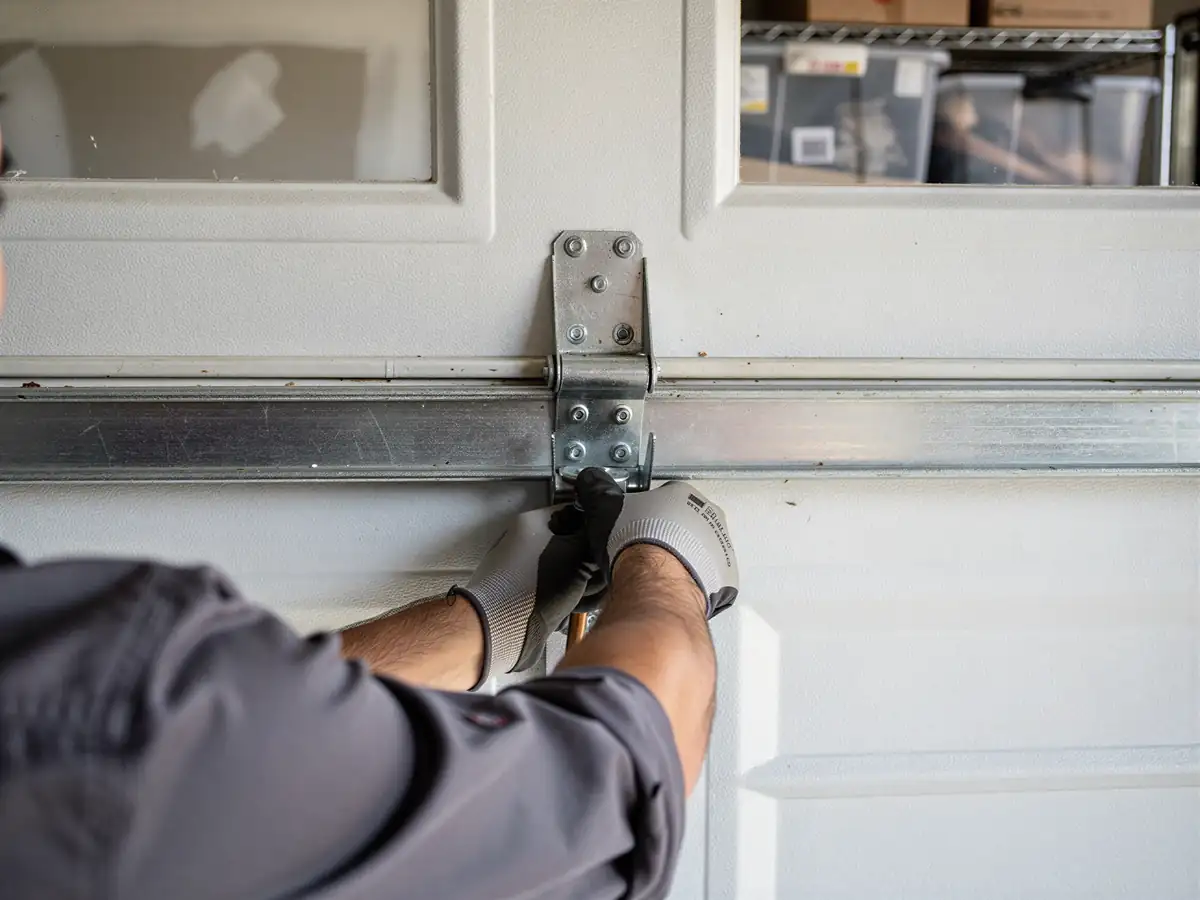
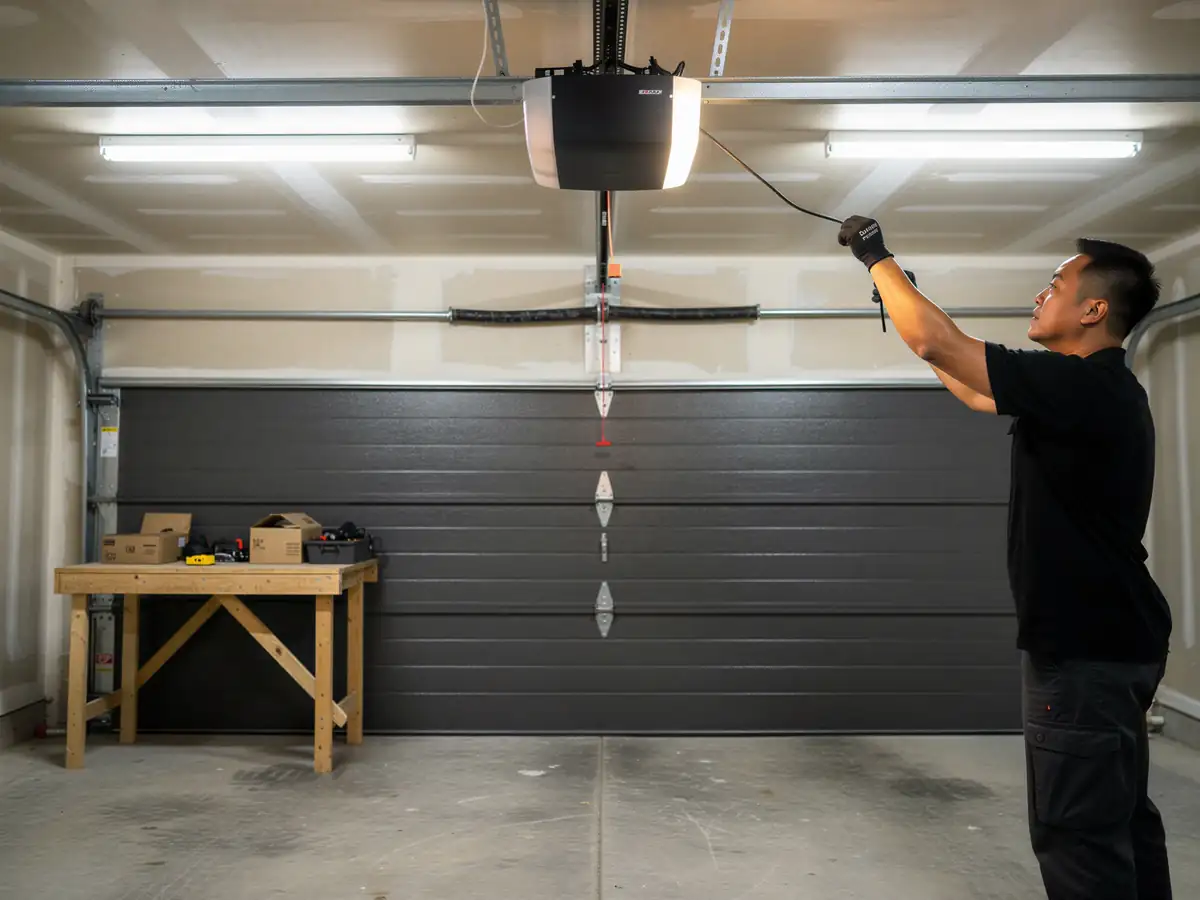
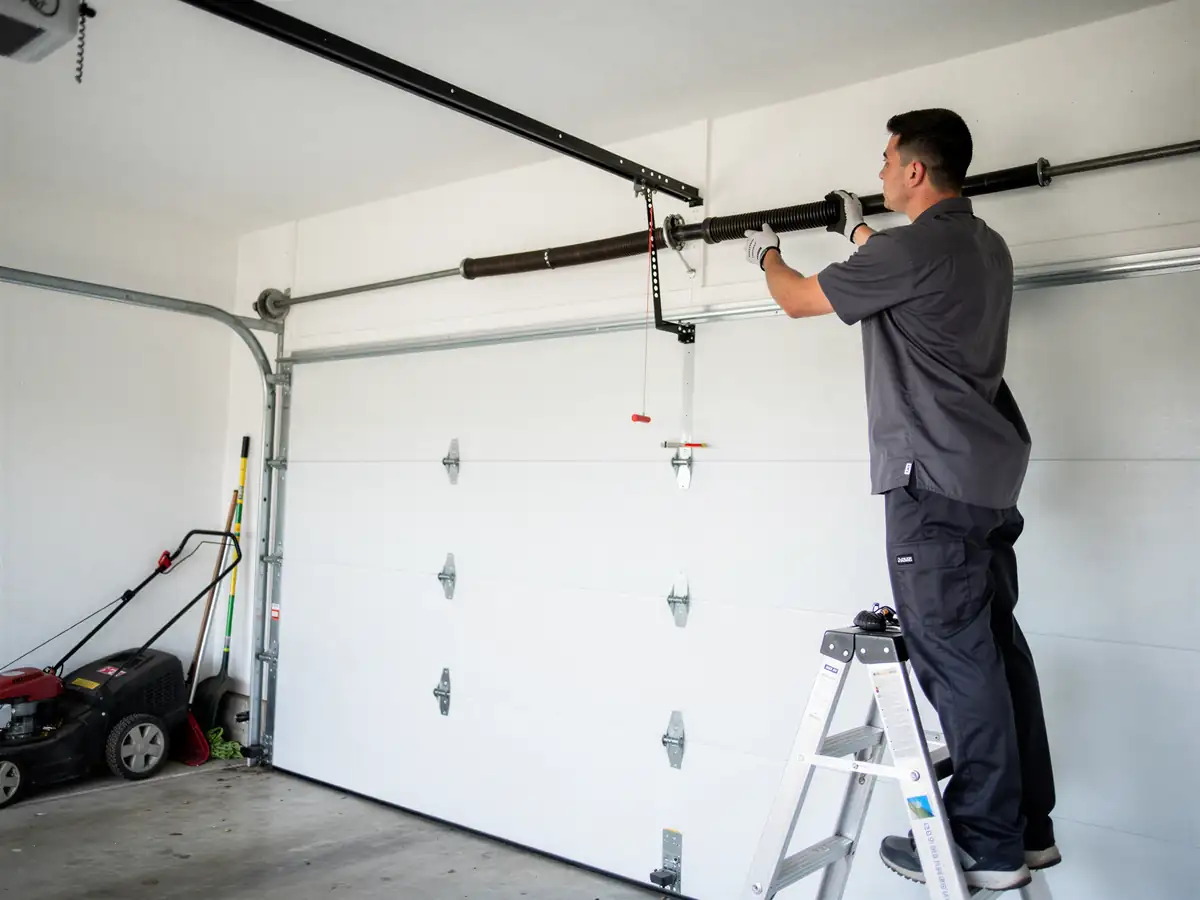
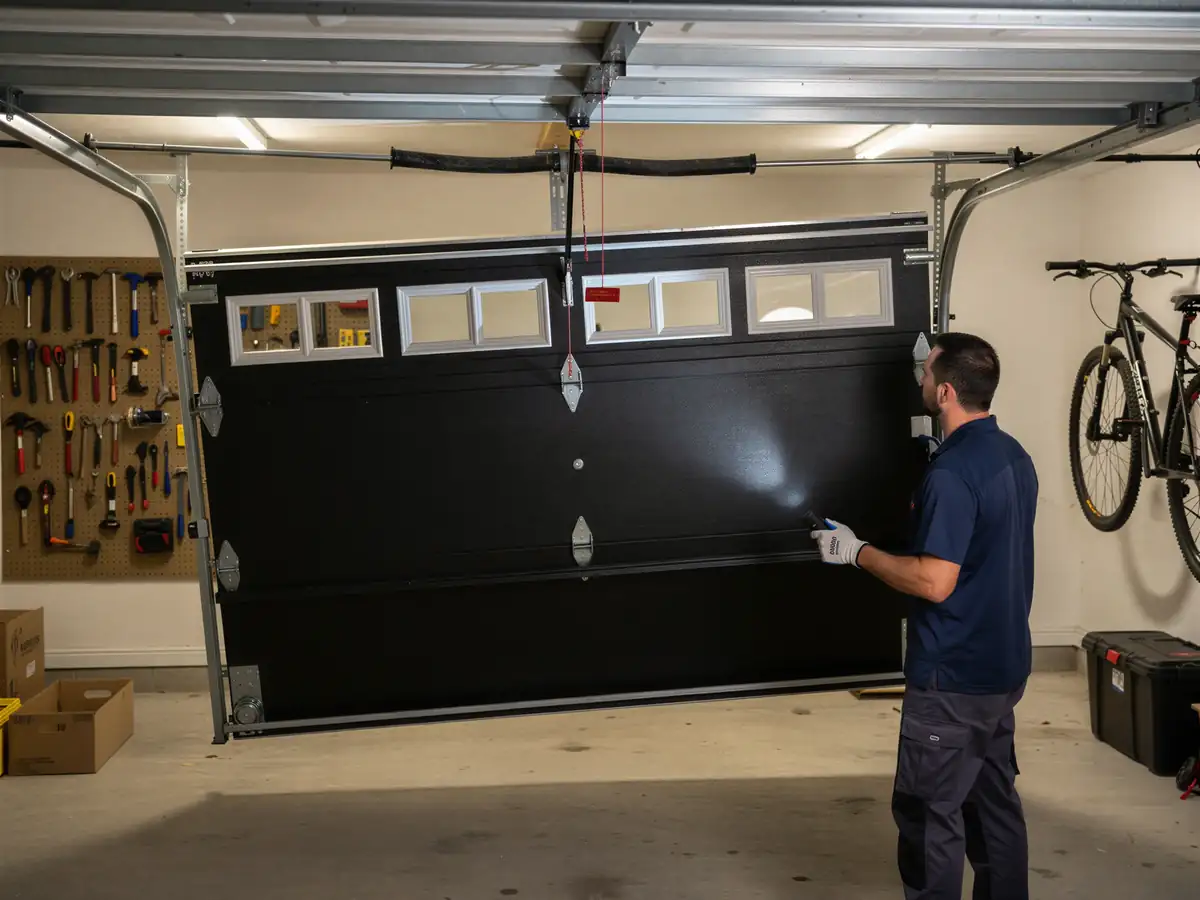
The doors causing the most trouble aren't broken from one bad day - they're worn down from thirty or forty years of the same routine. Across the sixteen neighborhoods we cover, from Marysville four miles out to Biggs twenty miles north, the housing is mostly 1960s and 70s stock, and that means original one-piece or early sectional steel doors on hardware that was never designed to be adjusted twice a decade. Springs sag out of balance slowly, so the opener starts doing work it wasn't built for, straining the gears until a plastic drive gear or a capacitor gives out. Tracks bolted into wood jambs from that era have shifted with the house, so a door that used to glide now catches at the same spot every time. None of this looks urgent until the day it is - a spring lets go, or the opener motor finally seizes mid-cycle. The fix is rarely just the part that failed. It's usually the part that failed plus the adjustment nobody made for fifteen years.
How Local Conditions Play In
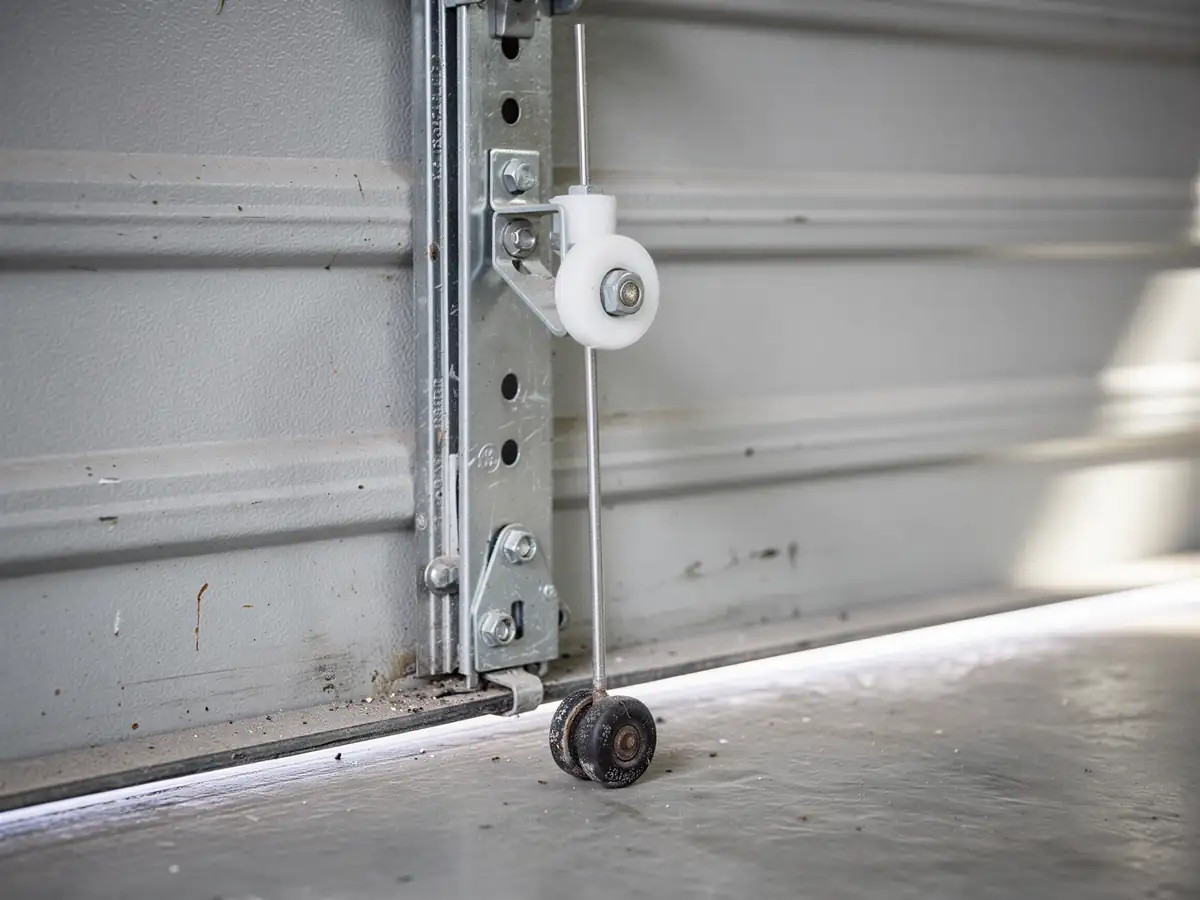
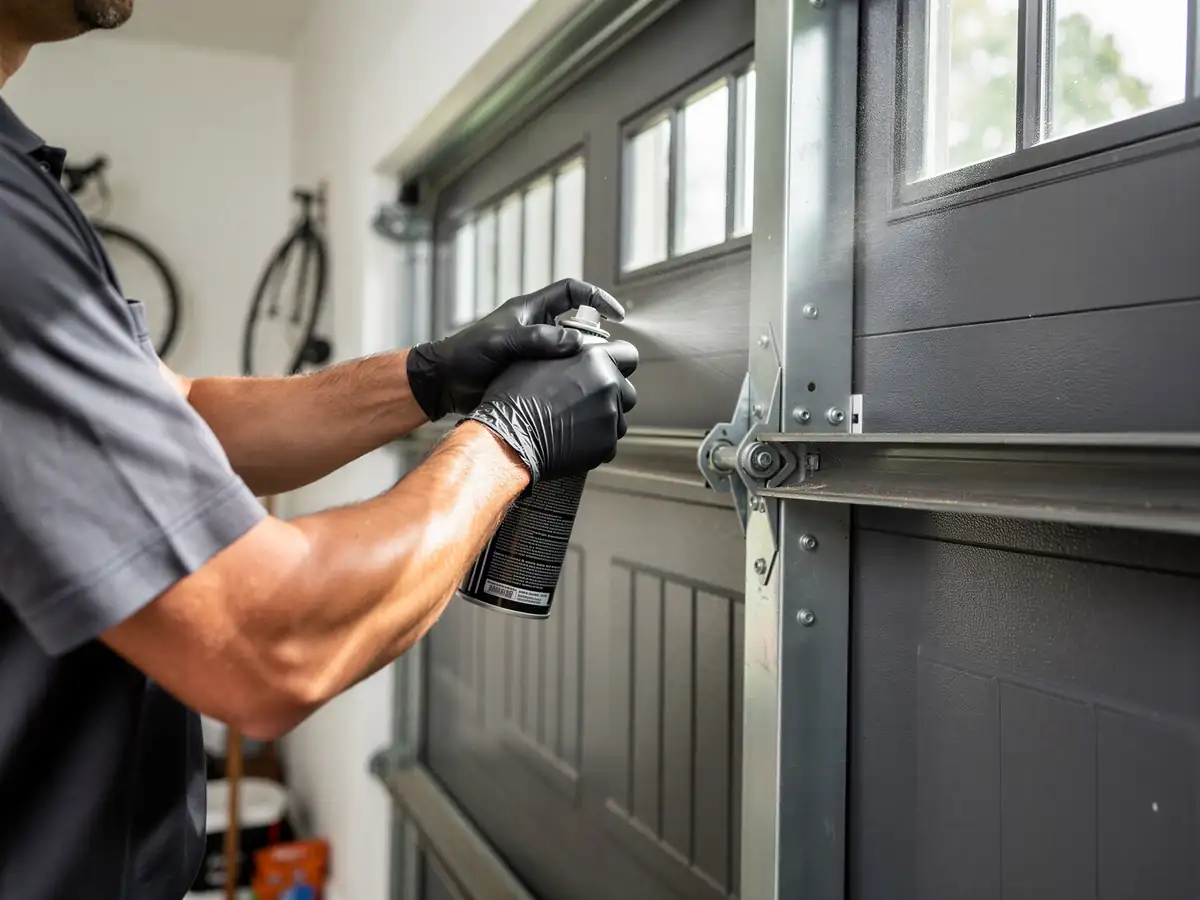
Summers here sit in the severe end of the heat band, and that heat doesn't just make the garage uncomfortable - it works on the hardware. Nylon rollers get brittle and crack sooner than they would in a milder climate. Lubricant on older torsion springs cooks off faster, so springs that might run quiet for years elsewhere start squealing and rusting at the coils here. Opener circuit boards mounted near a hot garage ceiling take a beating too; we see more board failures in August than any other month. Combine that with a housing stock where the median build year is 1979, and you get a lot of doors and openers that are already near the end of their expected service life getting pushed harder by heat they weren't built for. It's not one dramatic event - it's the slow compounding of age and temperature, and it's why a door that was fine in spring can fail in the first real heat wave.