What That Means for Doors
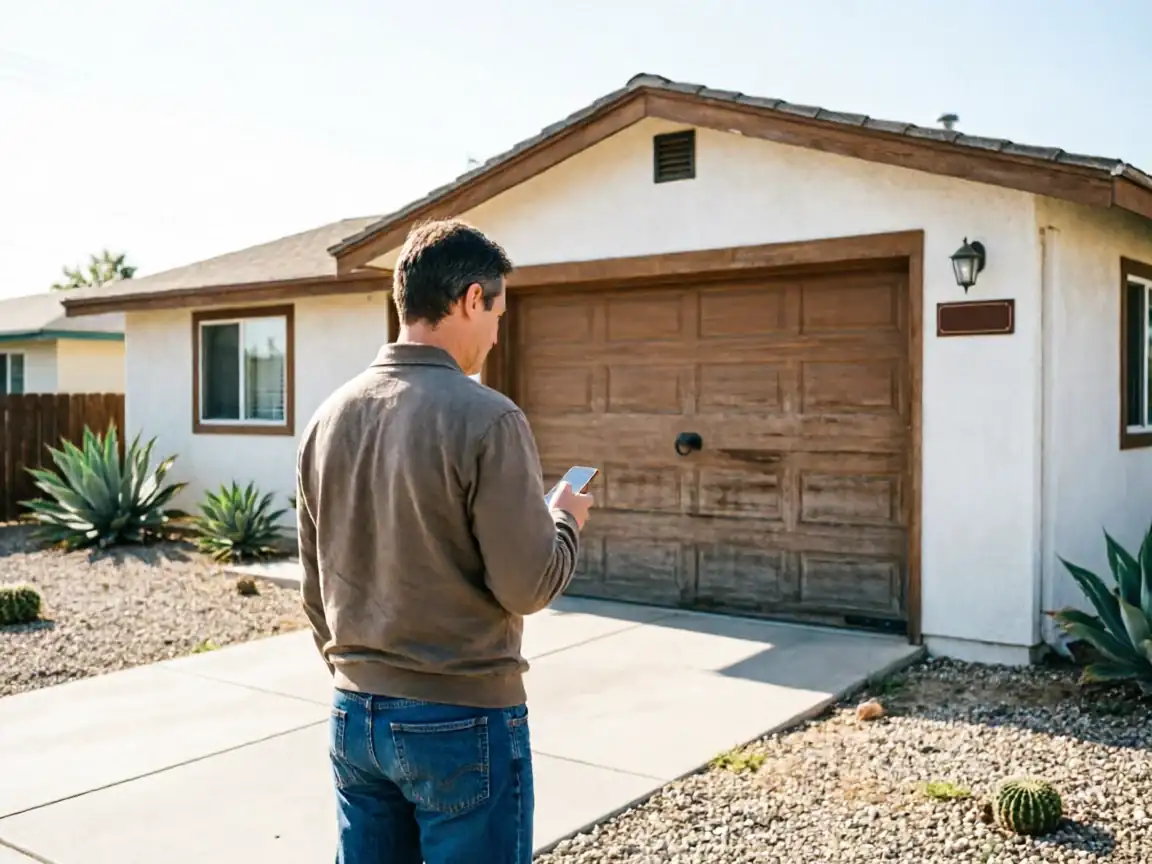
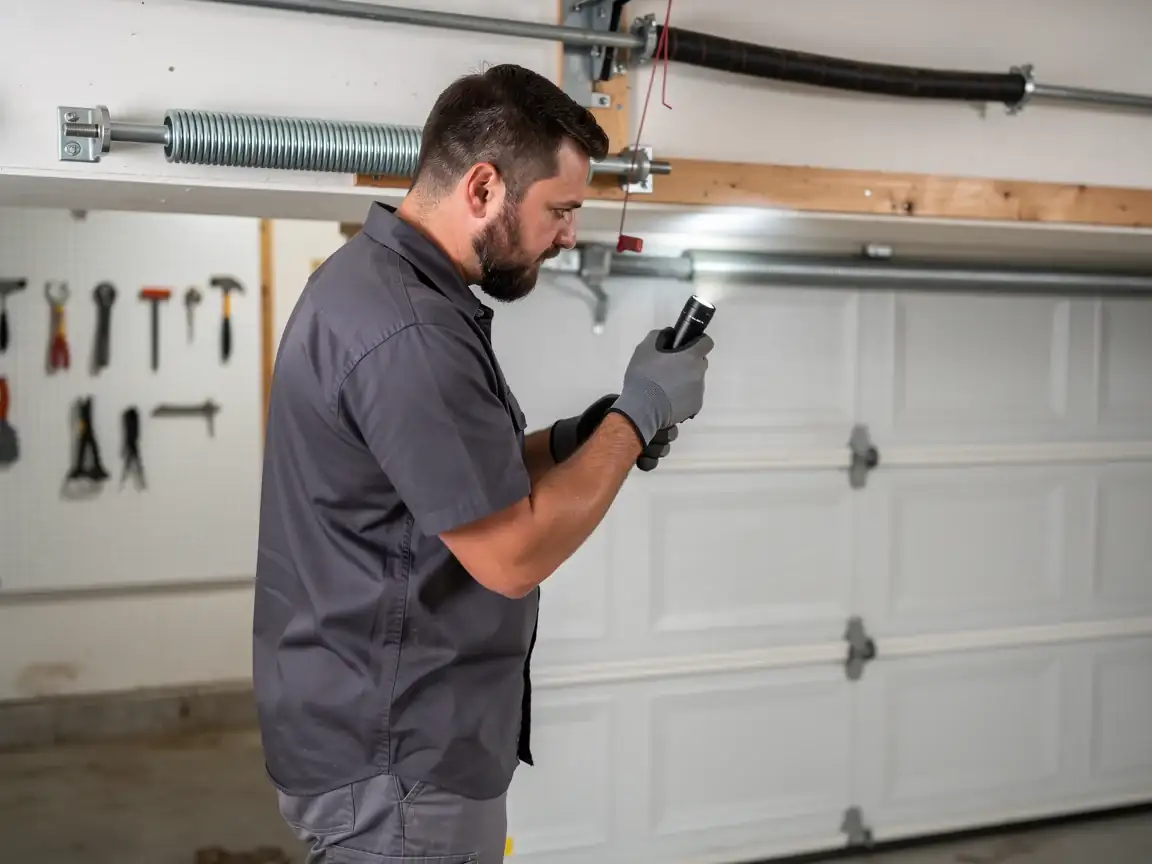
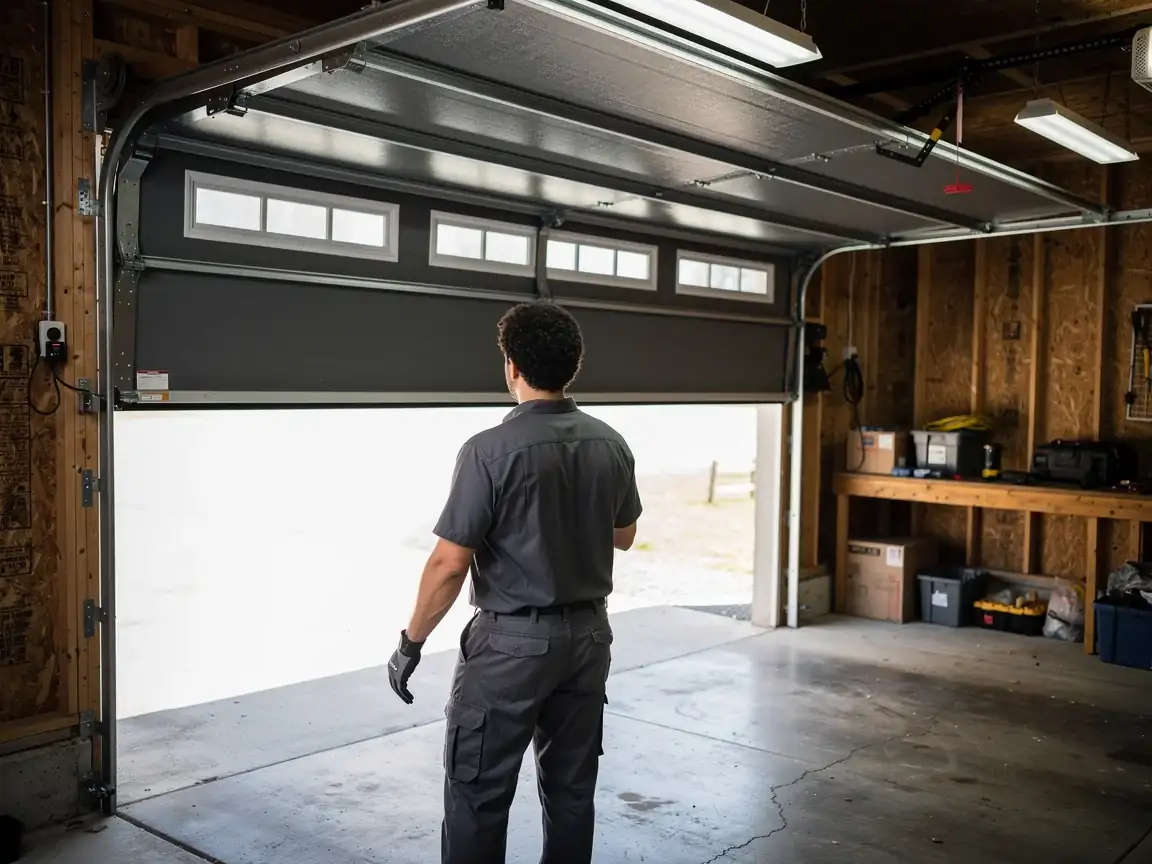
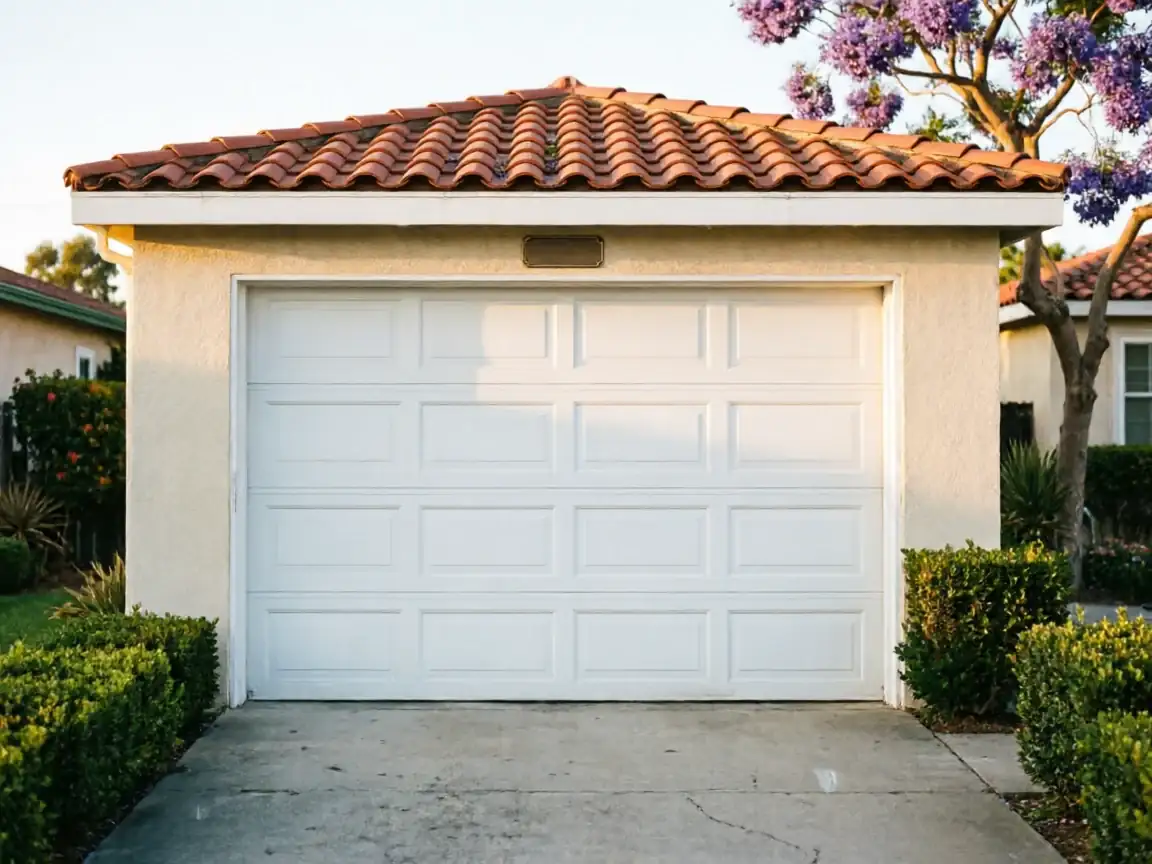
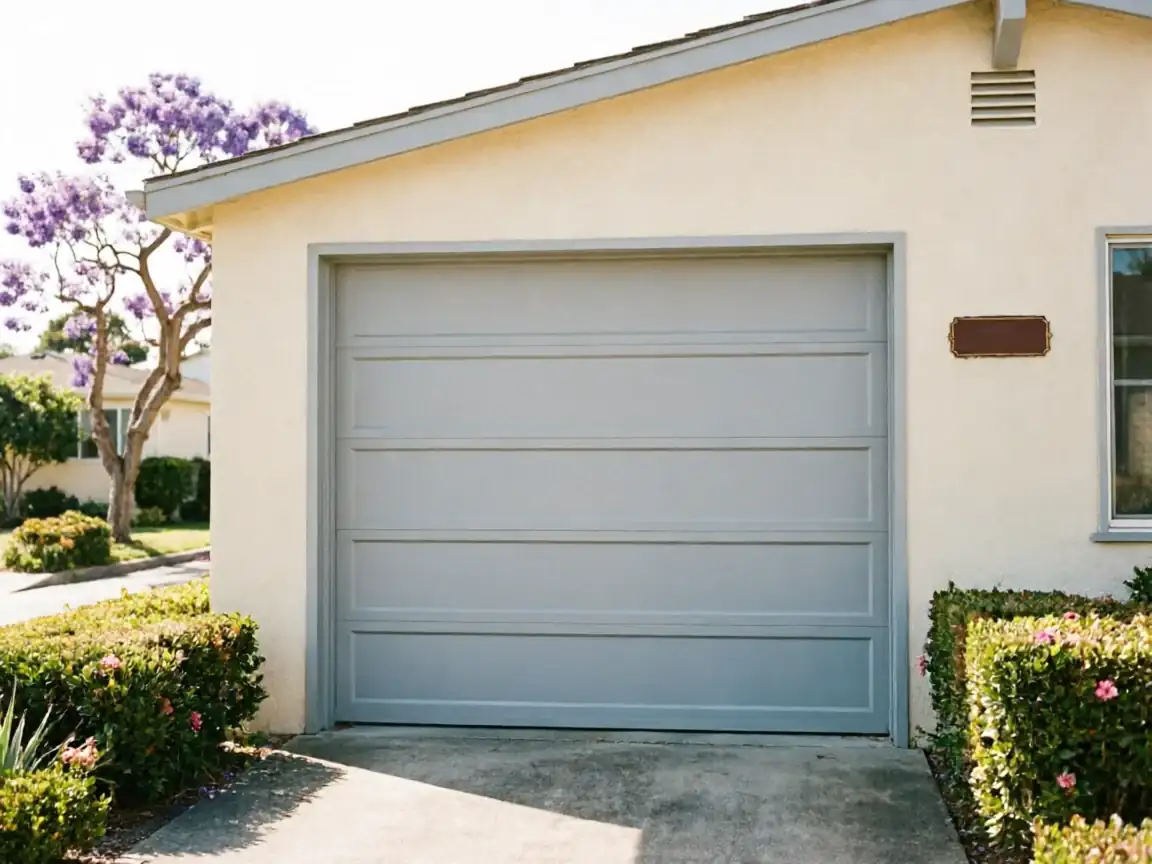
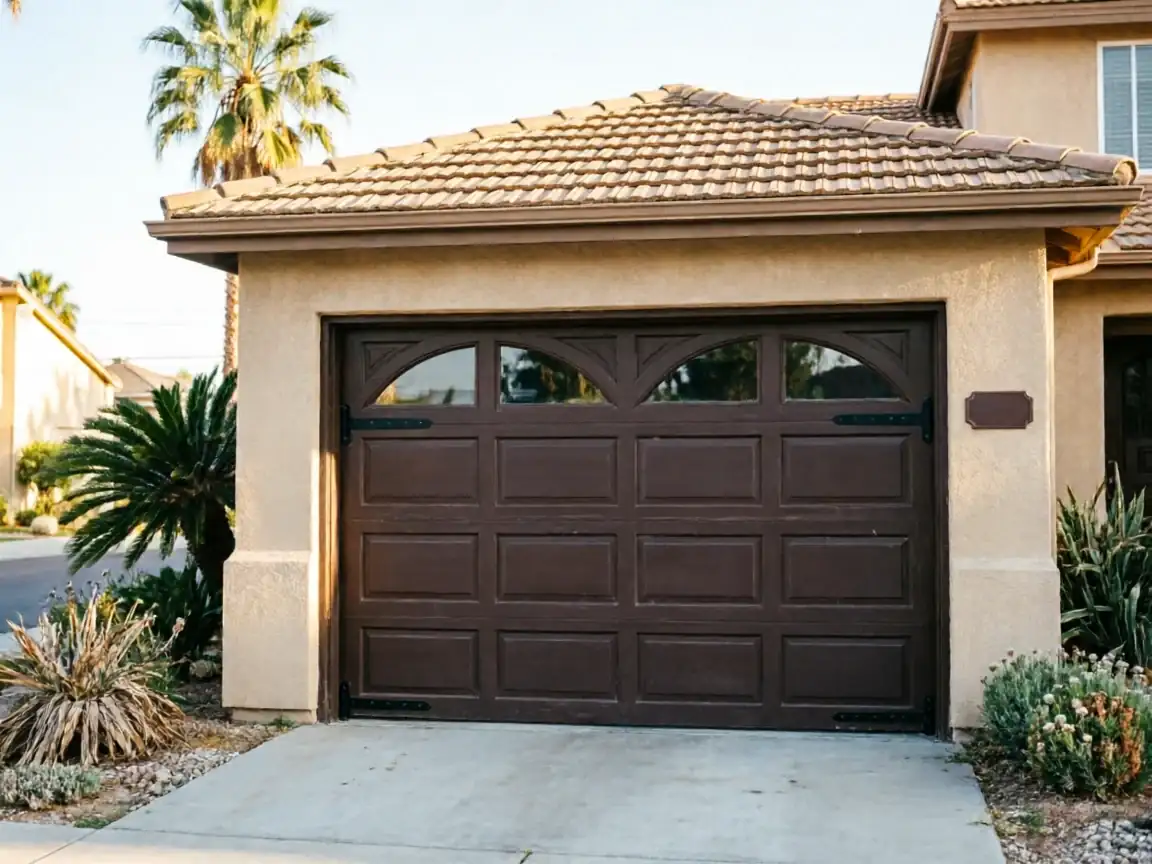
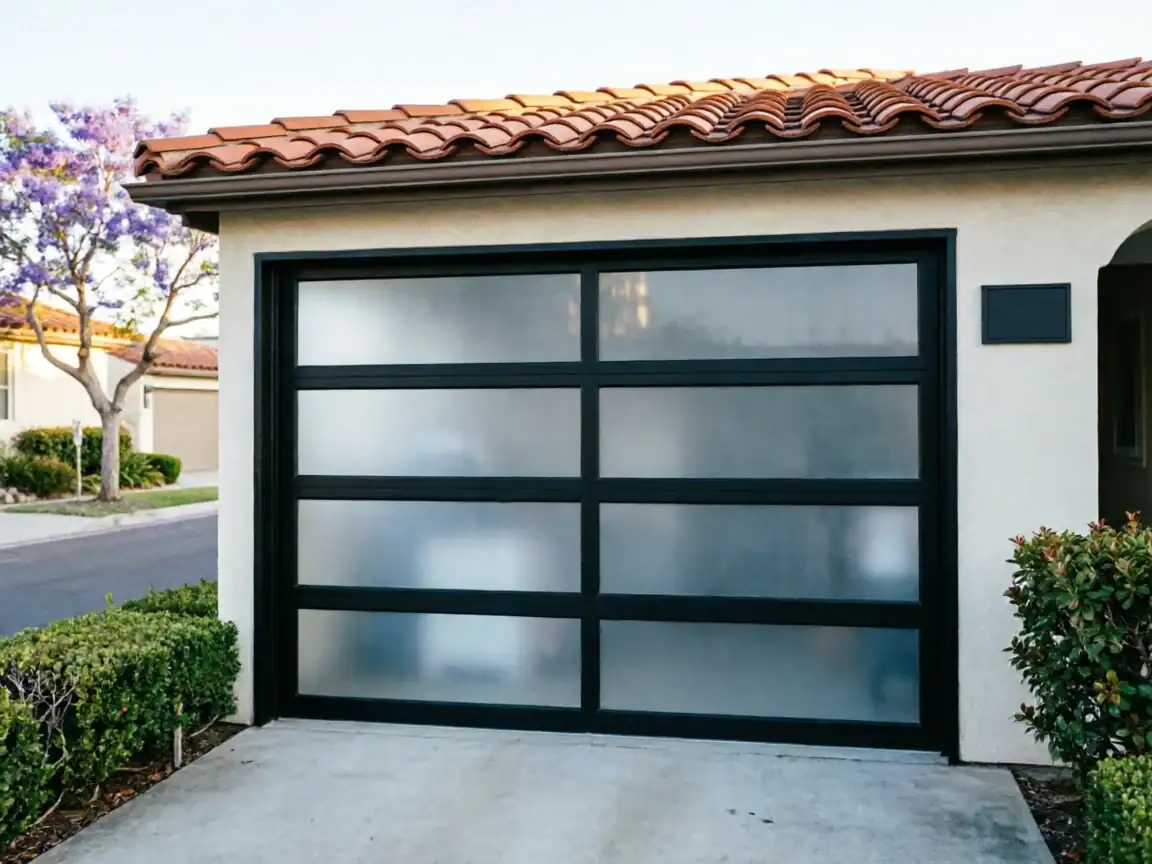
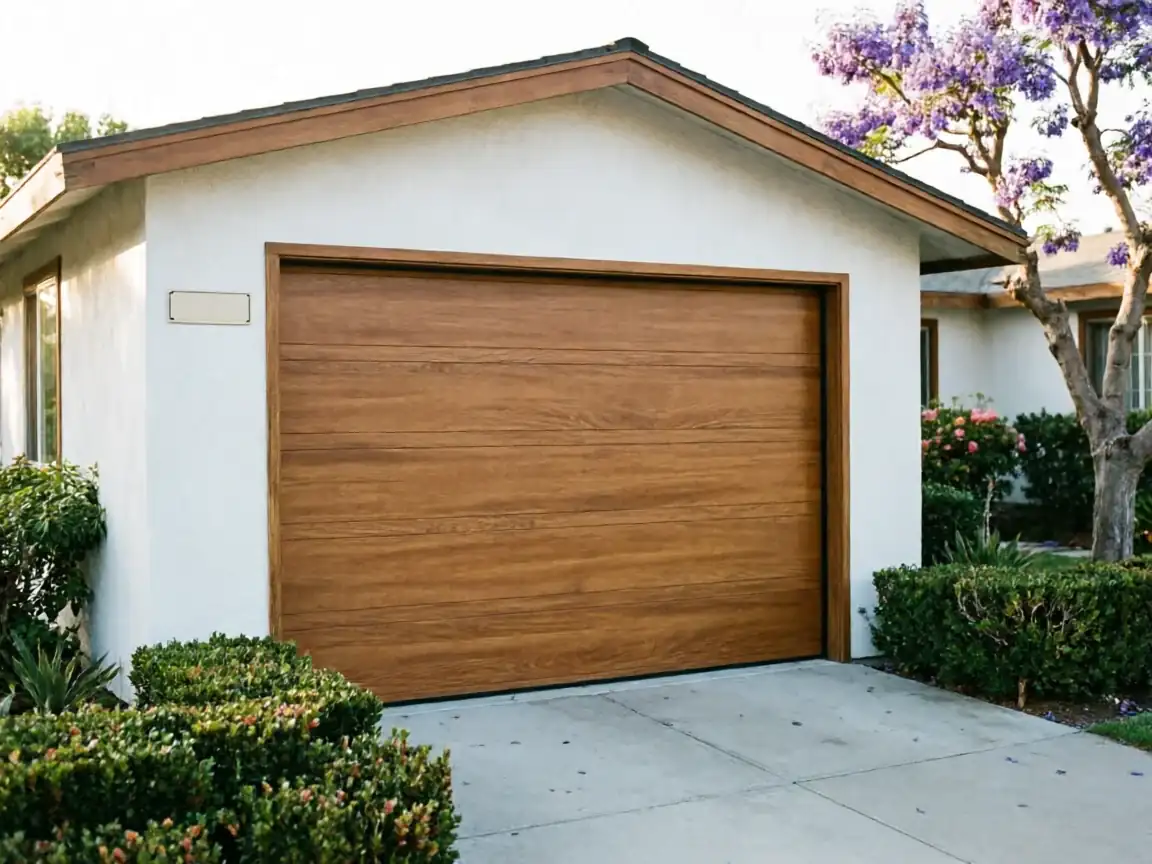
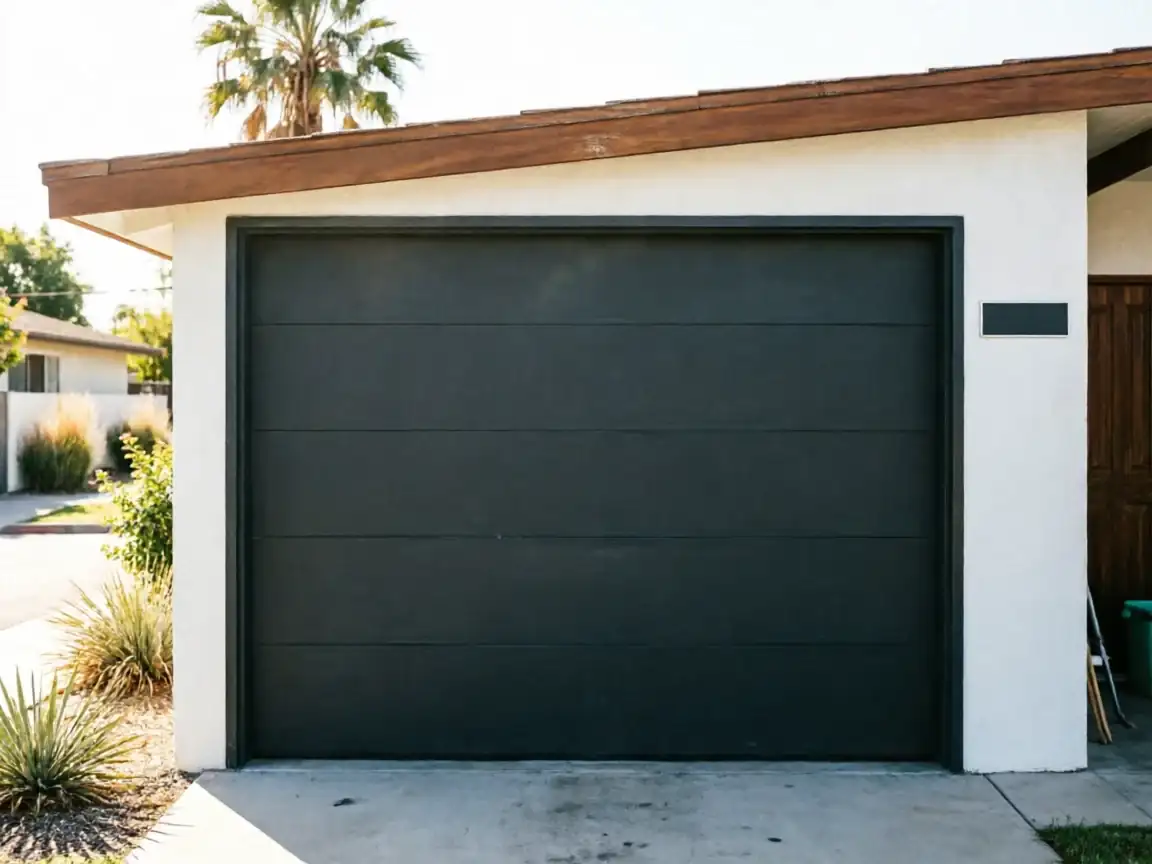
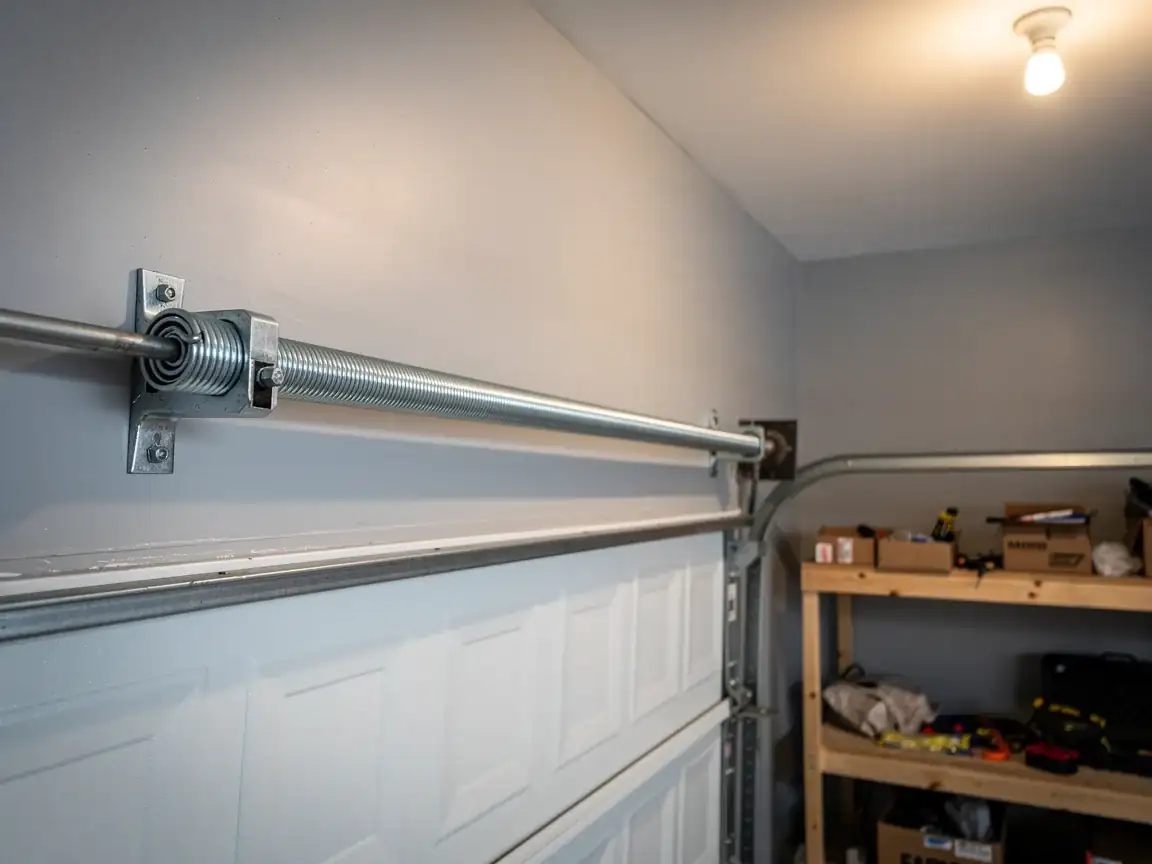
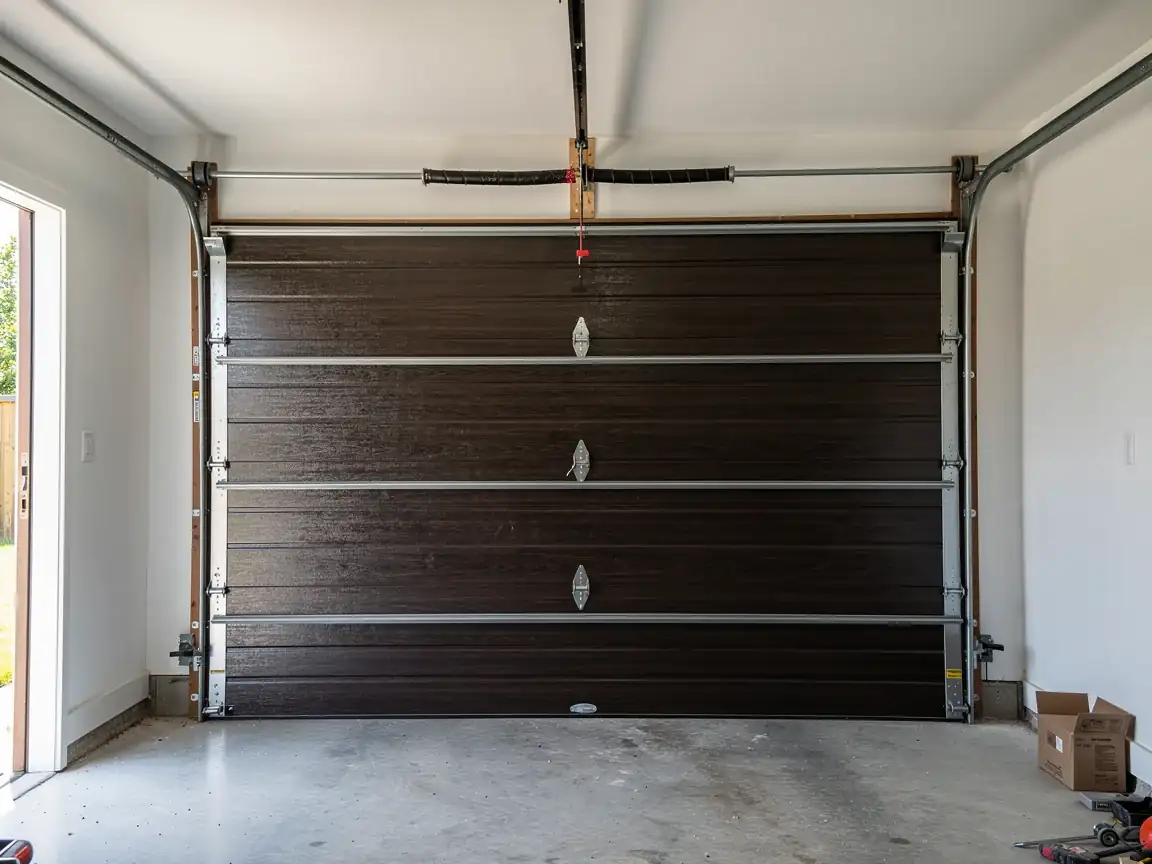
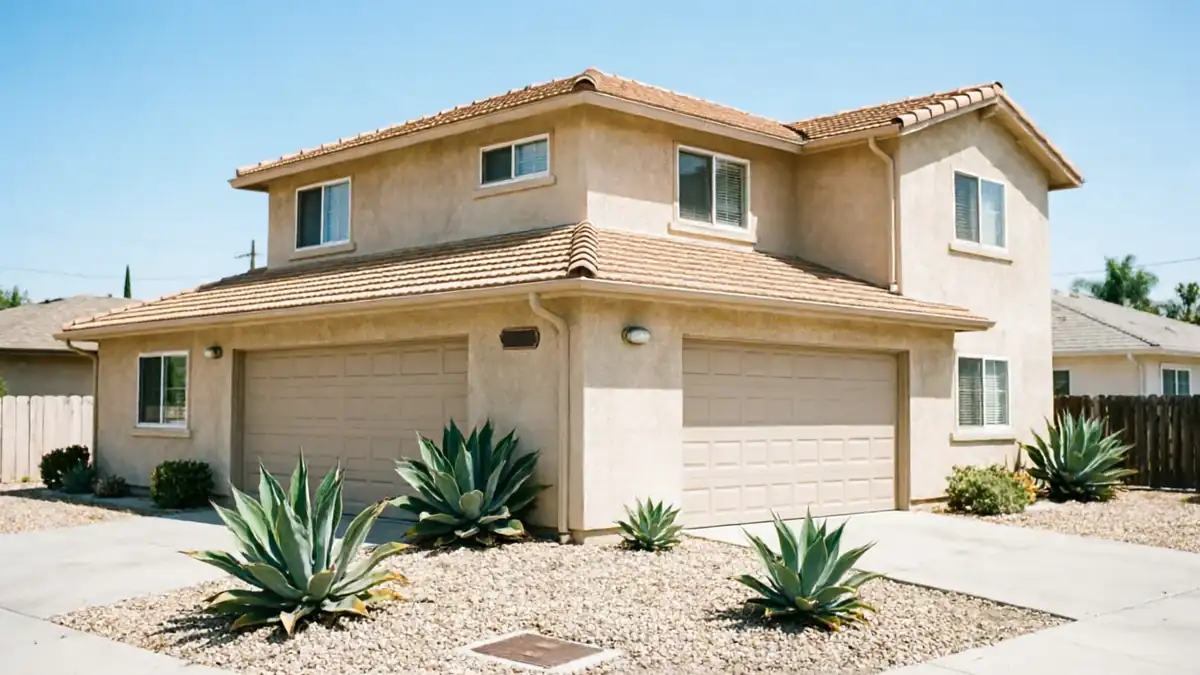
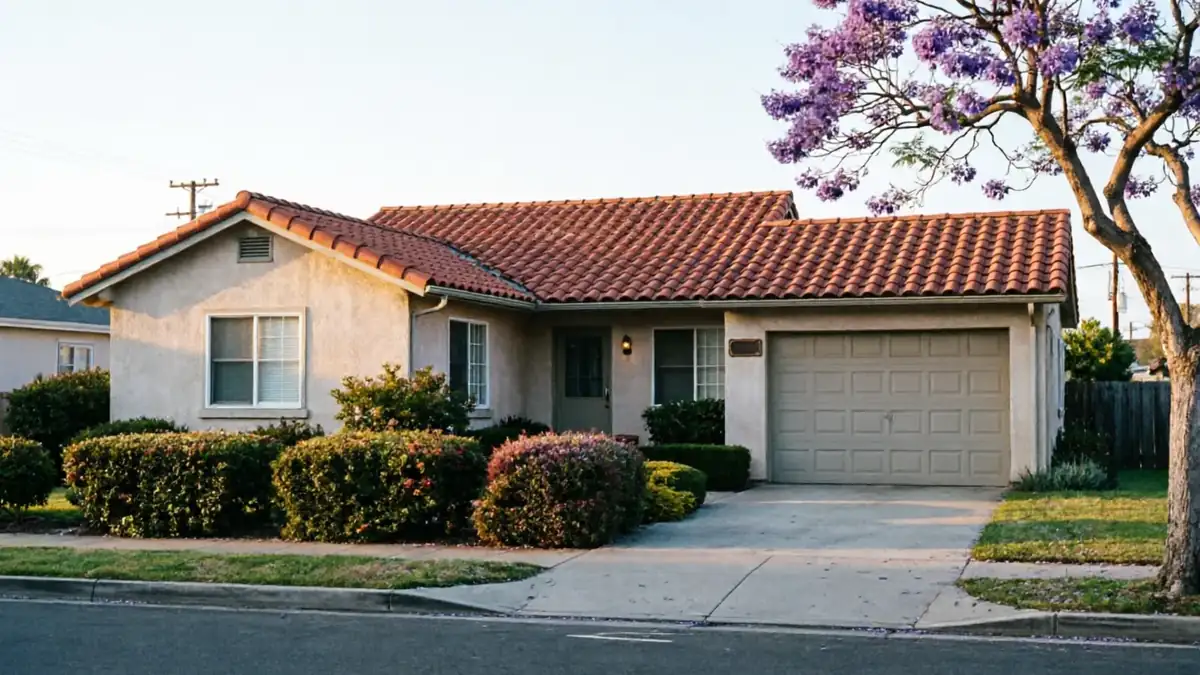
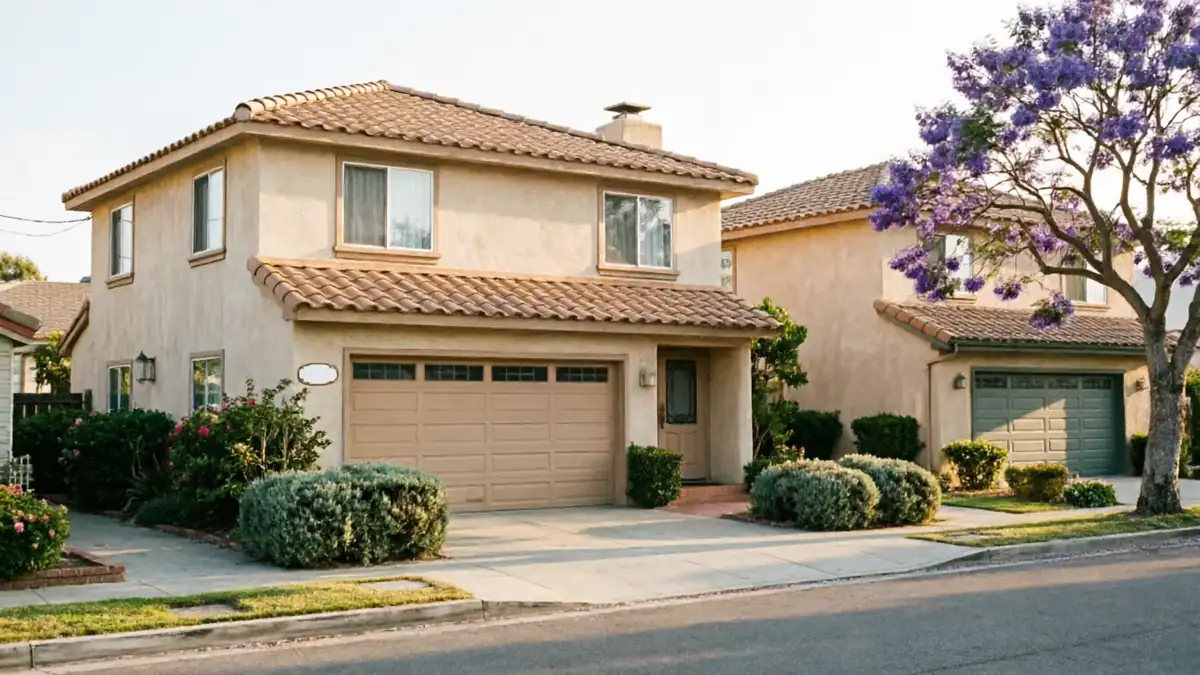
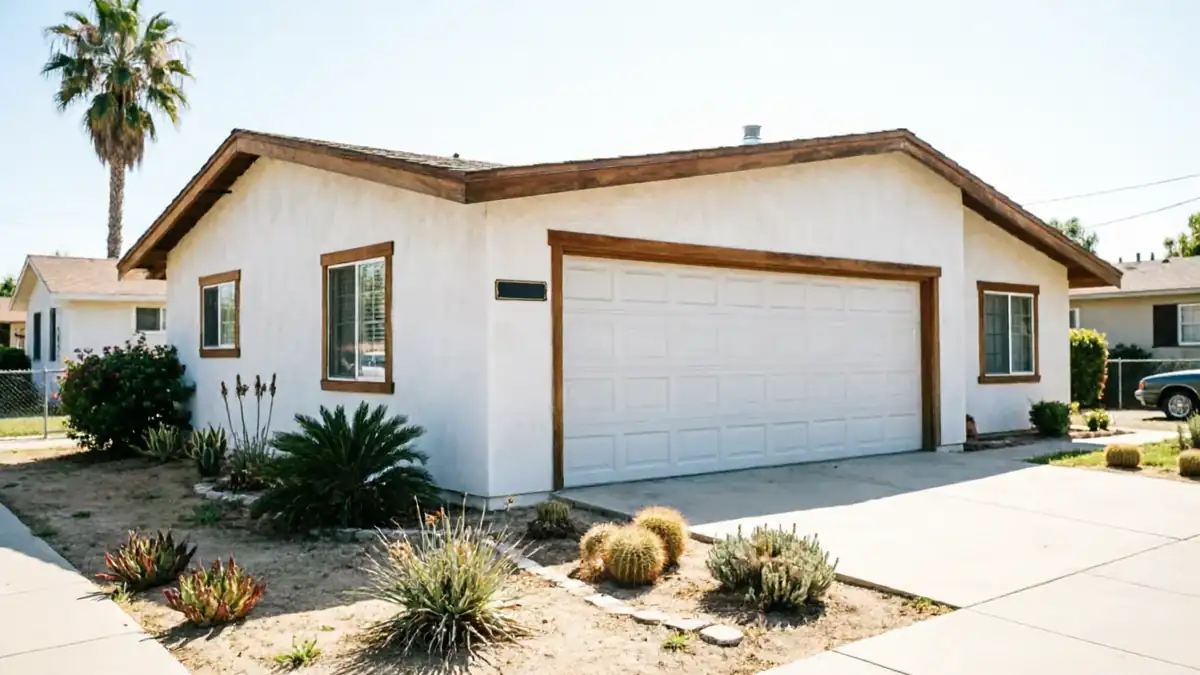
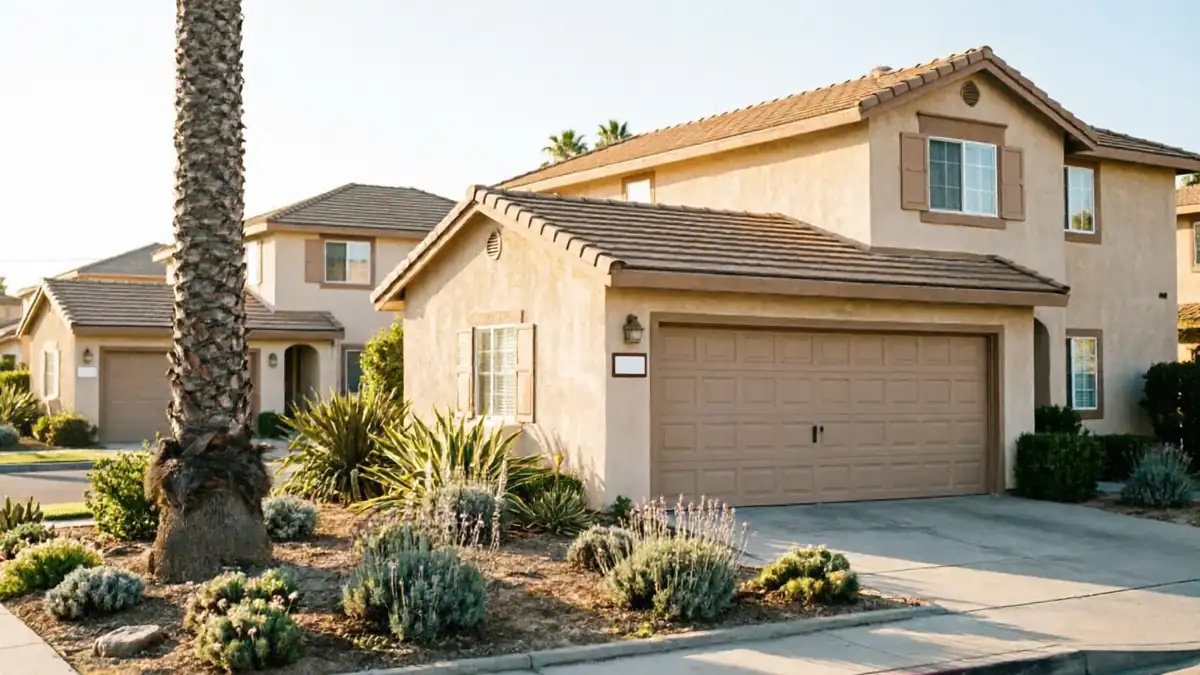
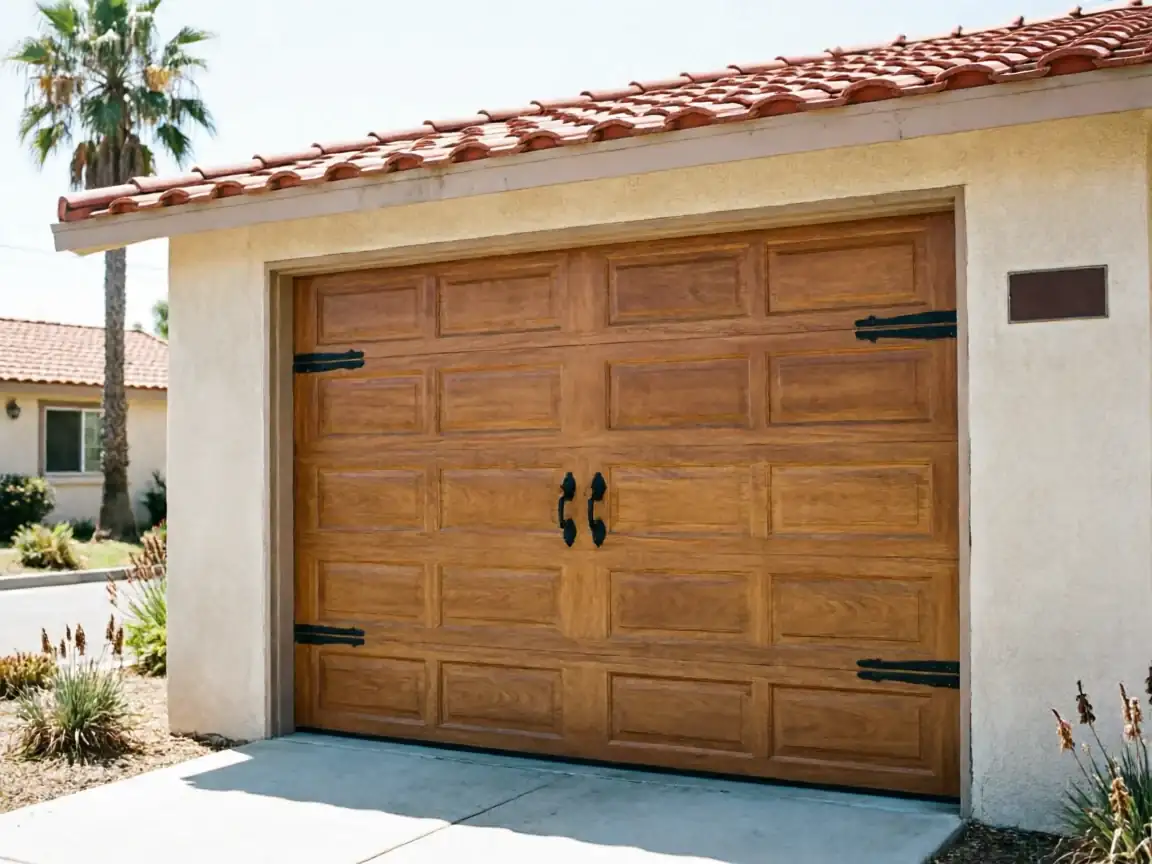
Linda's housing skews newer than most of the towns we cover out of Yuba City. The median year built here is 1987, well past the 1979 median for the wider service area, and that gap shows up on the garage. Houses from this era mostly came with steel sectional doors and extension or torsion springs rated for lighter panels than the old one-piece slab doors you still see in older pockets nearby. The failure points are different too. Instead of worn-out original hardware from the 1960s, we're more often looking at openers from the late 80s and 90s reaching the end of their motor life, nylon rollers that have gone brittle, and torsion springs hitting their cycle count after two or three decades of daily use. Weatherstripping on these doors tends to crack rather than rot, since the panels are newer but the rubber isn't. If your door is original to the house, it's pushing 35-plus years on the springs, which is past when most torsion springs give out regardless of brand. That's worth knowing before you spend money chasing a noise that's really just fatigue.
The Drive Over
We're based in Yuba City, and Linda is about 5 miles out, a short drive compared to some of the towns we reach. That's closer than Olivehurst at 6 miles or Live Oak at 10, and it means less time on the road eating into the job. We don't keep a second location or a drop point in Linda, so every truck comes straight from Yuba City. That's a fact worth being upfront about: we're not around the corner, we're a short drive away, and scheduling reflects that rather than a same-block response. If you're comparing us to someone actually based in Linda, factor in that the parts and labor matter more than the zip code on the invoice.
Old Streets and New Ones
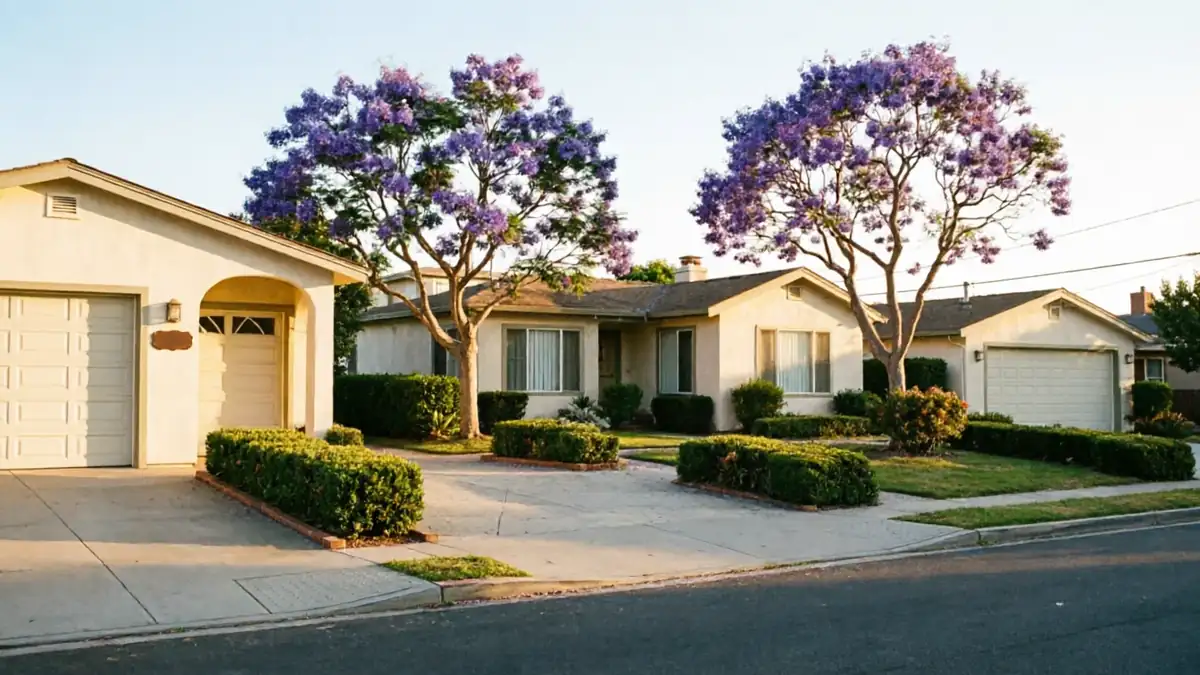
Linda isn't one uniform build era even with a 1987 median - that number is a midpoint, not a wall. Streets laid out earlier in the growth of the area sit closer to older stock with heavier wood doors and torsion springs sized for that weight, while newer infill carries lighter steel doors with smaller openers. We don't have a block-by-block map of which streets went up when, so we're not going to pretend otherwise. What we can say is that if your house is older than the median for Linda, treat the hardware as older than the siding suggests - springs and openers don't get a fresh start just because the house looks maintained. If you're not sure how old your door setup actually is, the manufacture date is usually stamped on the spring or printed inside the opener housing, and that's a better guide than the age of the house itself.