What You Pay
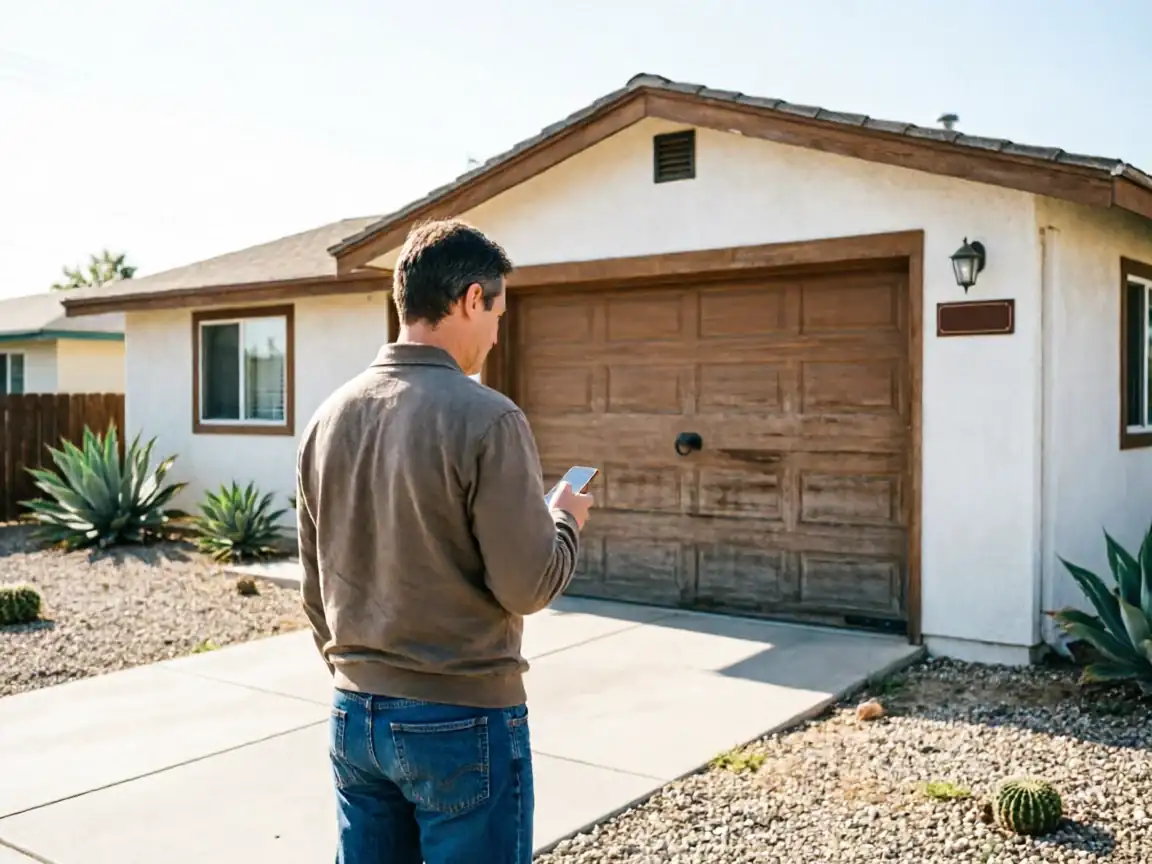
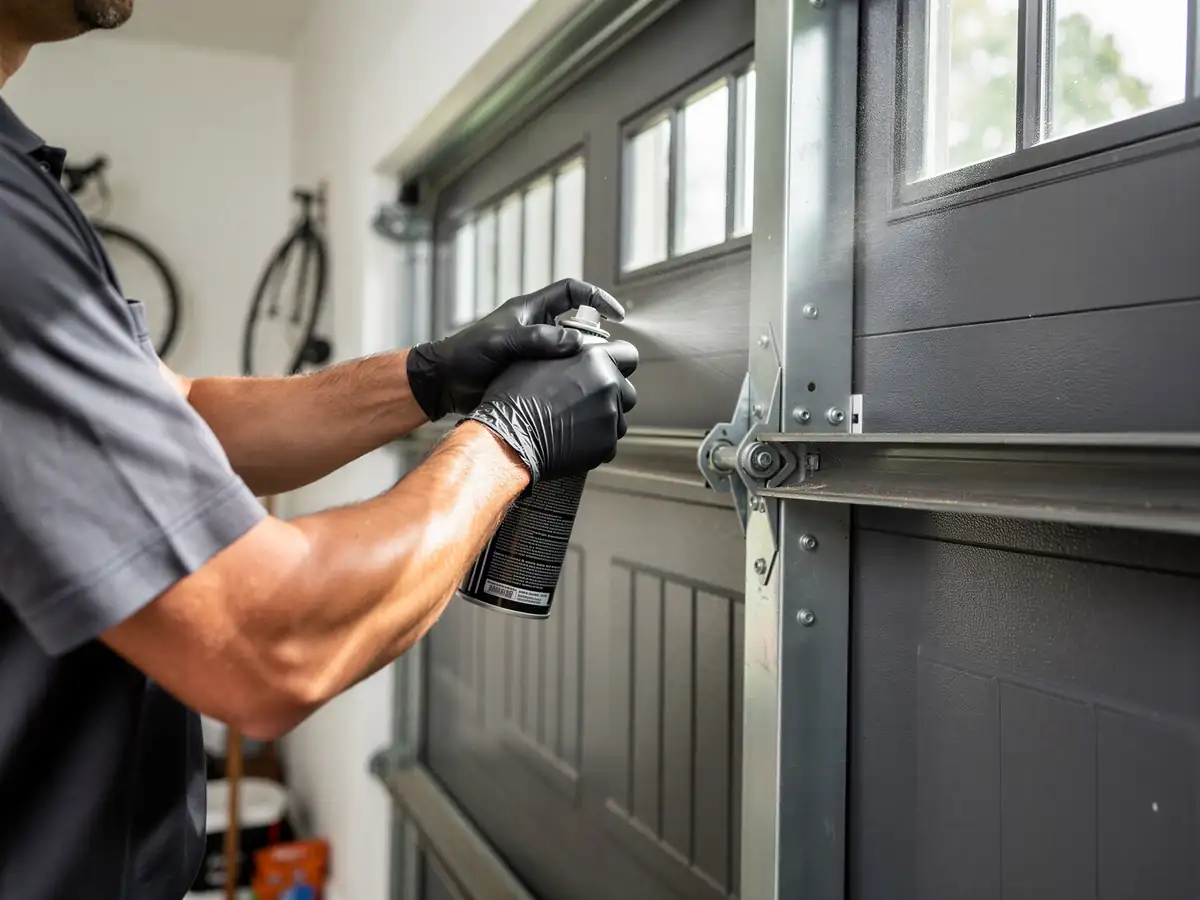
We don't have a flat number to quote you here, because maintenance jobs vary with how old your door is and what shape the hardware's in. A tune-up on a door installed in the last decade is a different job than one on a door that's been running since the 1970s or 80s, which describes a lot of houses across this service area. What drives the cost isn't the visit itself - it's what we find once the door's open: a spring near the end of its cycle life, rollers that have worn oval, an opener drive gear that's stripped teeth. We'll tell you what we see and what it needs before we do anything beyond the basic check and lubrication. If a part needs replacing, that's a separate line, not folded into a mystery maintenance fee.
What You Are Seeing
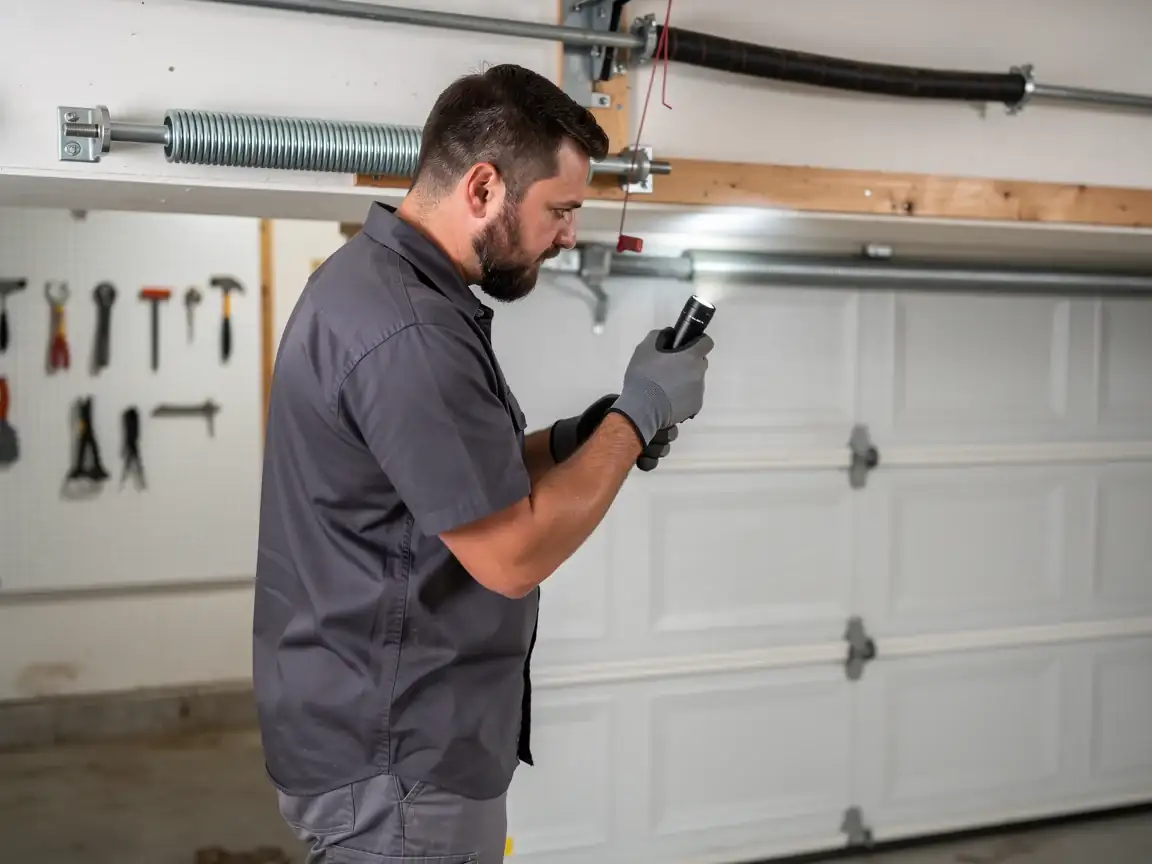
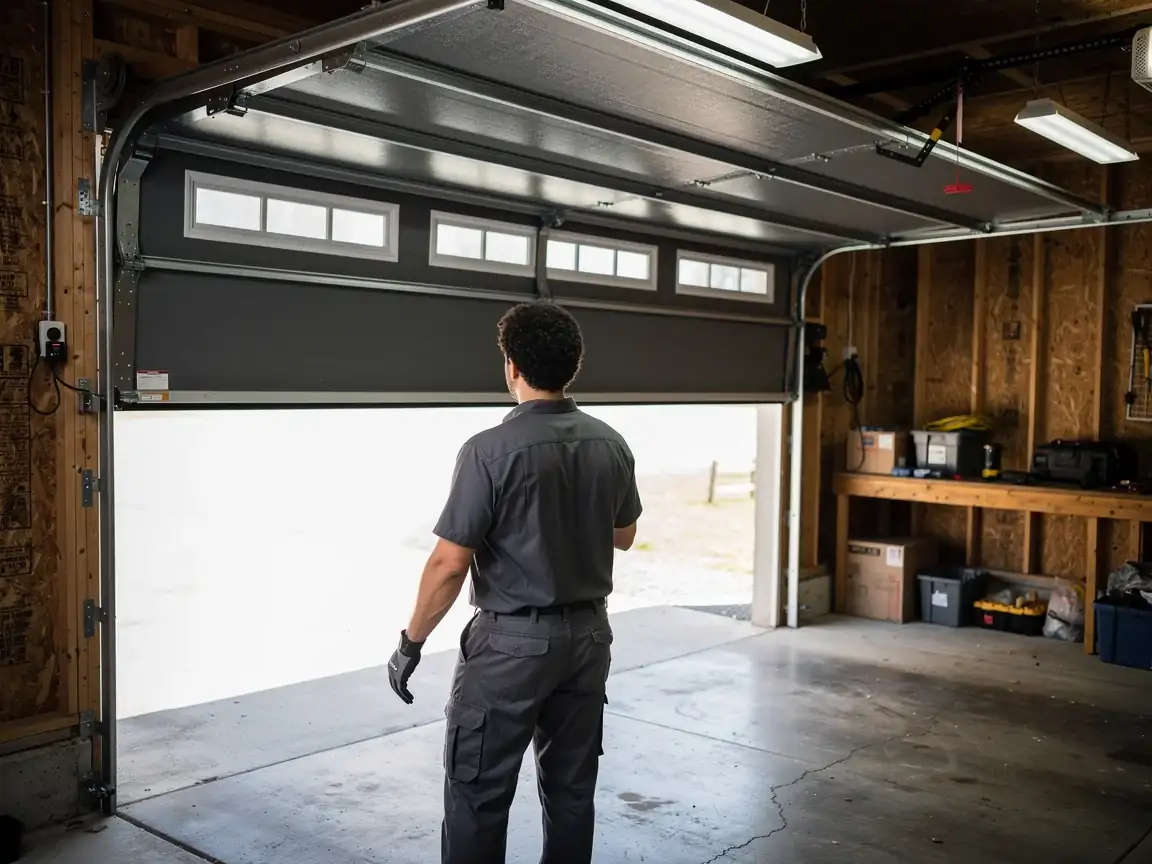
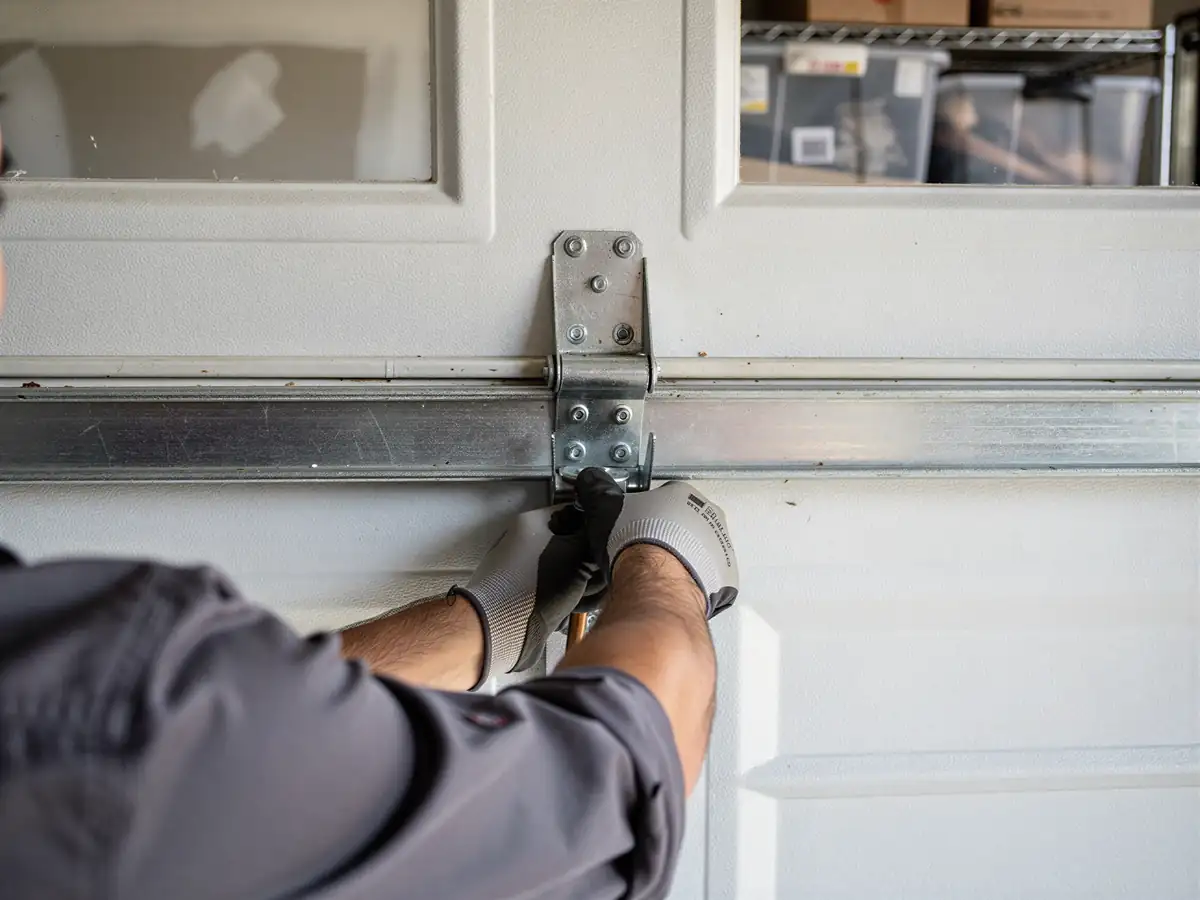
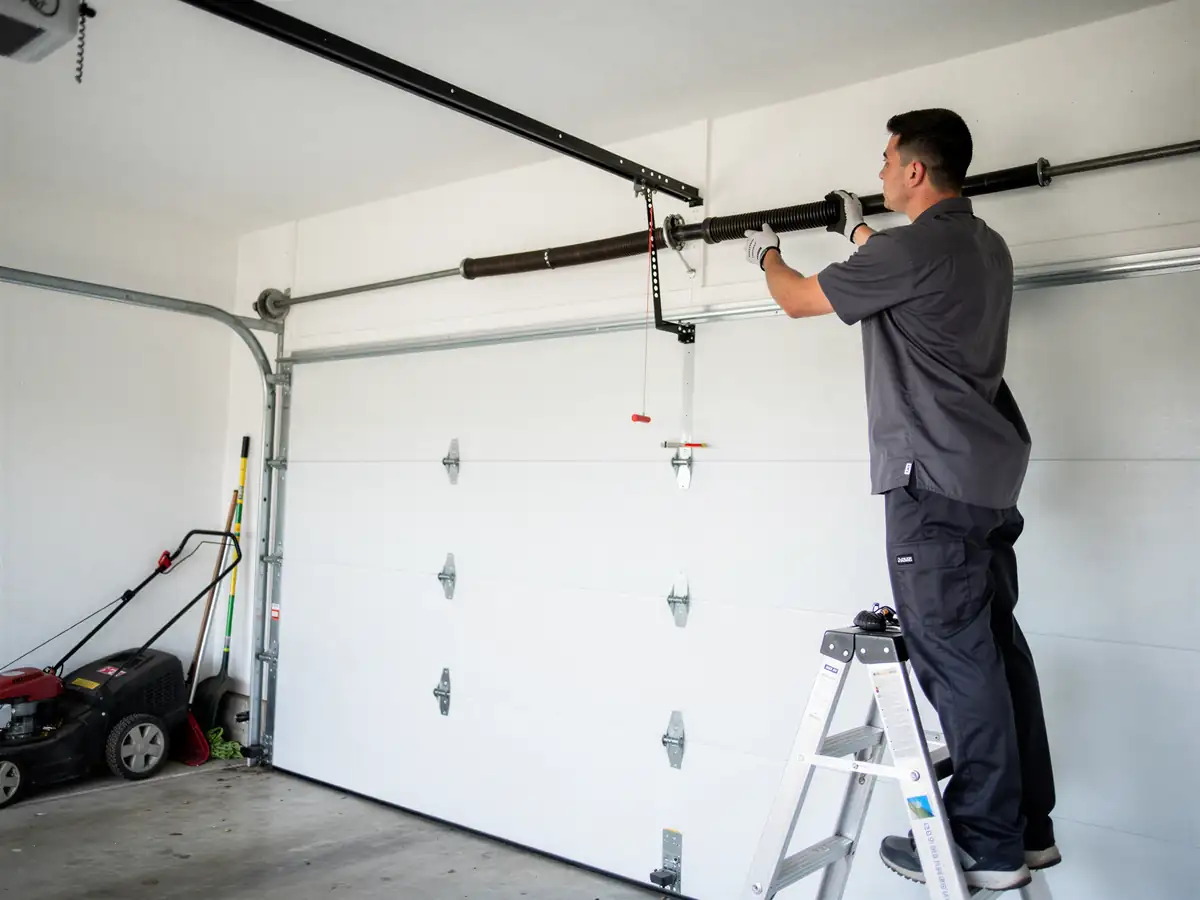
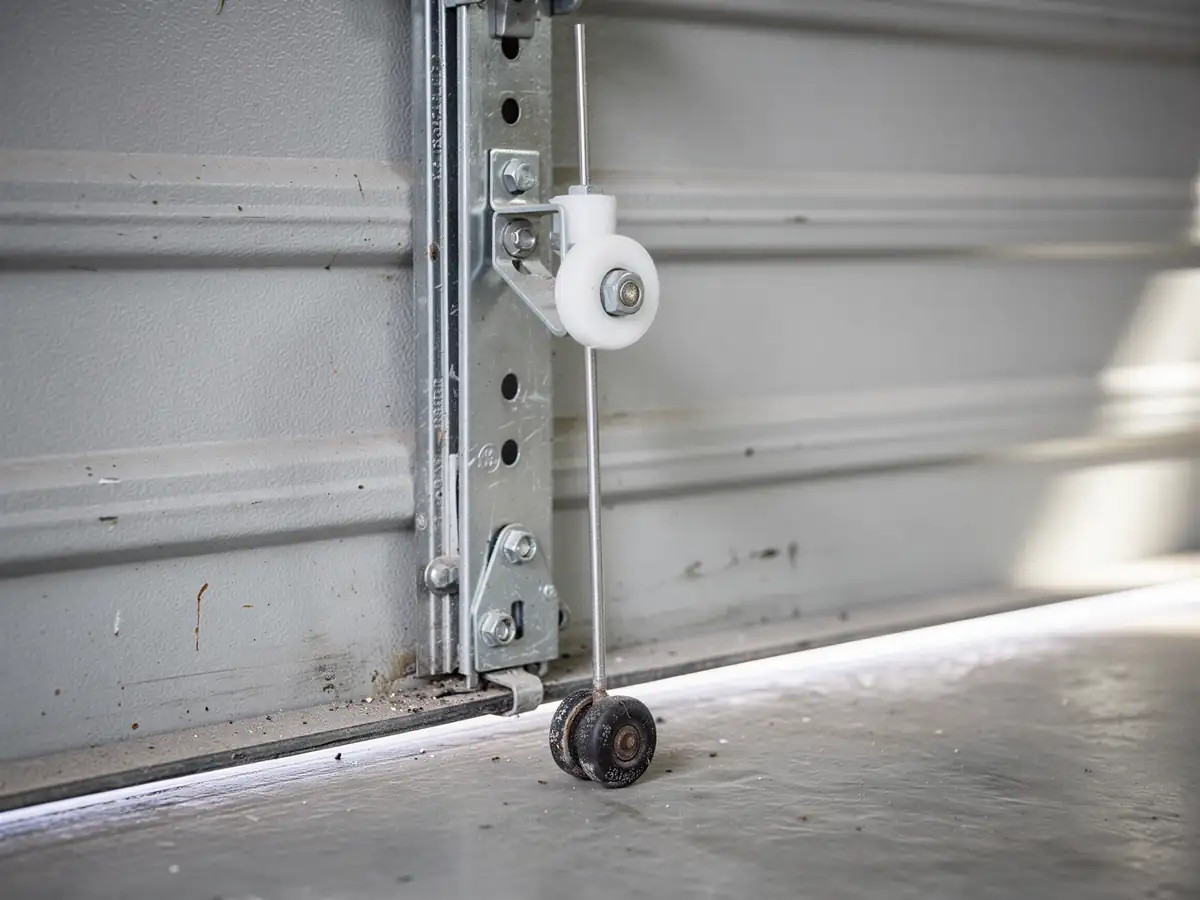
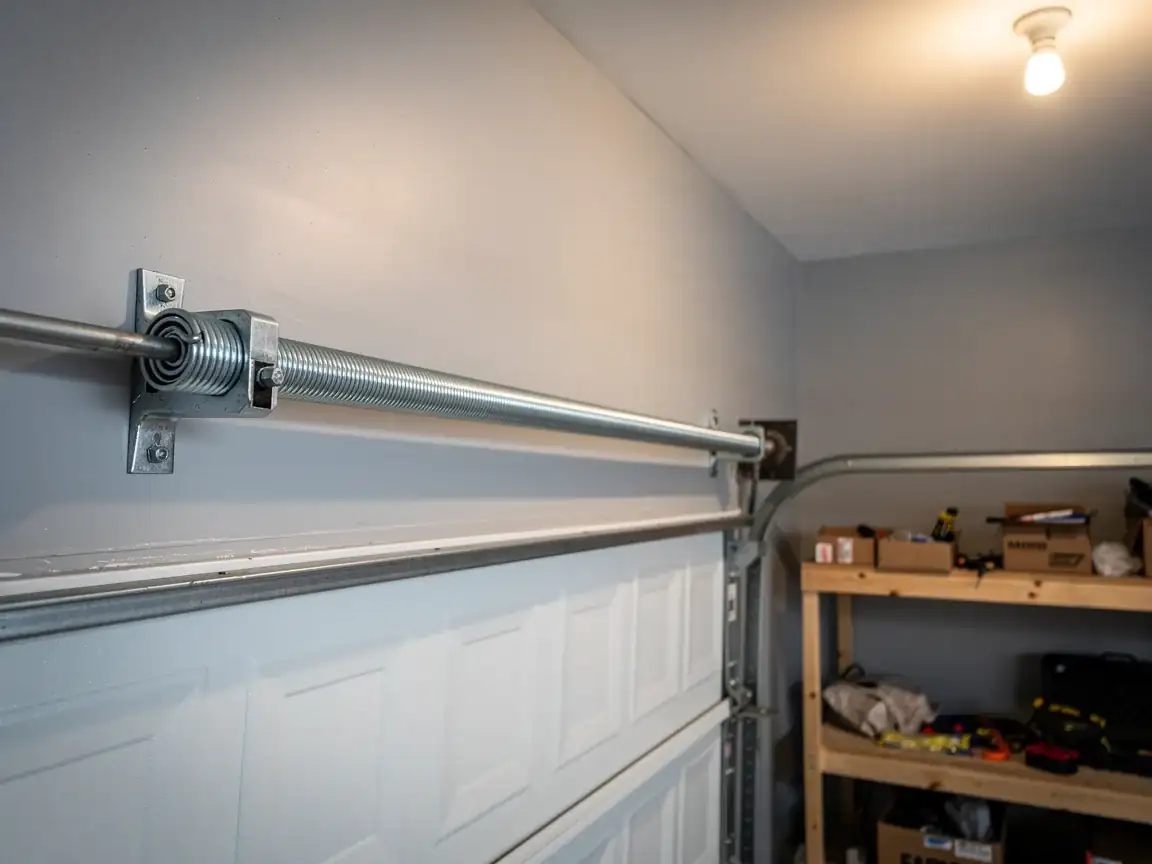
Most calls start the same way: the door's getting louder, slower, or it hesitates partway through the cycle. Sometimes it's a grinding sound on the way up. Sometimes the opener strains and reverses before it reaches the floor. None of that is random. A torsion spring loses tension every cycle it runs, and once it's down near the end of its rated life, the opener has to do work it wasn't built to do - that's the strain you hear. Rollers that have gone dry or cracked will chatter in the track instead of rolling through it. Track that's slightly out of alignment, which happens as houses here settle over decades, will bind the door at the same spot every time. None of these show up as a sudden break. They show up as a door that's slowly gotten worse, which is exactly the window where maintenance catches them before they become an evening spring-break call.
The Complications
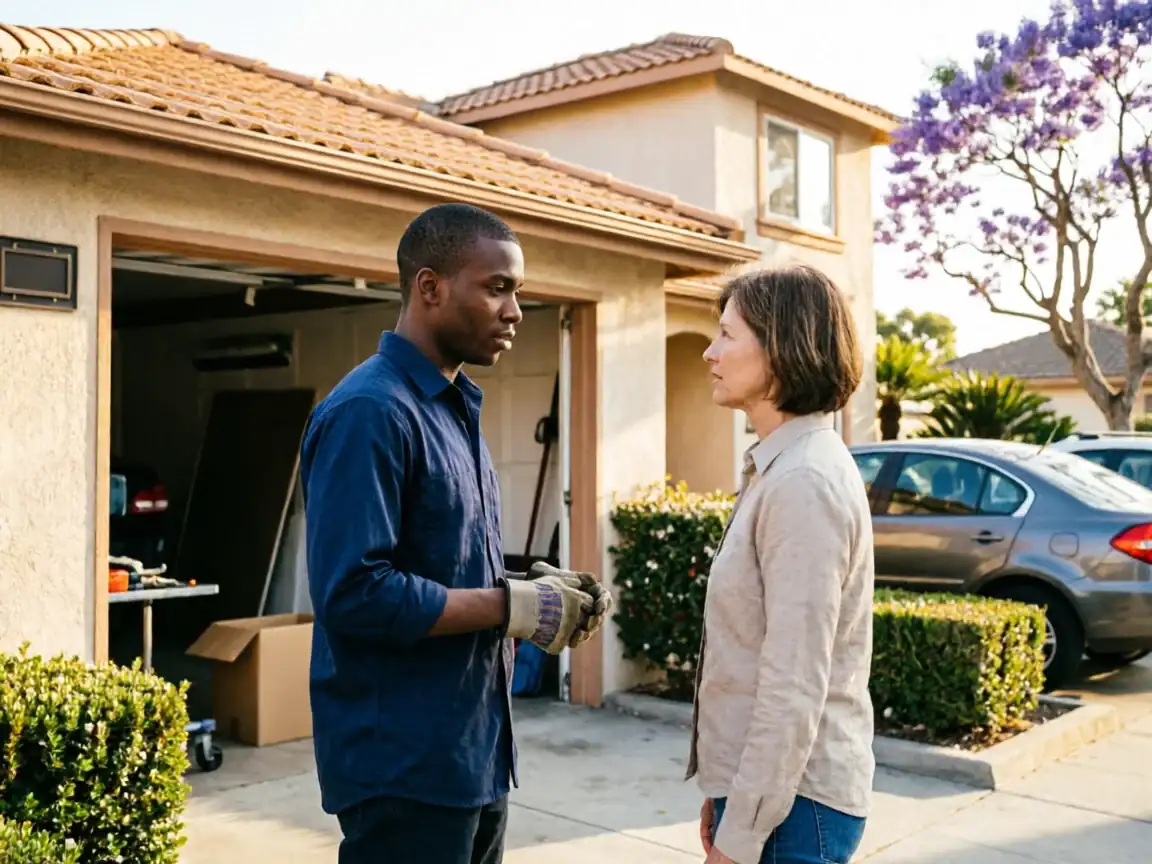
The honest limitation: maintenance won't save a spring that's already at the end of its rated cycles, and it won't fix an opener logic board that's failing intermittently - those are replacement calls, not tune-up calls, and we'll tell you straight if that's what we're looking at. We also won't pretend every door in a neighborhood built in the same decade is wearing the same way; usage, garage orientation toward afternoon sun, and whether the door's been serviced at all before change the picture house to house. With roughly 15,263 owner-occupied houses and 30,380 households across the area we cover, and a median household income around $80,104, we see everything from original 1970s hardware still soldiering on to doors replaced twice already. A maintenance visit tells you which situation your door is actually in, instead of guessing from how it sounds.