What You Pay
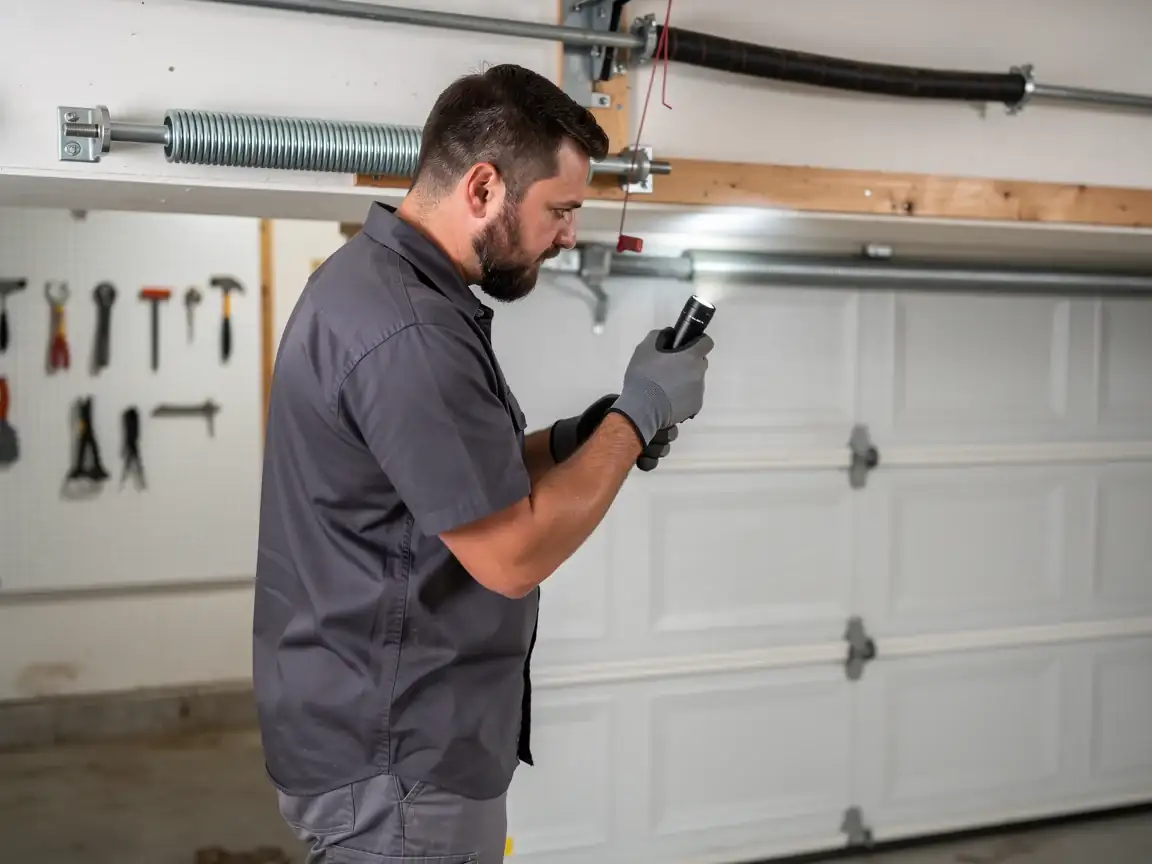
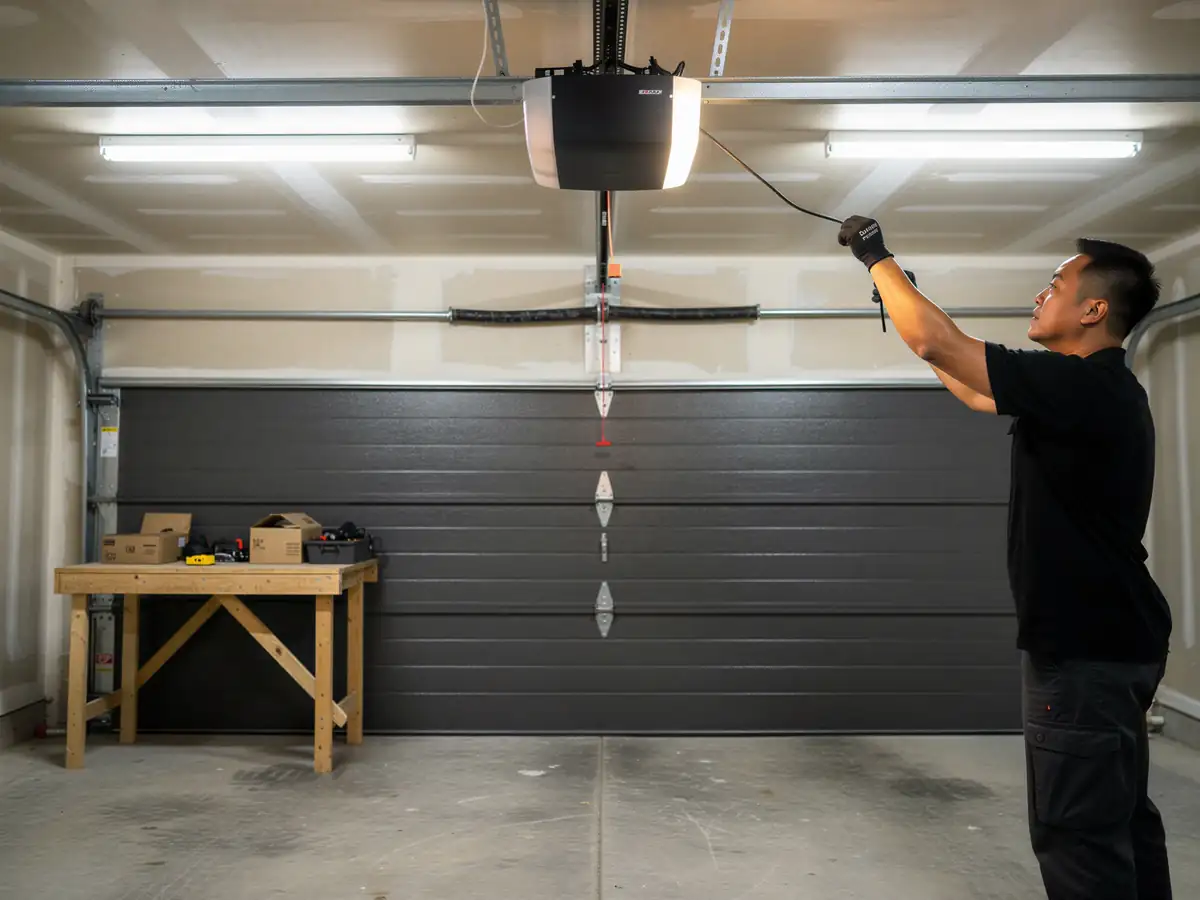
We don't quote a number over the phone before we've looked at the spring, the track, and the opener gears, because what's wrong with a door in a house built in 1968 is rarely what's wrong with a door in a house built in 1995 - and across the service area's 30,380 households, you've got both. A torsion spring job on original hardware from the 1960s-70s stock often costs more than the same job on newer gear, because the drums and shafts aren't a standard size anymore and we're matching old parts, not pulling a part number off a shelf. If your opener is original to a house from that era, replacing it usually makes more sense than repairing it - the gear sets in openers that old are worn past the point where a new sprocket buys you much time. We'll tell you straight when a repair isn't worth the labor versus swapping the part. That's the one limitation we're upfront about: we don't stretch a fix past its useful life just to bill a smaller job.
The Problem
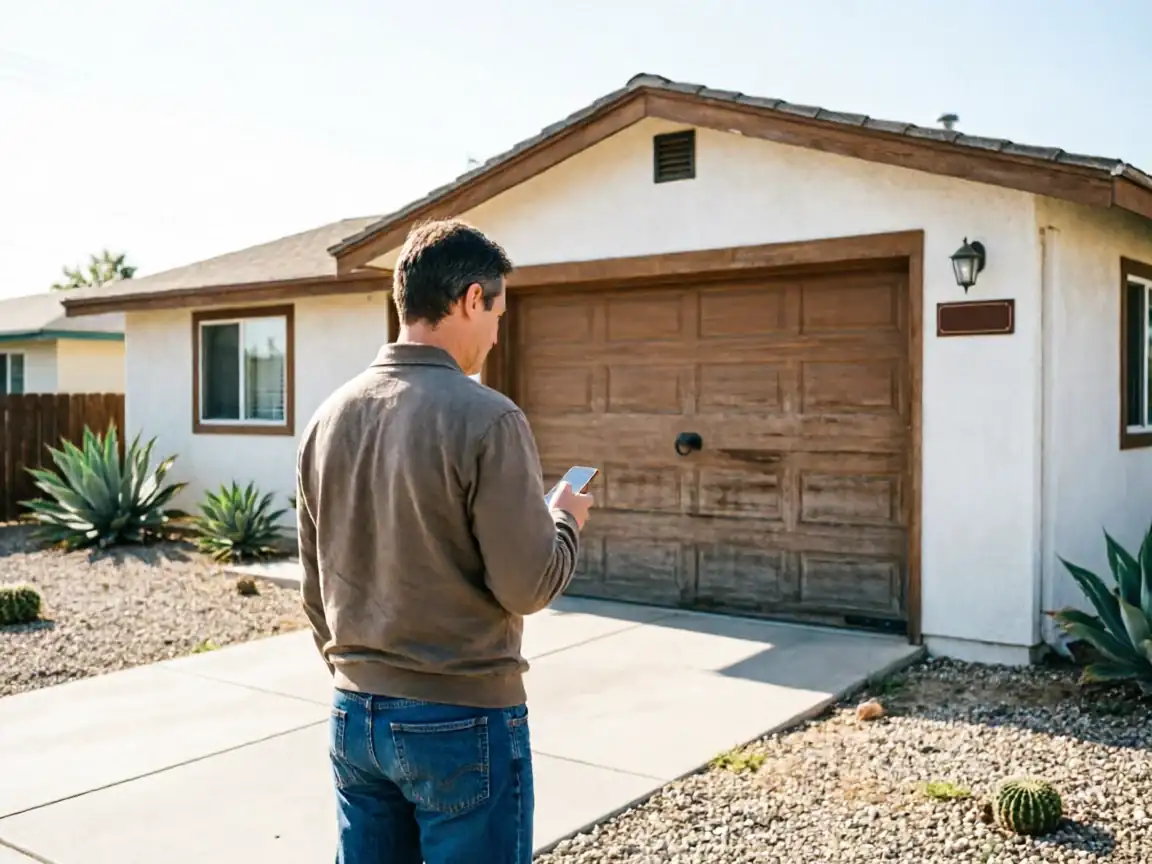
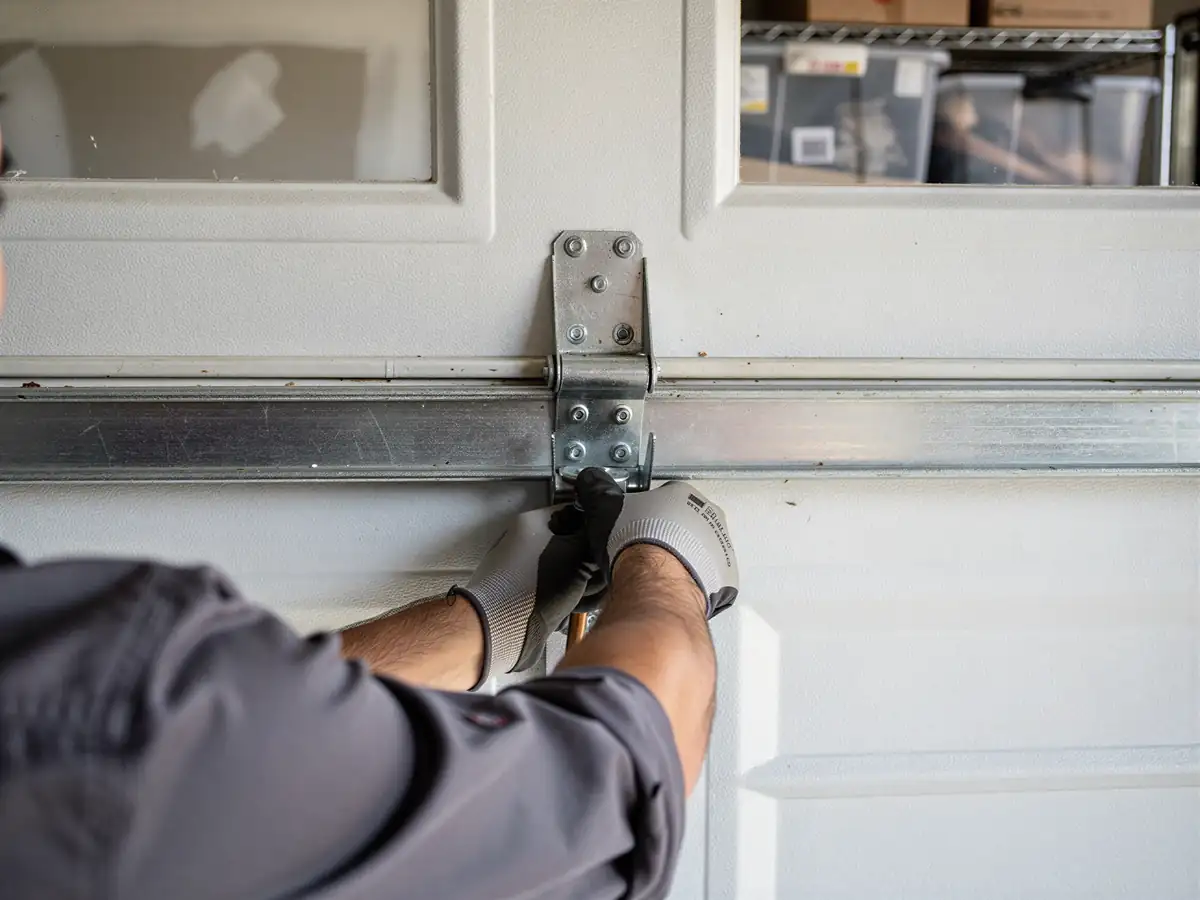
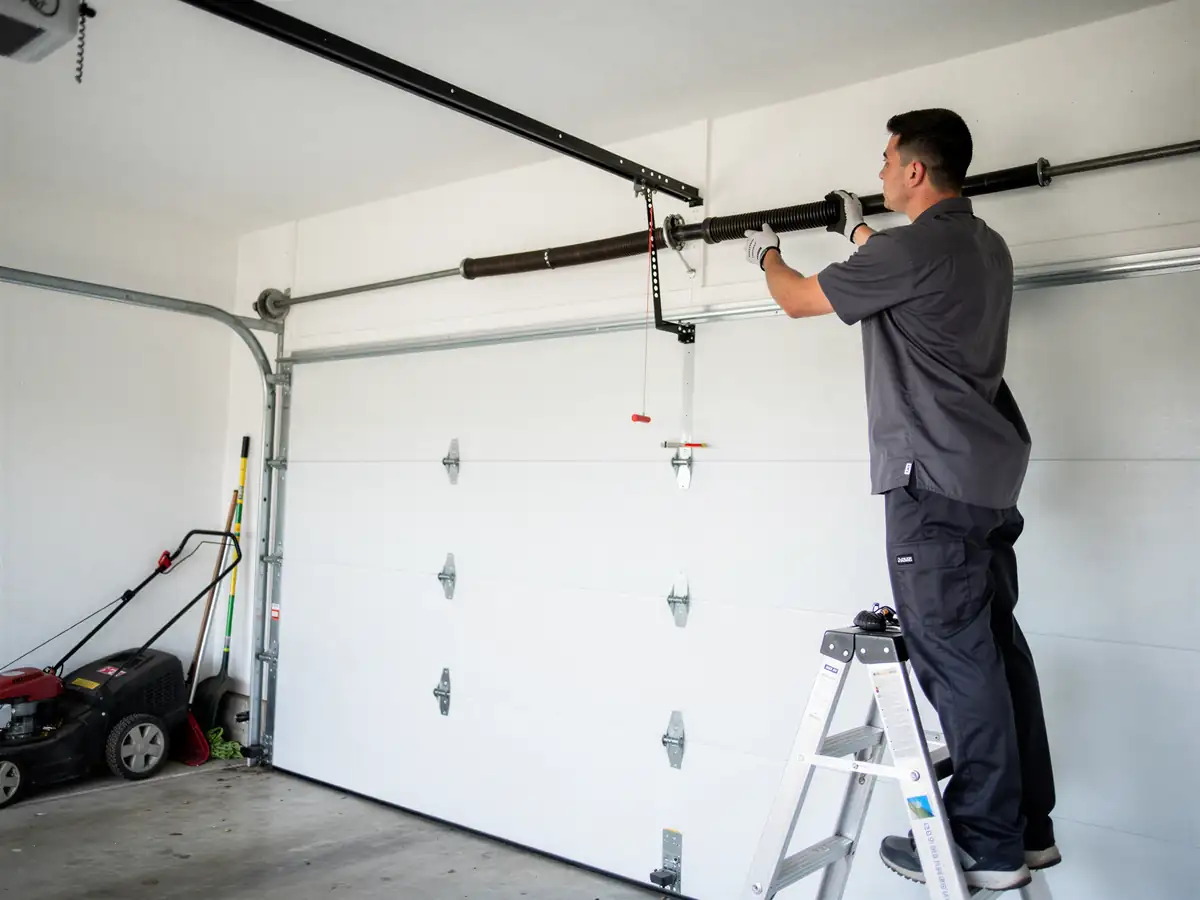
Most of the driveways we work in Yuba City belong to houses built somewhere between 1944 and 2007, with the heaviest concentration in the 1960s and 70s across the sixteen named areas that make up the service area. That means a lot of original torsion springs, original galvanized coatings, and original cable sheaves that have spent five or six decades in a severe-heat climate band. Heat does two things to a torsion spring: it accelerates the breakdown of the oil-based coating that keeps the coils from rubbing, and it makes the steel itself more brittle through repeated expansion and contraction cycles across the summer. That's the grinding noise - metal on metal where the coating used to be. A popping sound on lift is usually a cable seating wrong on a worn sheave, which happens faster when the bracket has baked and flexed every summer since the Johnson administration. None of this is dramatic. It's just slow heat fatigue on parts that were never designed for a sixty-year service life.
How Local Conditions Play In
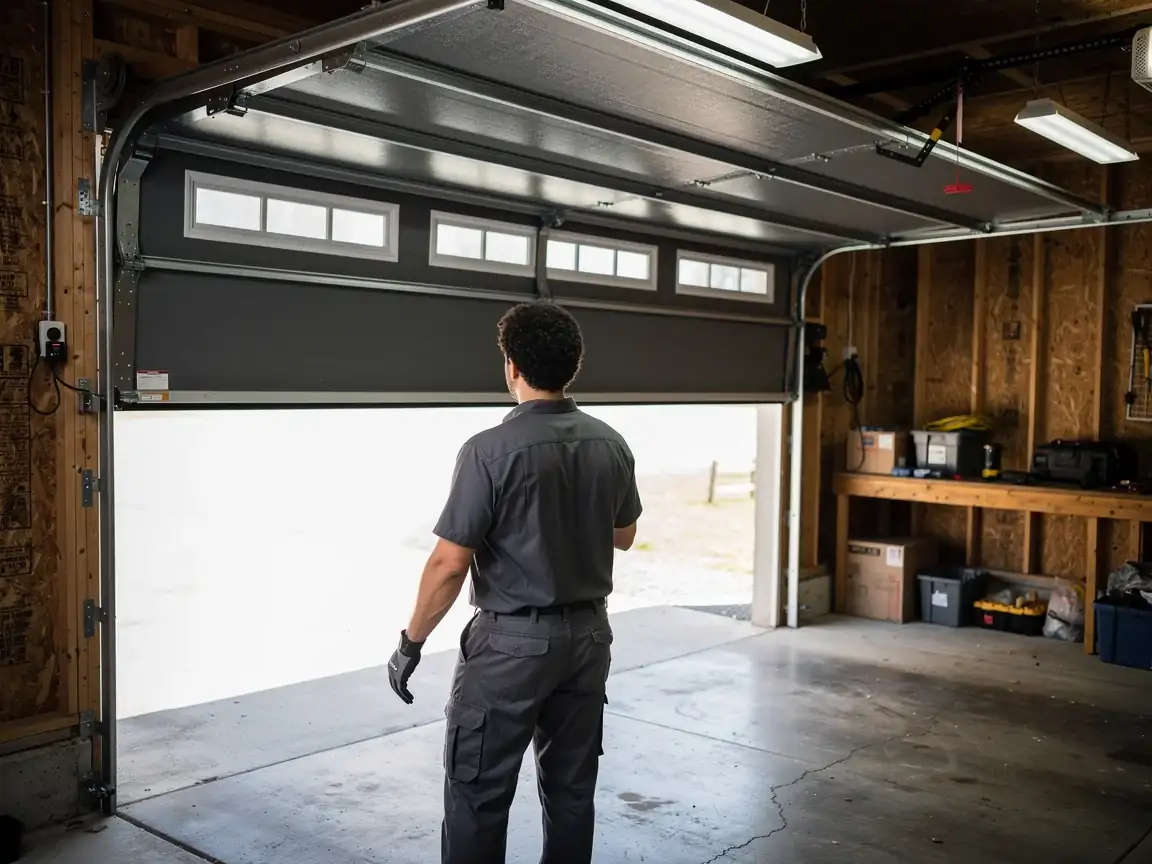
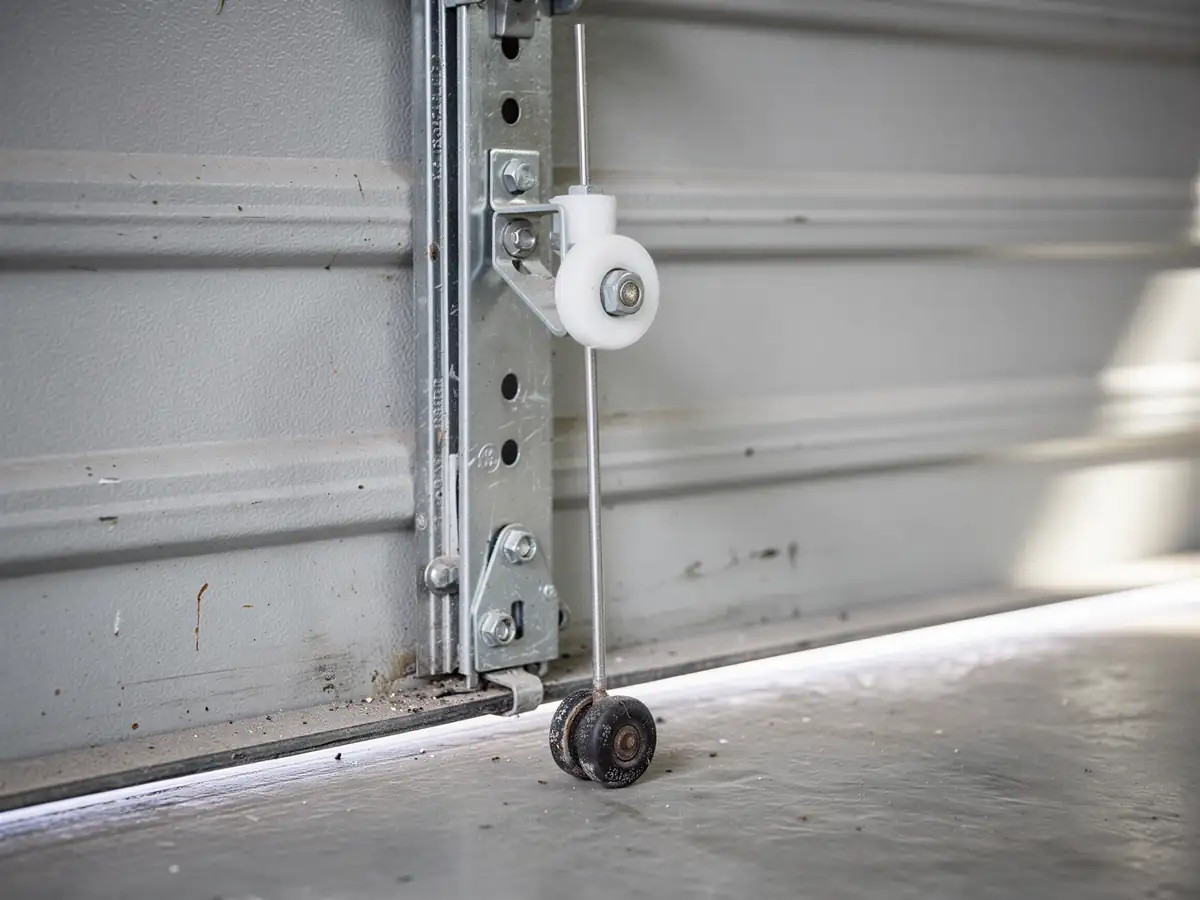
Yuba City sits in a climate band rated severe for heat, and that's the single biggest factor aging out garage door hardware here faster than it would somewhere milder. Steel springs under constant summer heat lose temper faster, galvanized coatings break down faster, and nylon rollers on original 1970s track get brittle and crack instead of wearing smooth. We see the same pattern whether we're out at Marysville four miles off, Linda at five, Olivehurst at six, or further out toward Live Oak at ten and Plumas Lake at eleven - houses built in that same mid-century to late-century window, all carrying the same heat load year after year. The newer construction toward the edges of that range, closer to 2007, holds up noticeably better simply because the hardware hasn't had as many summers to work on it. Age and heat together are what you're actually fighting, not one or the other.