What You Pay
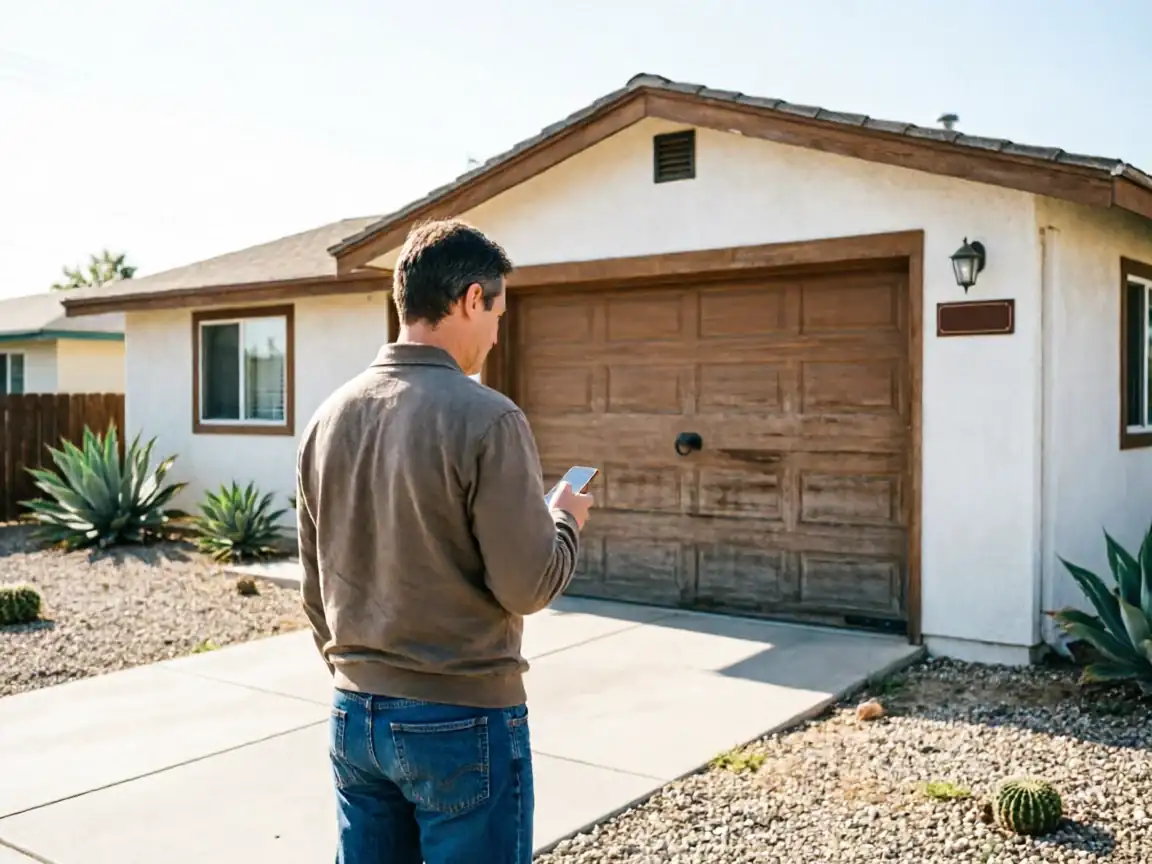
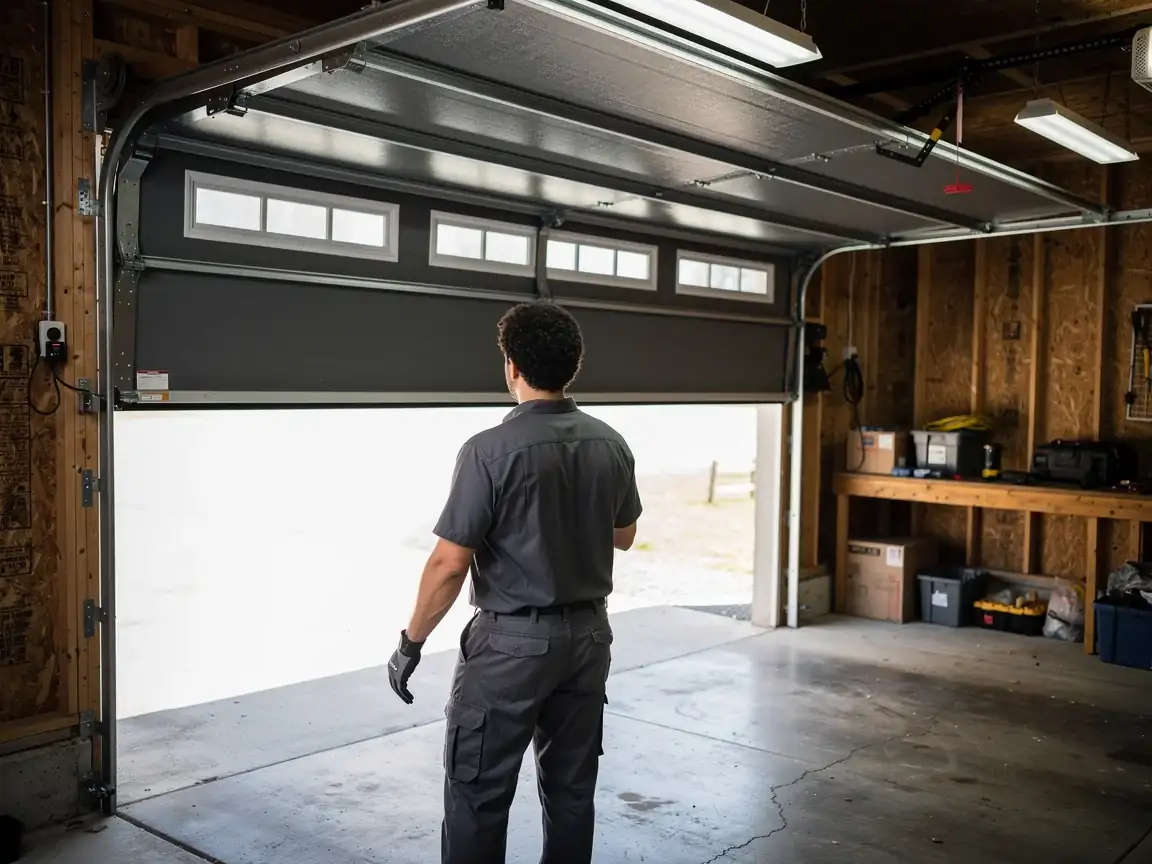
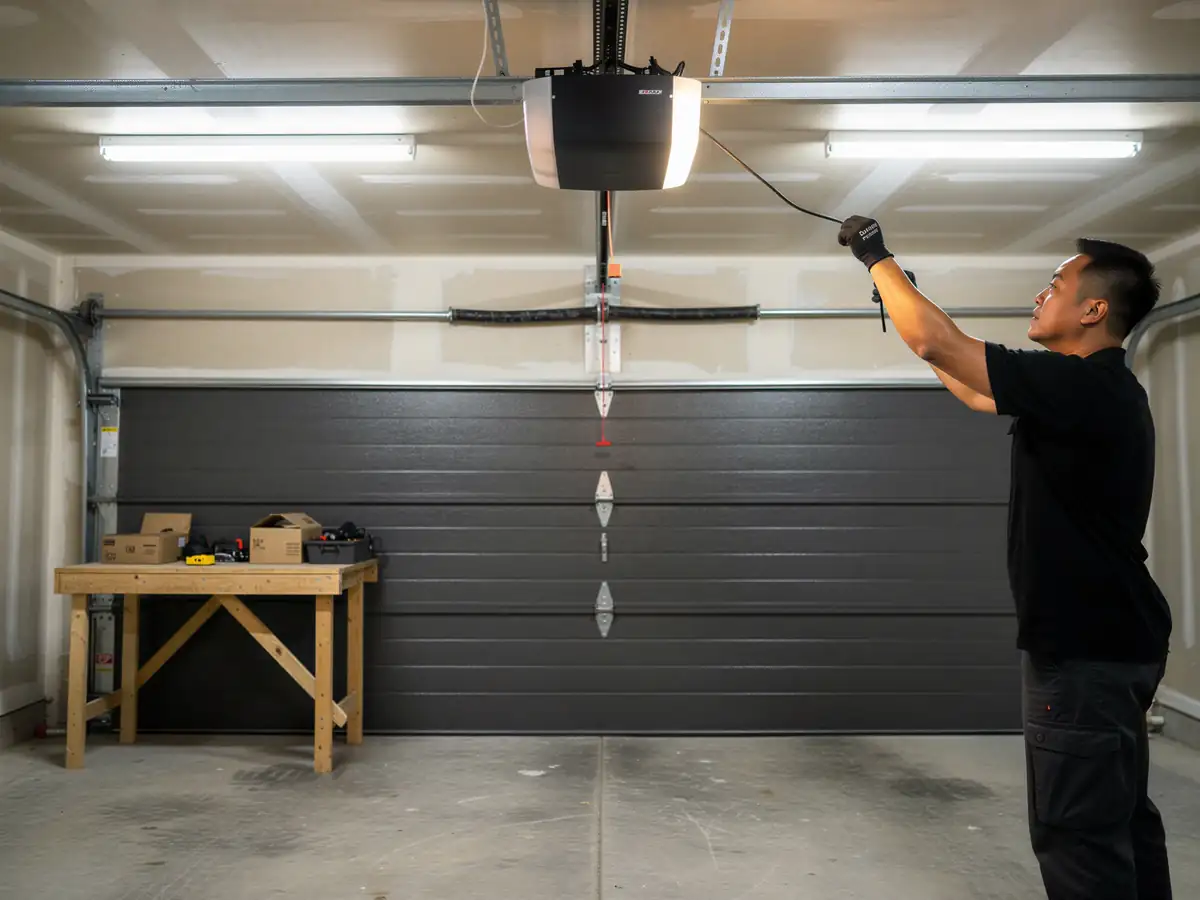
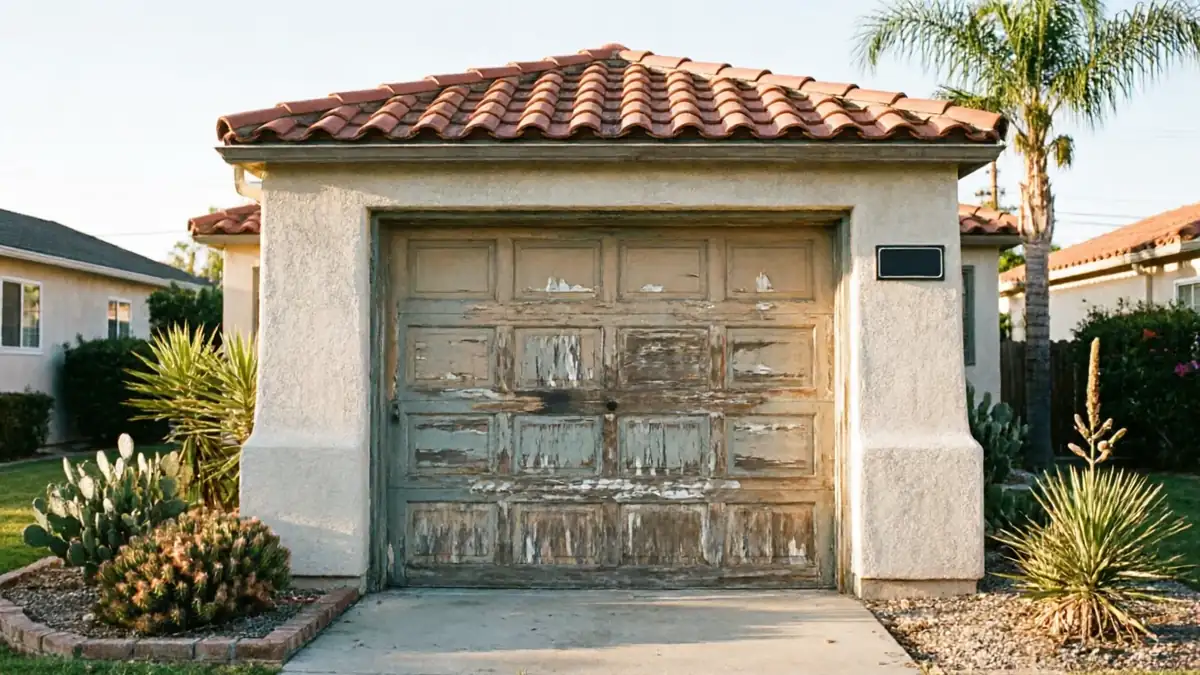
We can't quote you a number without seeing the door, and we're not going to pretend otherwise. What we can tell you is what drives the cost up or down. A lot of garages in this area went up during the 1960s and 70s construction wave, with the broader housing stock here running from 1944 to 2007 and a median build year of 1979. That matters because a door from that era often runs on a torsion spring and drum setup that isn't the standard size sold today. Matching an original spring, or finding a replacement panel for a door that old, takes more labor time than swapping in a current off-the-shelf unit. If your door and opener are both original, parts sourcing adds time before we even start the job. A newer door, built since the 2000s wave of construction, usually uses standard hardware we carry on the truck, so the labor side of the job is shorter. The honest version: on a door from the 60s or 70s, sometimes the repair costs more in parts-hunting time than a straight swap to a new section would, and we'll tell you that up front instead of running the clock.
The Problem
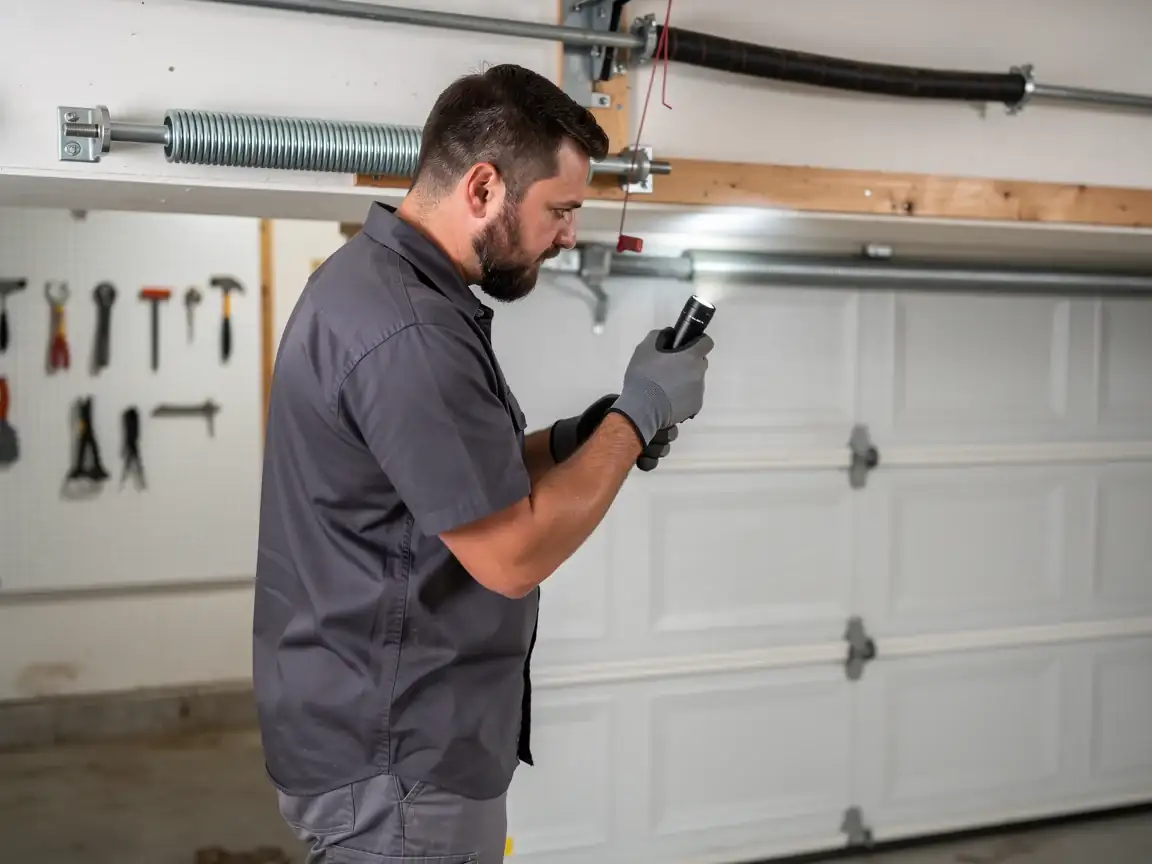
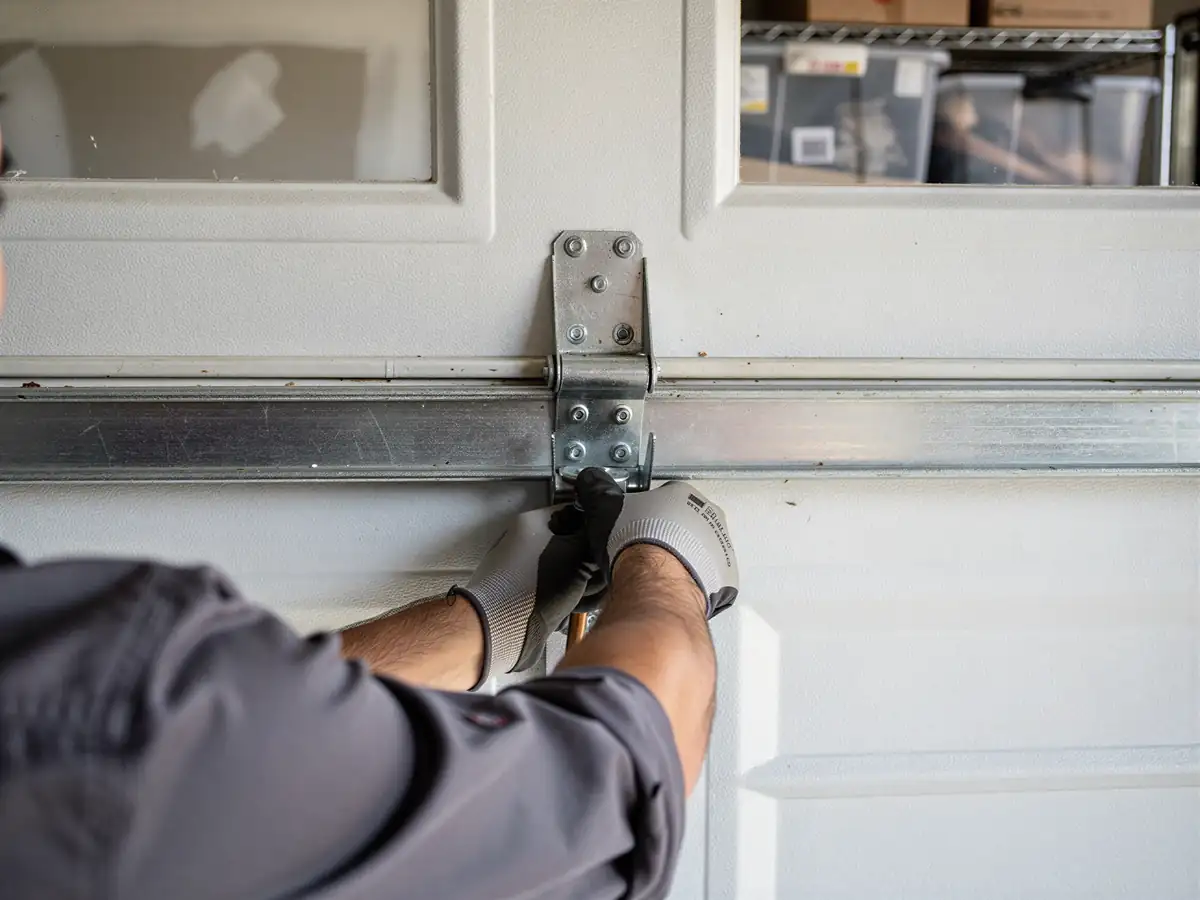
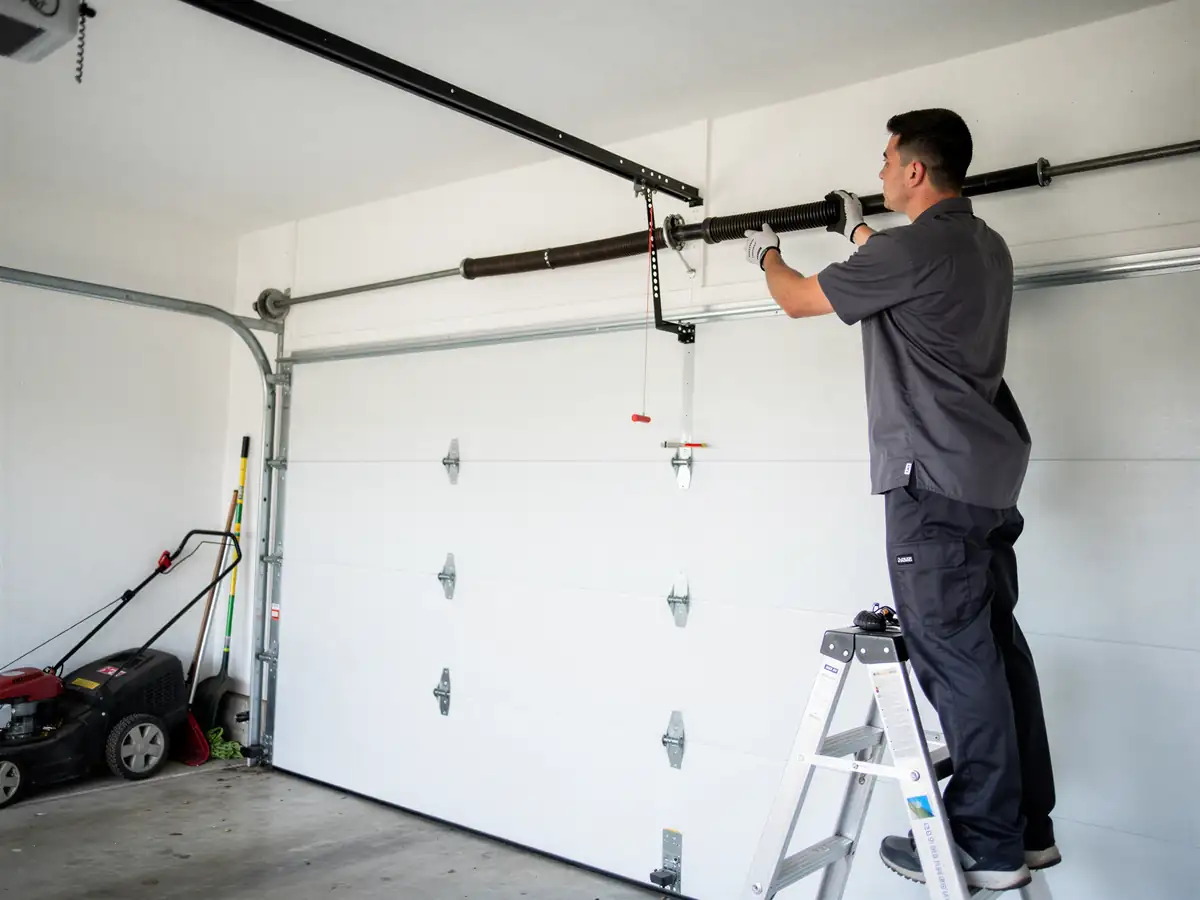
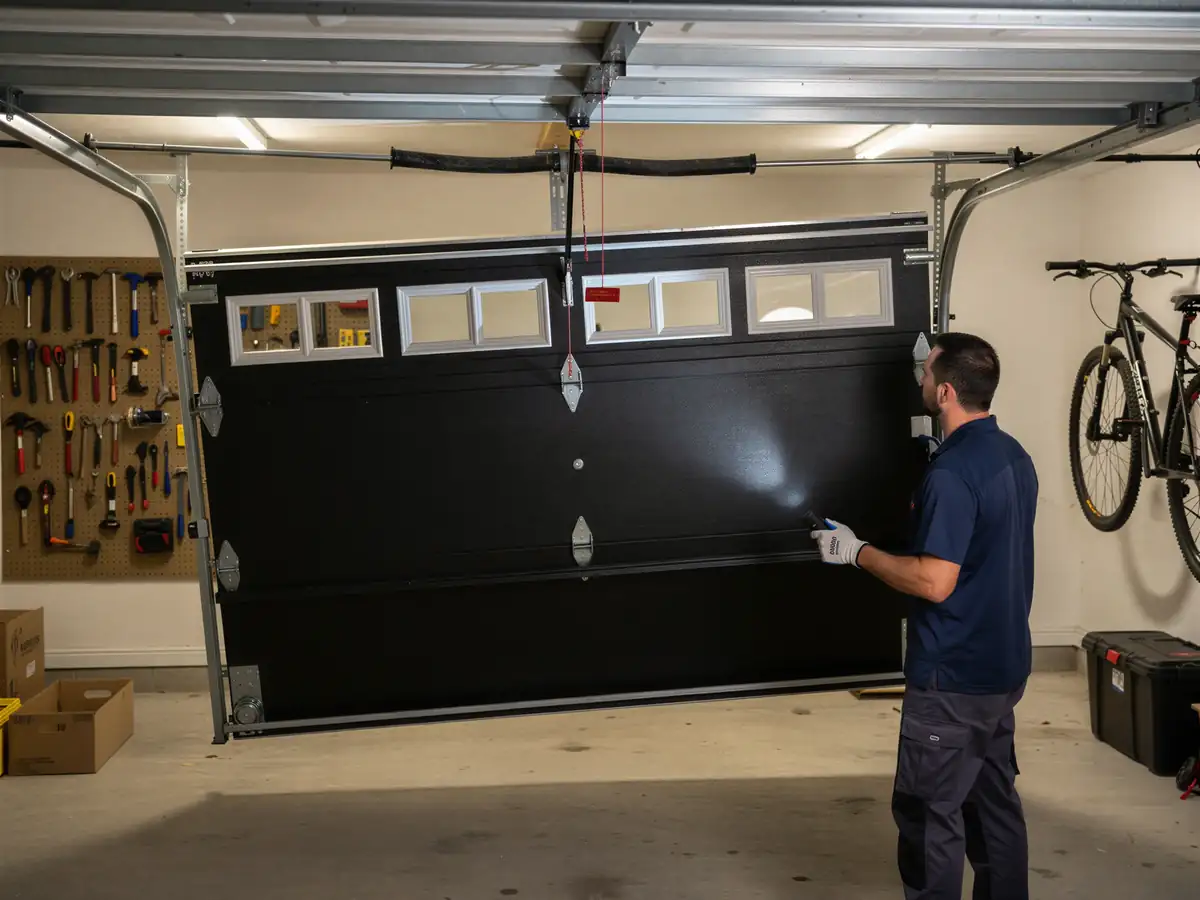
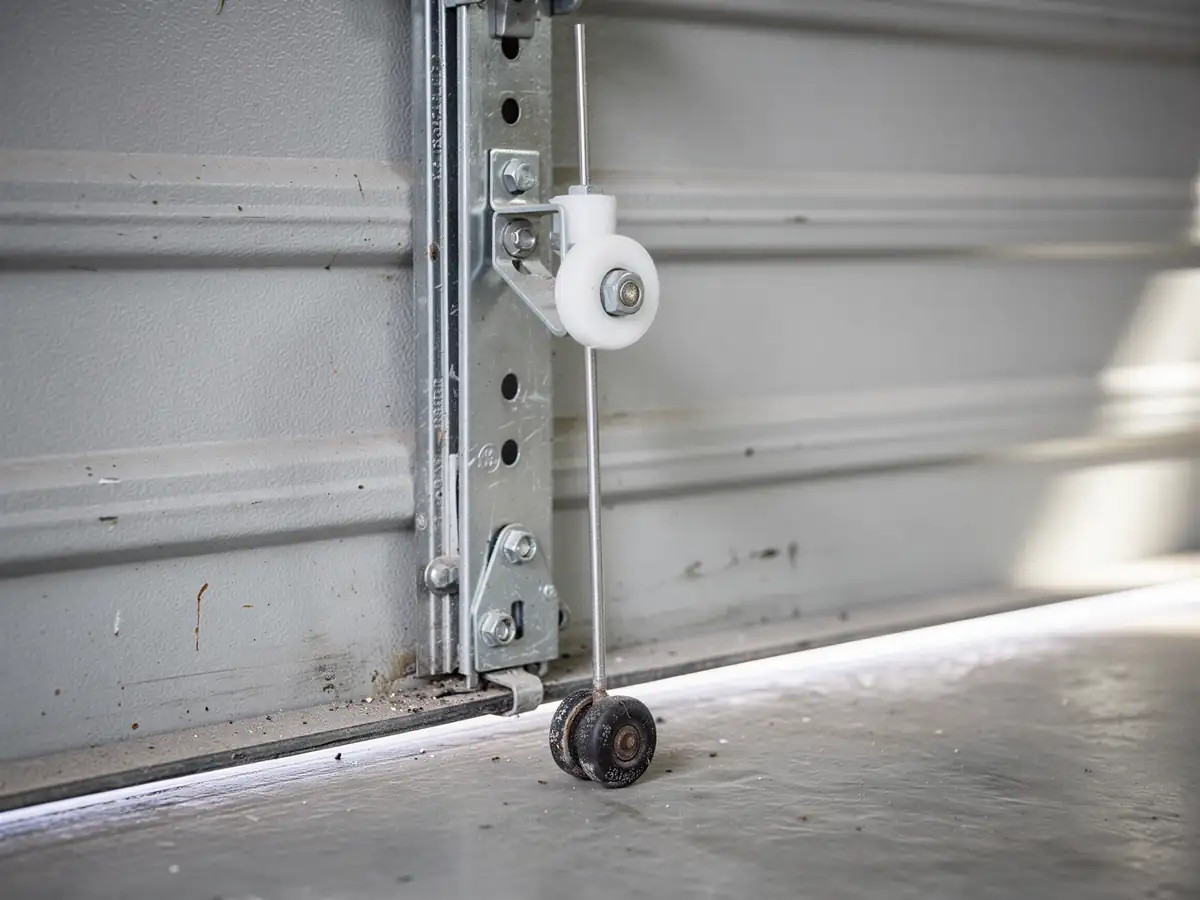
The problem with an older door here isn't usually the panel itself, it's what's behind it. Houses built in the 1960s and 70s wave that makes up most of this area's stock tend to have the original torsion spring still doing the lifting, decades past when it should have been swapped. Springs don't fail gently. They lose temper slowly under heat cycling, then let go all at once, usually when you're already late and in a hurry. On a door that old, the rollers are often the original nylon, worn oval instead of round, which is why the door sounds rough going up even when the spring is fine. The track itself can be bent from years of a loose roller riding against it. None of that shows up as a single clear symptom - it shows up as a door that's gotten slower, louder, and heavier to lift by hand over a few years. That gradual decline is the tell that you're dealing with original-era hardware rather than something that just needs a $20 part. We'd rather tell you which parts are original and worn than replace one roller and send you on your way with a spring that's one hot afternoon from snapping.
How Local Conditions Play In
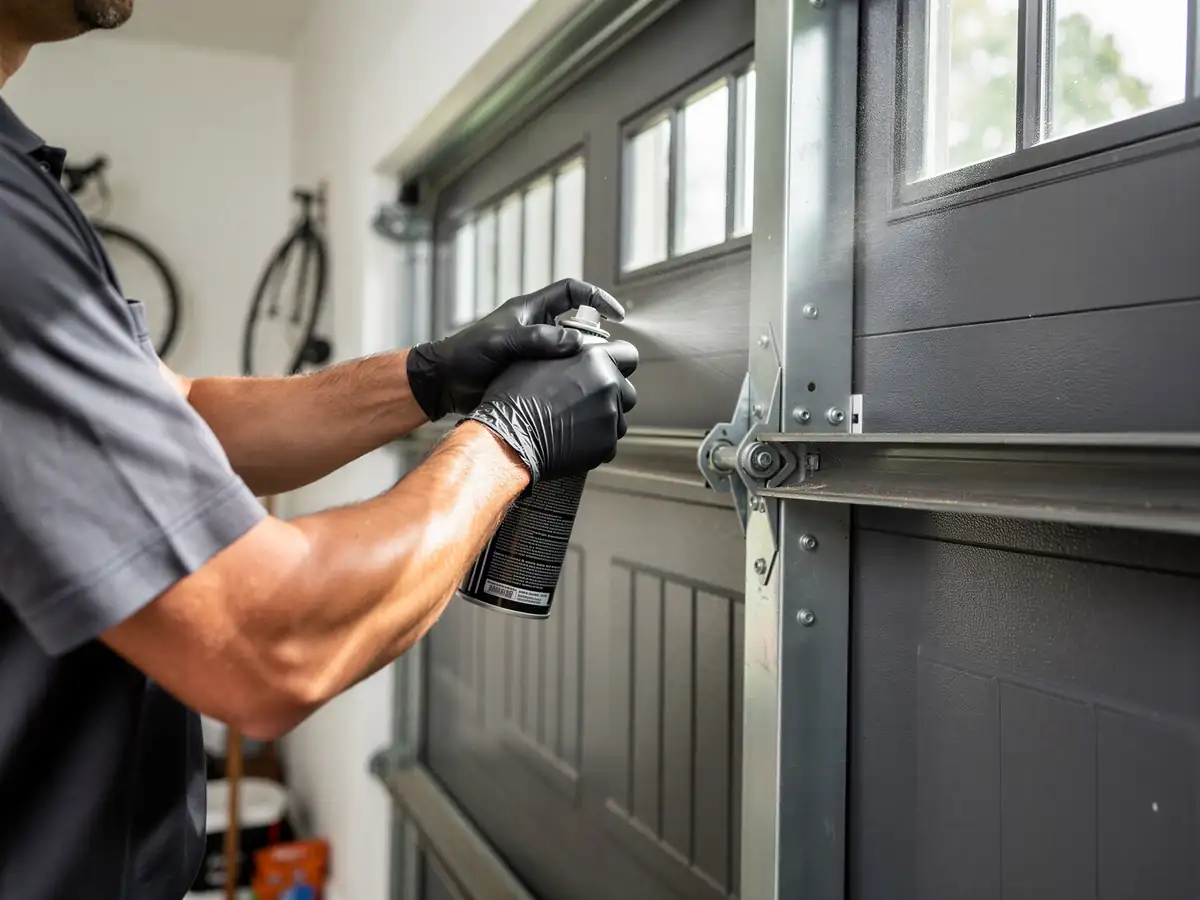
Yuba City sits in a climate band the federal data marks as severe heat, and that matters more for garage doors than people expect. Heat cycling - hot during the day, cooler at night, repeated for months every summer - is what fatigues metal spring coil and dries out the rubber or nylon in rollers faster than a mild climate would. A torsion spring rated for a certain number of cycles gets there faster under that kind of daily swing, which is part of why original springs on houses from the 1960s-70s stock are often past their realistic lifespan even if the house itself is well kept. Heat also affects the garage interior directly: an attached garage with a door that doesn't seal well lets in more hot air, which can push summer temperatures inside higher than people expect, especially with a car engine adding heat after a drive. None of that means you need a new door every few years. It does mean that in this area, we weigh spring age and condition more heavily than we would somewhere with a milder year-round climate, because the clock on spring fatigue here runs faster than the clock on the door looking worn.