What You Pay
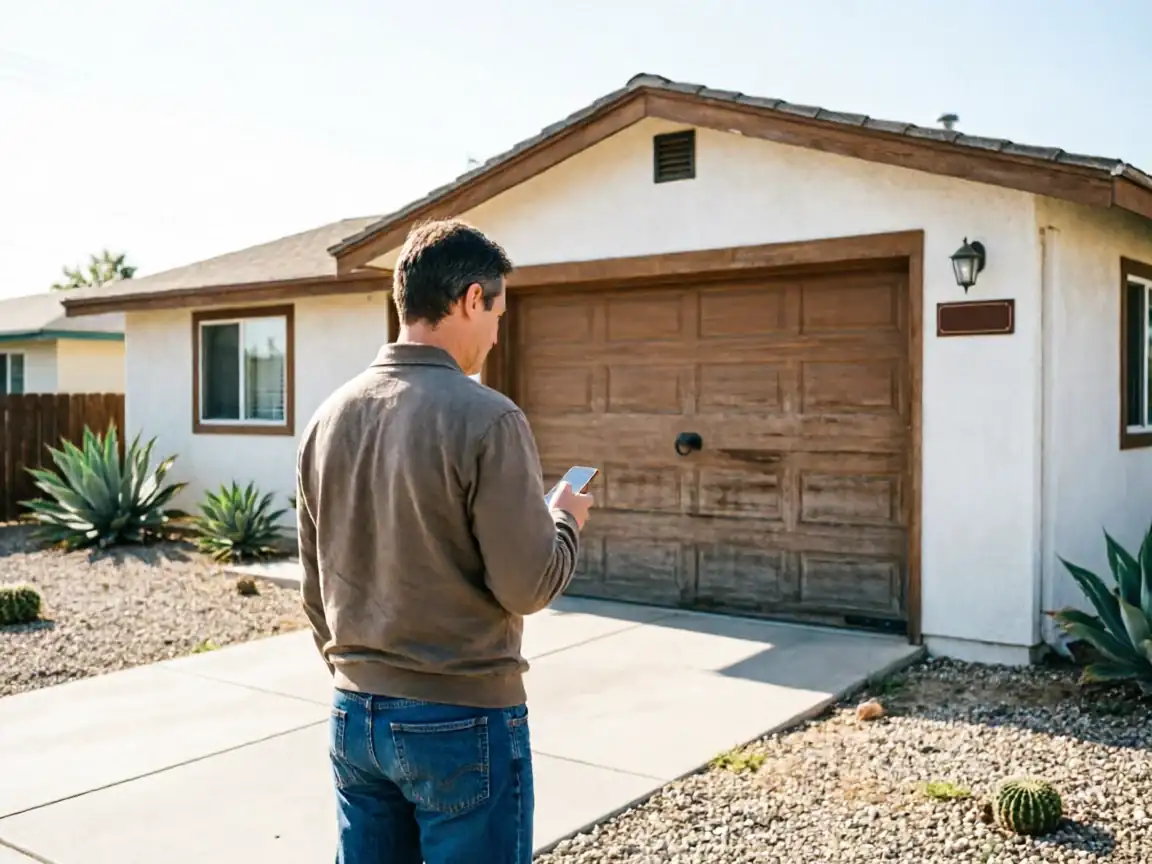
We can't give you a number without seeing the door, and that's not a dodge - it's the honest answer. A door that's slipped off one roller on a newer track costs a lot less to fix than one where the track itself is bent or the bracket has pulled loose from a jamb that's shifted over fifty-plus years. Yuba City's housing stock runs from 1944 up through 2007, with most of it built in the 1960s and 70s, so a good chunk of the tracks we see are original to the house. Parts for that era of hardware - specific roller gauges, older bracket styles - aren't always sitting on a shelf at the supply house the way current stock is, and that can add a day to a job if we have to special-order. If your door is newer, repair is usually straightforward. If it's original 1960s-70s steel track that's rusted or bowed, we'll tell you straight when replacing the track costs about the same as patching it, because patched bent track rarely stays true for long.
The Problem
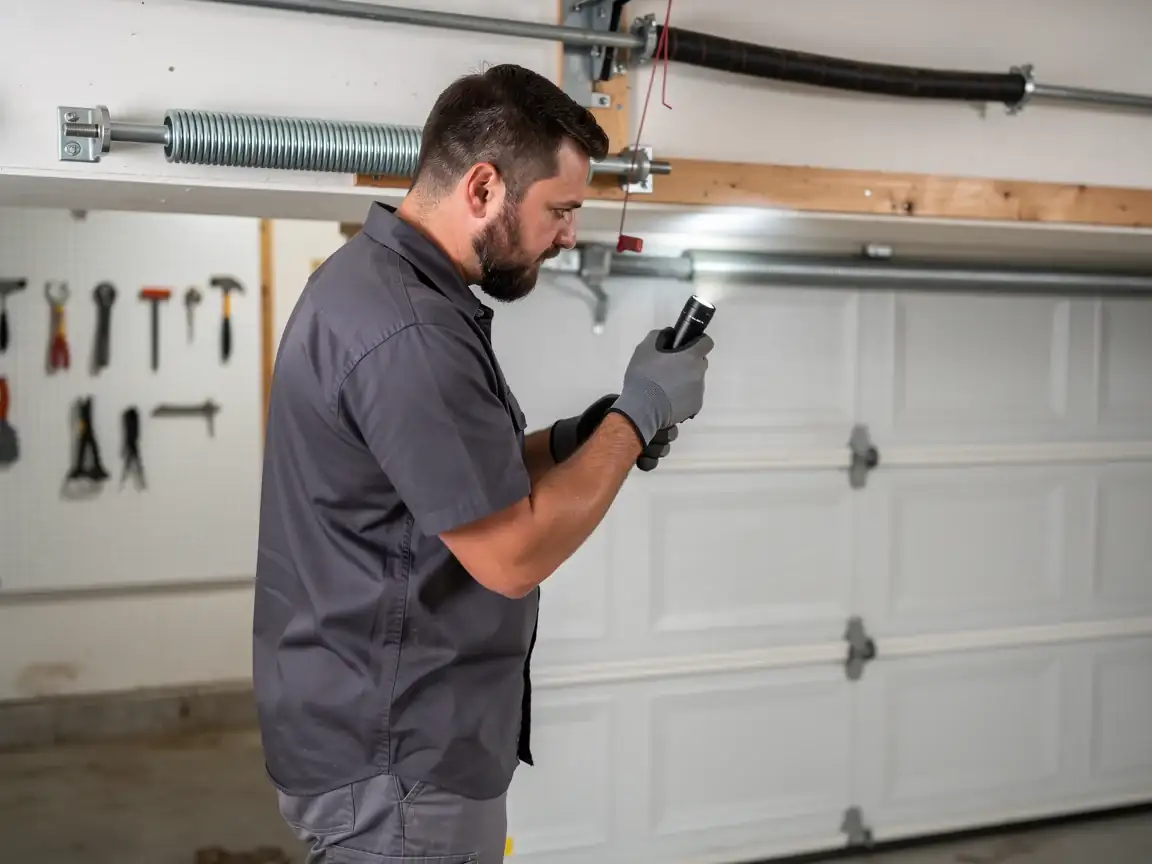
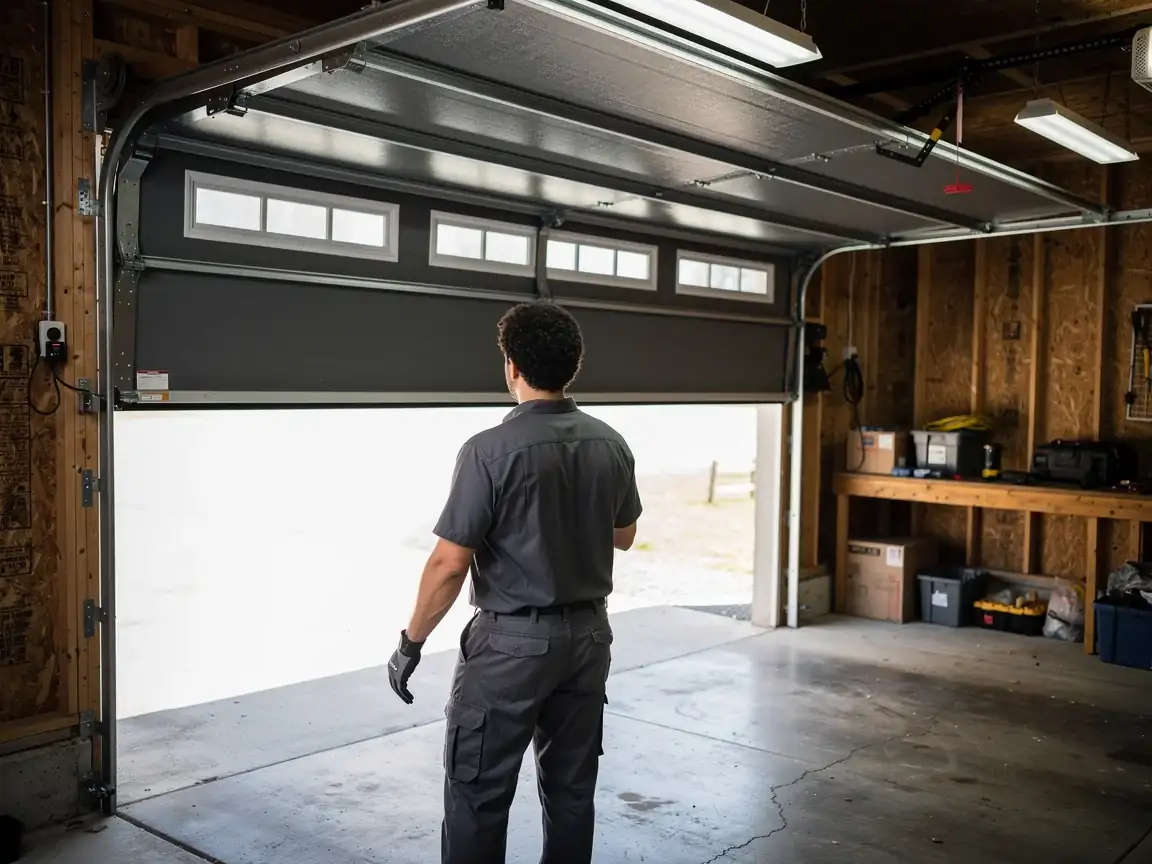
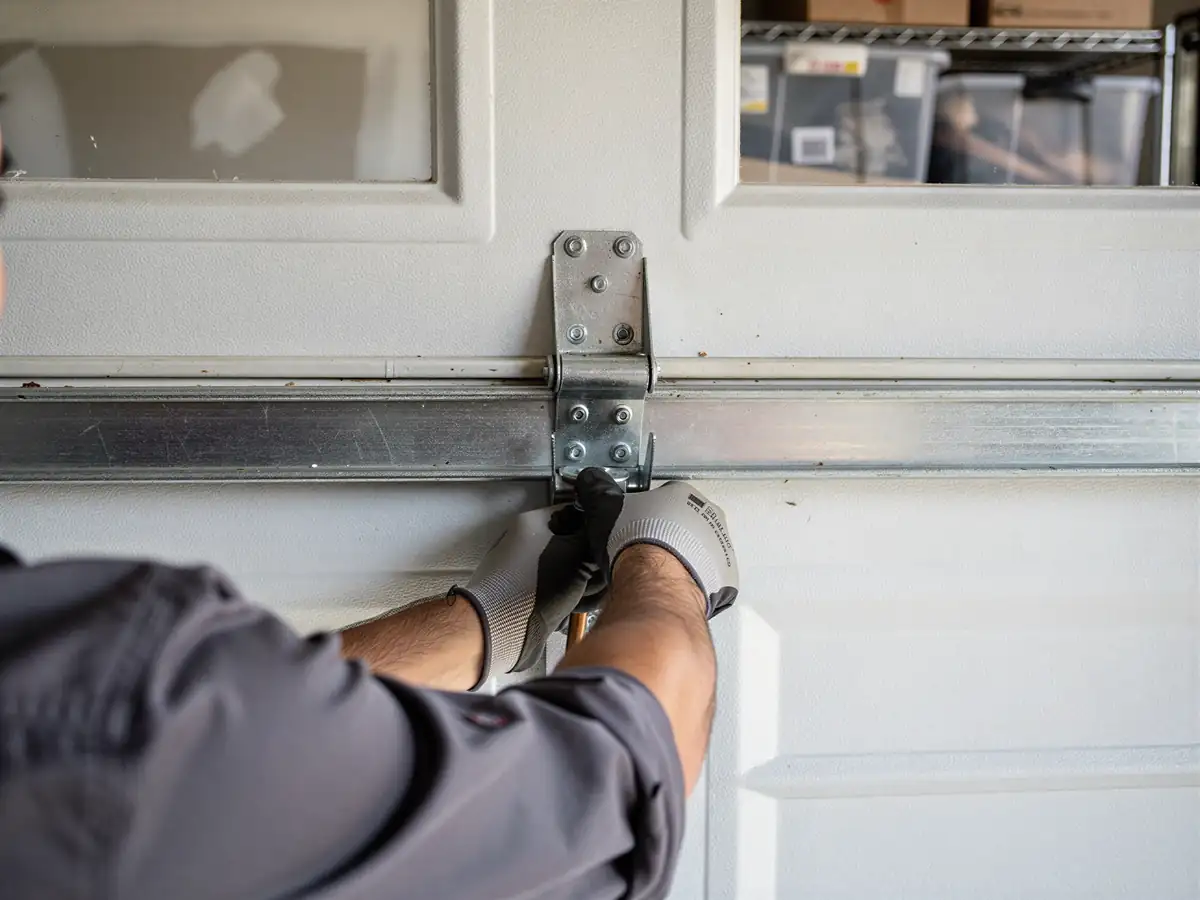
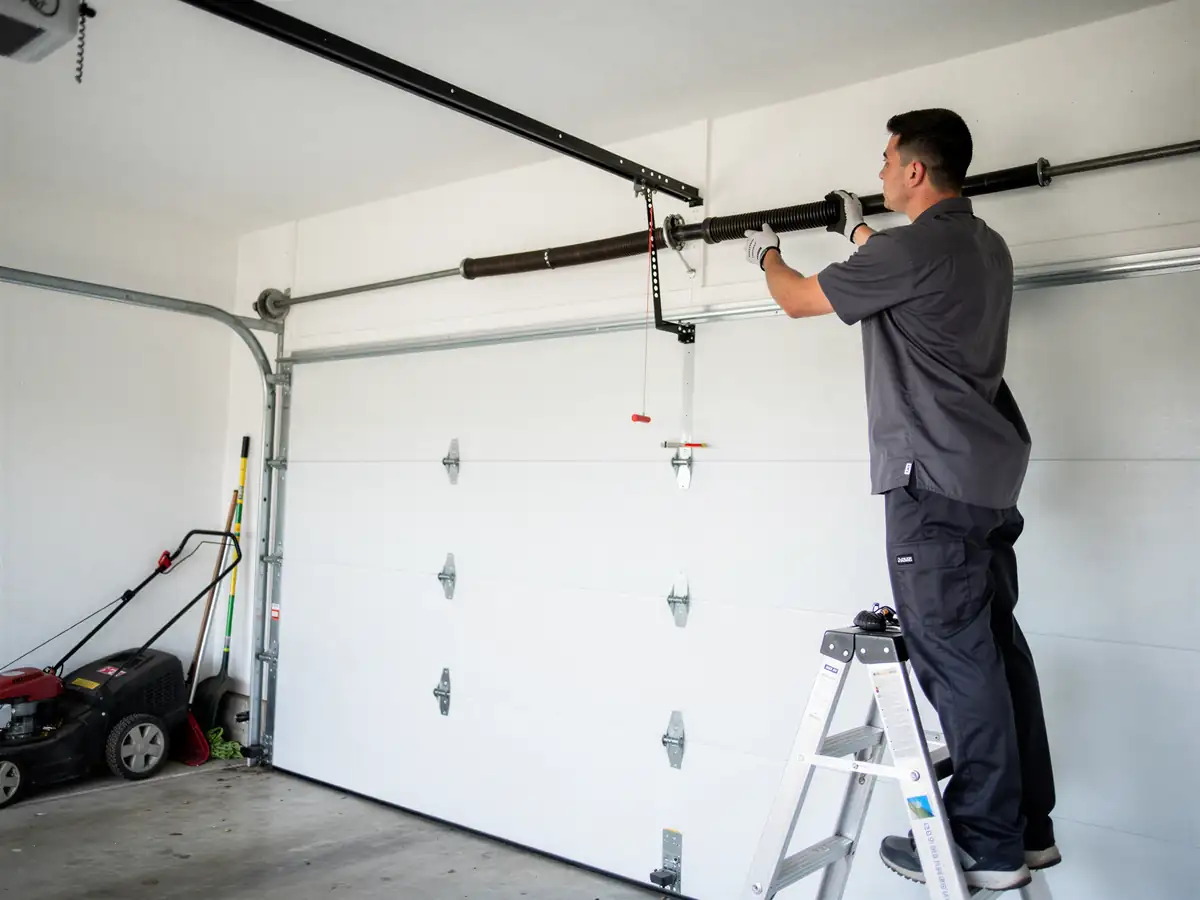
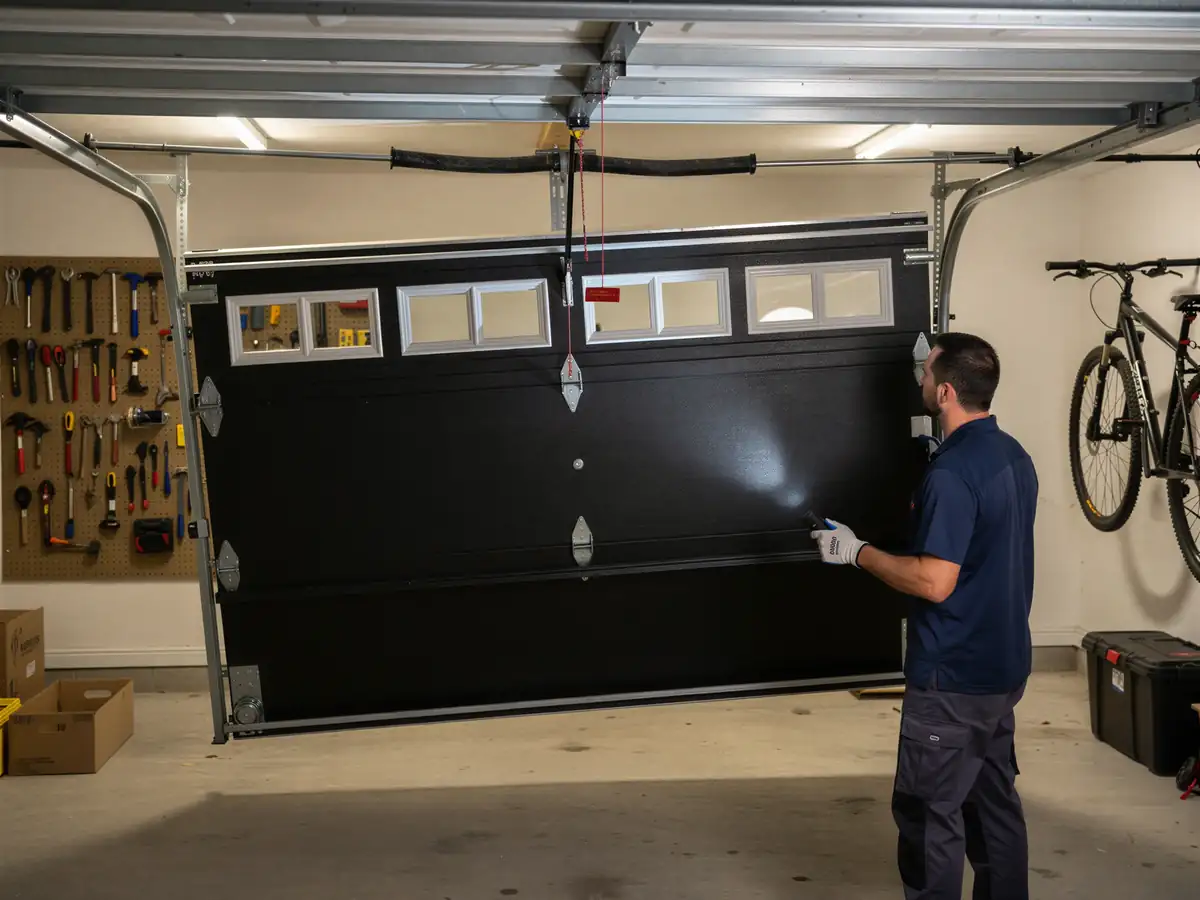
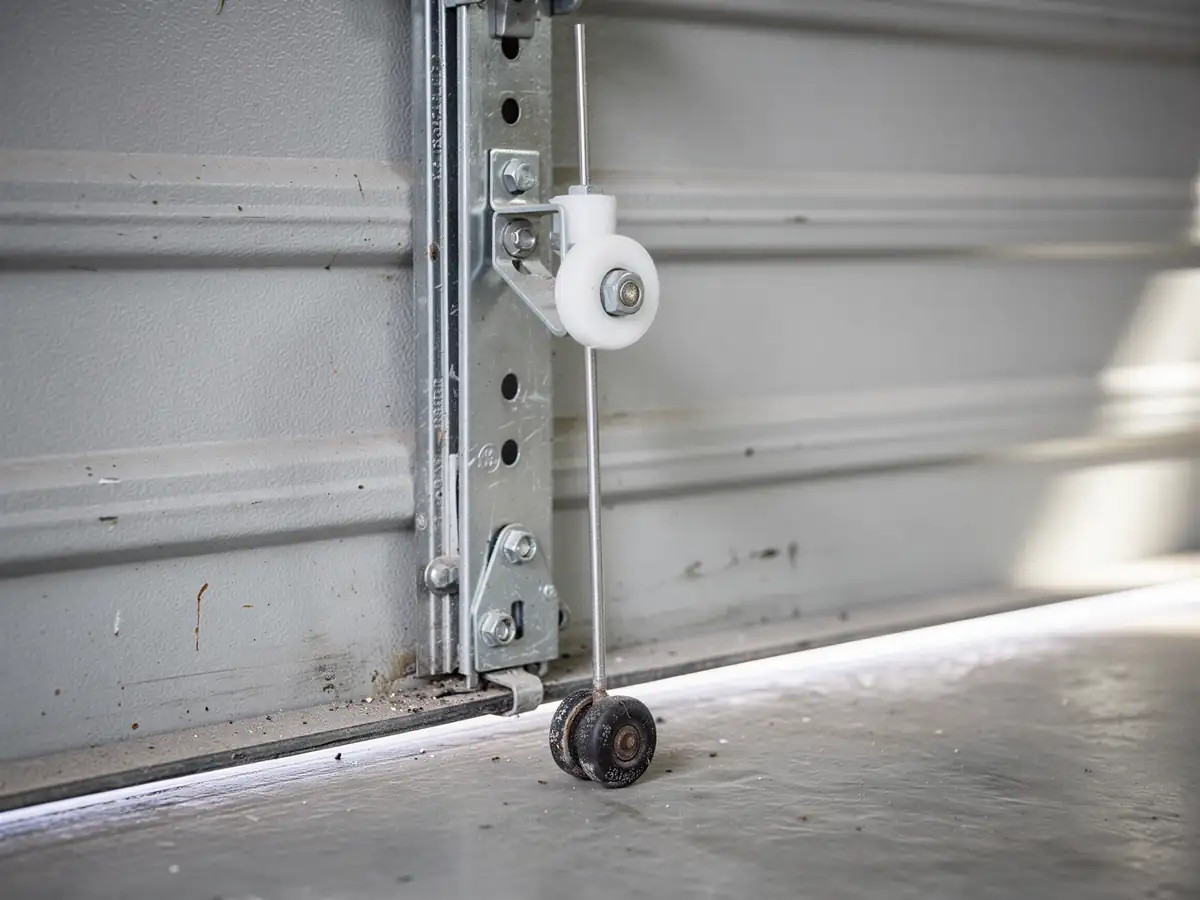
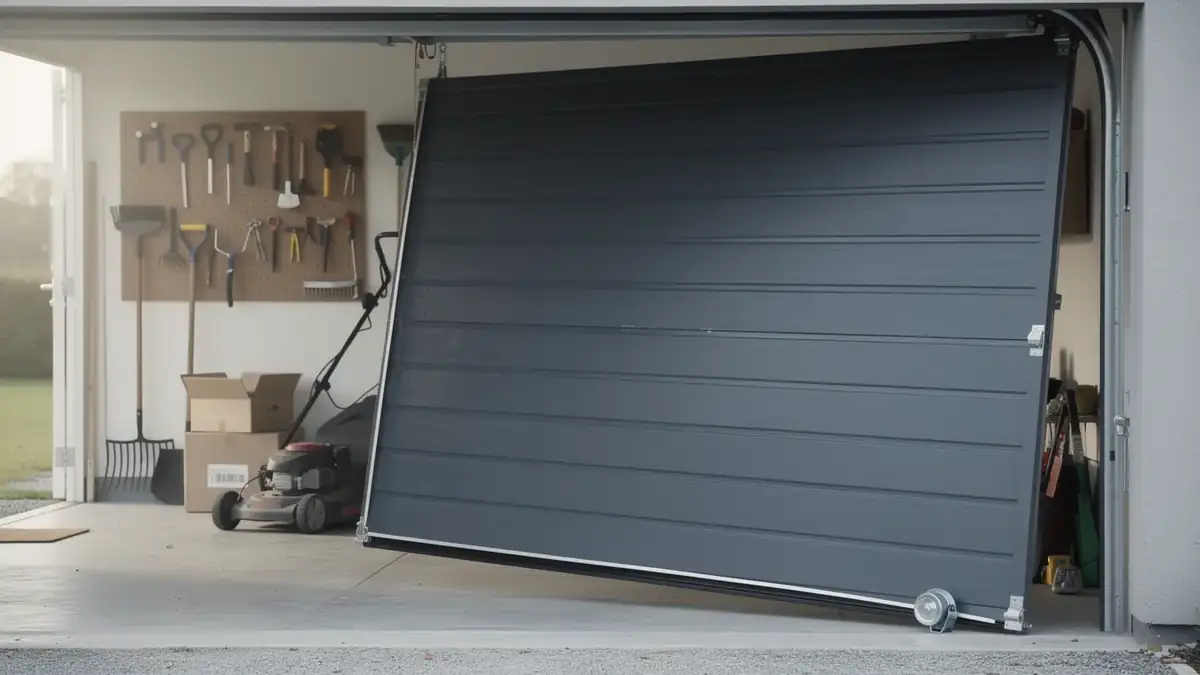
A door goes off track for one of a few reasons, and in this town the age of the hardware matters as much as what caused the slip. Loose brackets are the most common culprit - the lag screws holding the track to the jamb work themselves loose over decades of the door cycling open and shut, and in houses built in the 1960s and 70s that's a lot of cycles. Bent track from a car bumper or a dropped item is the obvious one. Worn rollers are the sneaky one: a roller that's egg-shaped from age lets the door wobble sideways until it finally jumps the rail entirely. We also see track that's gone slightly out of true just from the building settling, which is common in homes from this era that were built before current foundation standards. Once a door jumps the track, don't force it back by hand - the cables and springs are still under tension and a door that looks still can move fast. Shut it down, unplug the opener if it's powered, and call.
How Local Conditions Play In
Yuba City sits in a climate band that federal data classifies as severe heat, and that heat does real work on a garage door over a season. Steel track expands as temperatures climb and contracts again overnight, and on track that's already a little loose at the brackets - common in the 1960s-70s stock that makes up most of this area's housing - that daily expansion and contraction is enough to walk the screws looser and nudge the rail out of true. Wood jambs do the same thing, swelling slightly in the heat and pulling the track bracket with them. We see more off-track calls in the hottest stretch of summer than any other time of year, and it's rarely one dramatic event - it's months of thermal movement on hardware that was installed for a house built decades ago, finally catching up. Insulated doors handle this better than old uninsulated steel panels, which is one reason replacement sometimes makes more sense than another round of track repair on an original door.