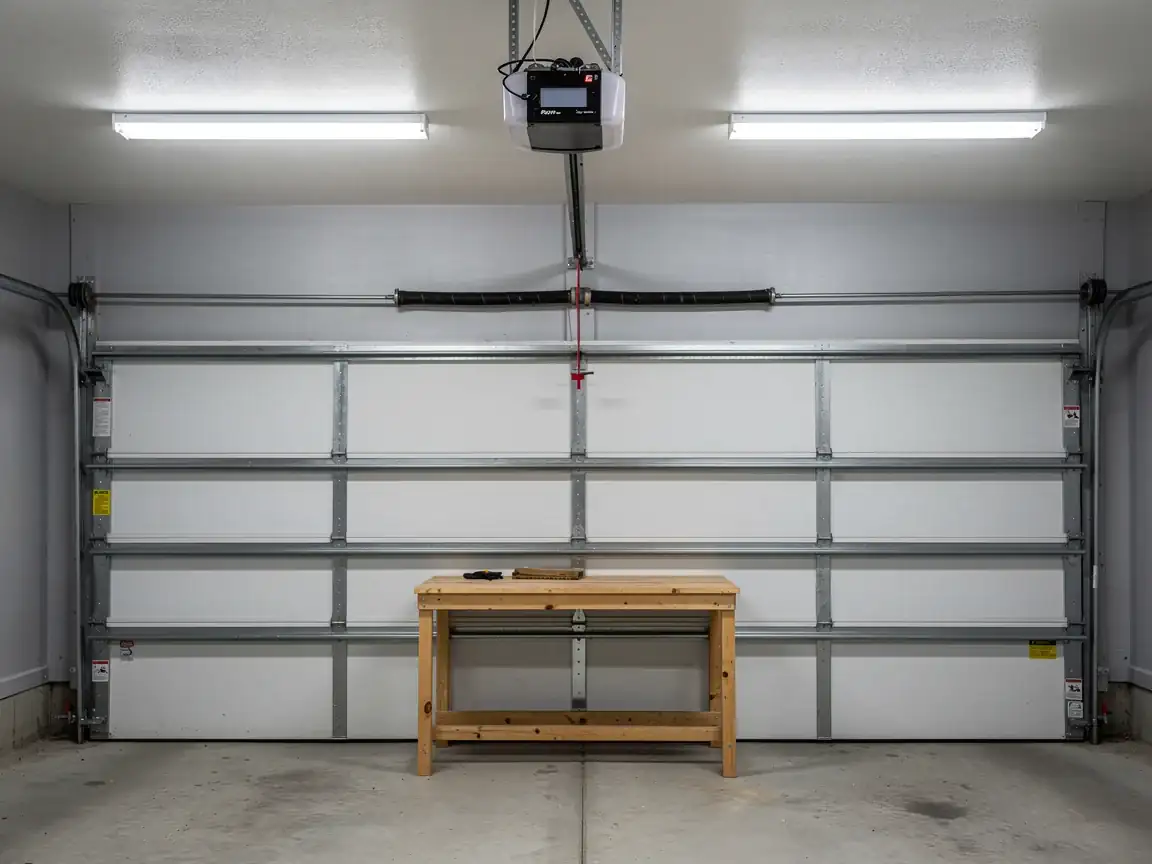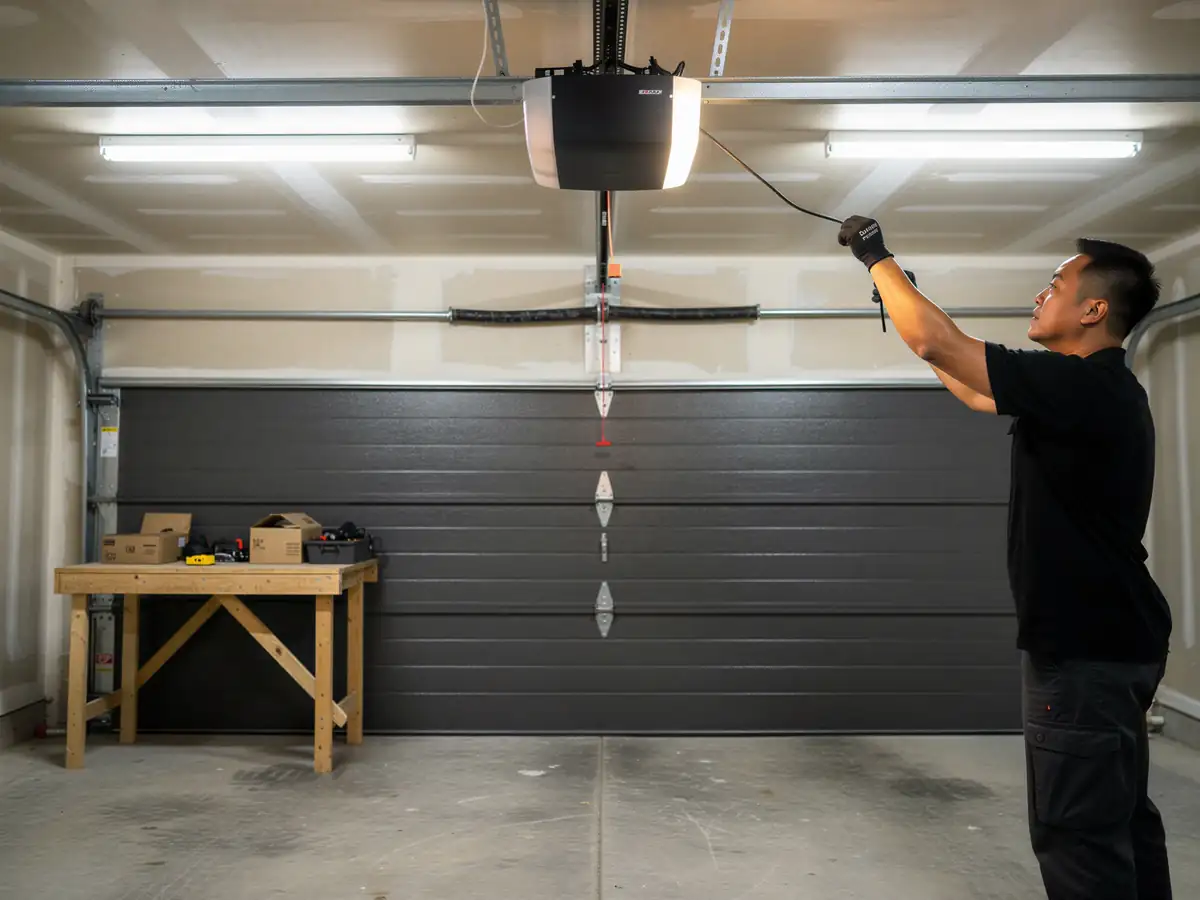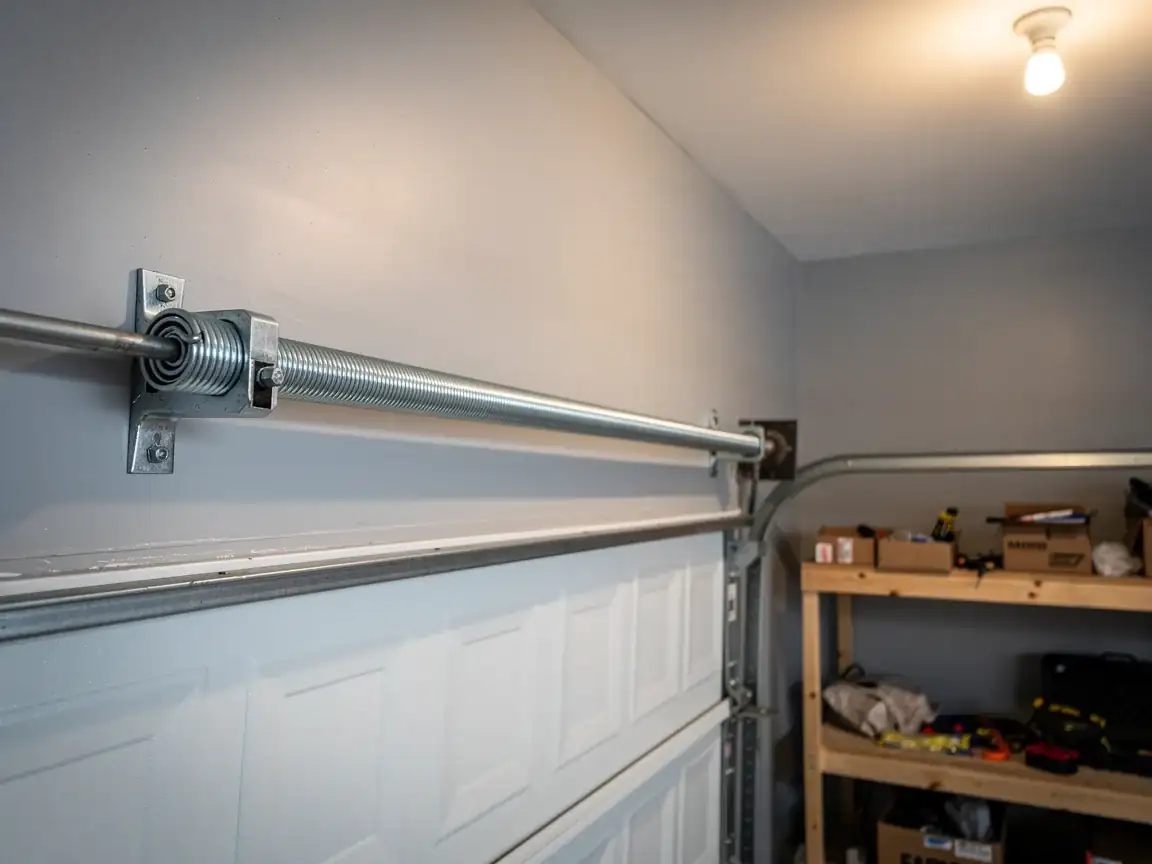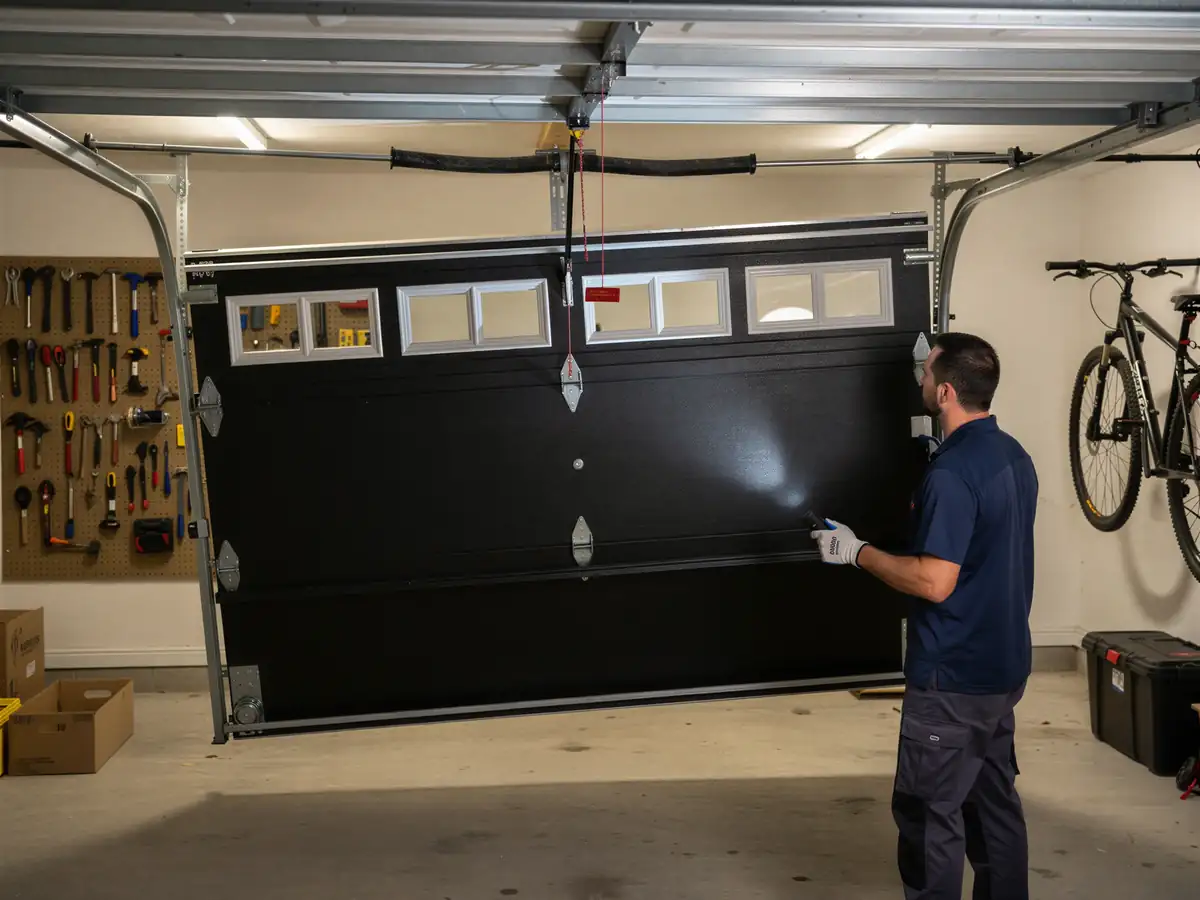
What You Pay
We can't quote a spring job over the phone without knowing the door. A single torsion spring on a lightweight steel door costs less to fix than a matched pair on a heavy insulated double door, and extension-spring setups price differently than torsion. The number also moves if the drums, cables, or center bearing went out along with the spring, which happens more often than homeowners expect once a spring that's been wound and unwound for decades finally lets go.
Across the service area's 15,263 owner-occupied houses, household income runs a median of $80,104, and most calls we get are from people who want the door fixed, not replaced, when a spring snaps. That's usually the right call for a spring alone. Where the math changes is when the spring failure is really a symptom of a door that's near the end of its life - bent track, rotted bottom panel, opener motor already straining. We'll tell you straight if that's what we're looking at instead of just swapping the spring and sending you a bill you'll see again in a year.
One honest limit: oversized or odd-length torsion springs for less common door widths sometimes have to be special-ordered, and that can push the timeline out a day or two beyond a standard same-day fix.
What You Are Seeing
The door won't budge, or it only lifts a few inches before the opener strains and stops. Sometimes it's louder than that - a bang from the garage, like something let go, and now the door is dead weight. If you try to lift it by hand, it feels like it weighs twice what it should, because it does: the spring is what was carrying that weight, not the opener.
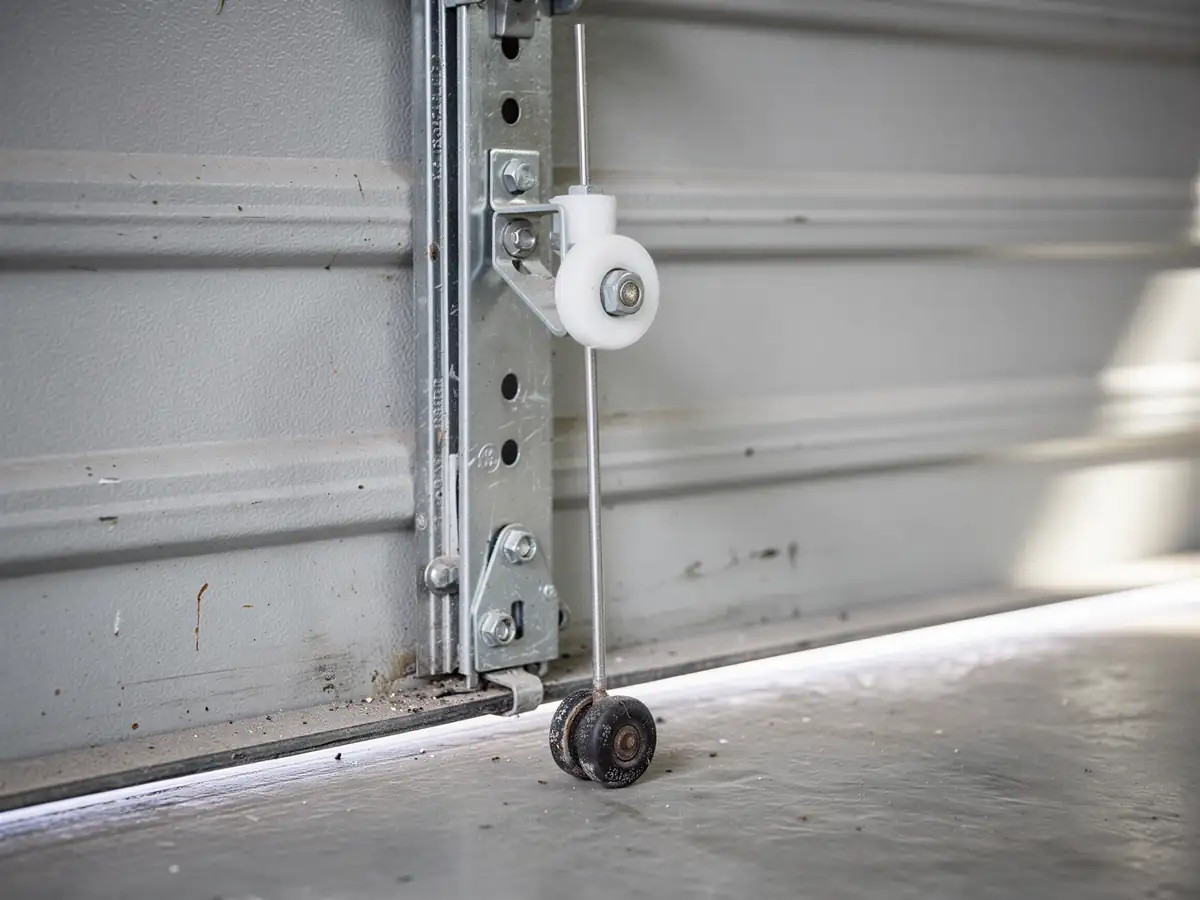
Other times it's slower to show. The door starts to hang crooked, dropping faster on one side, or one cable looks slack while the other is tight. That's usually one spring of a double-spring torsion set giving out while the other is still holding on, which is its own problem - running a double door on a single working spring stresses everything else in the system fast.
If the opener is grinding, clicking, or tripping the breaker trying to force a door that won't move, stop running it. Forcing a dead-spring door with the opener is the fastest way to turn a spring repair into a track, opener, and spring repair.
What Causes It Around Here
Housing across this area was built mostly between 1944 and 2007
With the heaviest concentration going up in the 1960s and 1970s across the 16 communities we work in. A lot of those garage doors are still running original or first-replacement torsion hardware, and torsion springs have a rated duty cycle - a number of open-close cycles before the steel fatigues, not a calendar date. Houses from that era are well past it.
- 16 communities
Yuba City sits in a severe-heat climate band
And that heat is doing more to the spring than most owners realize. Steel expands and contracts with the daily heat swing, and a garage that sits closed and bakes all afternoon puts that spring through more thermal stress than one in a milder climate would see. Combine 1960s-70s steel that's already near its cycle limit with decades of heat cycling, and you get springs that let go without much warning - not because anyone did anything wrong, just because the clock ran out.
This is also why spring failures tend to cluster by neighborhood and build year
Houses from the same development, put up in the same few years, tend to fail within a similar window of each other.
The Complications
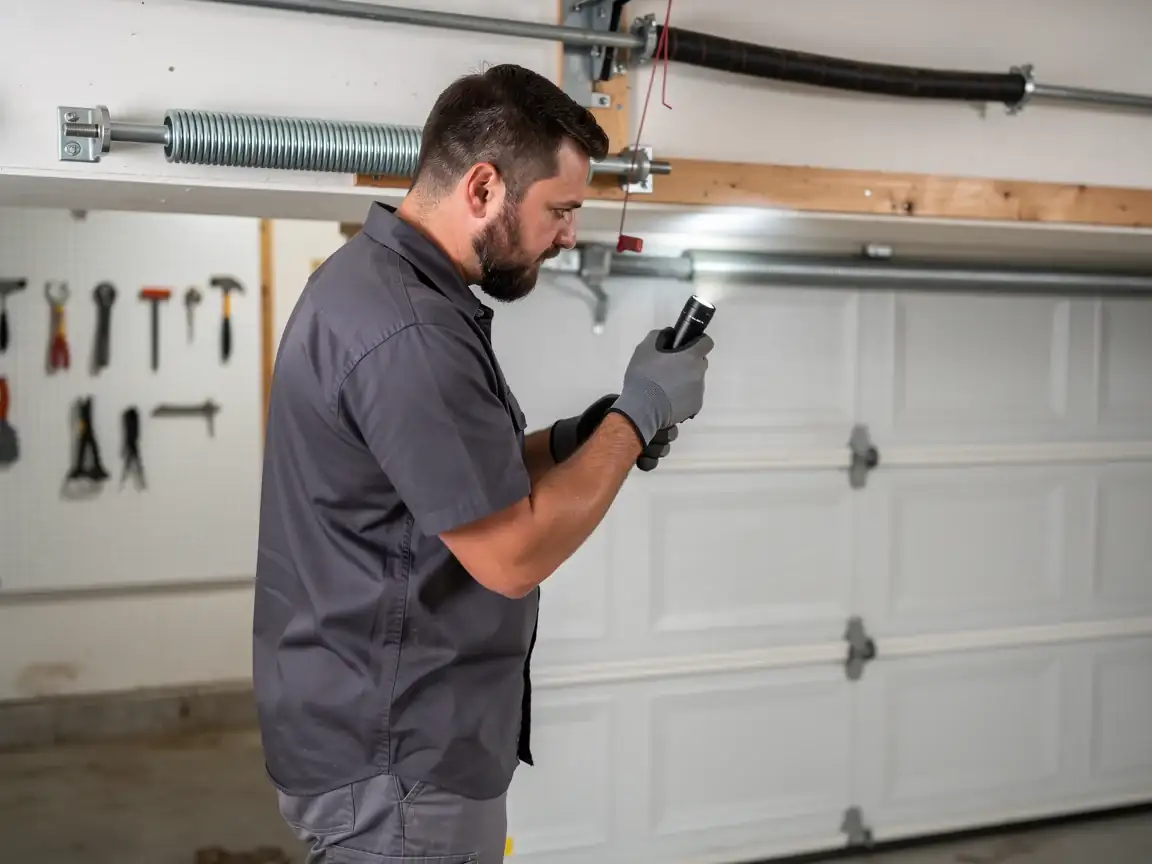
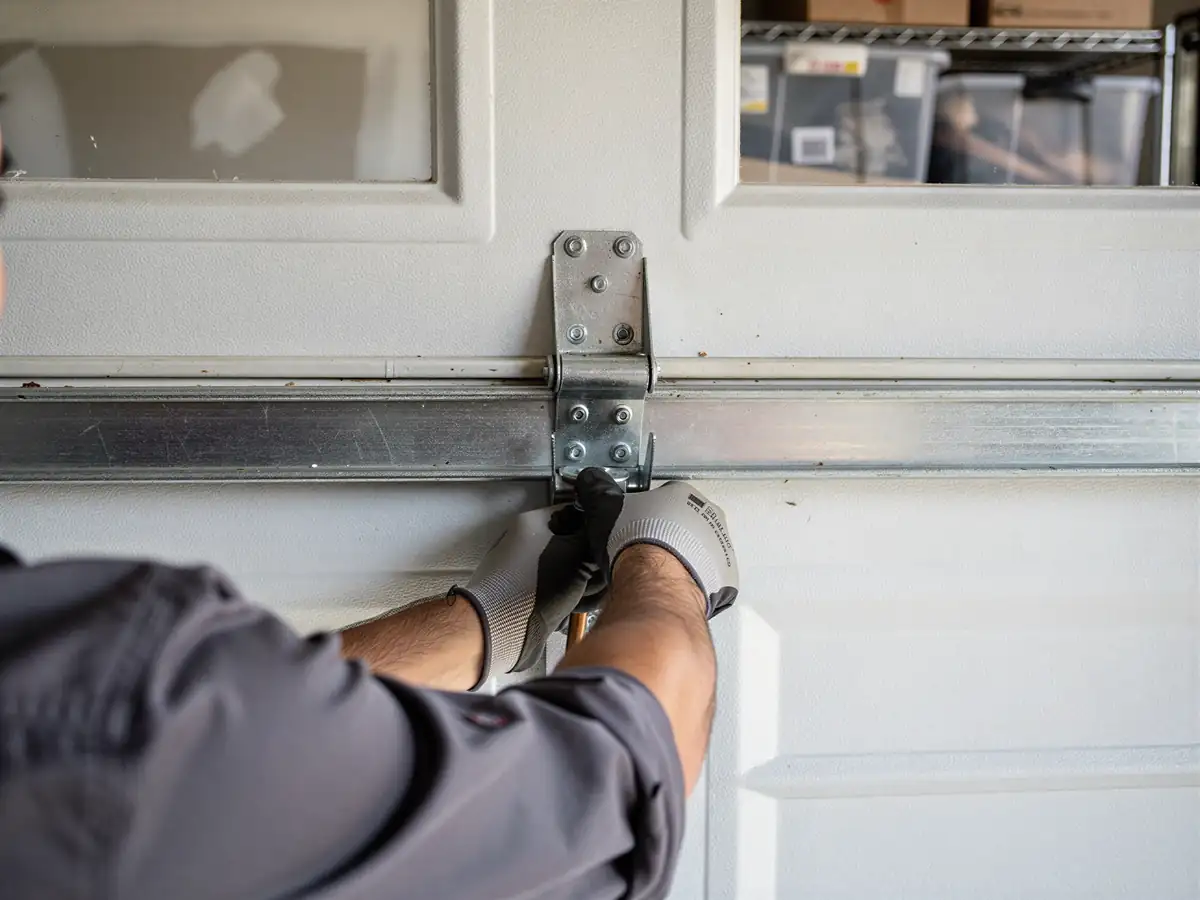
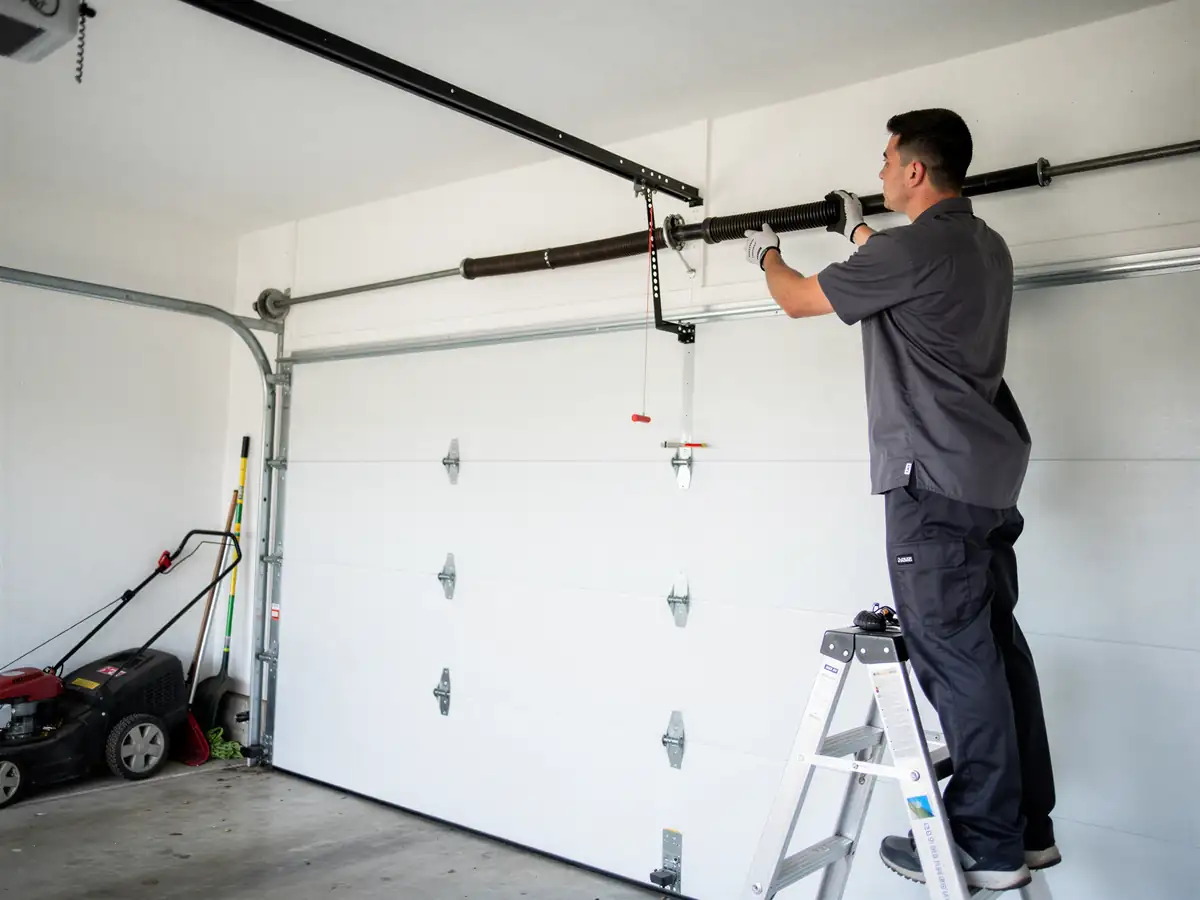
Double doors with two torsion springs need a matched pair - installing one new spring next to one old one puts uneven tension on the door and wears out the new one fast along with everything else. If a homeowner's had one side replaced before without the other, that mismatch is often the actual reason a "new" spring failed again early.
Older extension-spring setups, common on houses from the 1960s and 1970s stock still standing across this area, often don't have containment cables running through the springs. That's a safety gap on a part that stores a lot of tension, and it's worth fixing at the same time as the spring itself rather than putting the same unsafe setup back.
Parts availability is the other wrinkle. Original spring sizes on houses from the 1944-2007 build range aren't always something we carry on the truck, especially on wider or taller doors, so a nonstandard size can mean a short wait instead of a same-day finish. And if the spring failure cracked a cable drum or bent the center bracket, that's a separate part, not something bundled into a standard spring job - we'll flag it before we start, not after.