What That Means for Doors
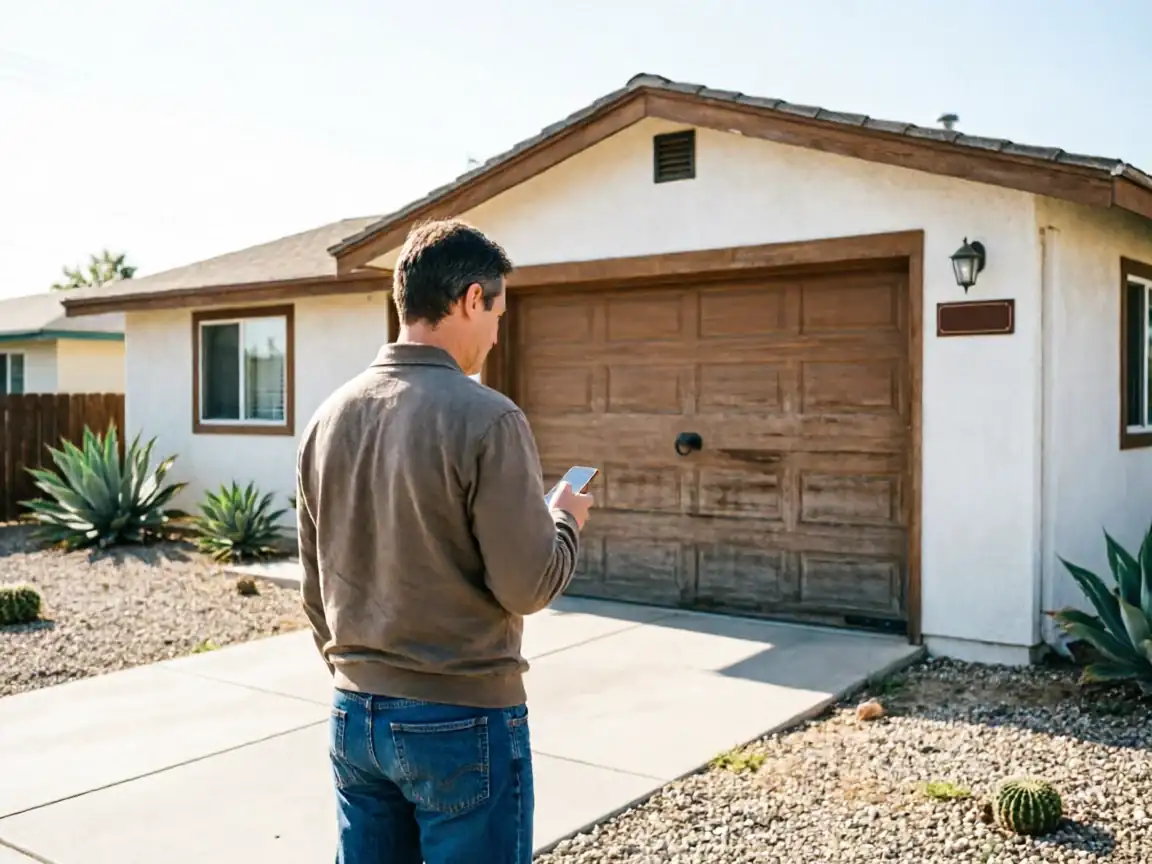
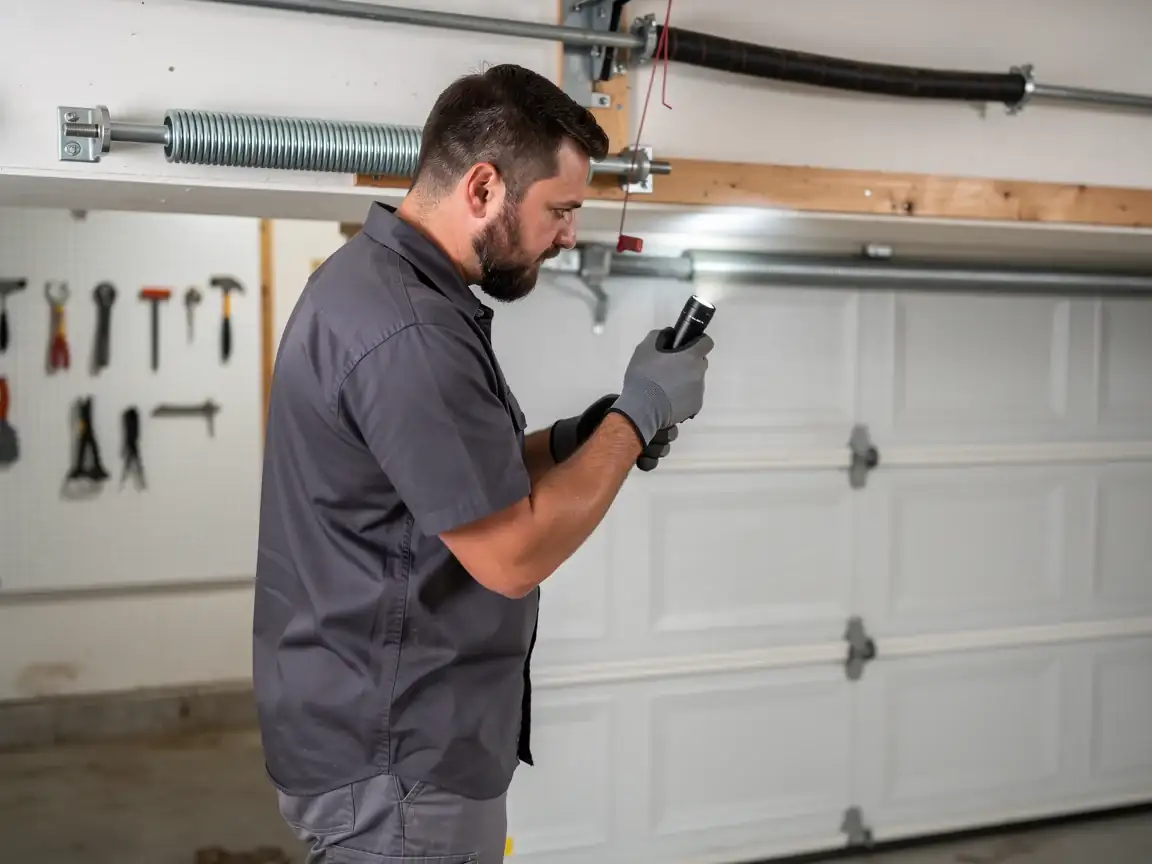
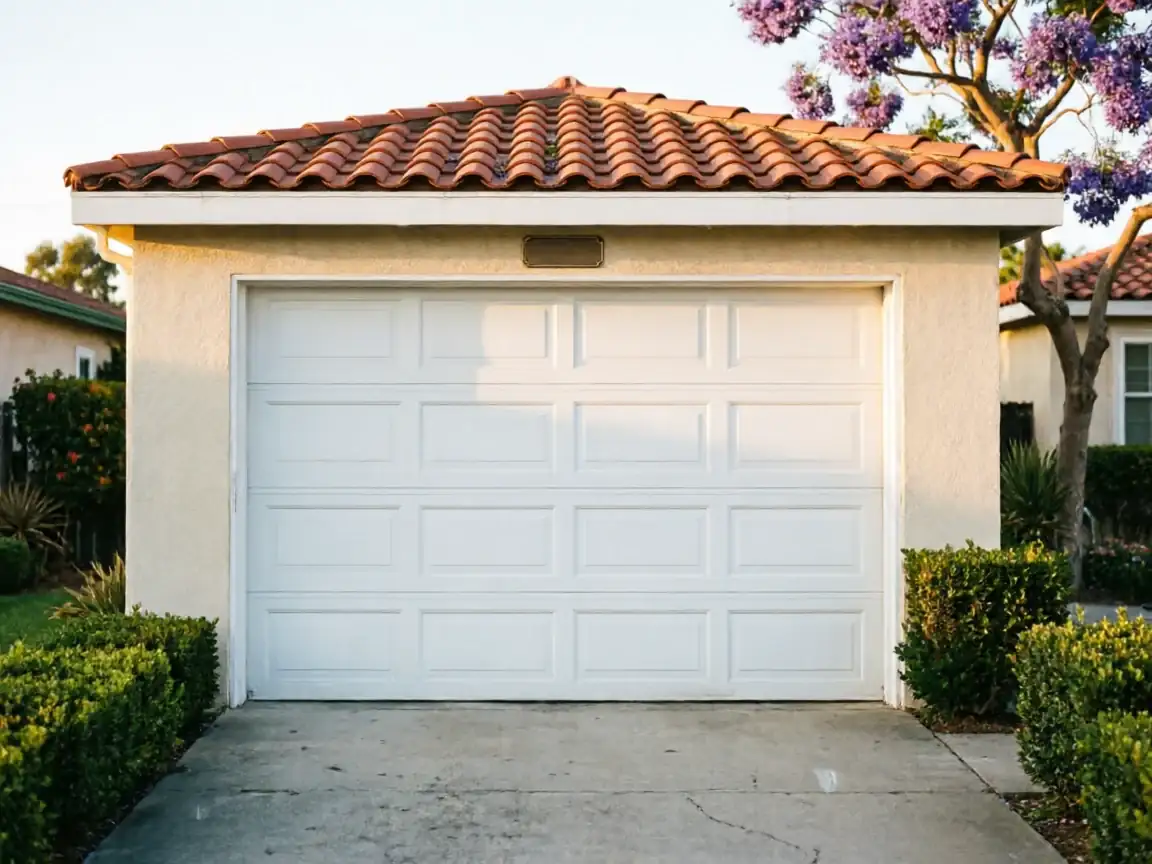
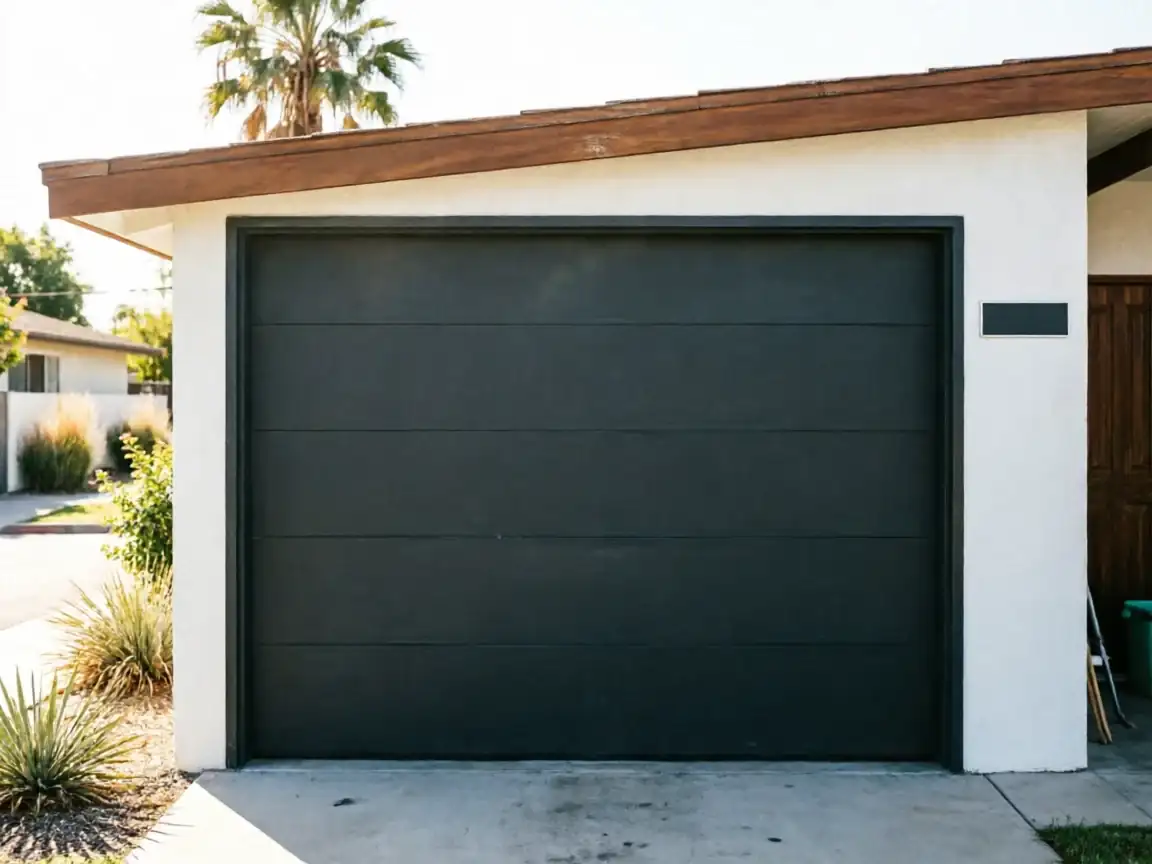
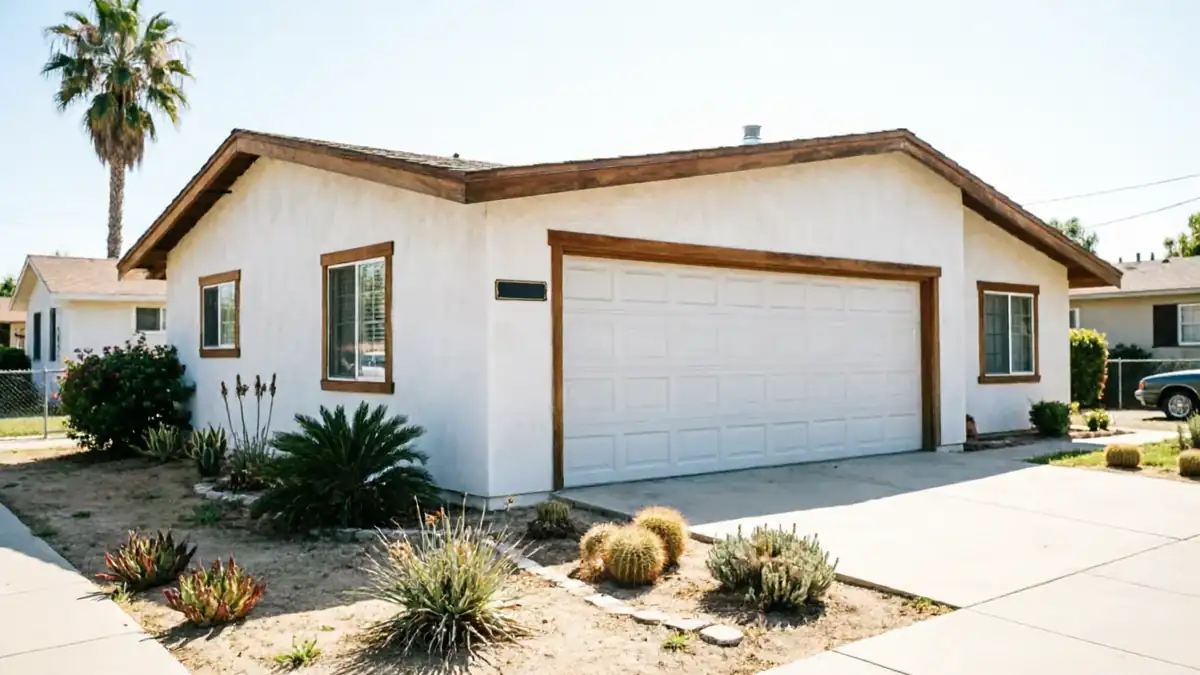
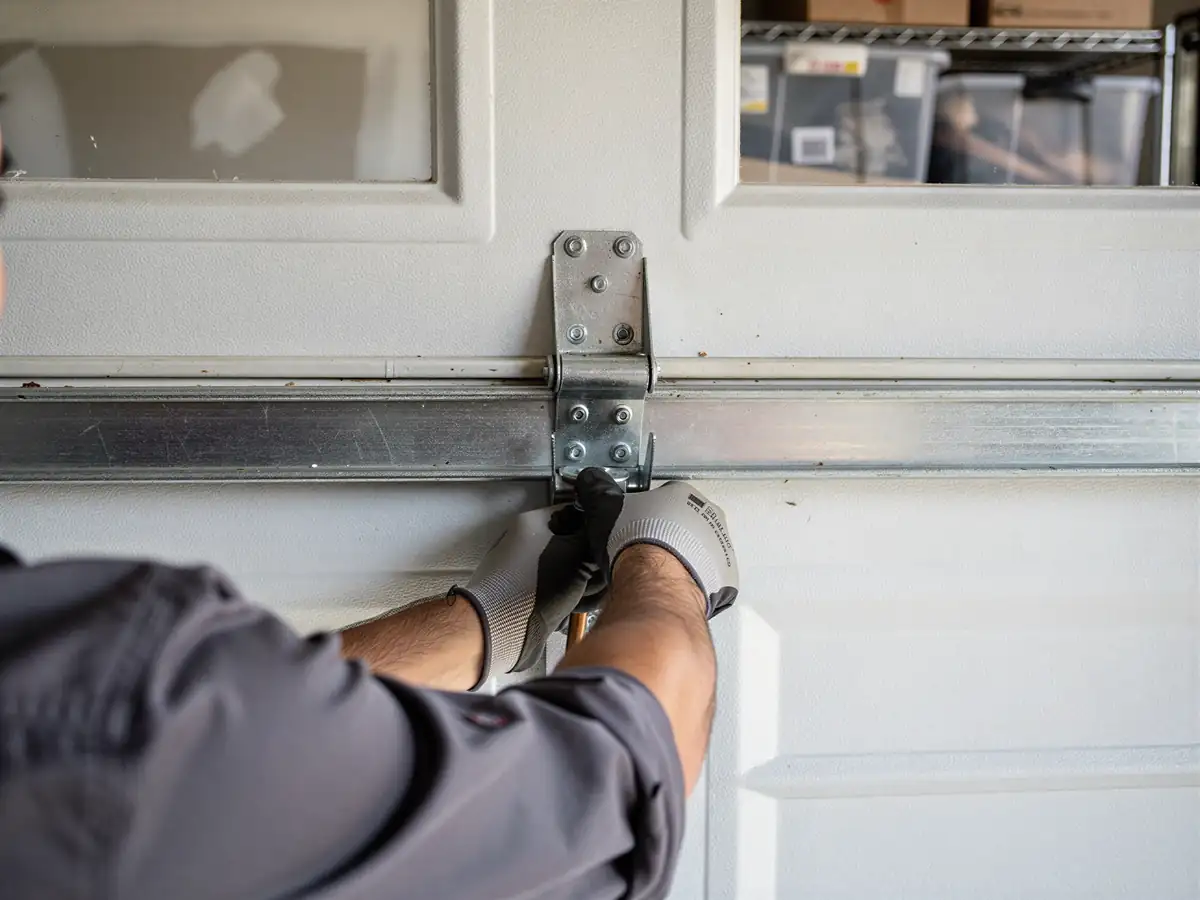
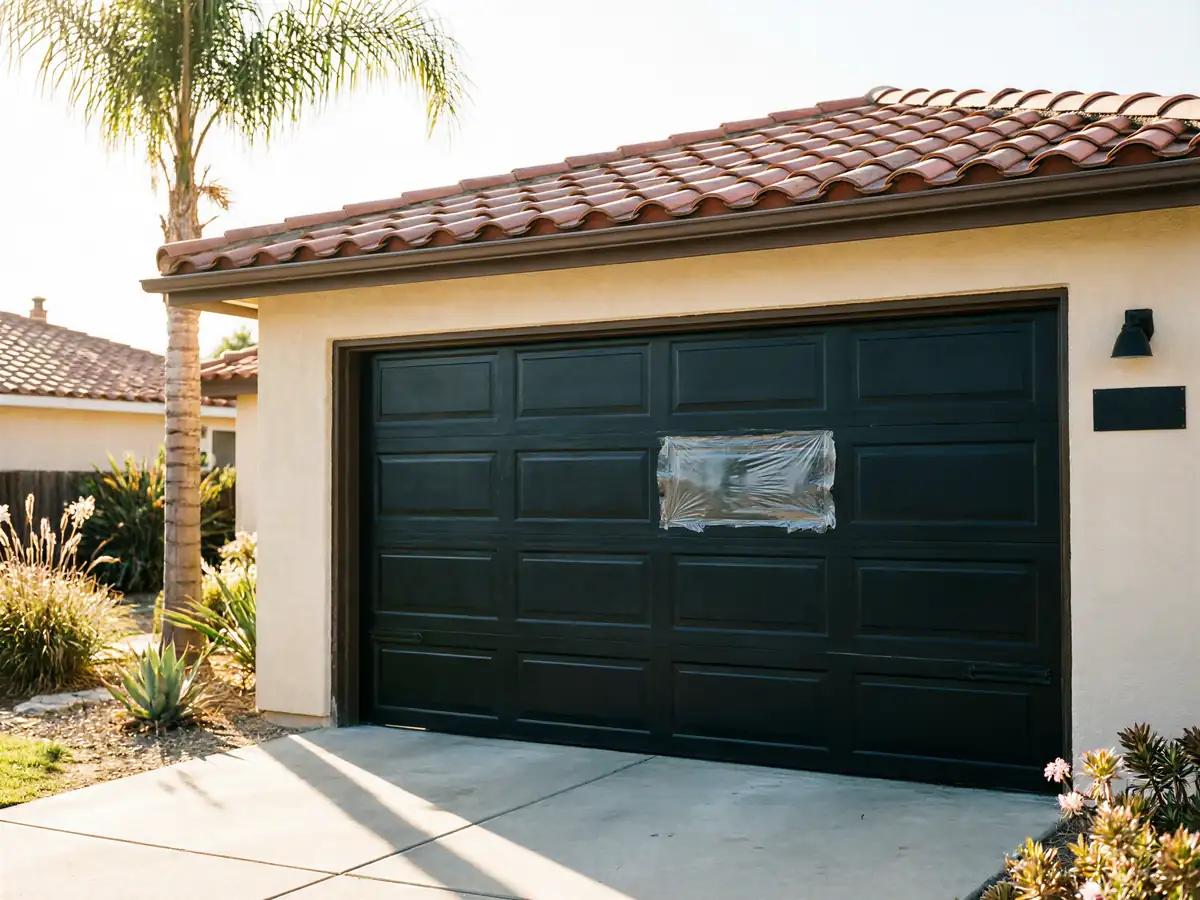
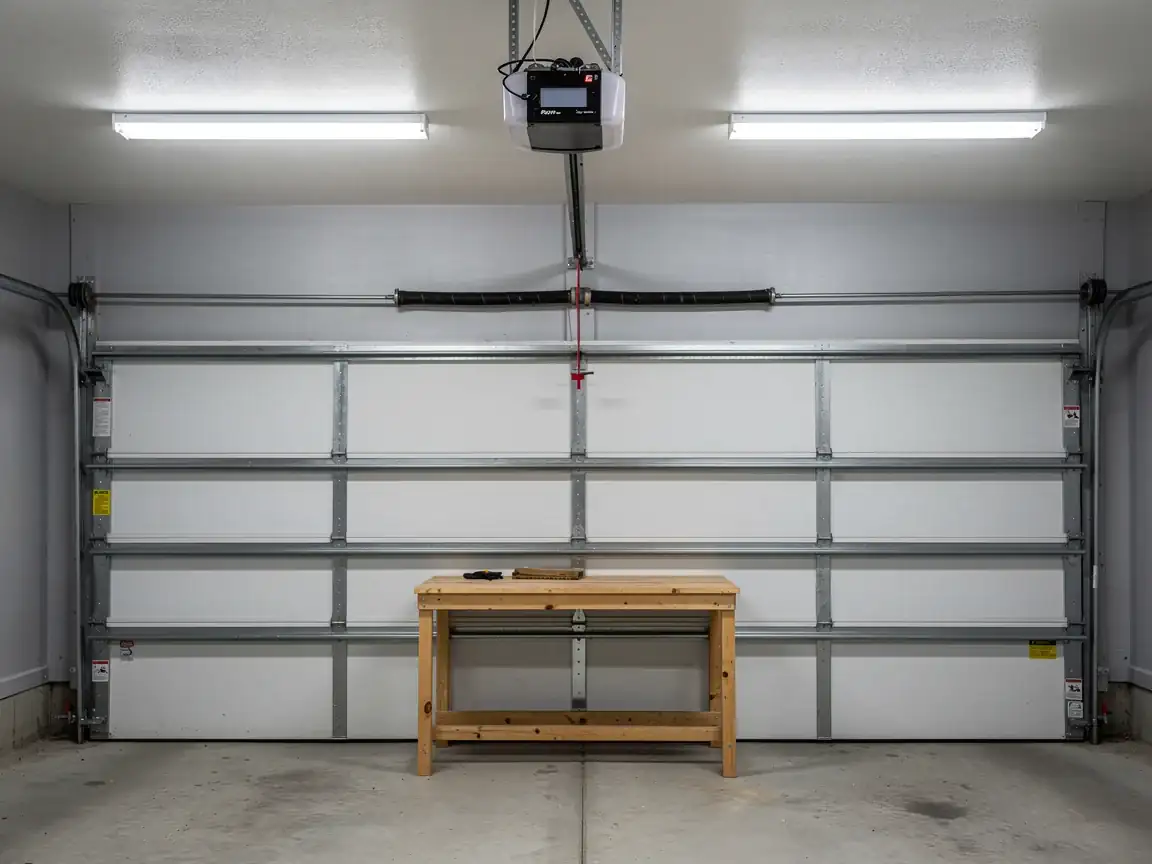
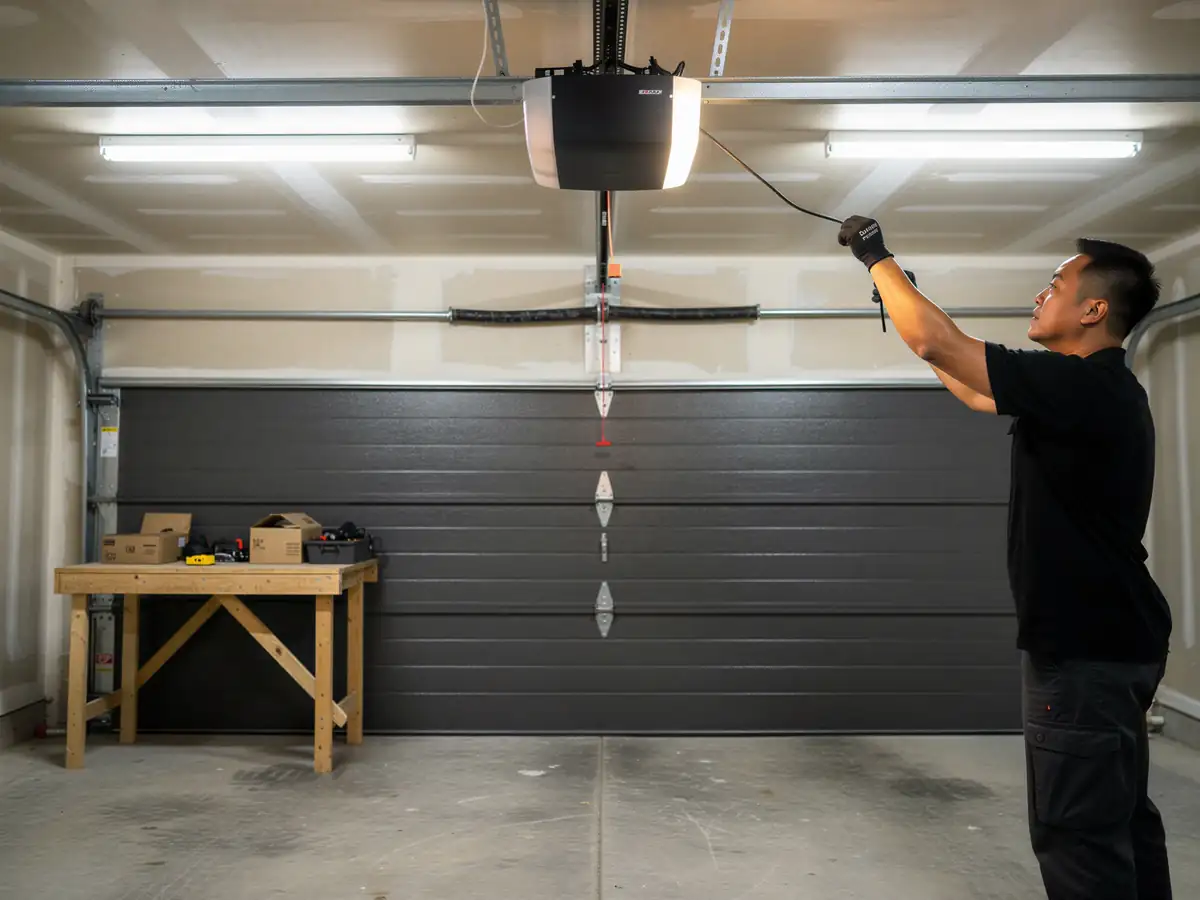
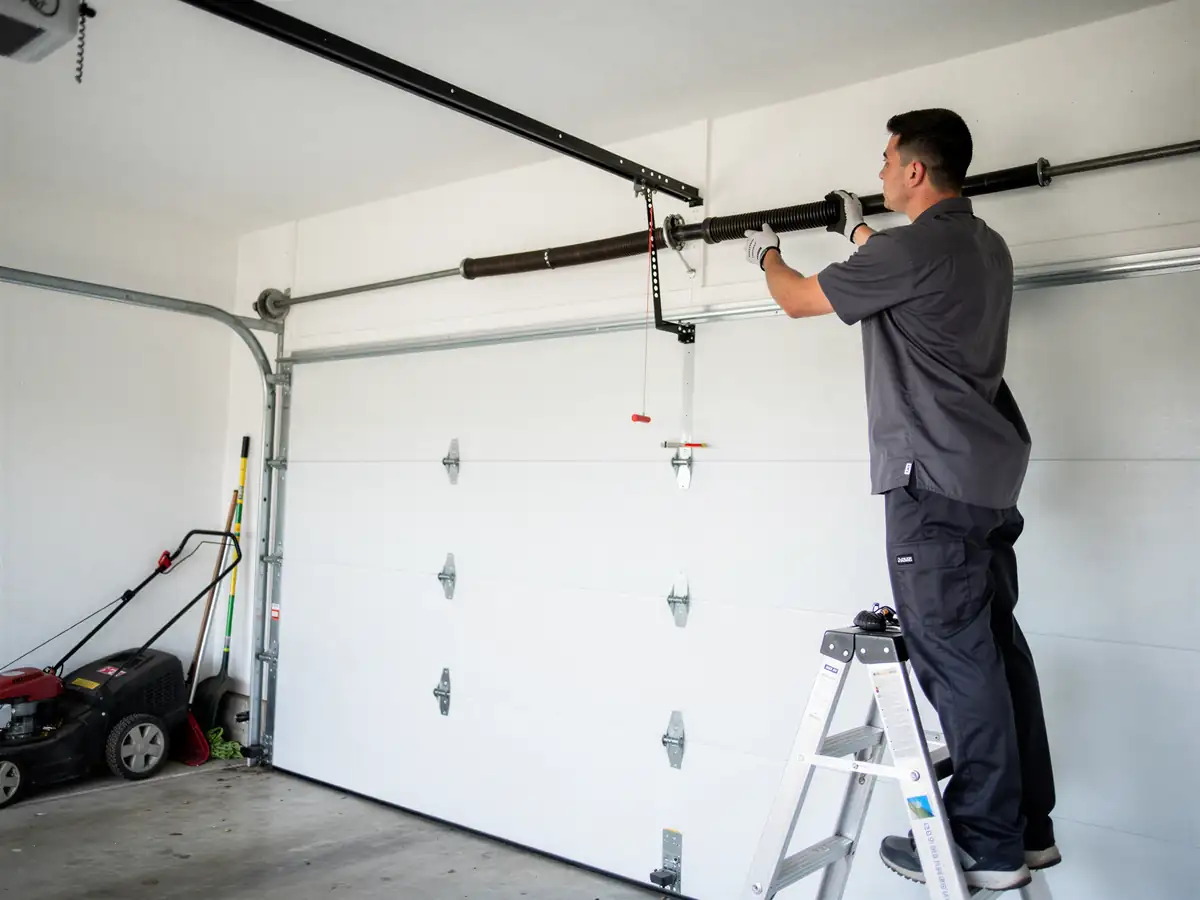
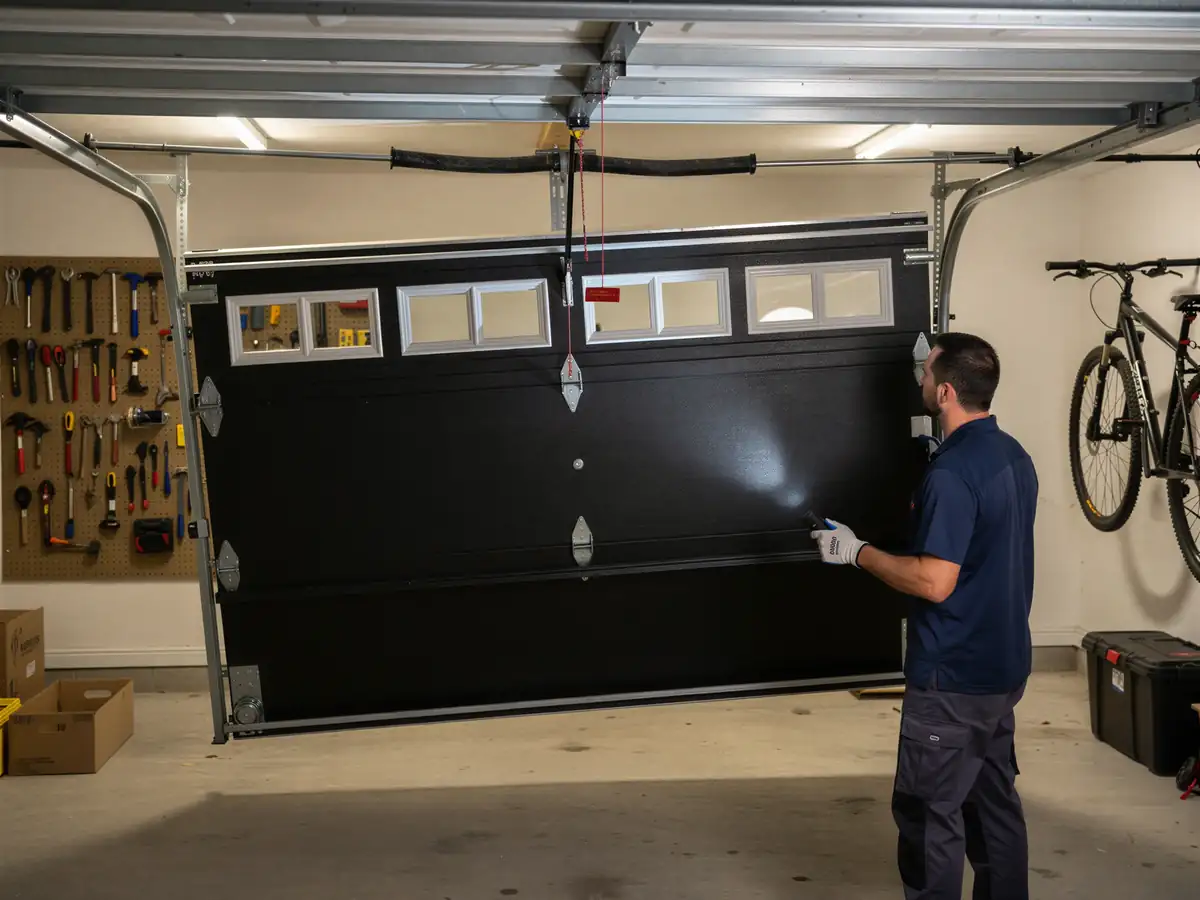
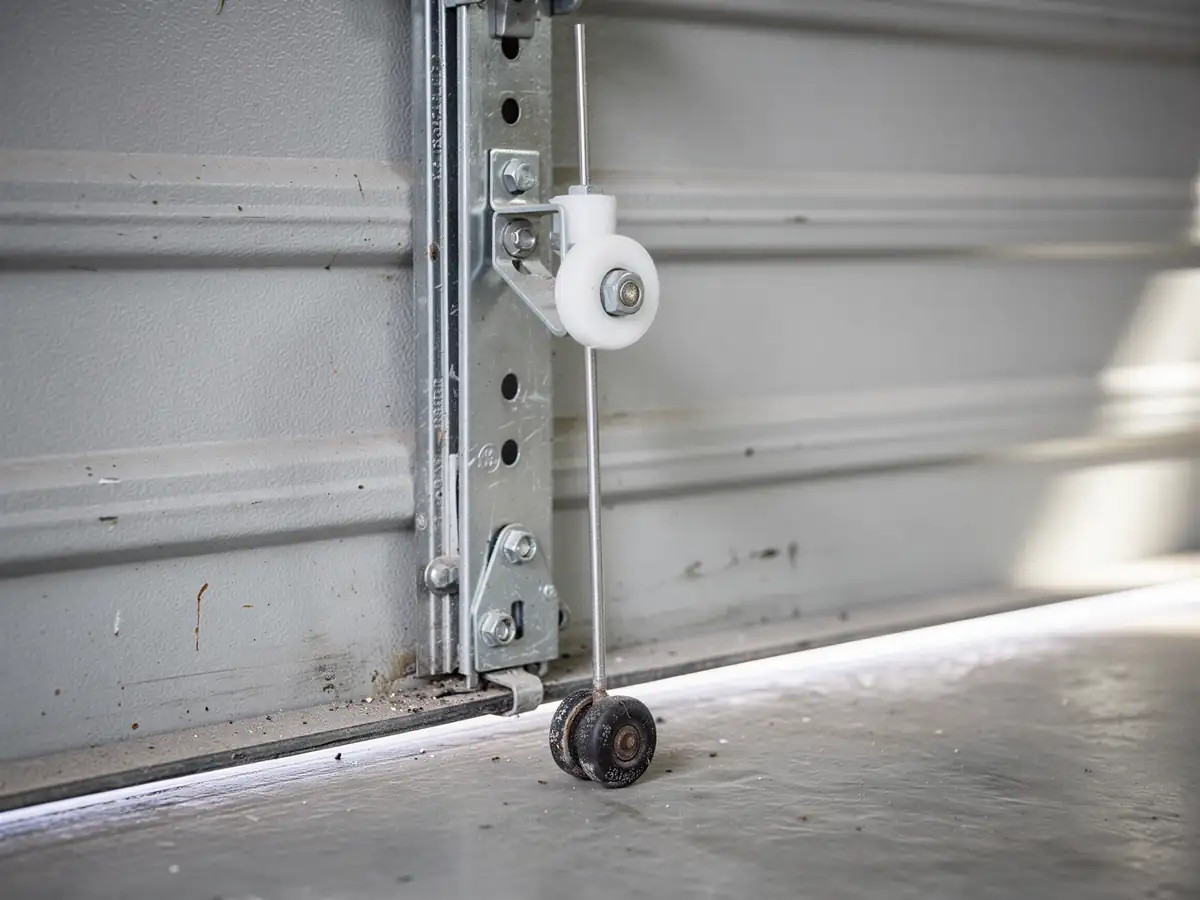
Olivehurst's median home was built in 1983, which puts it a few years past the broader area's 1979 median and squarely in a different hardware era than the older sections of Yuba City. Doors from this stretch tend to be steel sectional panels on extension spring systems rather than the older one-piece or torsion-bar setups you see in pre-1970s housing. That's mostly good news for parts availability - extension springs and standard roller tracks from the 1980s are still a size we can source without a special order. Where it gets tricky is the openers. A lot of these houses still run their original chain-drive unit from the builder, now 35-40 years old, with a logic board that no longer has a matching remote in production. When one of those fails, replacing the whole opener is usually cheaper than chasing a part for it. We also see more galvanized rust on these doors than you'd expect for their age - not from salt air, but from Central Valley summer heat cycling the metal and sweating condensation inside closed garages overnight.
The Drive Over
We run out of Yuba City, about 6 miles from Olivehurst. That's a straight shot down the valley, not a detour through other towns, so getting a truck to you doesn't add the kind of delay you'd see with a company based further out. We don't keep a second location or drop box in Olivehurst - every job here is dispatched from the Yuba City shop, same as the rest of our coverage area. If you're near the Linda or Sutter line, the drive time barely changes; if you're closer to Plumas Lake, add a few minutes. We mention the distance because it matters for scheduling, not because we're going to pretend we have a yard around the corner. We don't.
Old Streets and New Ones
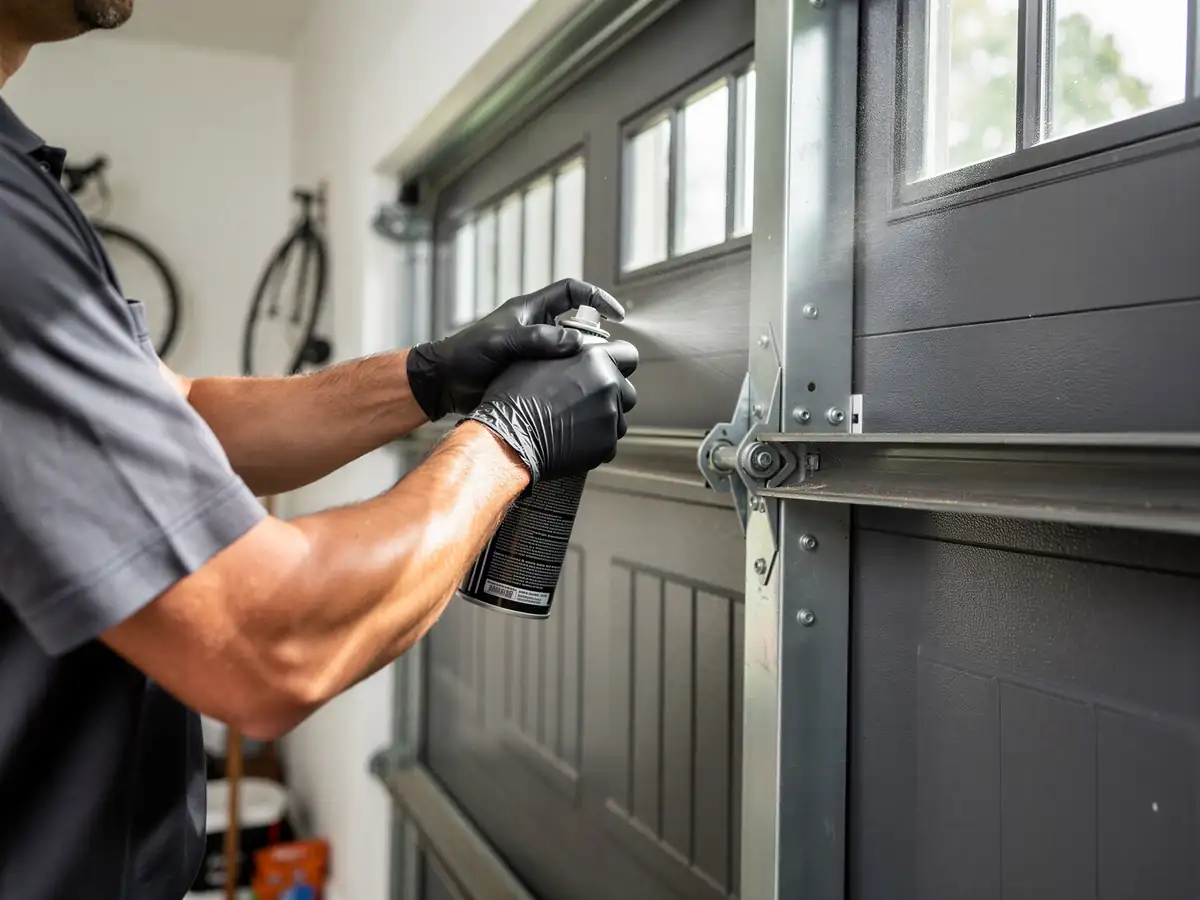
Not every block in Olivehurst matches that 1983 median - some pockets of the area were built earlier, closer to the area-wide 1979 median, and a few infill lots are newer. Older sections tend to have narrower driveway aprons and doors mounted tighter to the header, which limits which track hardware fits without modification. Newer infill sections run standard clearances and take off-the-shelf springs and rollers without issue. If you're not sure which category your house falls into, the opener brand is usually a tell - older chain-drive units with a visible logic board casing from the 1980s point to the earlier wave; anything with a modern keypad or rolling-code remote points to a later retrofit or newer build. Either way, a severe-heat climate zone means summer is hard on seals and lubricant regardless of the house's age, so we check weatherstripping and track lubrication on every call out here, not just on the doors that are obviously older.