What You Pay
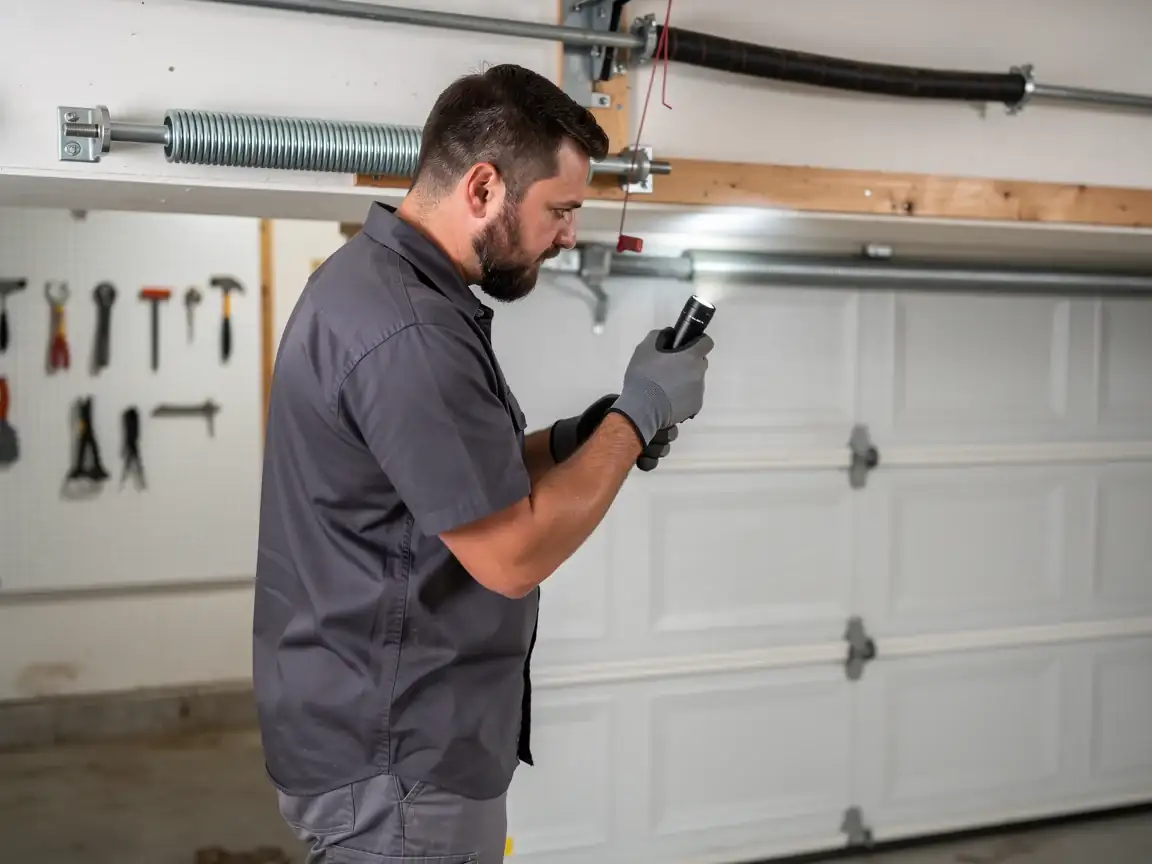
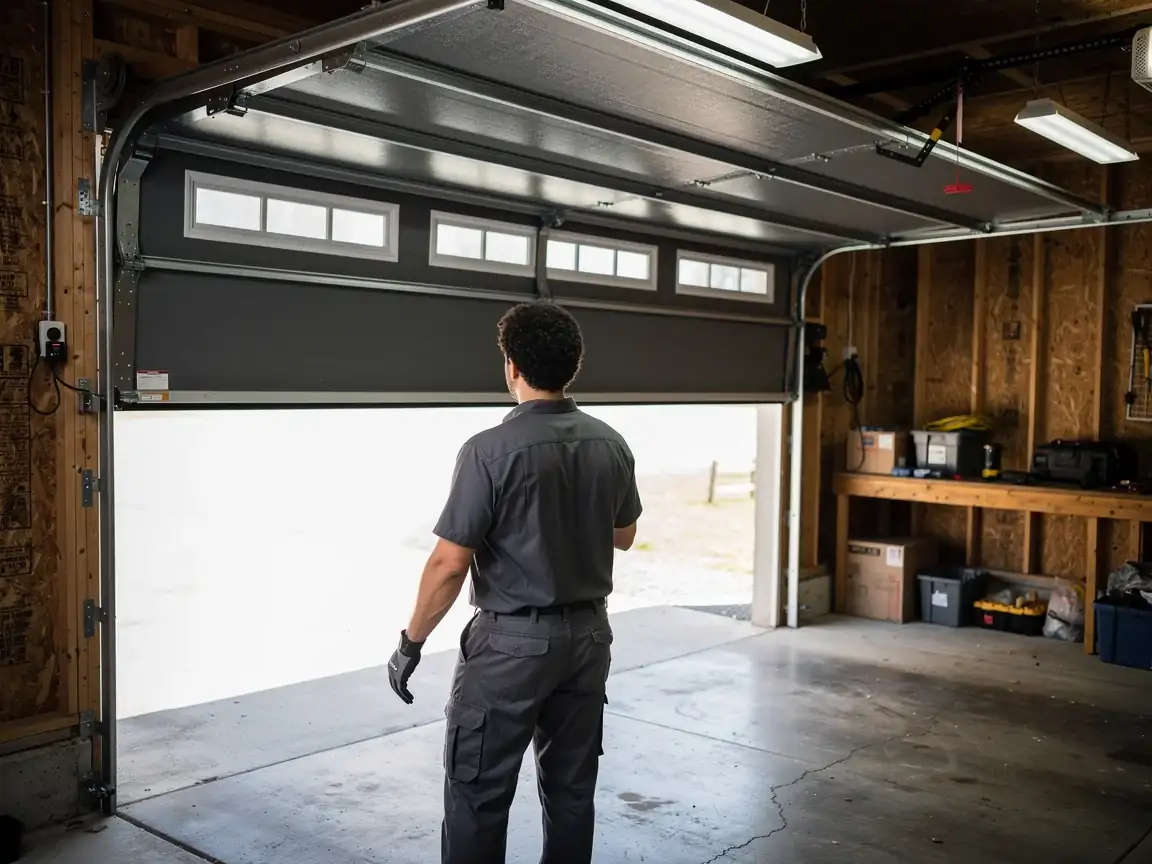
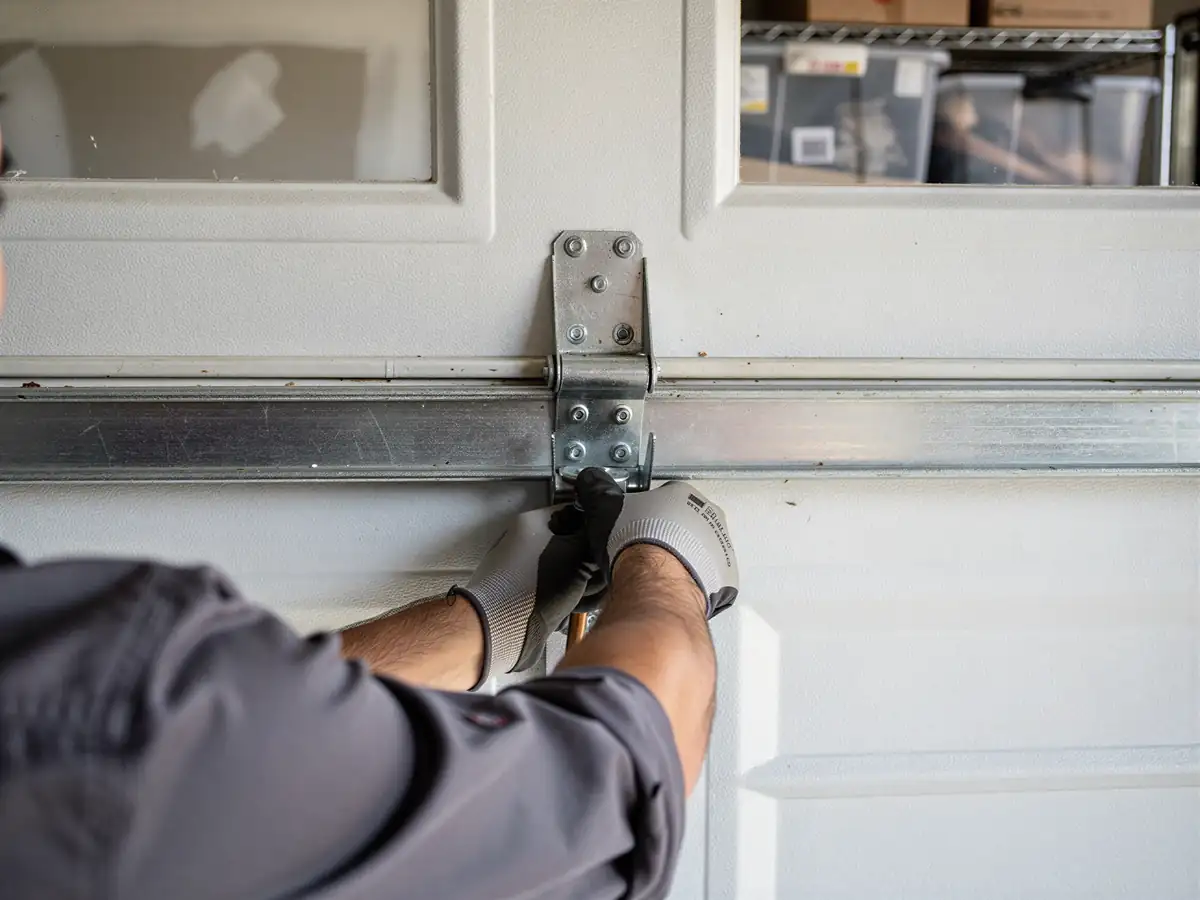
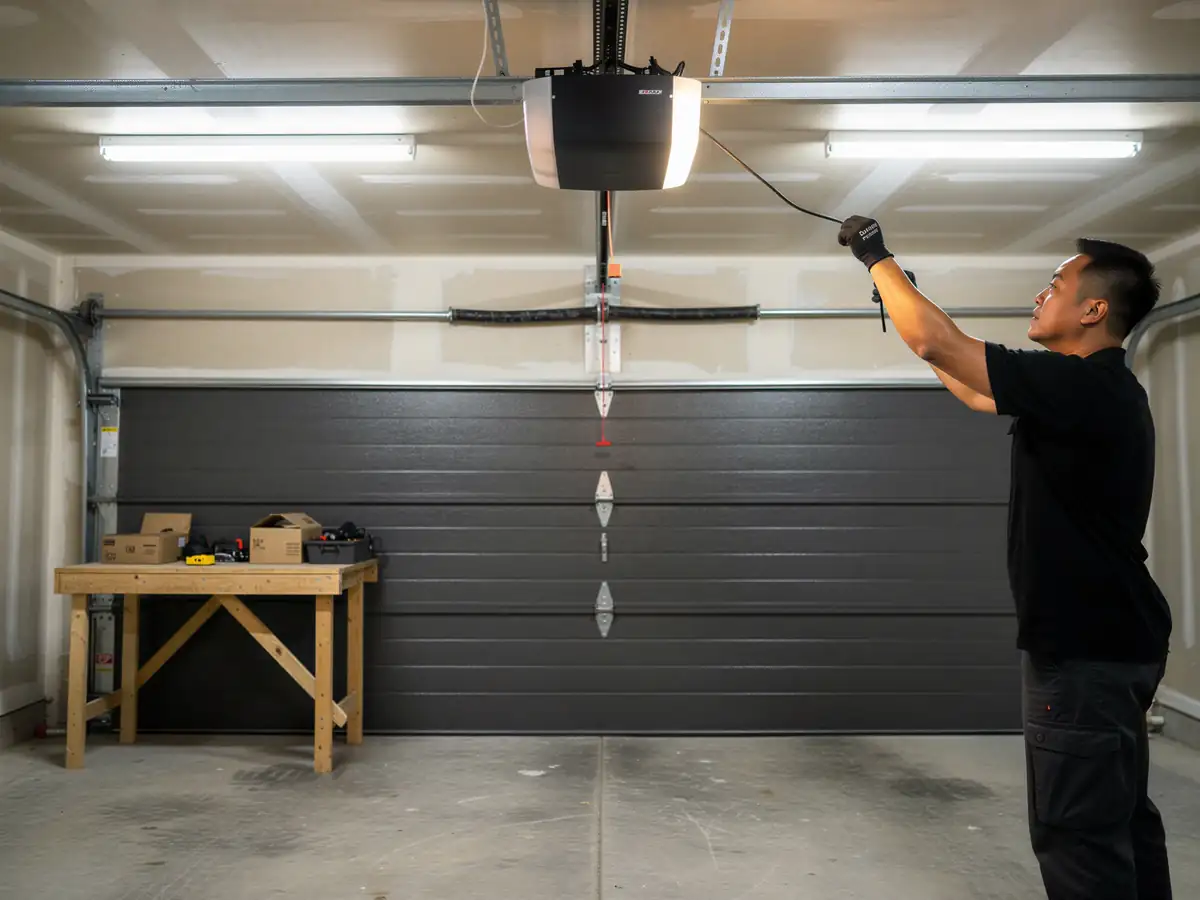
We don't publish a flat price list, because what a job costs here depends on what's actually wrong and what's on the door. A broken torsion spring on a standard double door is a different job than a cable that's jumped the drum on a single, and a steel door from the 1979 era with a worn opener motor is a different job than one with a newer belt-drive unit. What we can tell you is what drives the number up or down: the age and size of the door, whether the springs are original or already replaced once, and whether the opener itself needs attention along with the spring or cable. If you call and ask for a number before we've seen the door, we'll give you a range, not a promise - and we'd rather tell you that up front than guess wrong on your driveway. That honesty costs us some phone calls. It saves everyone a bad afternoon.
The Problem
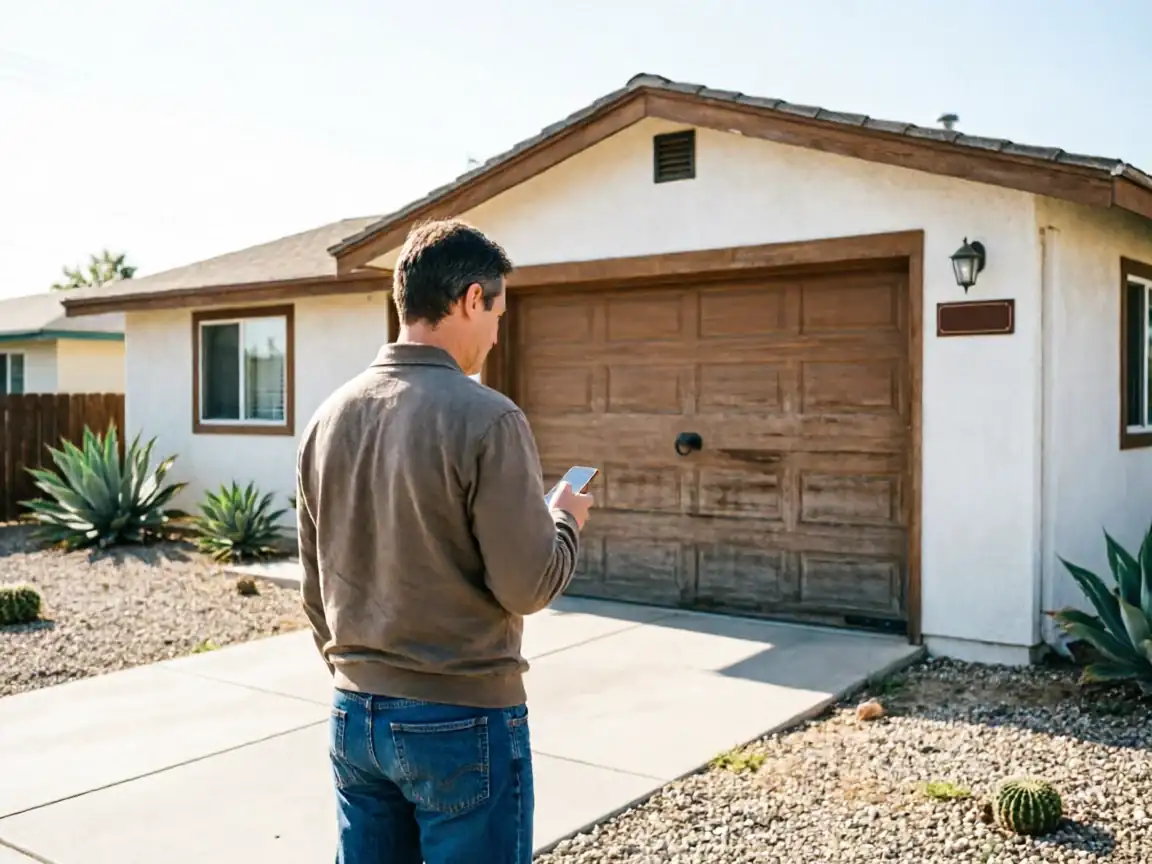
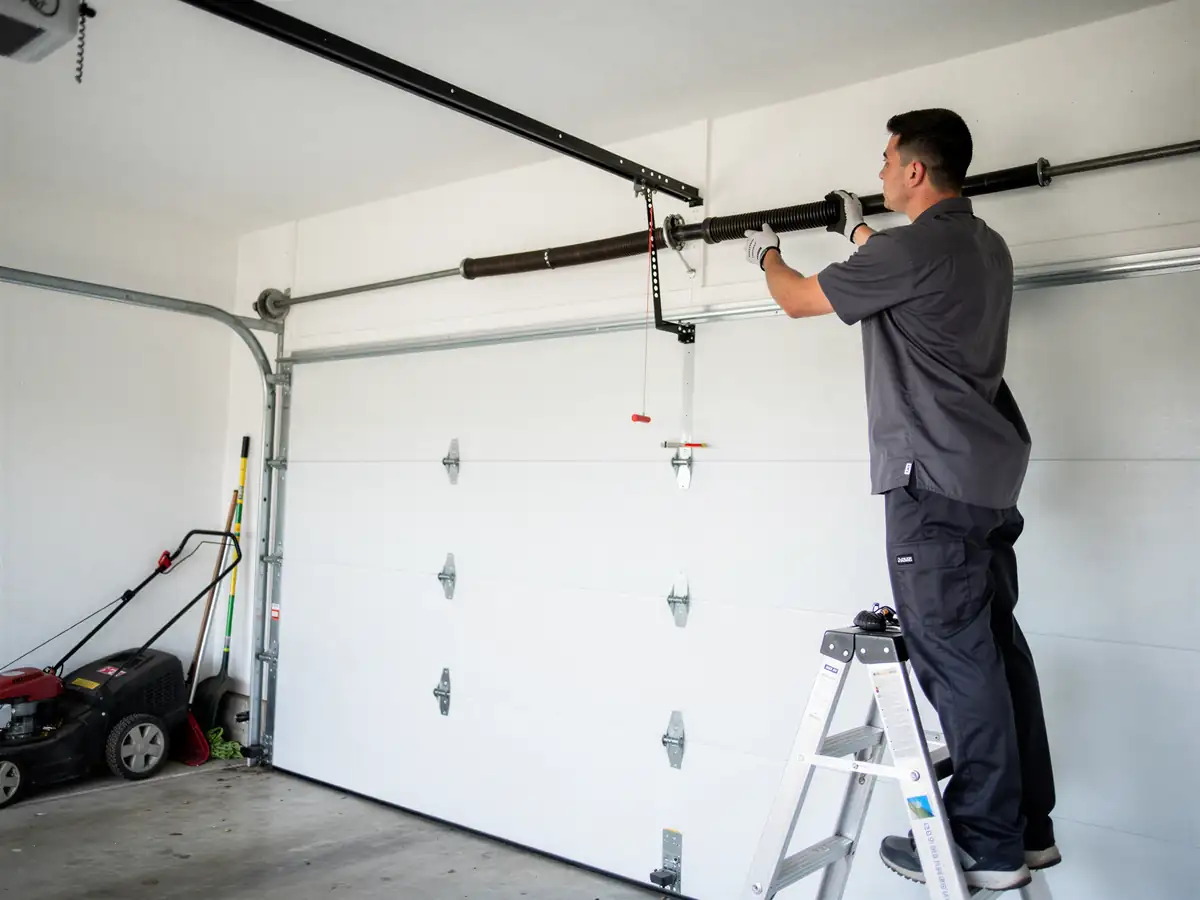
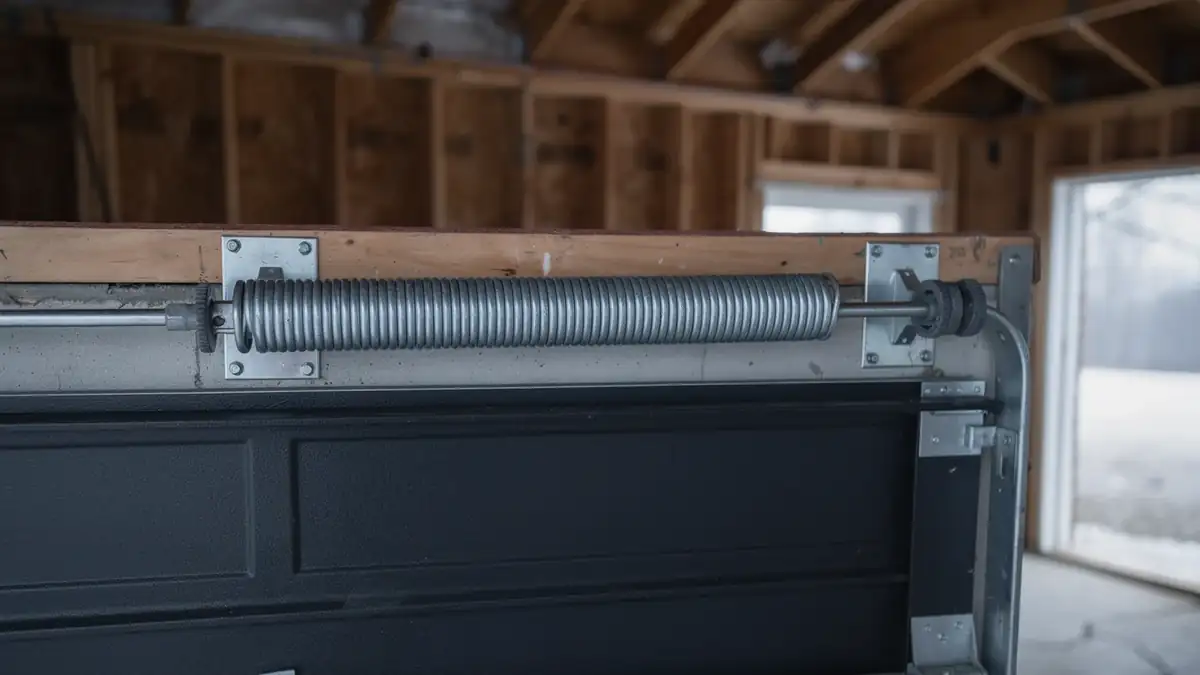
Most of the garage doors we work on around here sit on houses built between 1944 and 2007, with the bulk of that stock going up in the 1960s and '70s across the sixteen or so areas we cover. That means a lot of original torsion springs and first-generation openers still doing daily work decades past when anyone expected them to. Pair that with a climate band rated severe for heat, and you get a specific failure pattern: springs that have cycled through summer after summer of high heat lose temper faster than the manufacturer's chart assumes, and opener gears and lubricant break down sooner in a hot garage than in a shaded one. We see doors where the spring looks fine from the ground - paint intact, no visible rust - and it's still down 15-20% on lift because the steel has fatigued from heat cycling, not age alone. That's the failure that catches people off guard, because nothing looked wrong until the day it let go.
How Local Conditions Play In
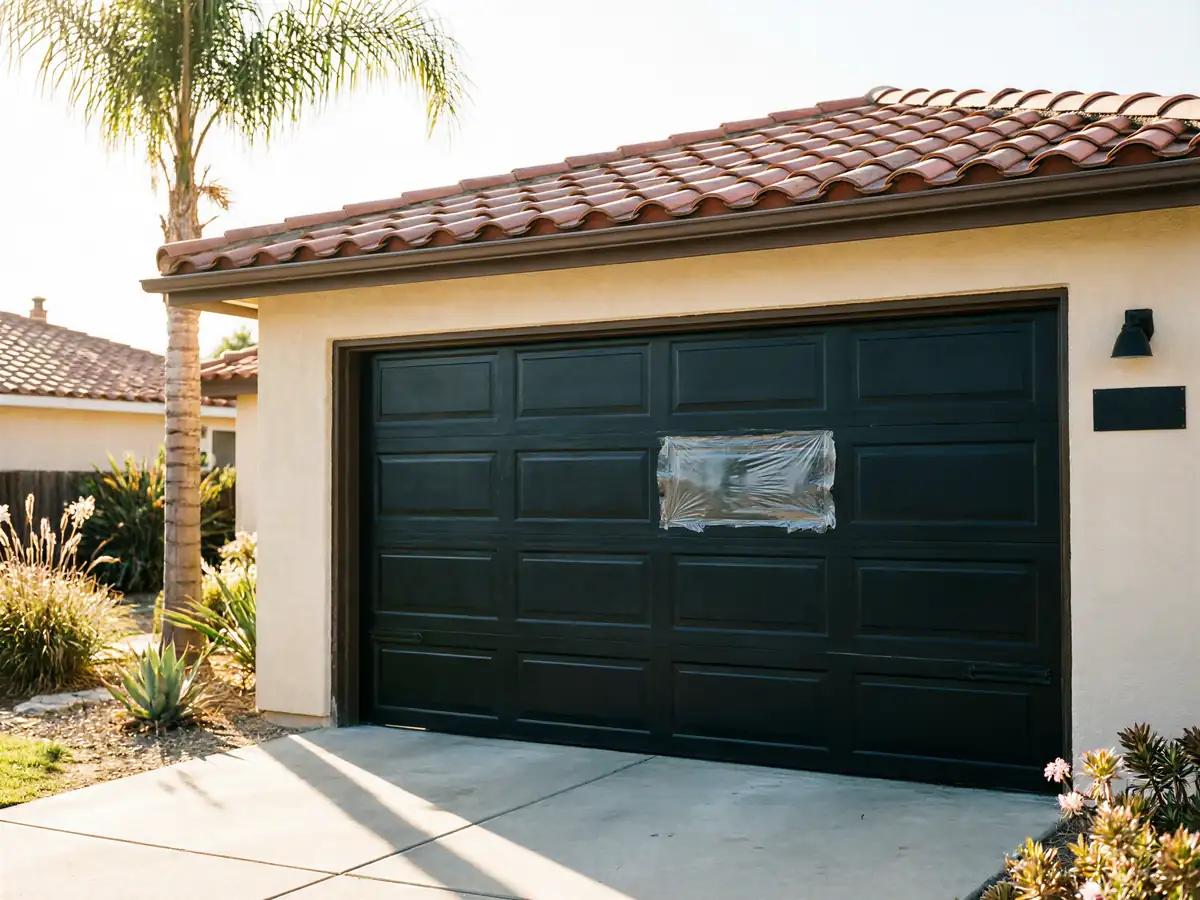
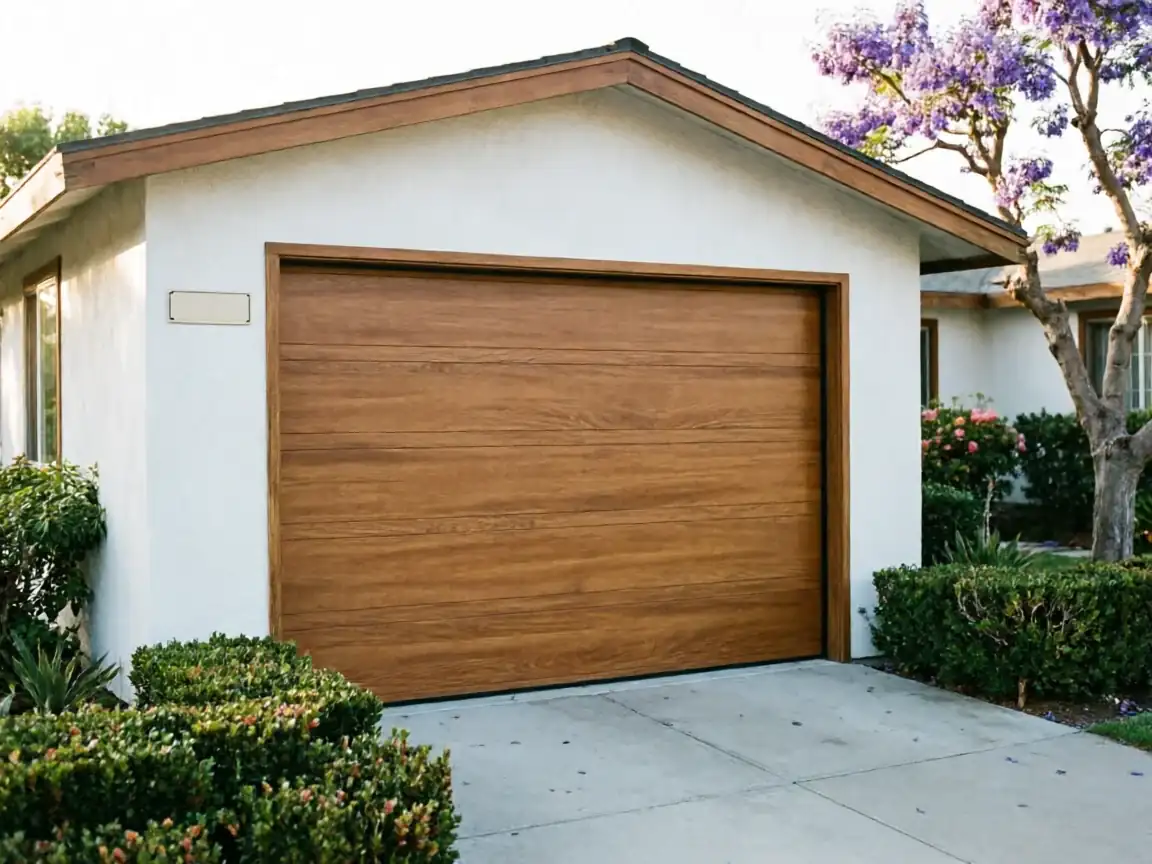
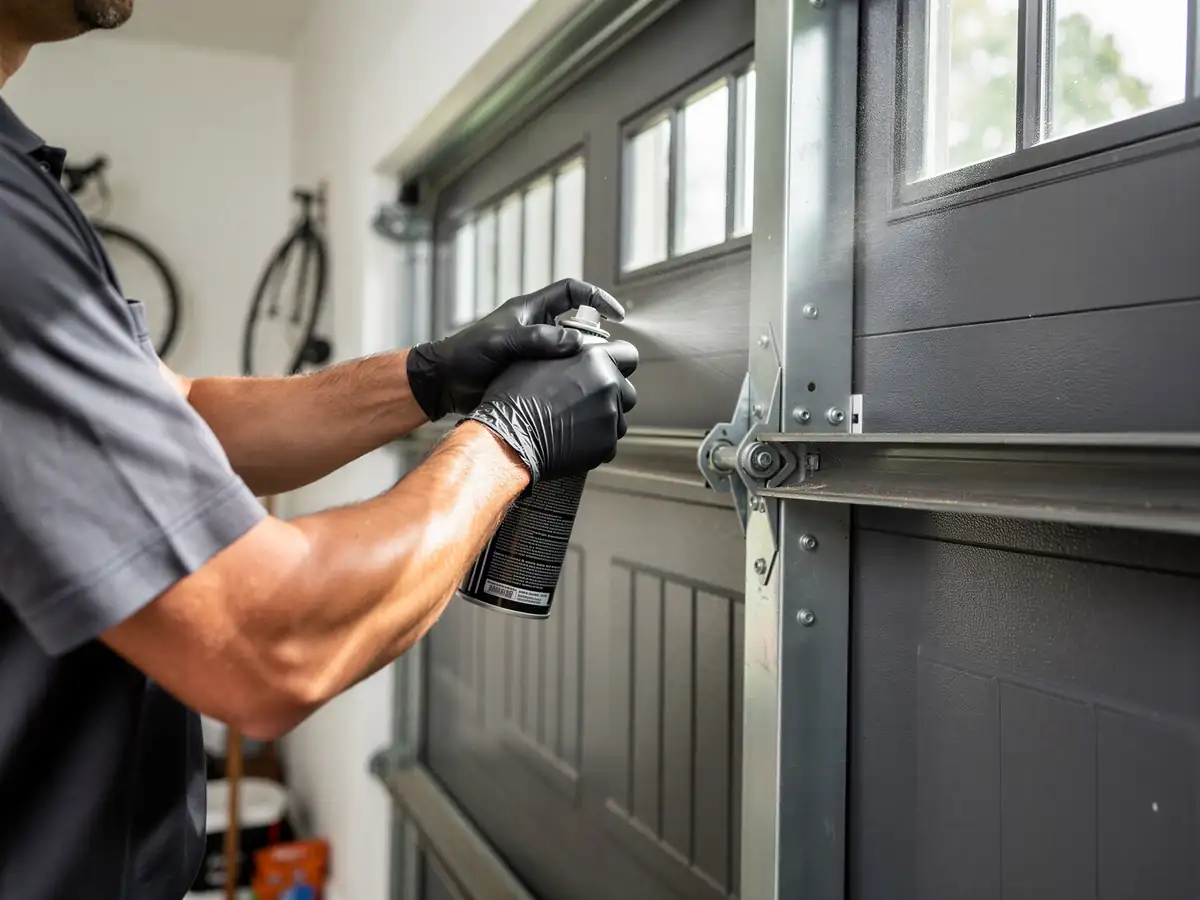
The housing stock here runs 1944 to 2007 with a median build year of 1979, and most of what we see on service calls falls into that older middle band. Combine that with a climate rated severe for heat, and the two facts compound: an original spring installed in 1979 has now absorbed decades of thermal cycling that a door of the same age in a milder climate wouldn't have seen. With roughly 15,263 owner-occupied houses across the service area and a median household income around $80,104, most of our calls are homeowners weighing a repair against a replacement on a door that's already outlived its expected spring life. We don't push replacement on every old door - plenty of 1970s doors are still structurally sound and just need new springs and lubrication suited to high heat. But when the opener, the spring, and the panels are all original and all showing heat fatigue at once, patching one piece usually just moves the next failure a few months down the road.