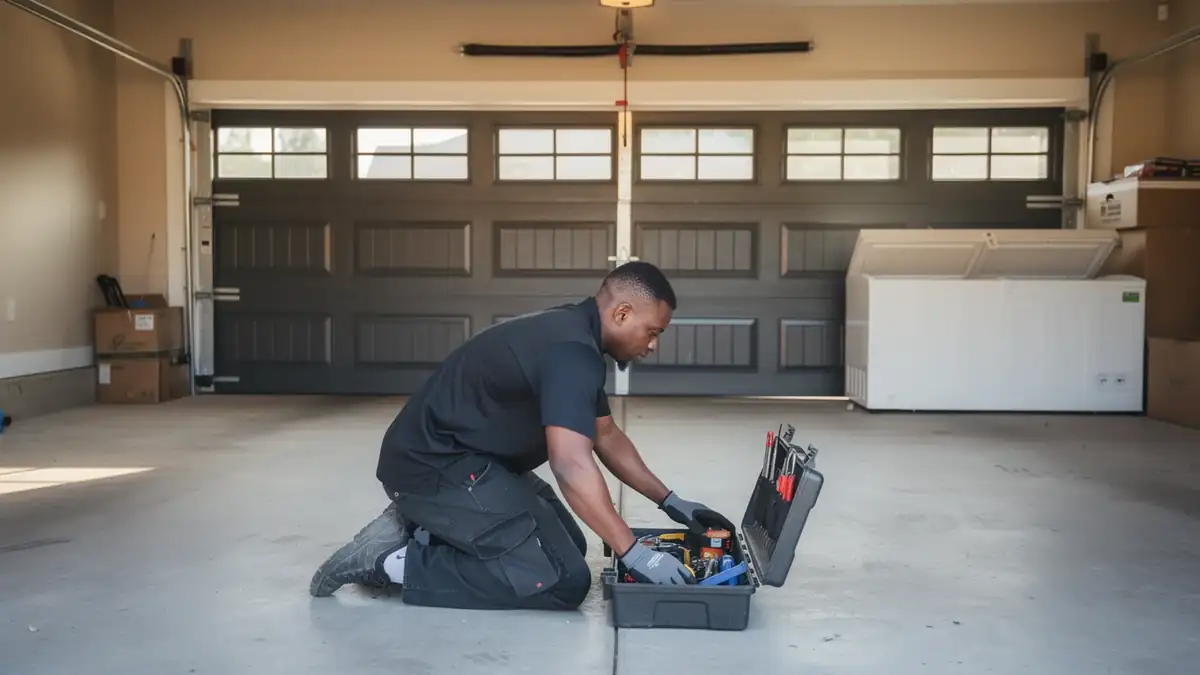
What You Pay
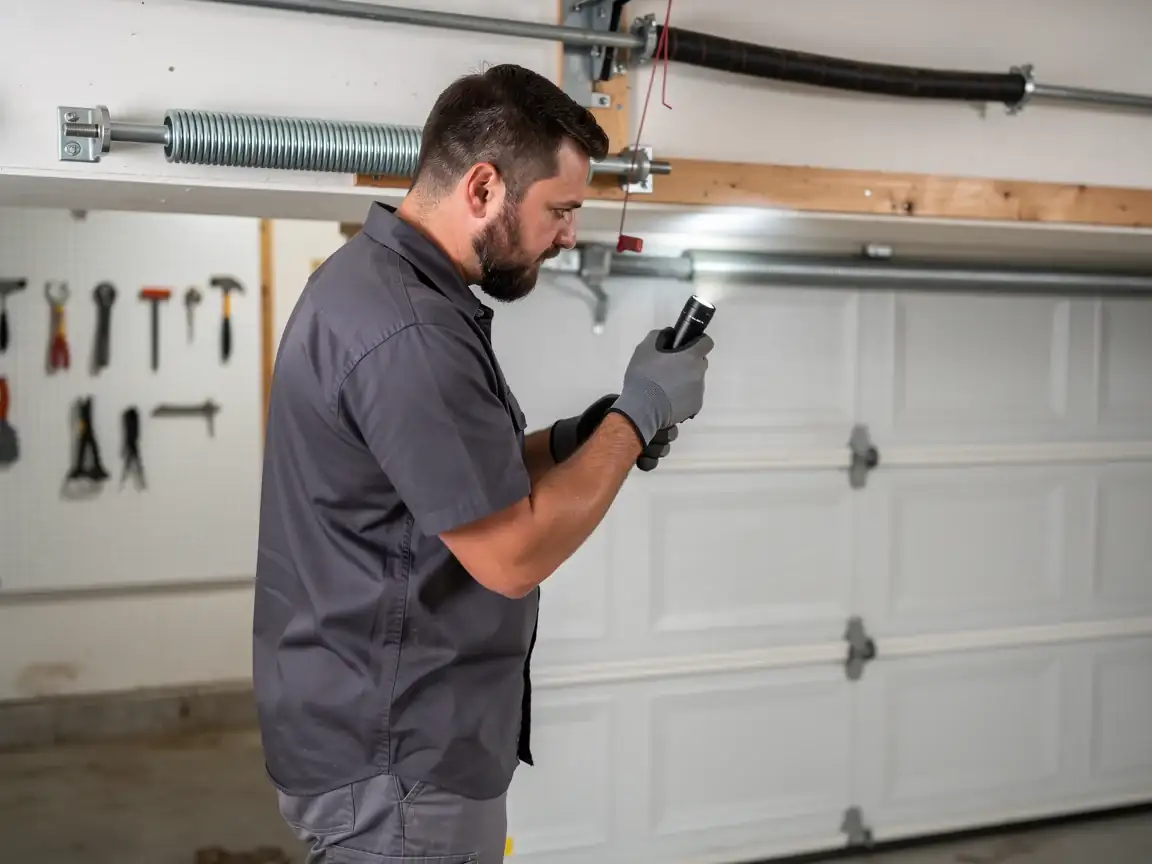
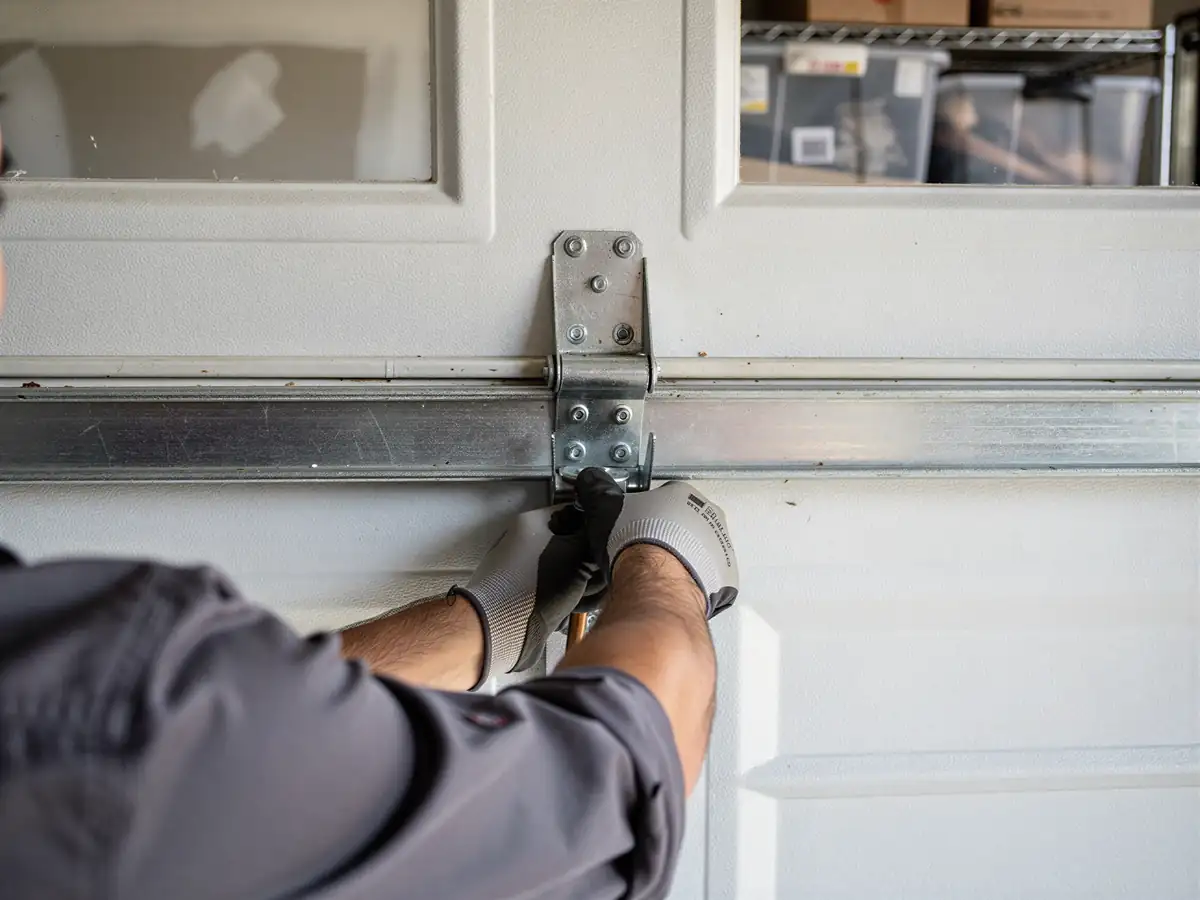
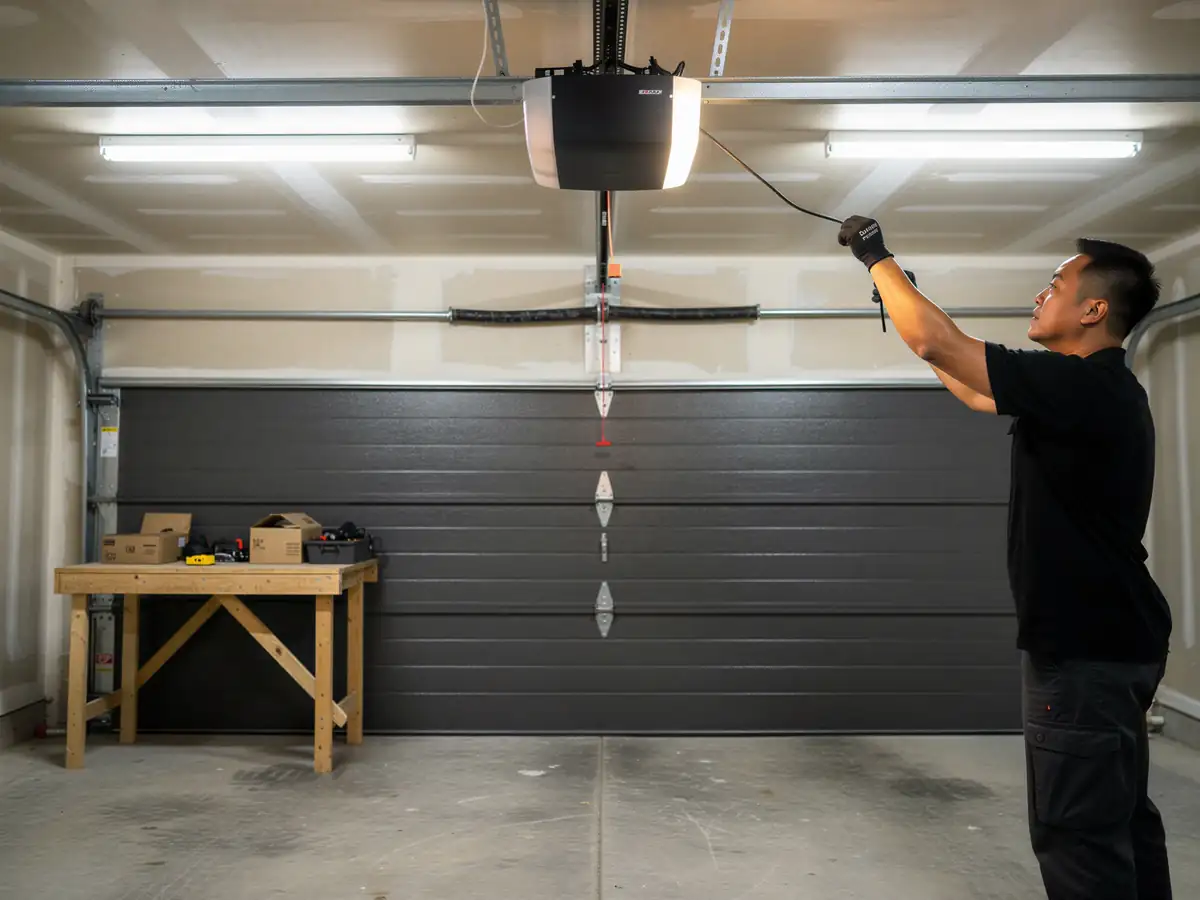
There's no flat number we can print here, because what you pay depends entirely on what's wrong and what's on your door. A service call covers the diagnostic - someone standing in your driveway figuring out whether it's a spring, a cable, a roller, or the opener logic board - plus whatever part and labor the fix actually needs.
What moves the number around in this town specifically is age. Housing across the service area was built mostly between 1944 and 2007, with the median landing around 1979, and most of that is 1960s-70s construction. A door from that era often runs hardware that doesn't match current stock sizes - torsion drums, odd-length shafts, discontinued opener models. Matching parts sometimes costs more than the labor to install them, and sometimes it means we're ordering instead of fixing same-day.
The honest limitation: if your door and opener are both original to a 1970s build, patching one part can mean the next part goes within a year or two. We'll tell you when replacement is the better math instead of billing you twice for the same visit.
The Problem
The doors we get called on most in this area aren't failing randomly - they're failing on a schedule set by when the house was built and how hot it gets here. This climate band is rated severe for heat, and heat is hard on steel springs and plastic gearing in ways that aren't obvious until the door won't open.
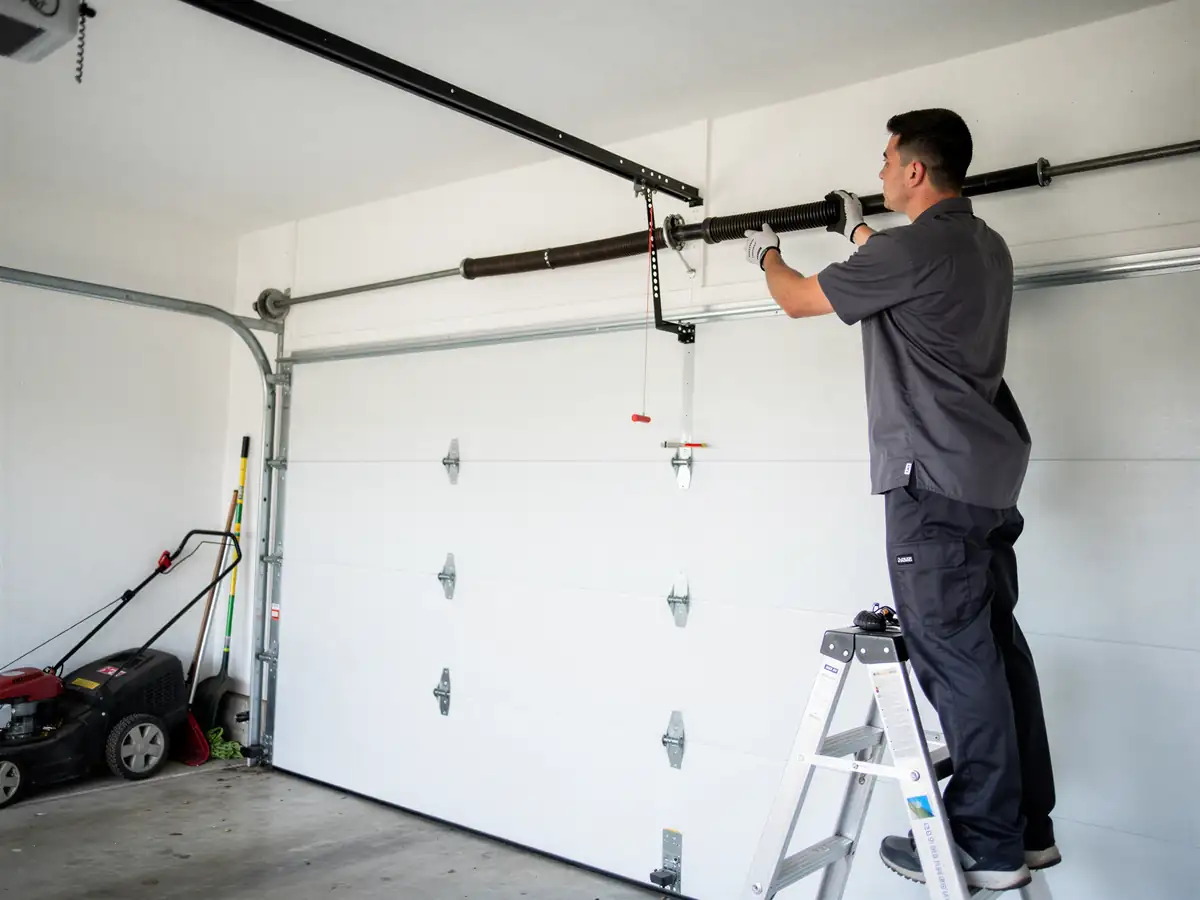
A torsion spring is rated for a number of cycles, but heat cycling - expansion in the afternoon, contraction overnight - shortens that life regardless of how many times the door actually moved. On a house built in the median year for this area, that spring has been through roughly four and a half decades of exactly that stress. Openers fare worse: the nylon drive gear inside an older chain-drive unit gets brittle in sustained heat and strips teeth quietly, so you get a motor that hums and a door that doesn't move.
We also see this on newer builds, just further along the timeline - the 1944-2007 range this area falls into means some houses are only two or three decades in, not five, but the same heat load applies to all of them.
When Waiting Is Fine
Not everything that makes noise is an emergency
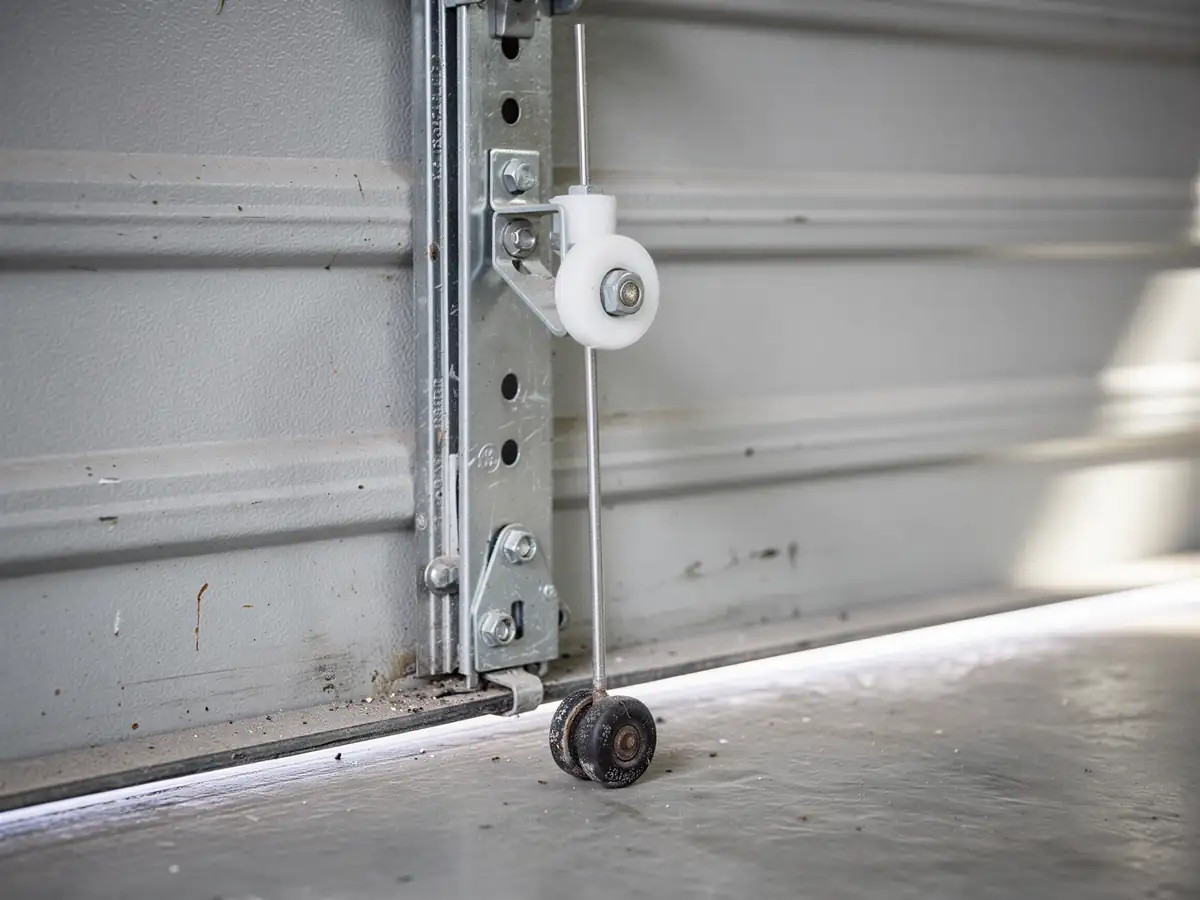
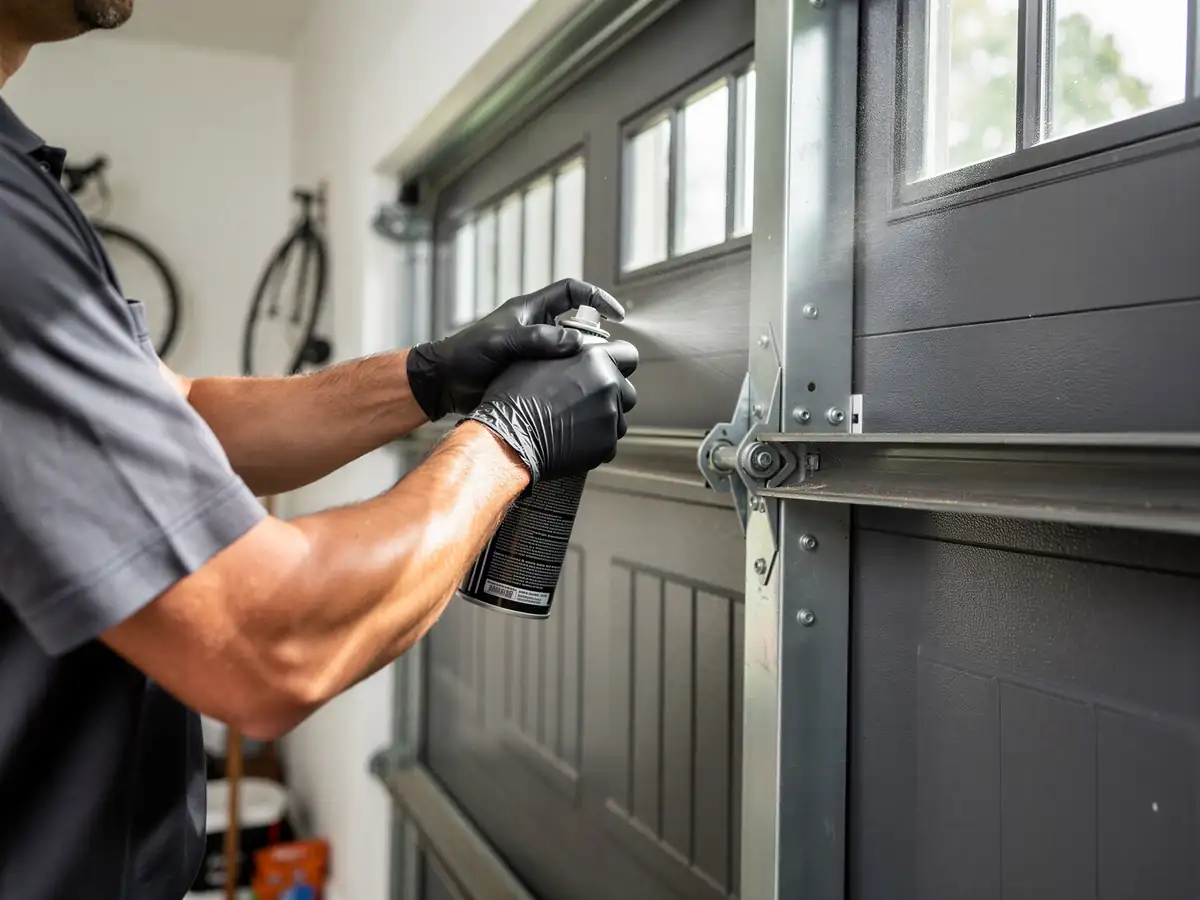
A door that rattles going up but still opens and closes square is usually a roller or hinge issue, not a safety issue - it can wait for a scheduled visit instead of an after-hours call.
Same goes for a slow opener that still completes the full cycle, or a remote with a weak range
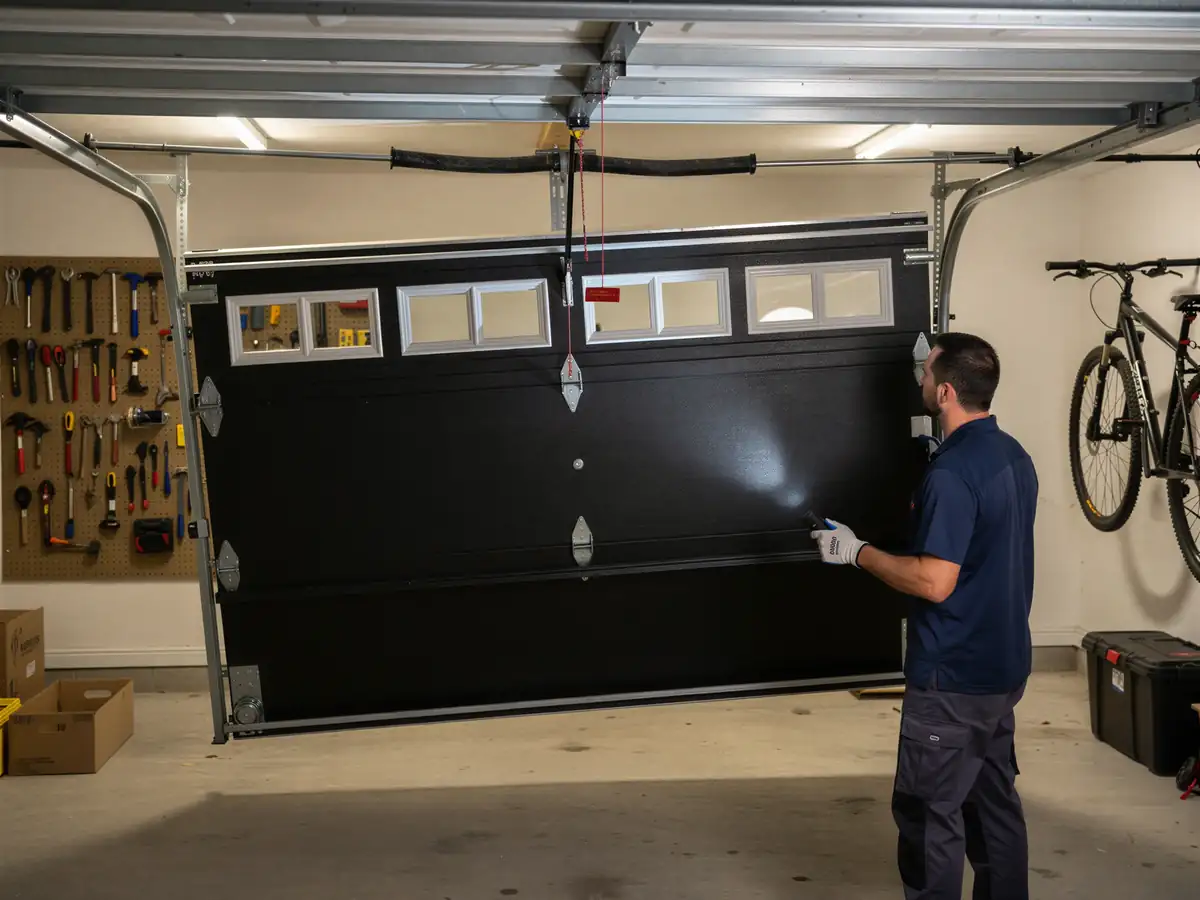
Those are annoyances, not failures. What can't wait: a door that's off-track, a spring that's visibly separated or made a loud bang, or a door that's heavy on one side when you lift it by hand. Those mean something is about to let go, and in a heat-stressed system like what's common on the older stock in this area,
How Local Conditions Play In
placeholder