What That Means for Doors
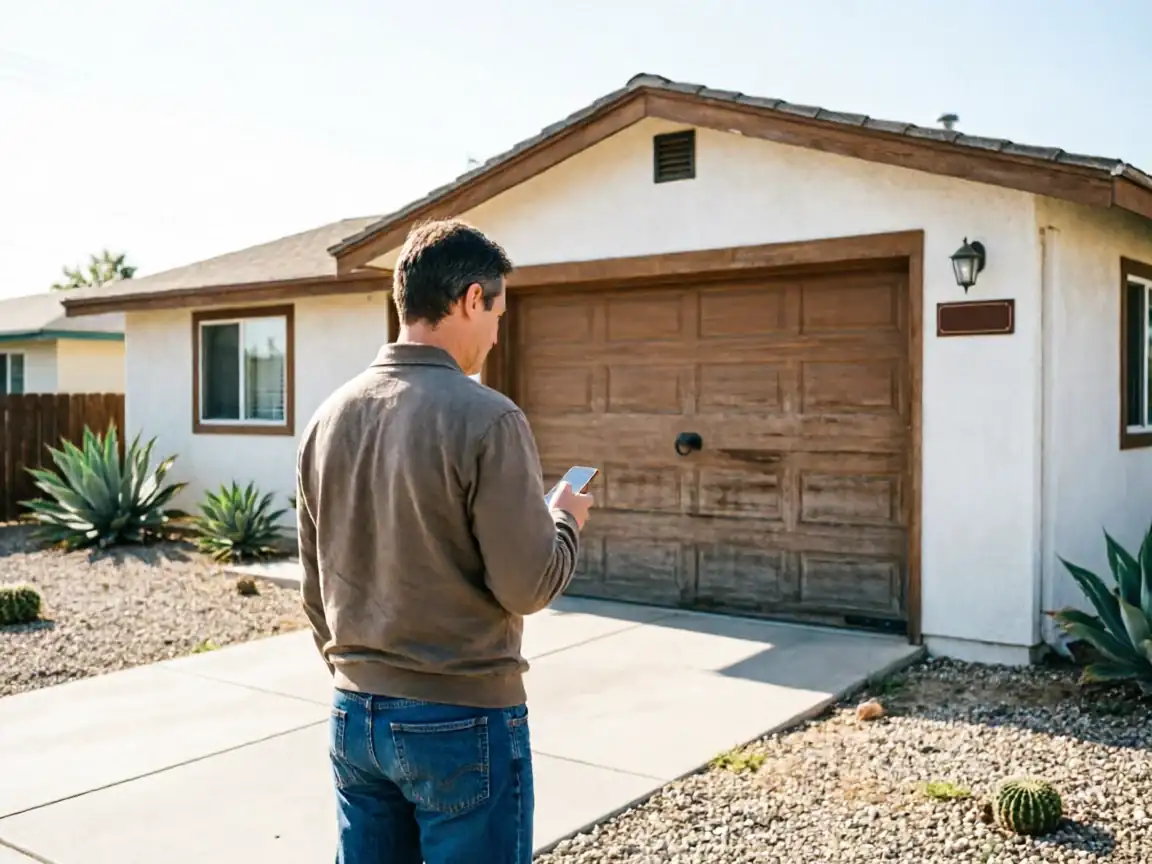
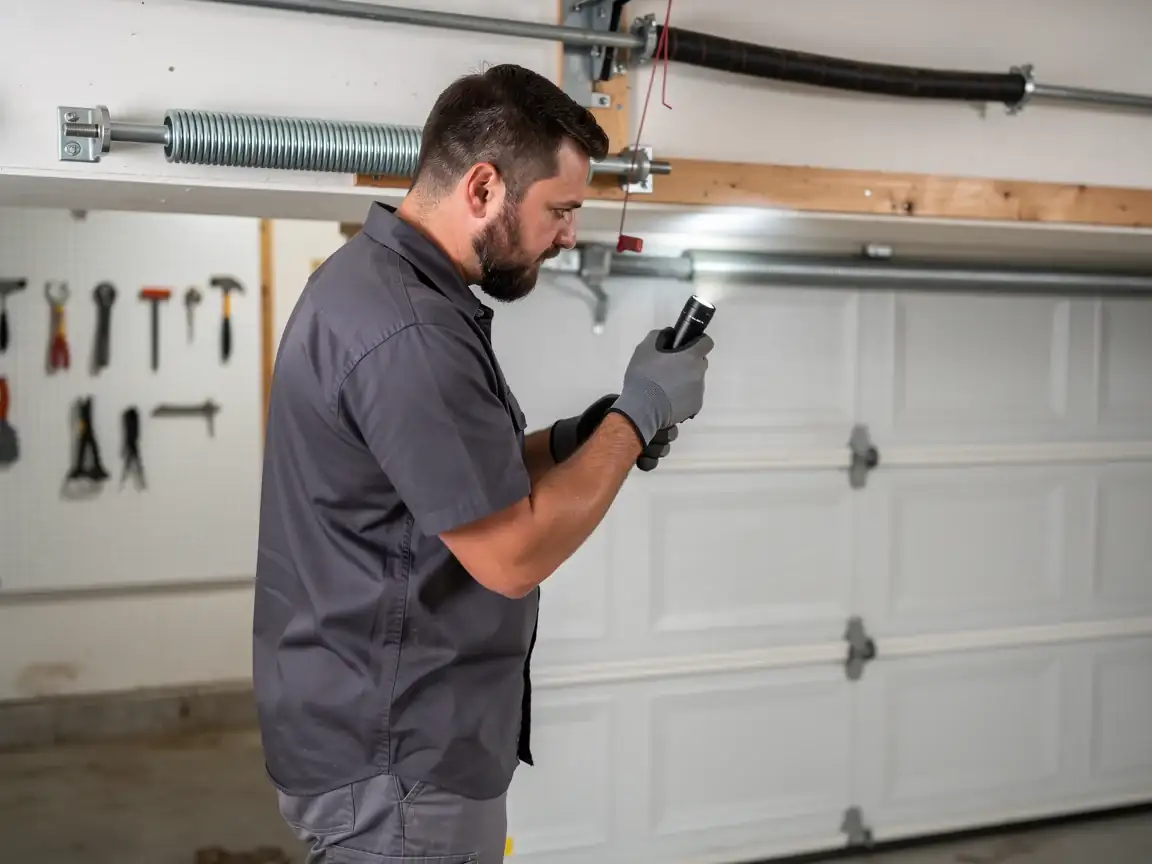
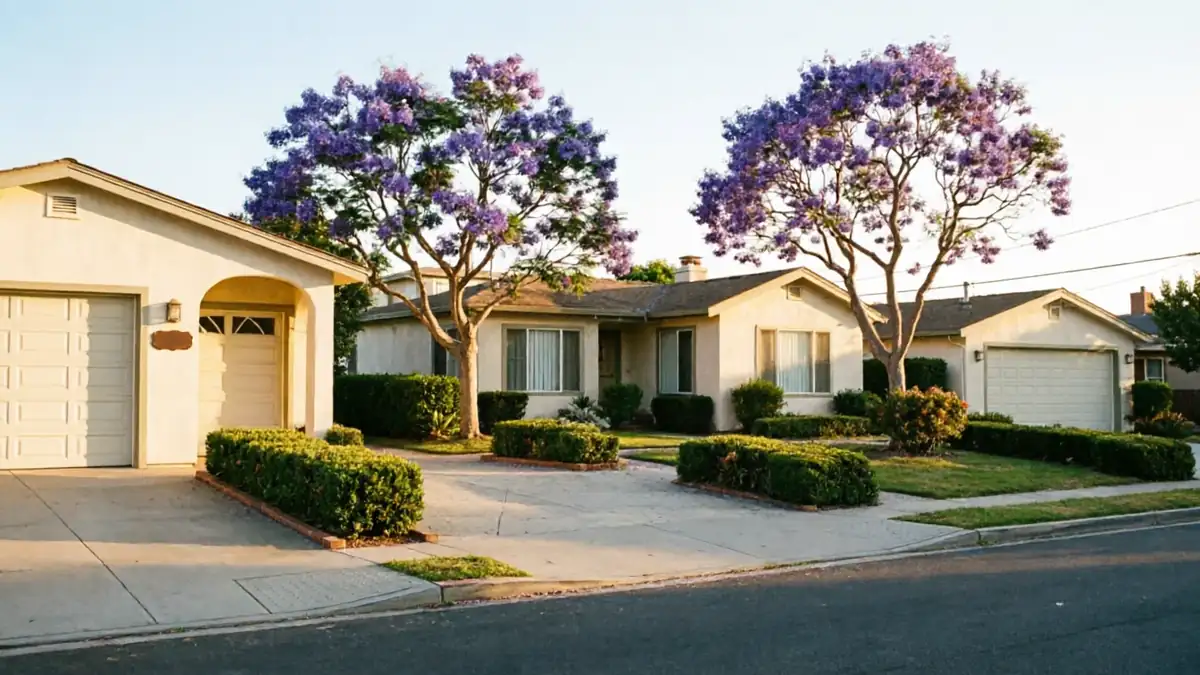
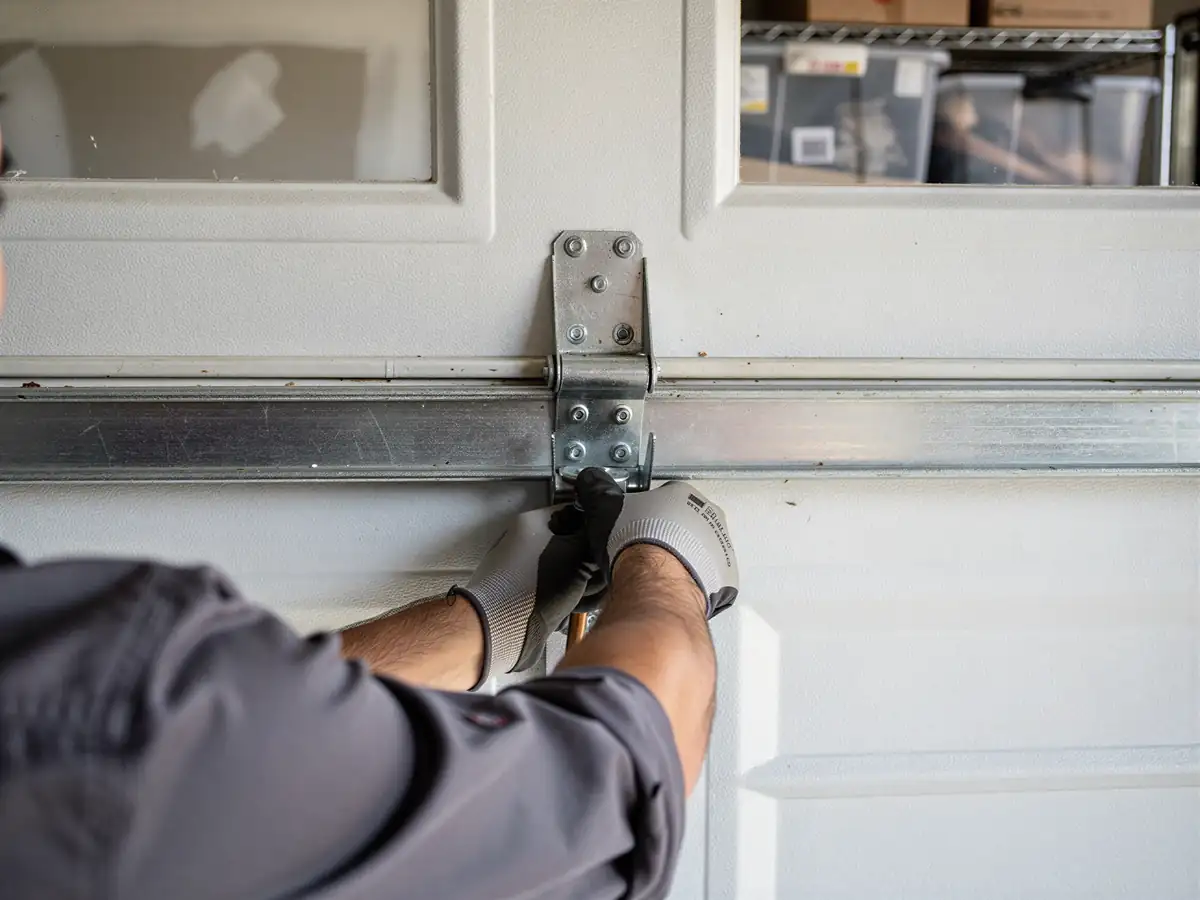
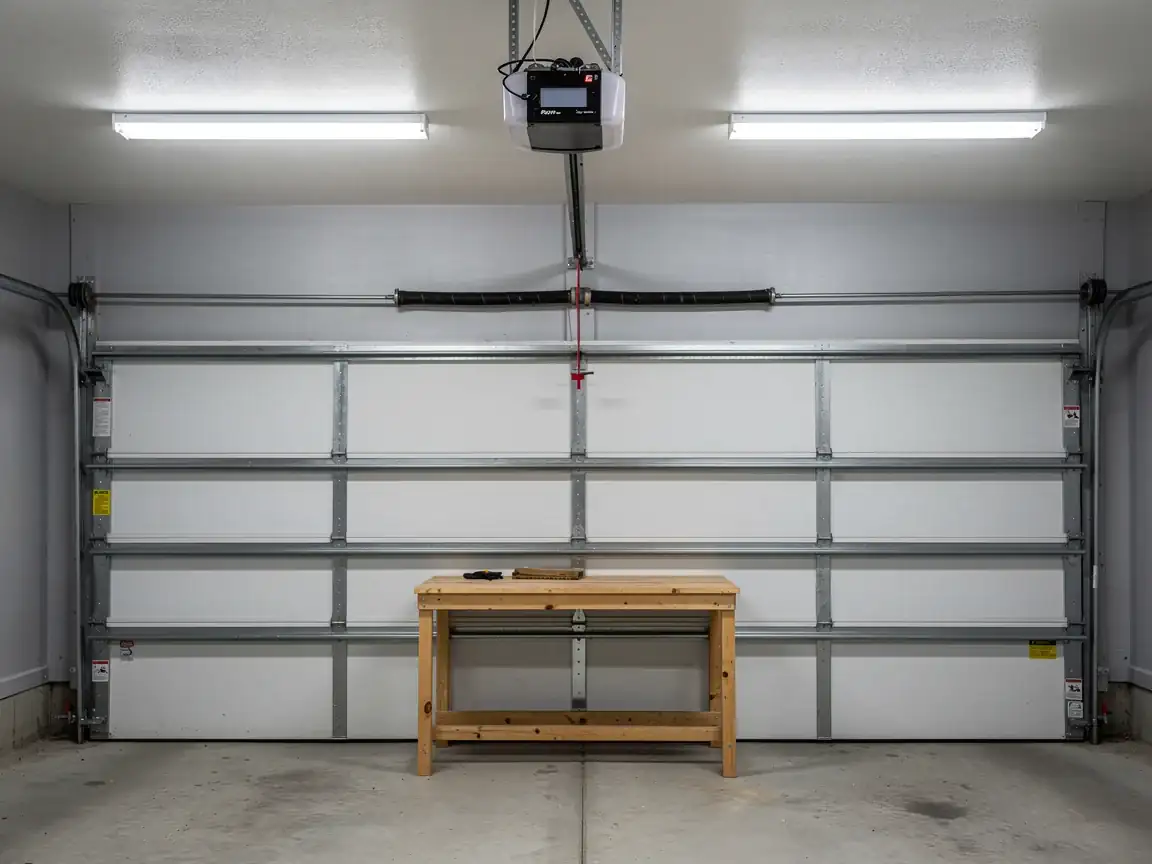
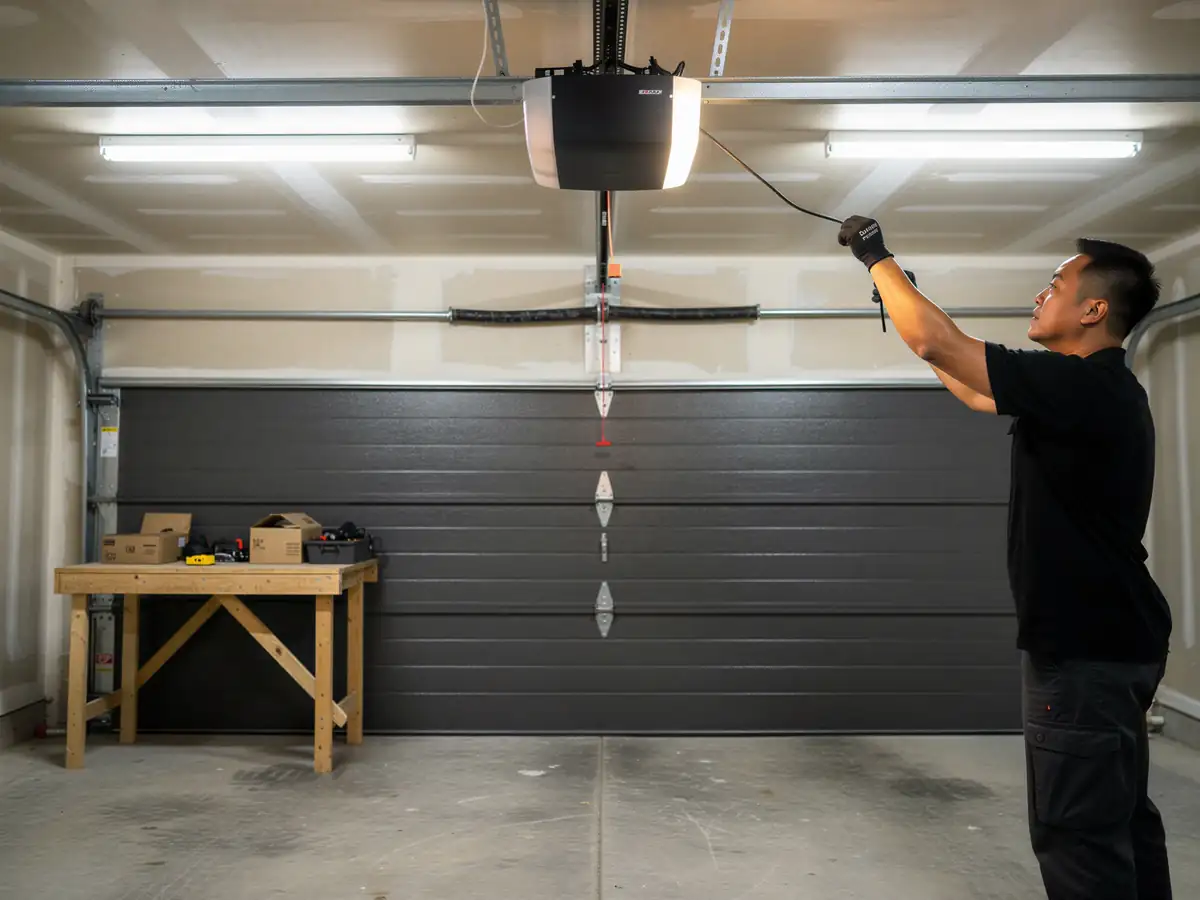
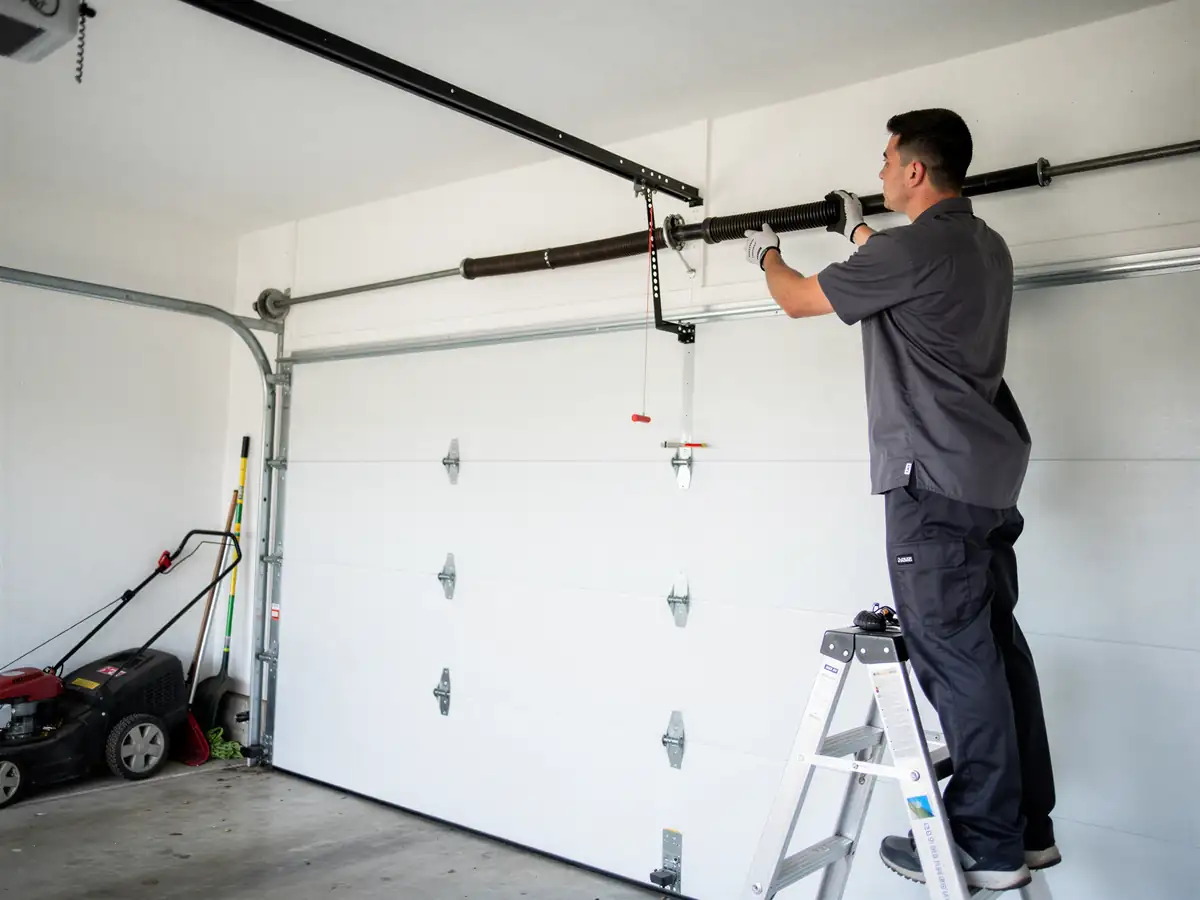
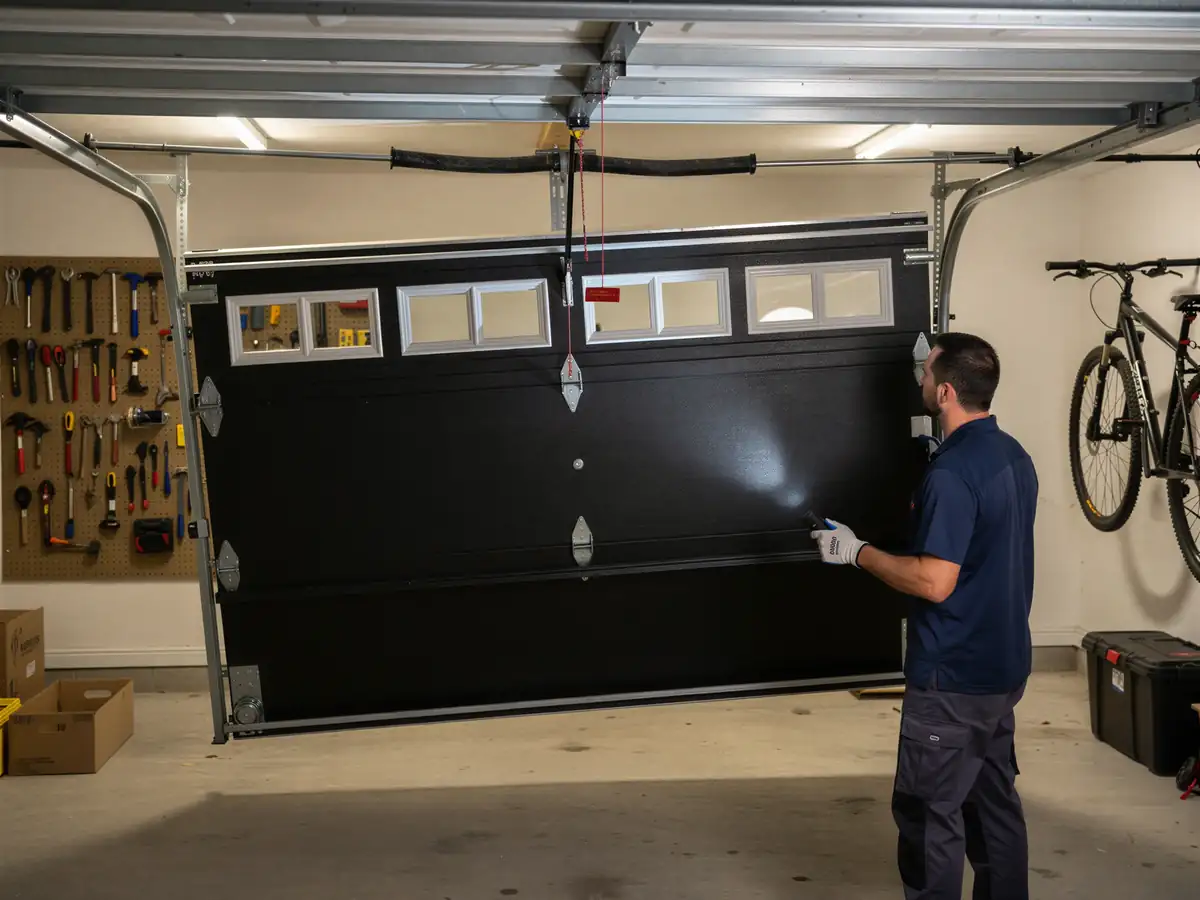
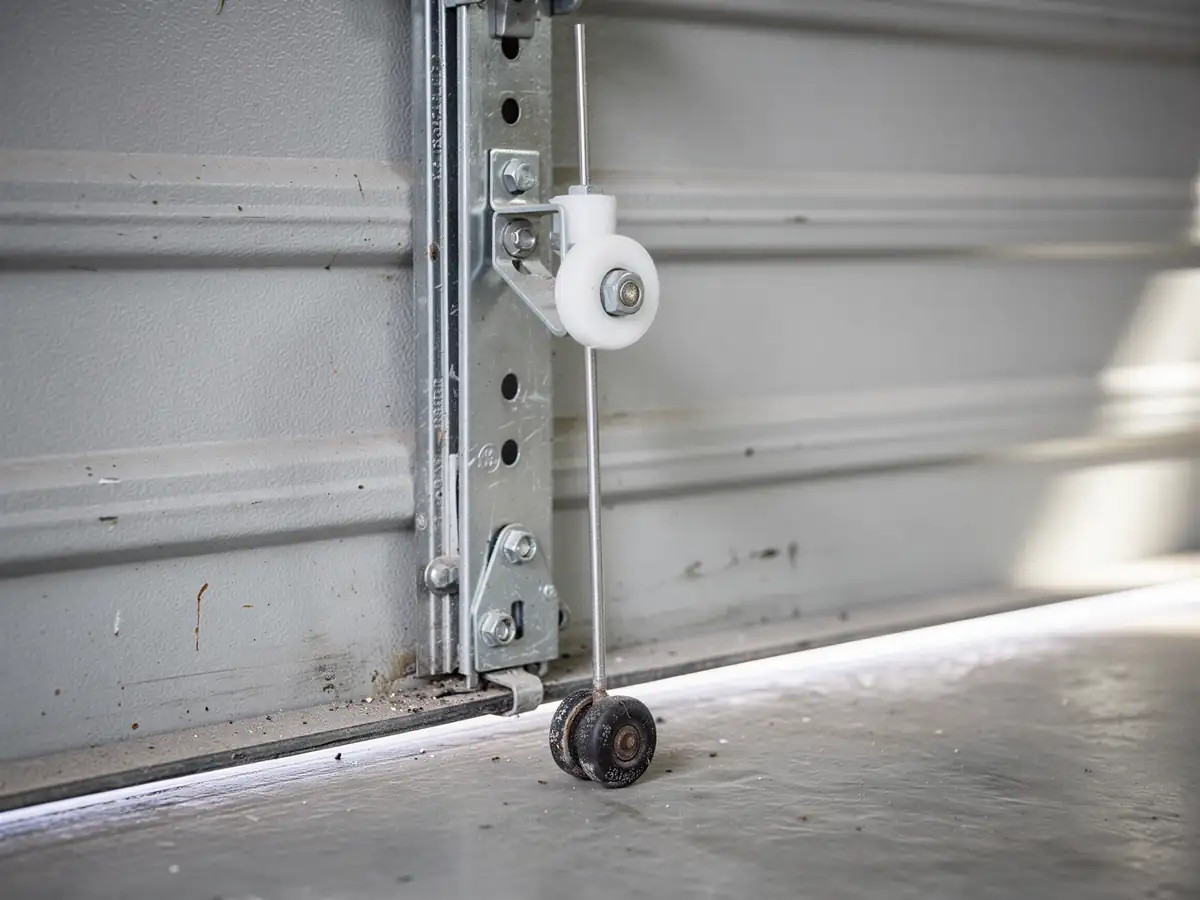
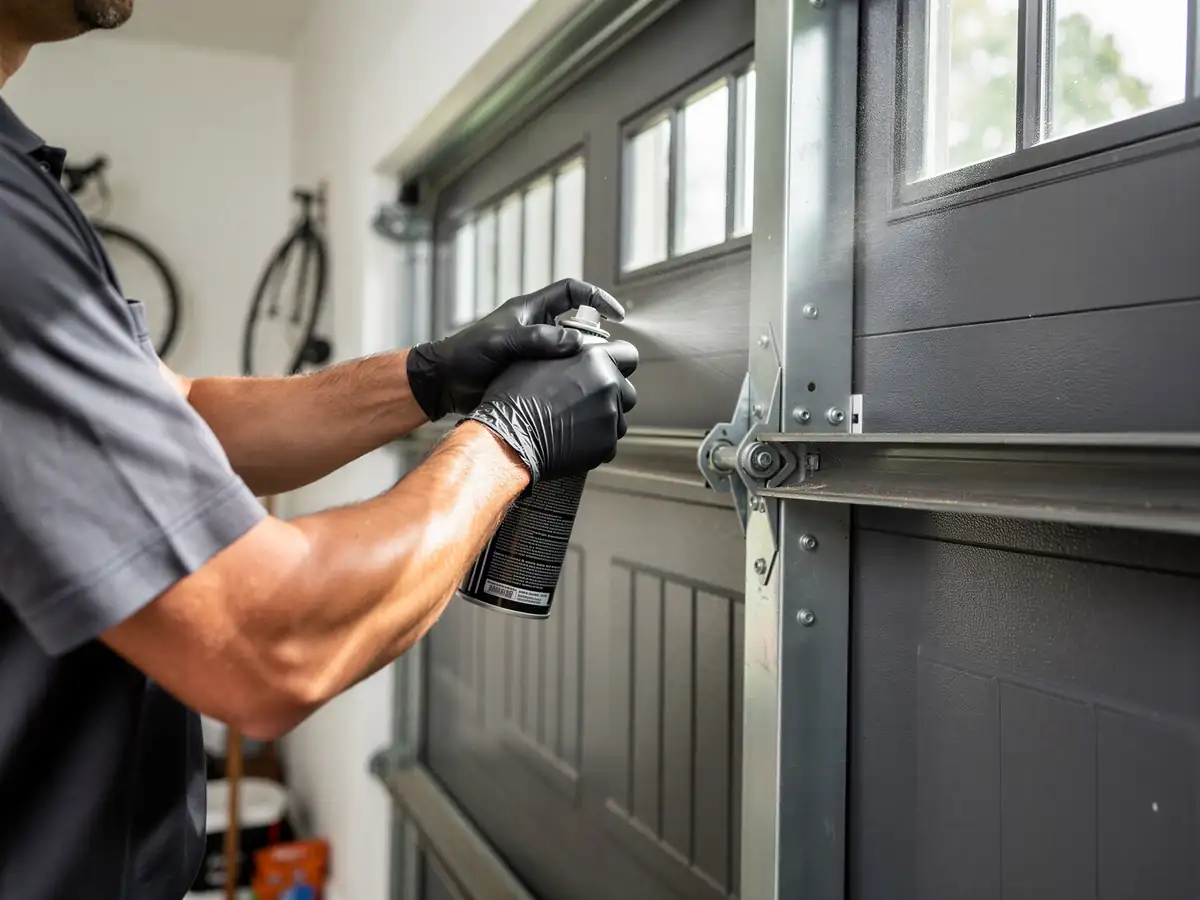
Gridley's median home dates to 1966, a good decade older than the broader Yuba City service area, where the median build year runs closer to 1979. That gap matters more than it sounds. A door and opener installed in the late 1970s or 1980s is a different animal from one put in during a 2000s build-out: narrower track gauge, older-style extension springs instead of torsion in a lot of cases, and openers that predate the safety reversal standards baked into newer units. On a 1966-era house, we're often looking at a door that's been replaced once already, sitting on hardware from that replacement, with an opener bolted on sometime after. The failure points are predictable - worn extension spring cables, dry rollers on steel track that was never the quiet kind, and openers with no battery backup, no camera, nothing smart about them, just a motor and a chain. None of that is a knock on the houses. It just means the fix usually isn't a universal part off a shelf; it's matching what's actually on the door.
The Drive Over
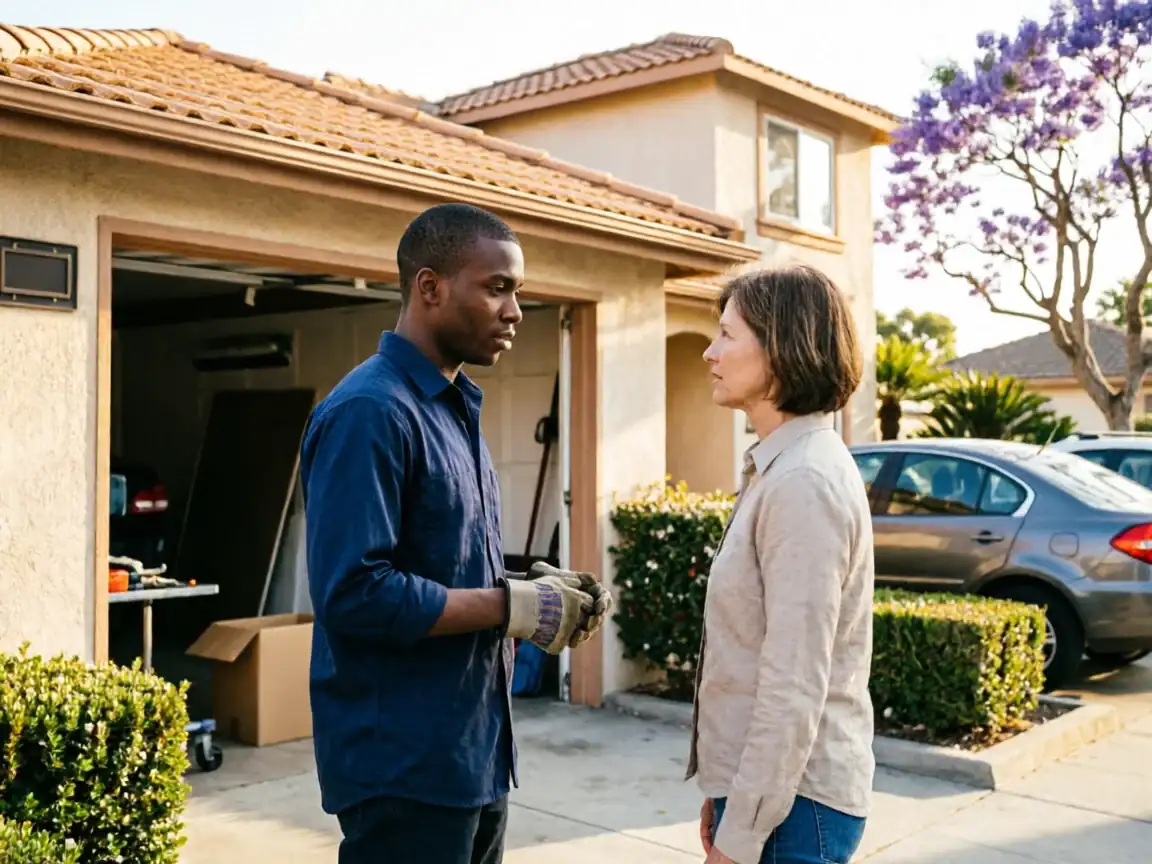
We run out of Yuba City, and Gridley is a 16-mile drive from the shop - the longest stretch in our coverage area along with Biggs. We don't keep a depot or a second location in Gridley, and we won't pretend otherwise. What that means in practice: we load the truck based on what the call tells us about the house - age, door type, symptom - before we leave, because a wasted trip back for a part costs everybody time on a 16-mile haul. It also means we're not the guy who happens to be two streets away. We're honest about that distance up front rather than promising something we can't back from across town.
Old Streets and New Ones
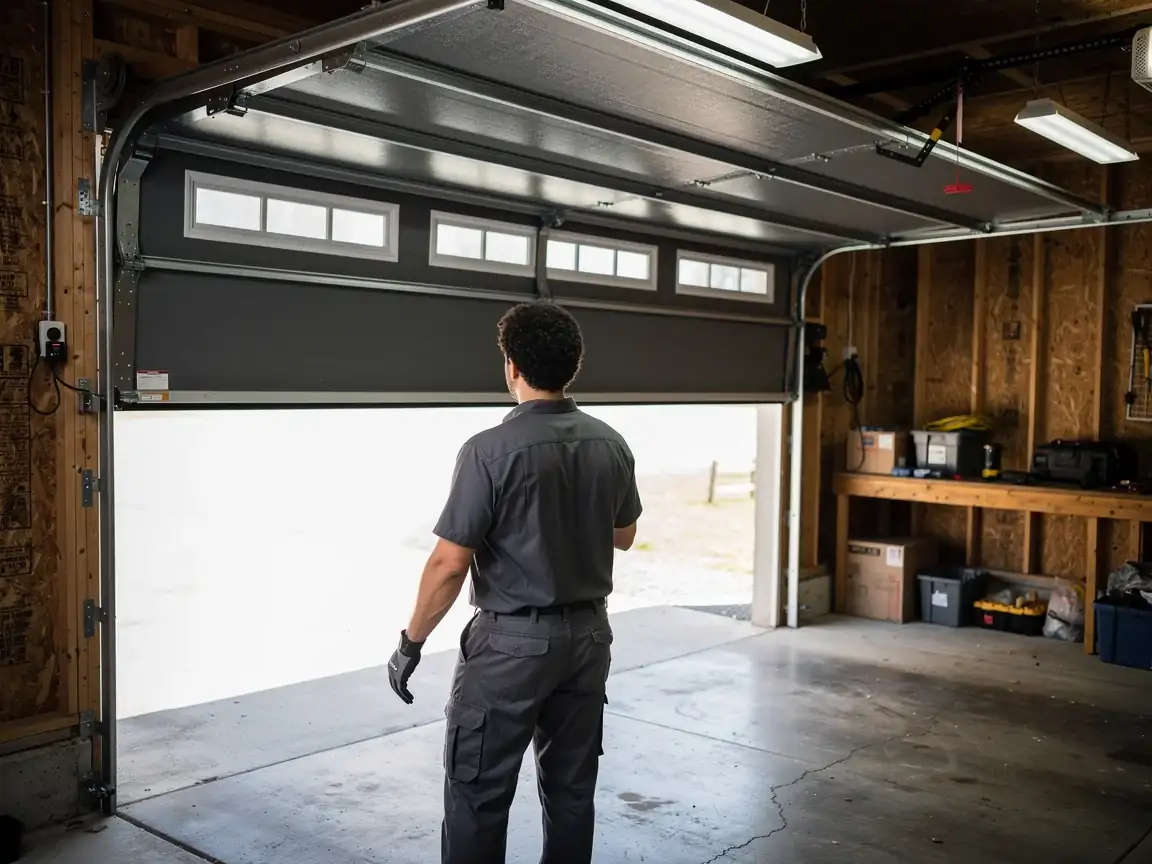
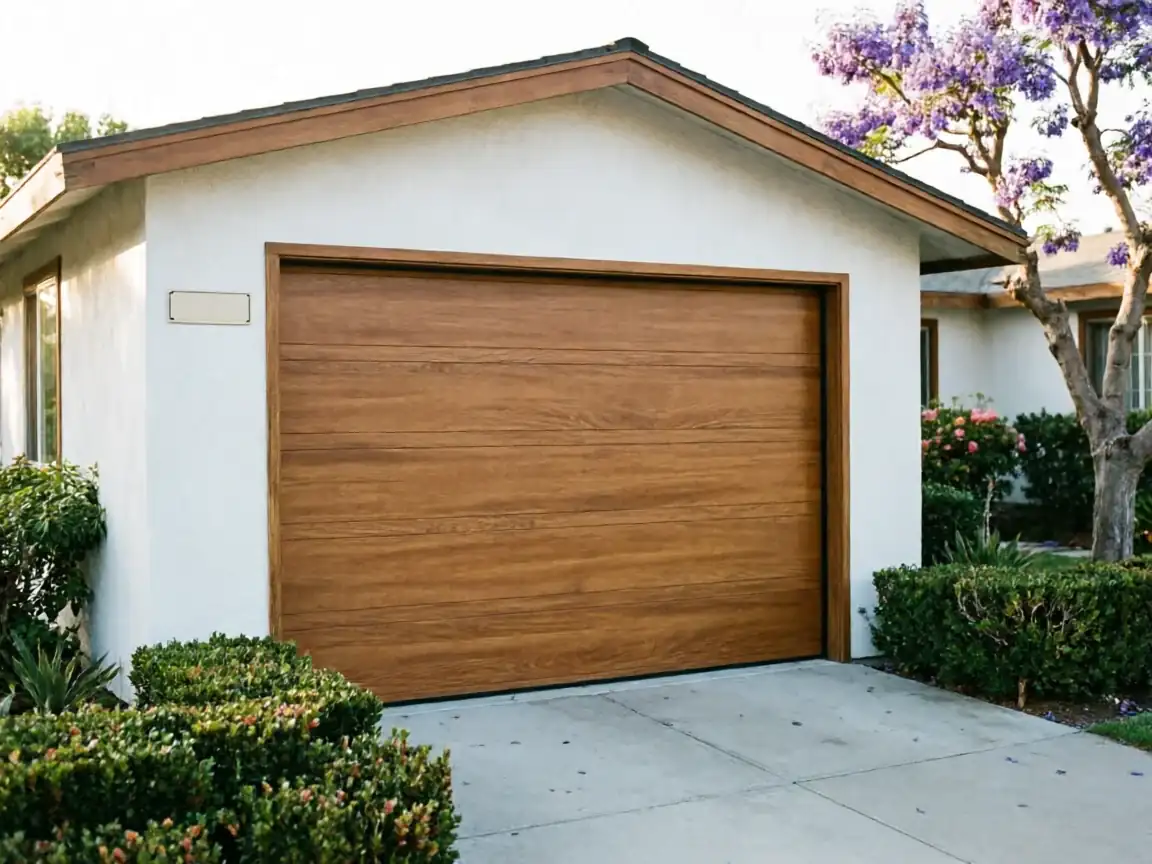
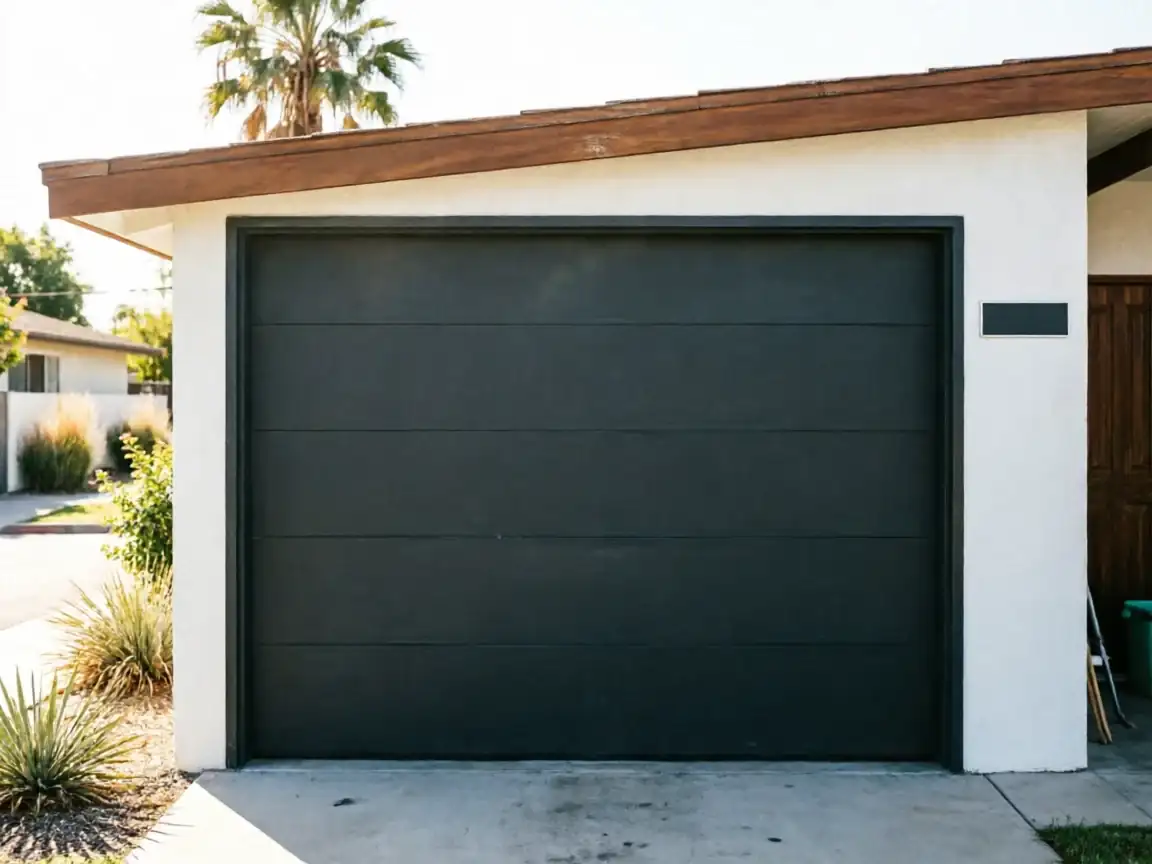
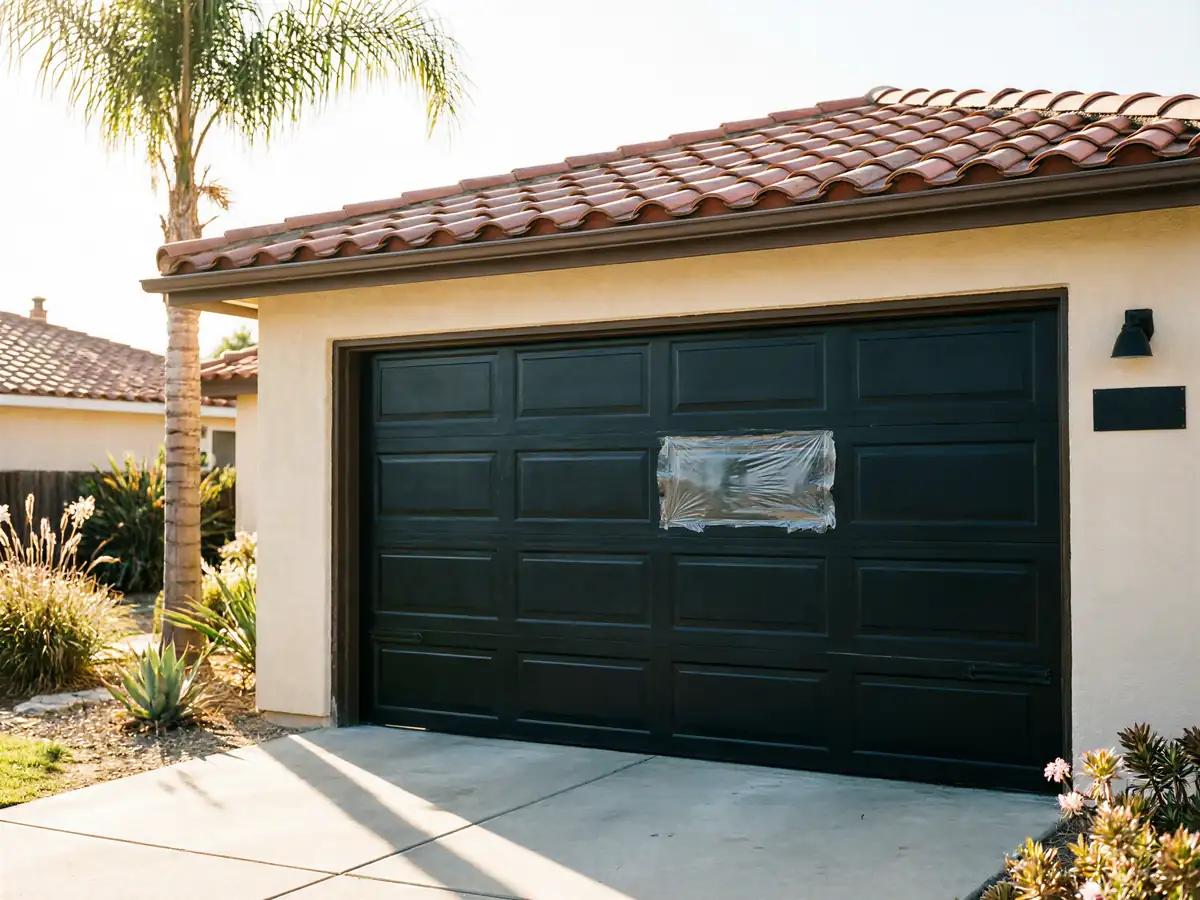
A town built mostly in one era tends to have one era's climate problems too. The region sits in a severe heat band, and on a steel door from the 1960s or 70s that means decades of expansion and contraction on panels and track that were never insulated to begin with. Panels warp at the seams, track brackets loosen where the wood framing has shrunk and swelled behind them for fifty-some years, and old single-layer steel doors do less to keep a garage - and whatever's stored or parked in it - cool during the worst stretches of summer. Newer infill construction mixed in among the older blocks runs steel-and-foam doors that handle that heat load differently and fail in different ways: opener logic boards and sensors rather than warped panels. One limitation worth saying plainly - if a door's shell is bowed from years of heat cycling, no amount of spring or roller work straightens it back out, and we'll tell you that instead of charging for a repair that won't hold.