What You Pay
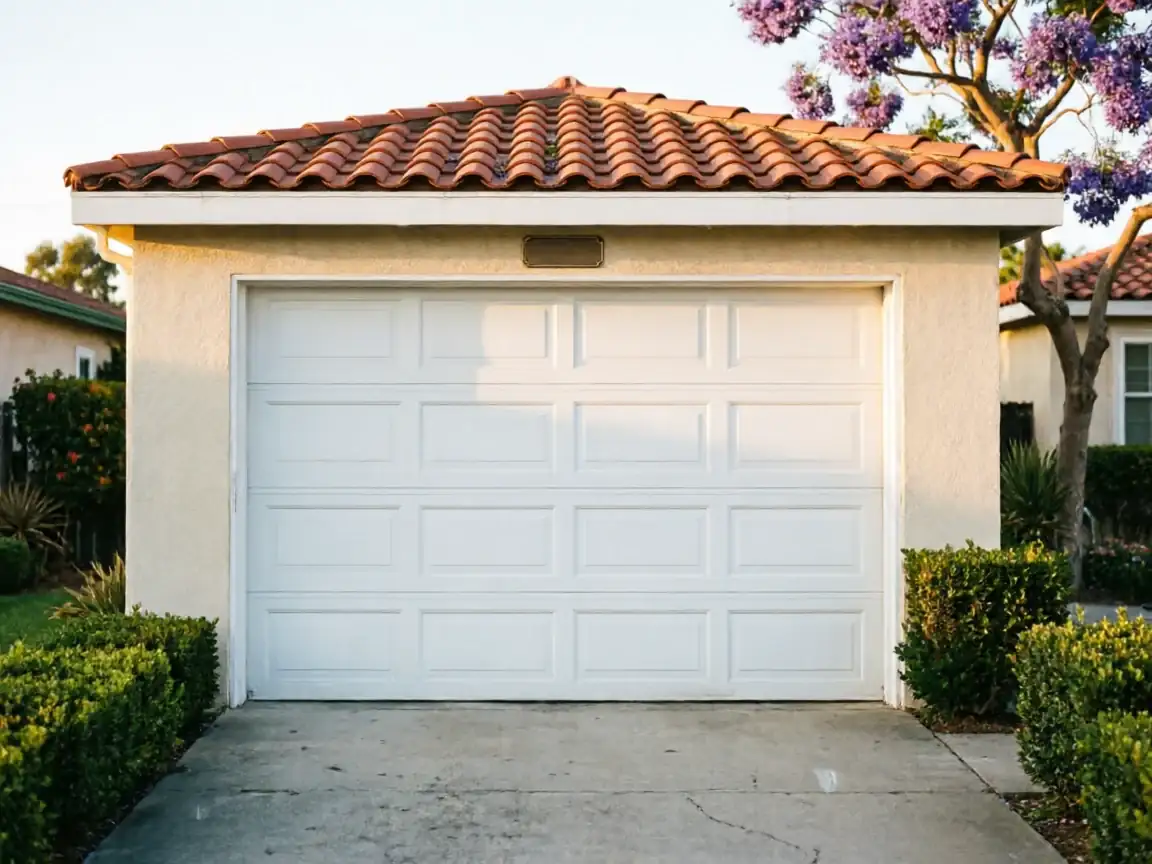
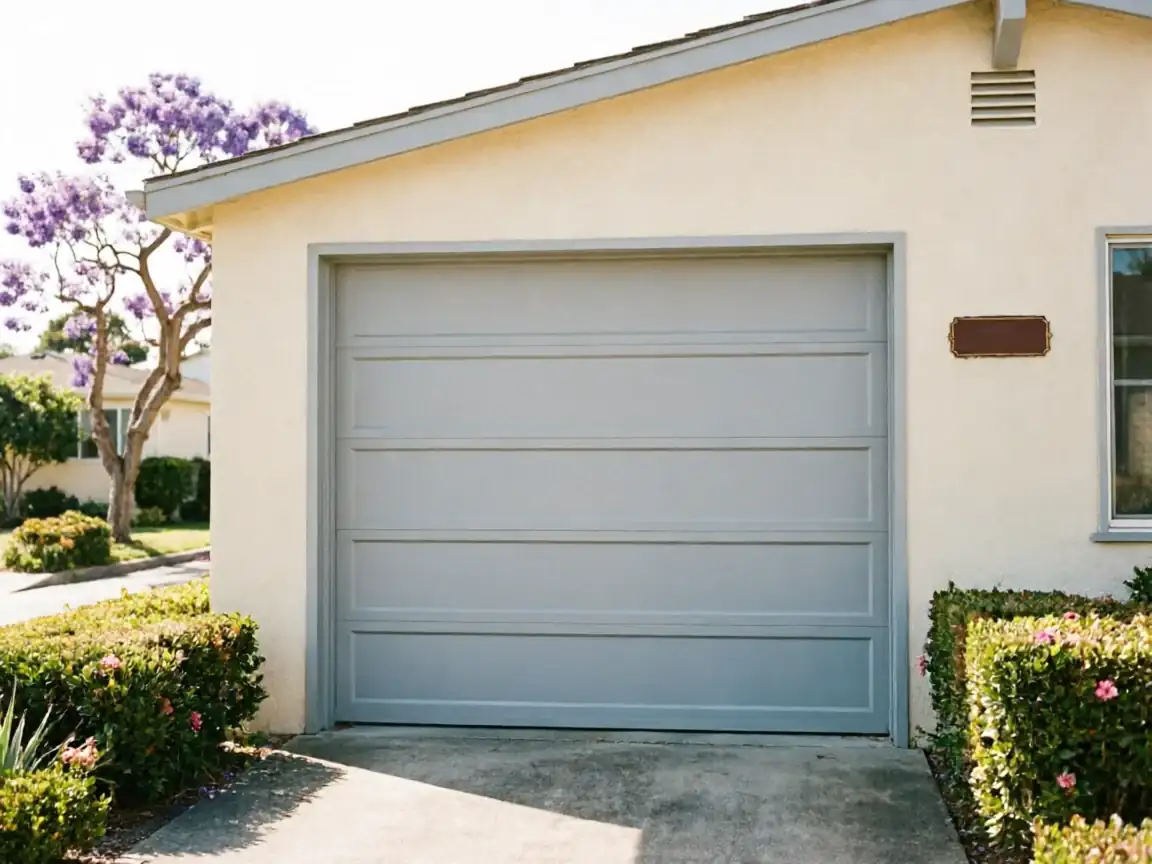
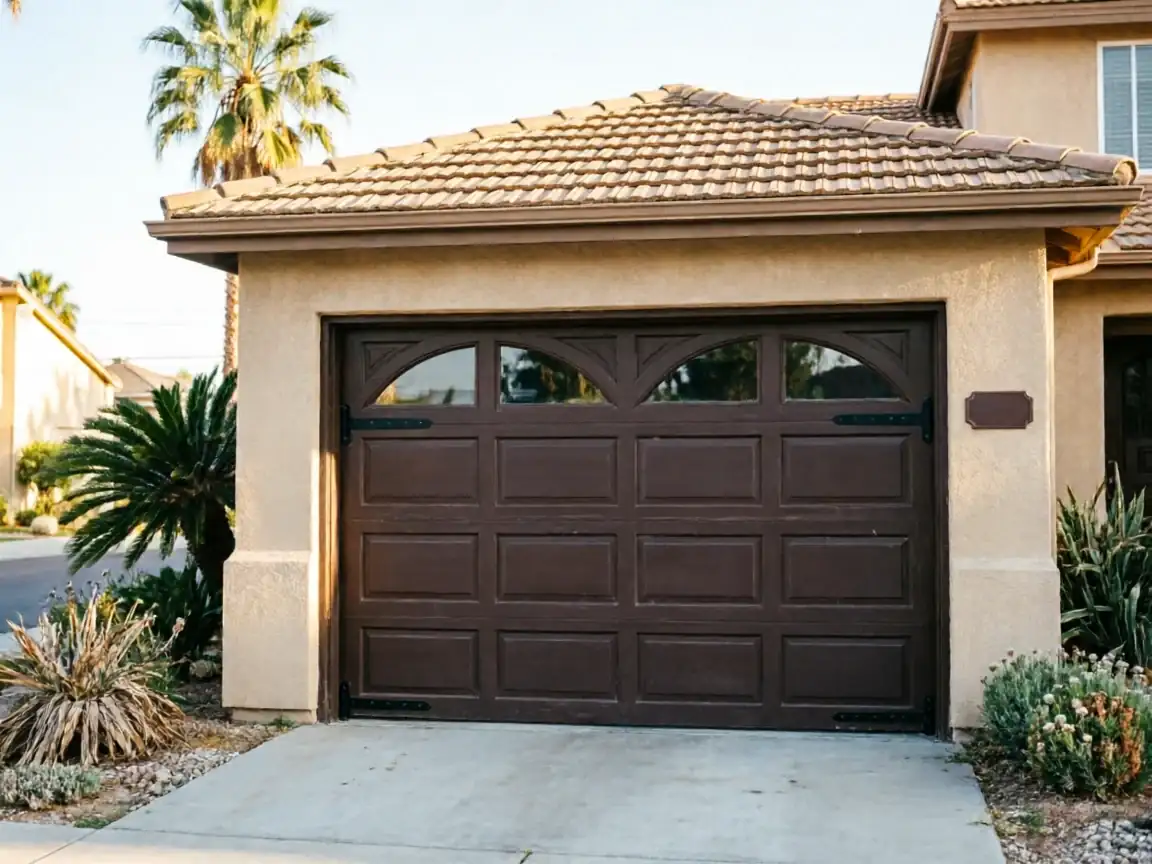
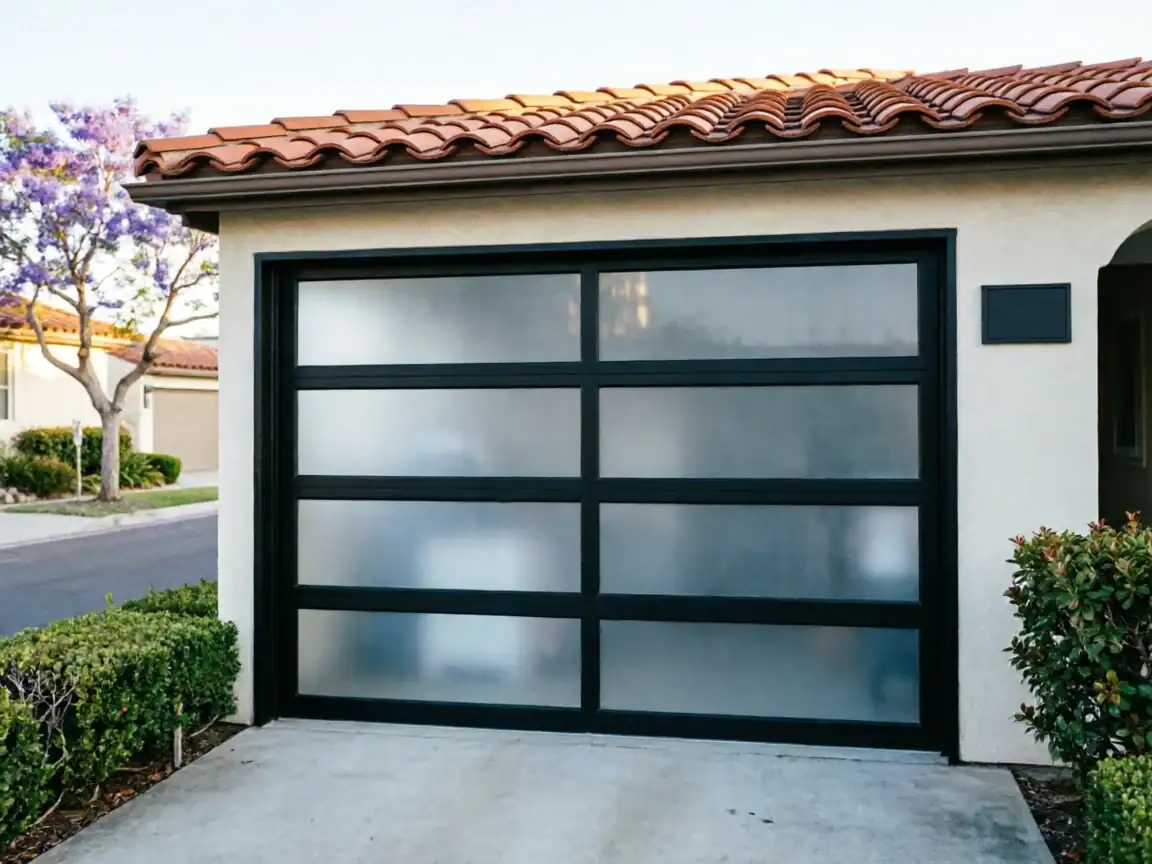
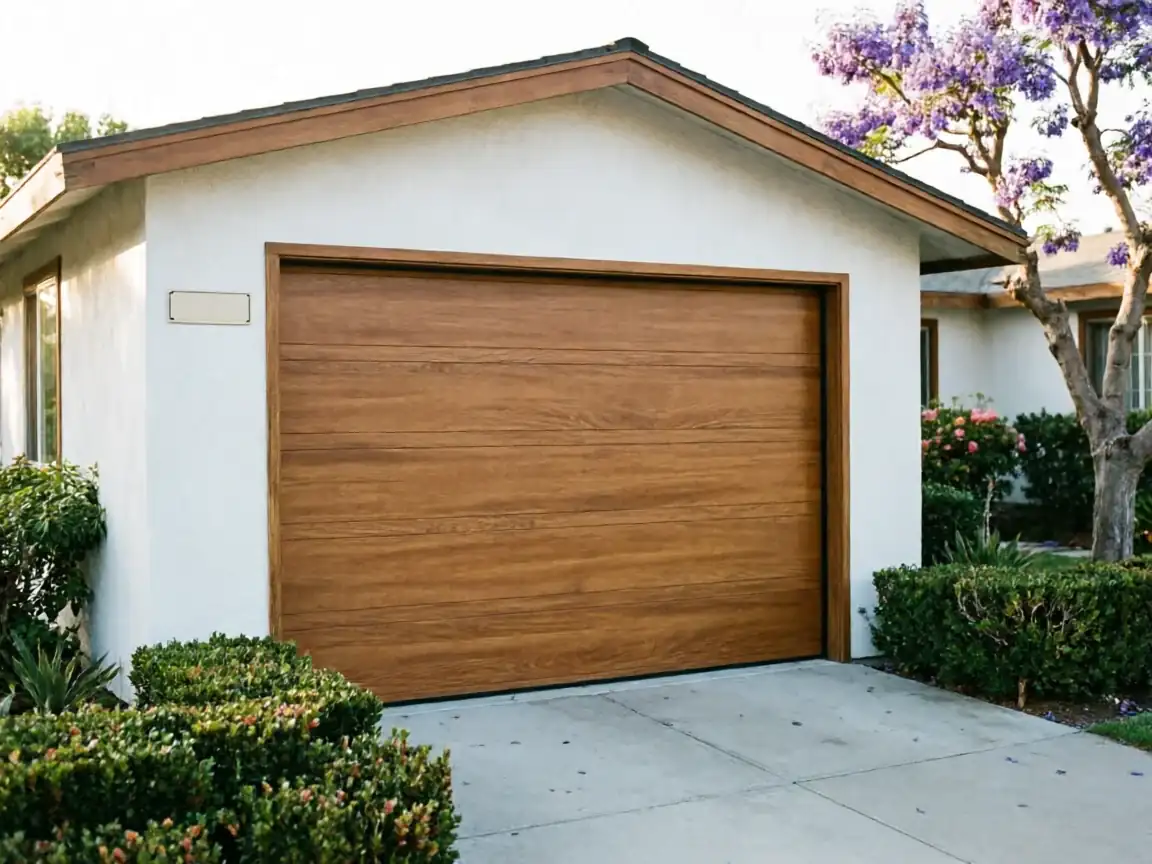
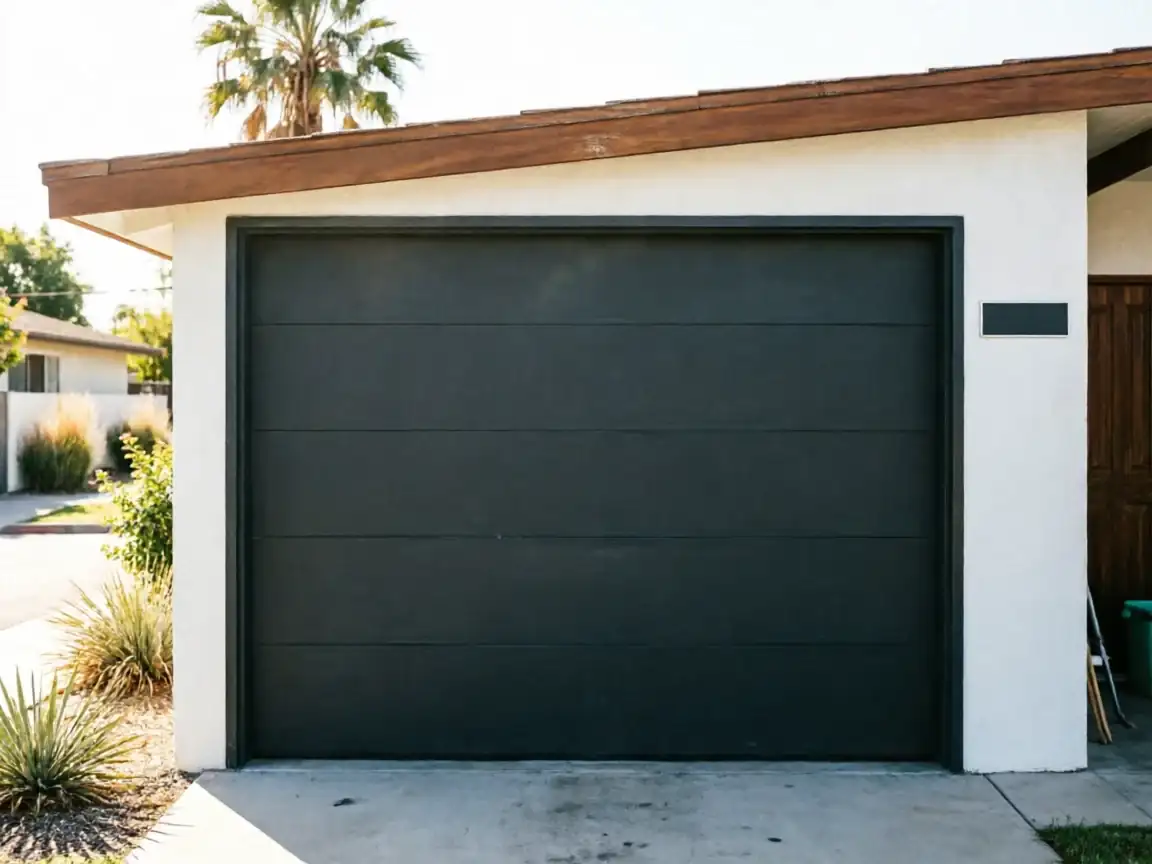
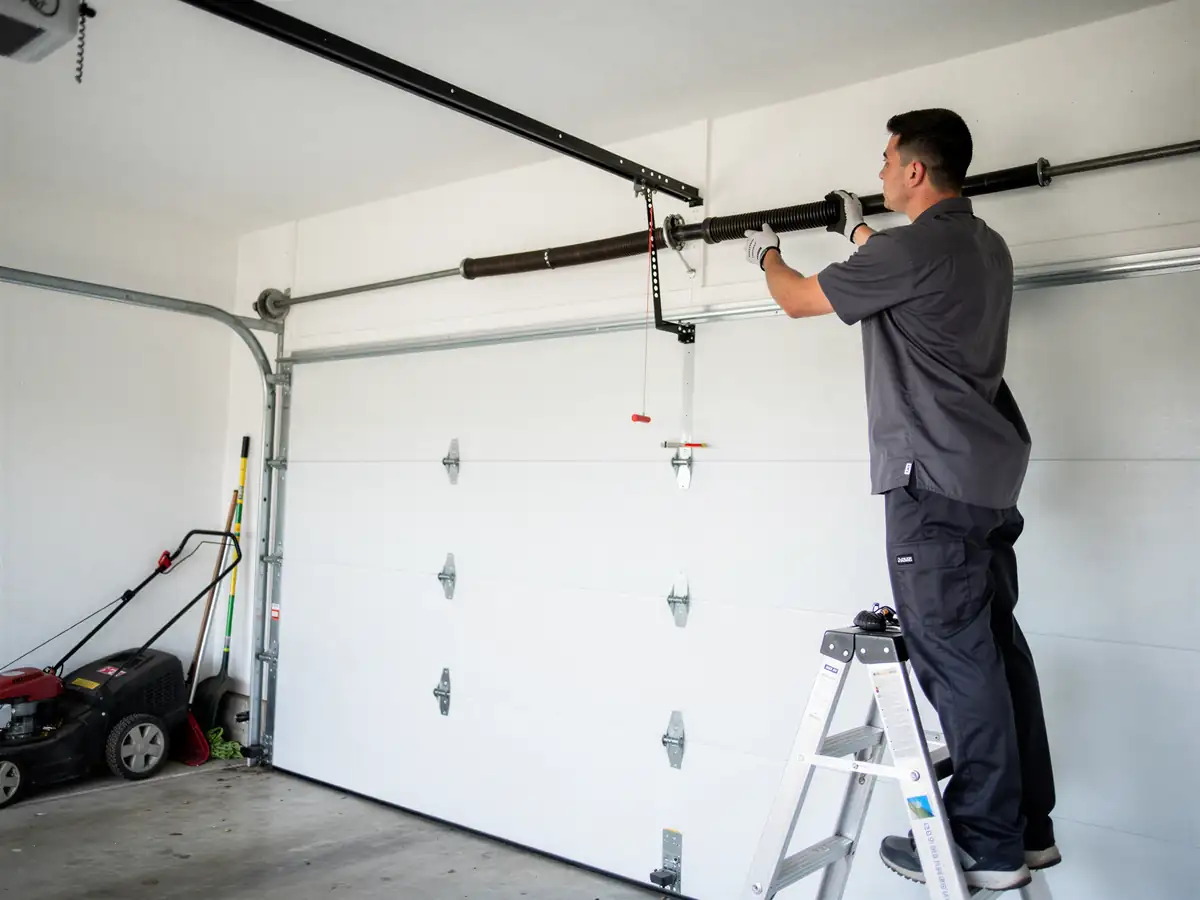
We don't post a flat number here because what a torsion spring job costs versus a full opener swap versus a bent track repair isn't the same call, and quoting one price for all of it would be a guess dressed up as a fact. What we can tell you is what drives the number: which part failed, whether the door is a standard single or a double-wide (common on the newer builds out toward Plumas Lake and Sutter), and whether the spring size on an older 1960s-70s door matches anything we carry on the truck or has to be special-ordered. Median household income in the service area runs around $80,104, and most of the repair calls we run land well under what a full door replacement costs - a broken spring or a burned-out opener motor is rarely the expensive problem people fear it is. The honest limitation: if your opener board is fried and the model's been out of production for a decade, we may tell you a new opener beats hunting for a part that doesn't exist anymore.
What You Are Seeing
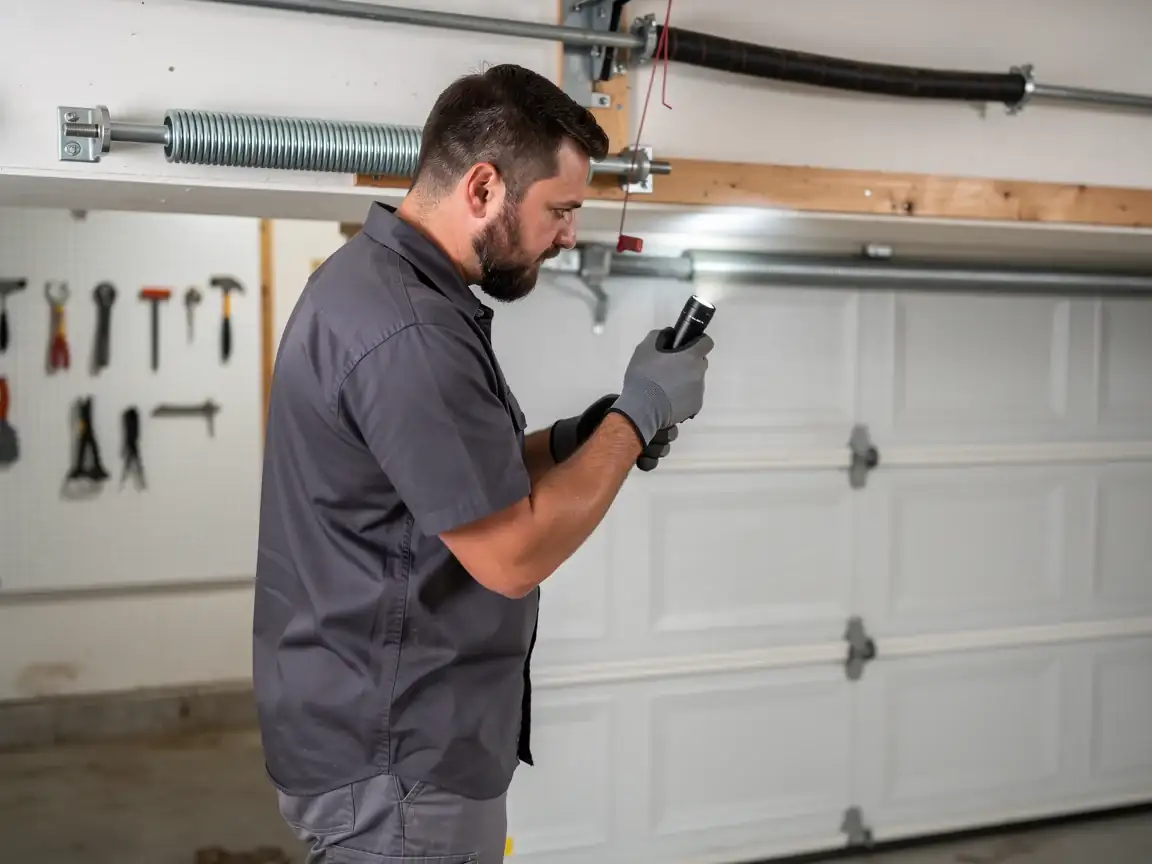
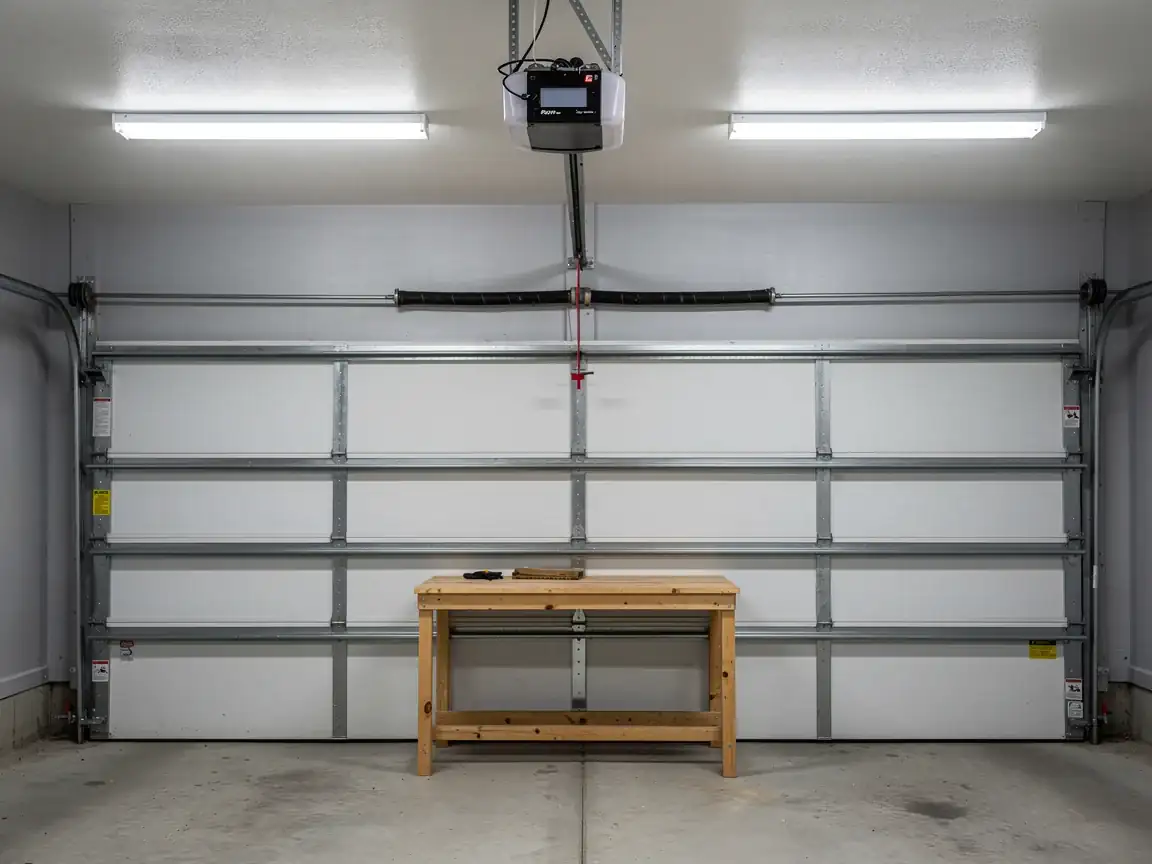
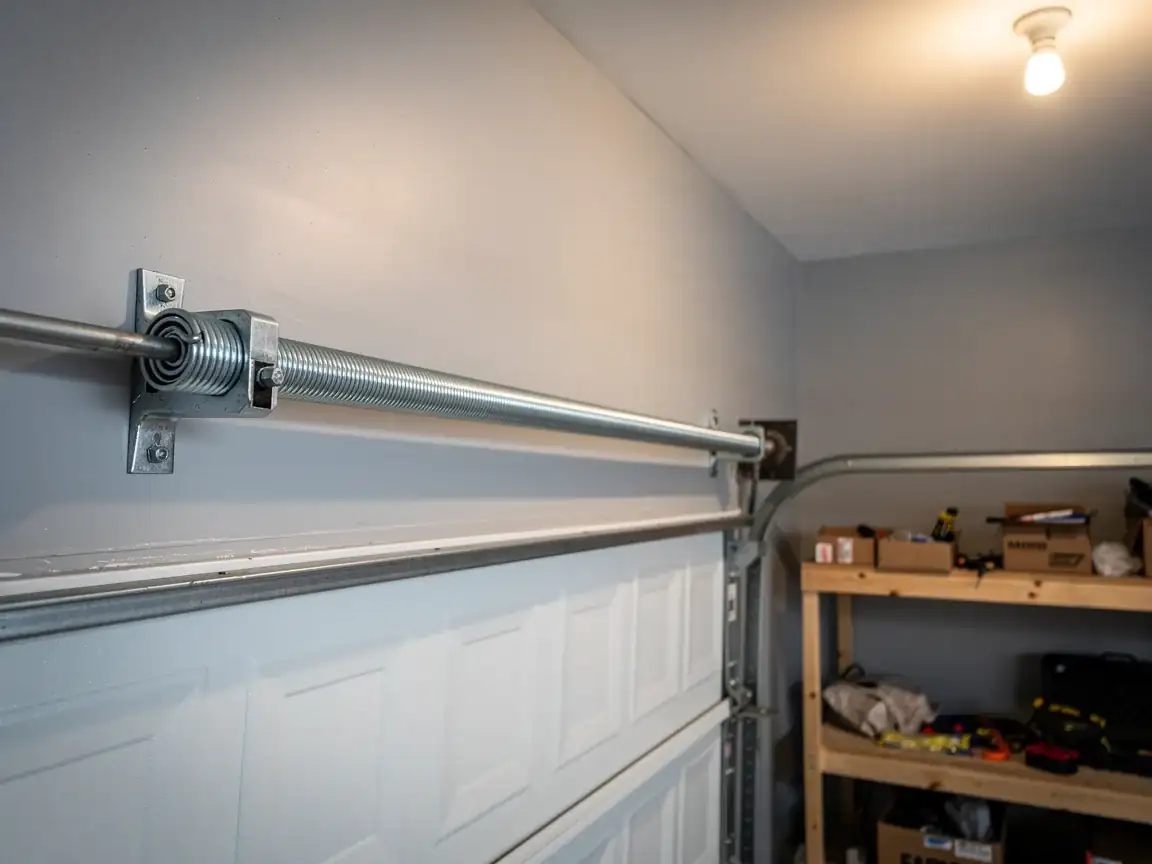
The door won't open past six inches and the opener motor hums without moving anything - that's a snapped torsion spring, and it's the single most common call we get. Next most common: the door reverses itself halfway down, or the remote works some days and not others, which usually traces back to a worn roller binding in a track that's shifted slightly out of square. On older one-piece doors from the 1970s-era stock that's still common across parts of the area, you'll sometimes see the whole panel sag in the middle during the hottest part of the day, then sit flush again by evening. That's not your imagination - it's steel doing what steel does under heat load. If your door is slamming down the last foot instead of settling, the extension or torsion spring tension has dropped and it's no longer counterbalancing the weight of the panel, which on a double door can run well over a hundred pounds.
The Complications
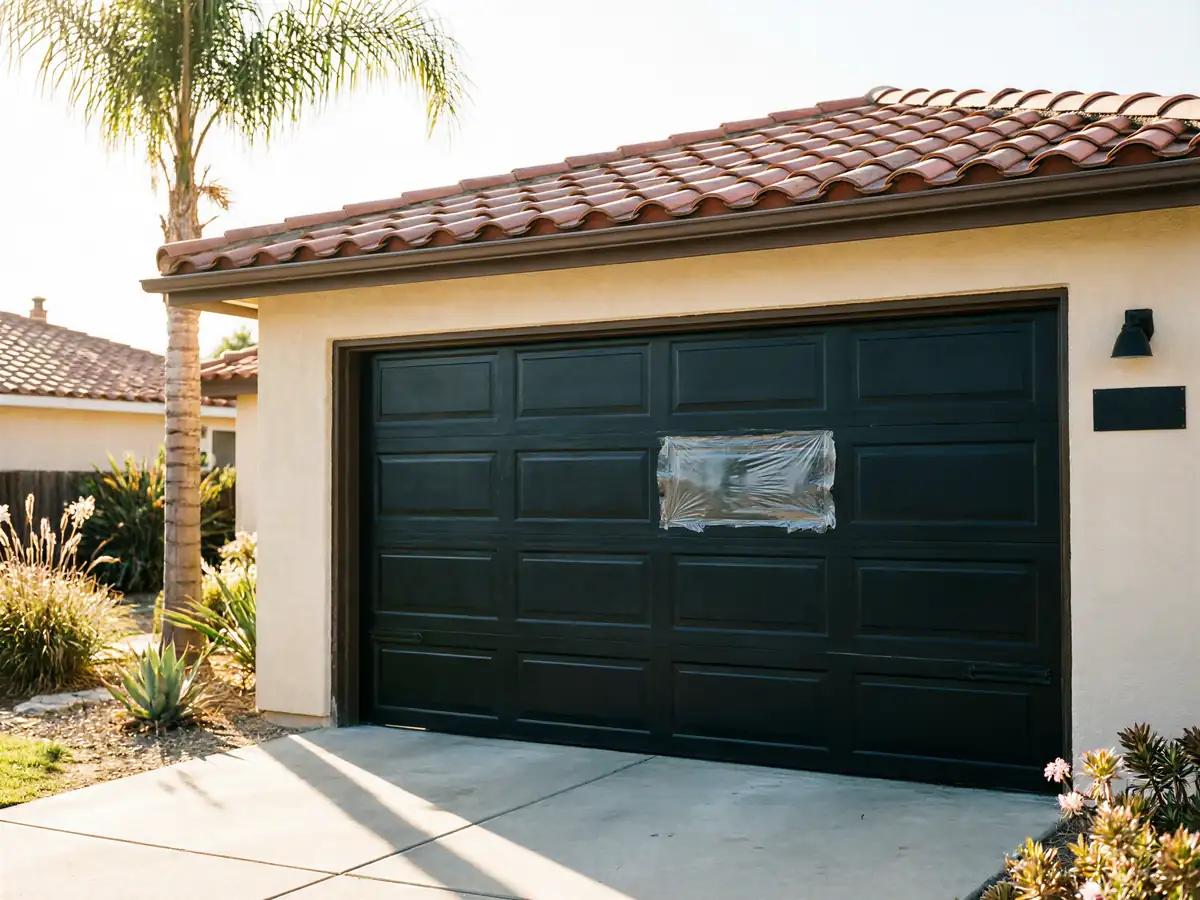
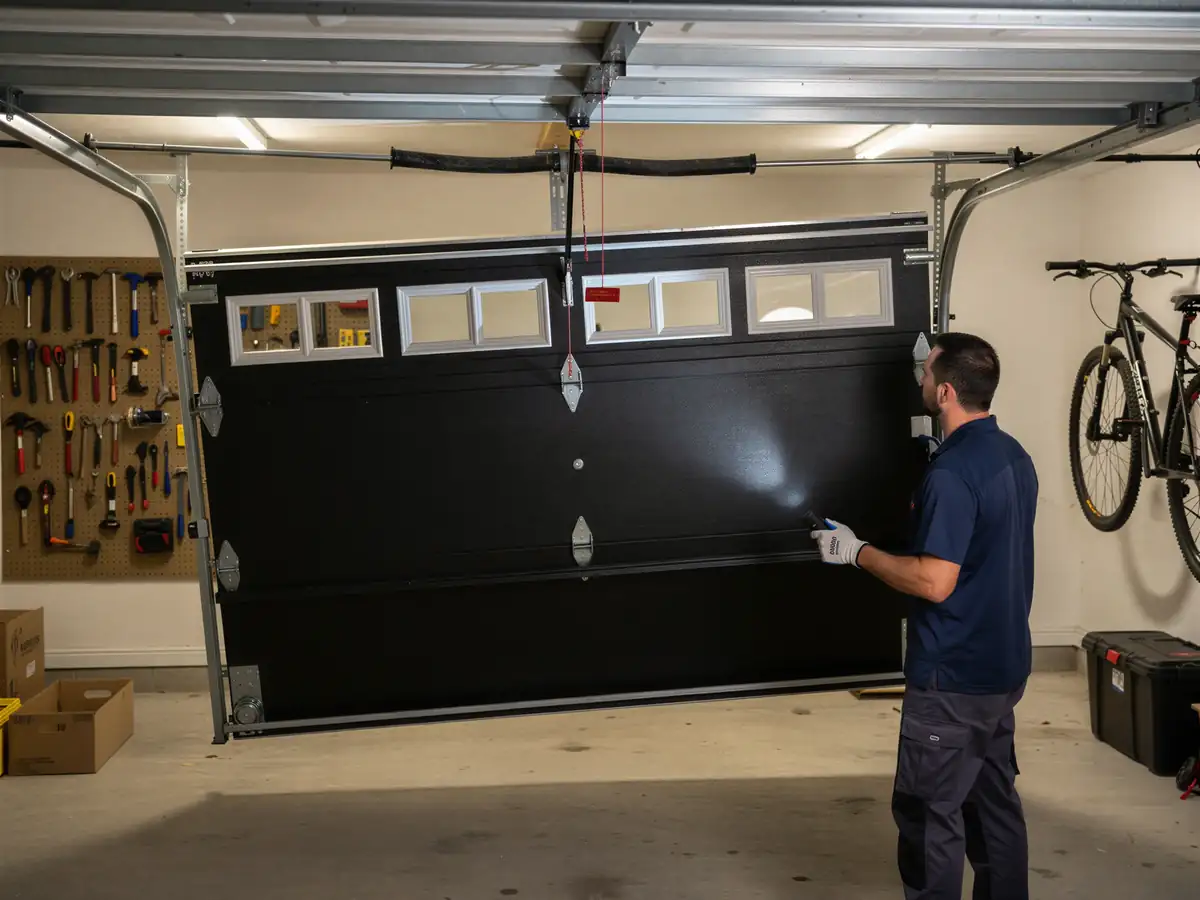
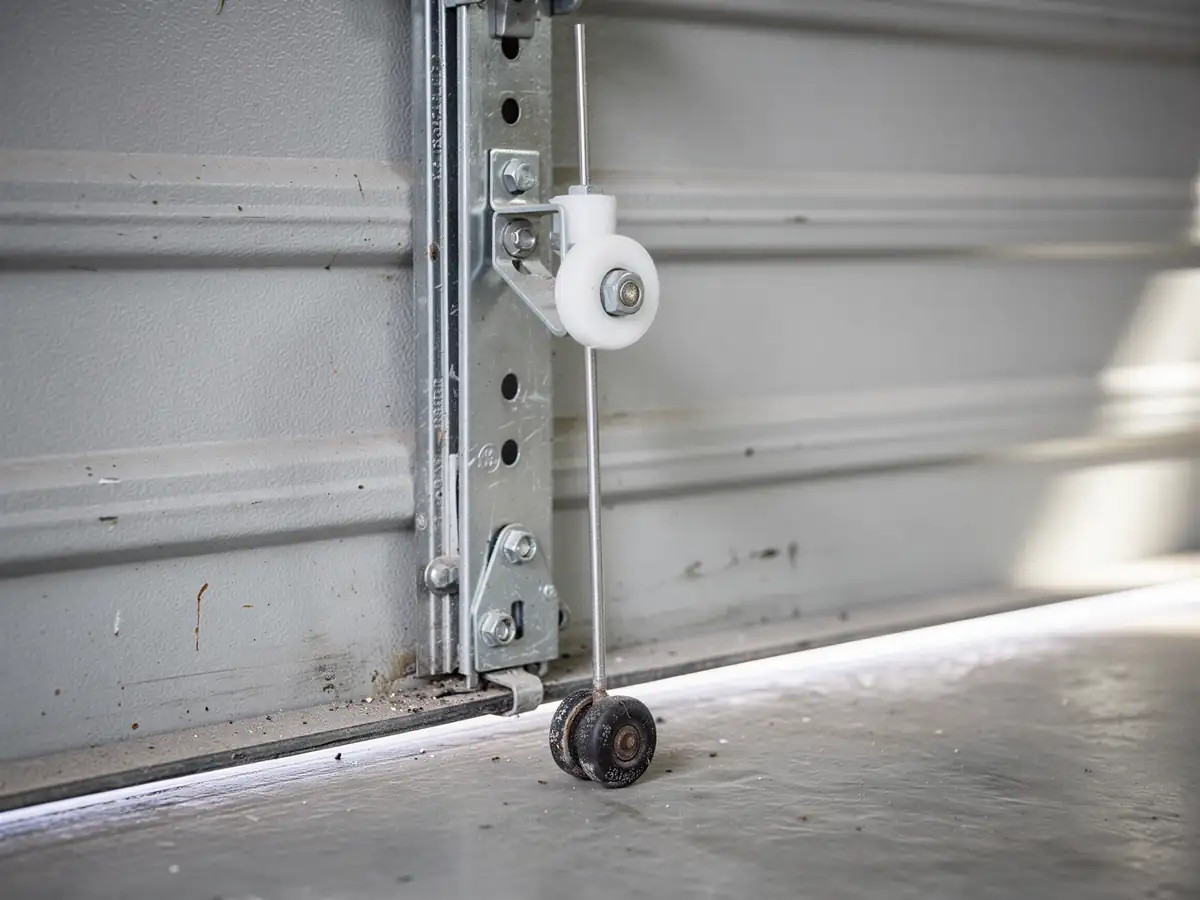
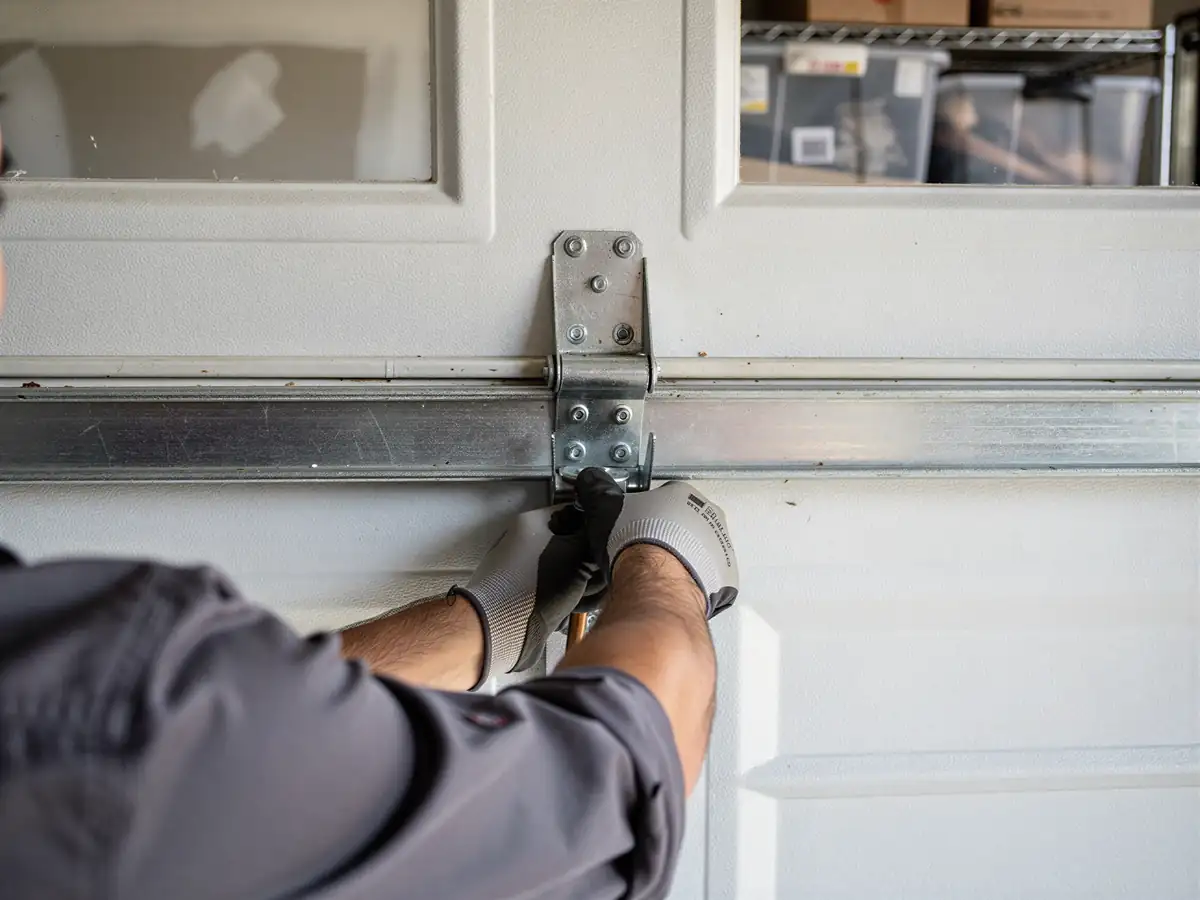
A door that's been limping along on a weak spring doesn't just fail cleanly - it usually takes something else with it first. We regularly find a cable frayed from running under uneven tension, or an opener gear stripped from fighting a door that's heavier on one side than the spring can handle. On the older 1960s-70s builds, galvanized track brackets that have been baking and cooling for decades can crack at the mounting bolt rather than bend, which means a track repair turns into a full bracket replacement mid-job. With 15,263 owner-occupied houses across a service area built mostly before double-insulated steel doors were standard, we also run into wood jambs that have shifted slightly with age, so a new door doesn't sit square until the frame gets shimmed. None of that shows up until the door's already off its track, which is why a same-day quote over the phone is always rougher than what we find once we're actually looking at it.