Time on the Job
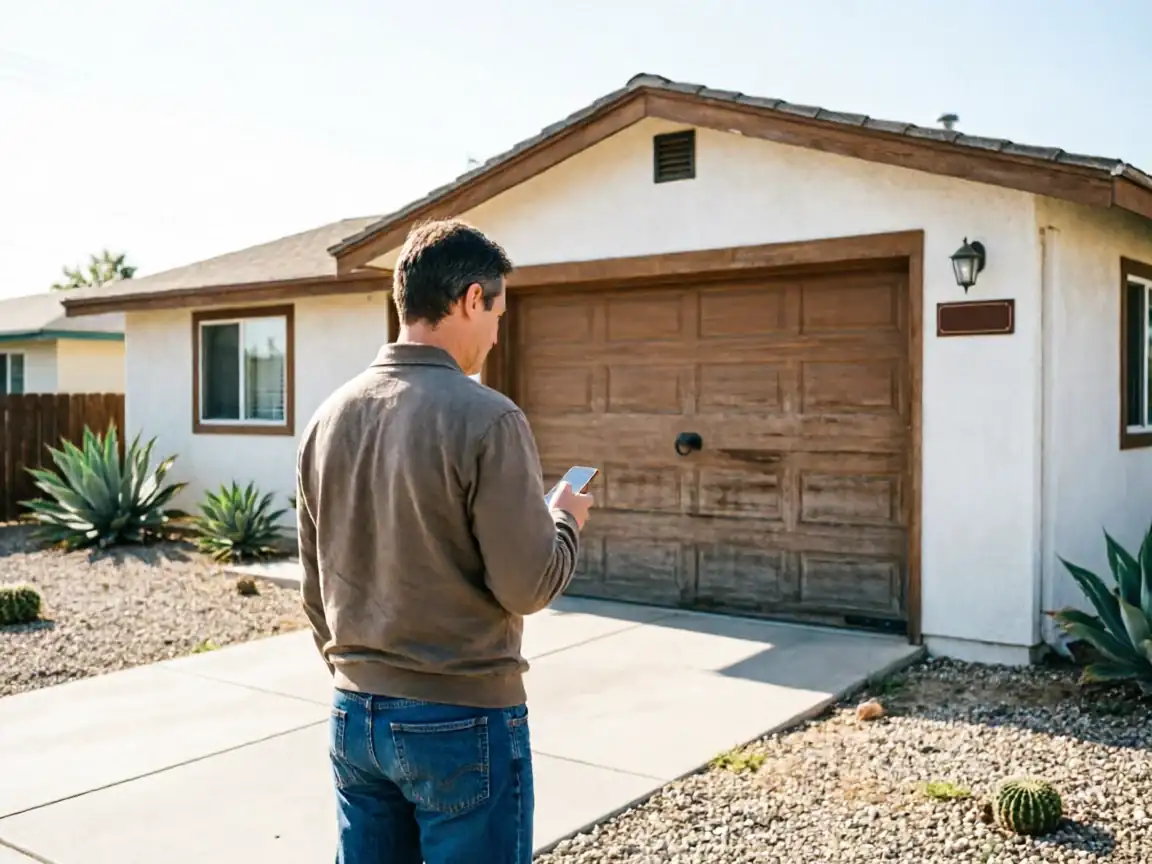
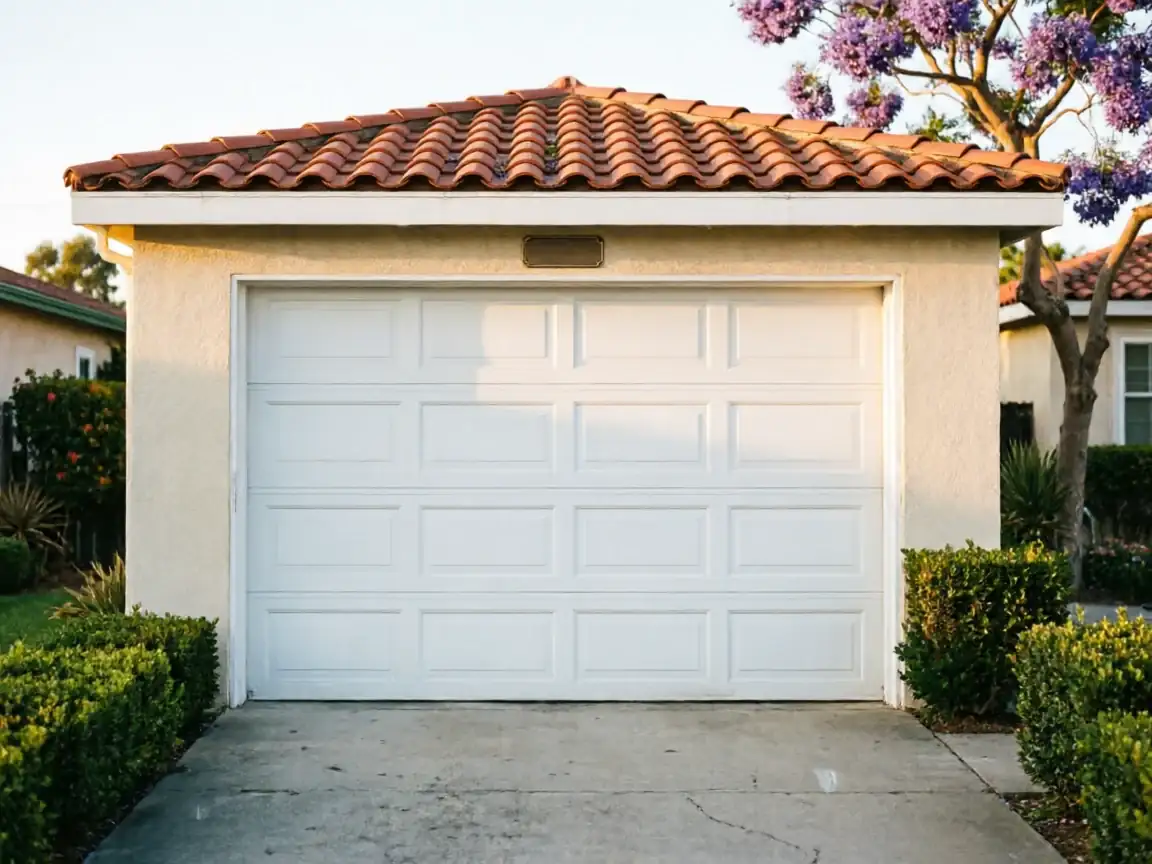
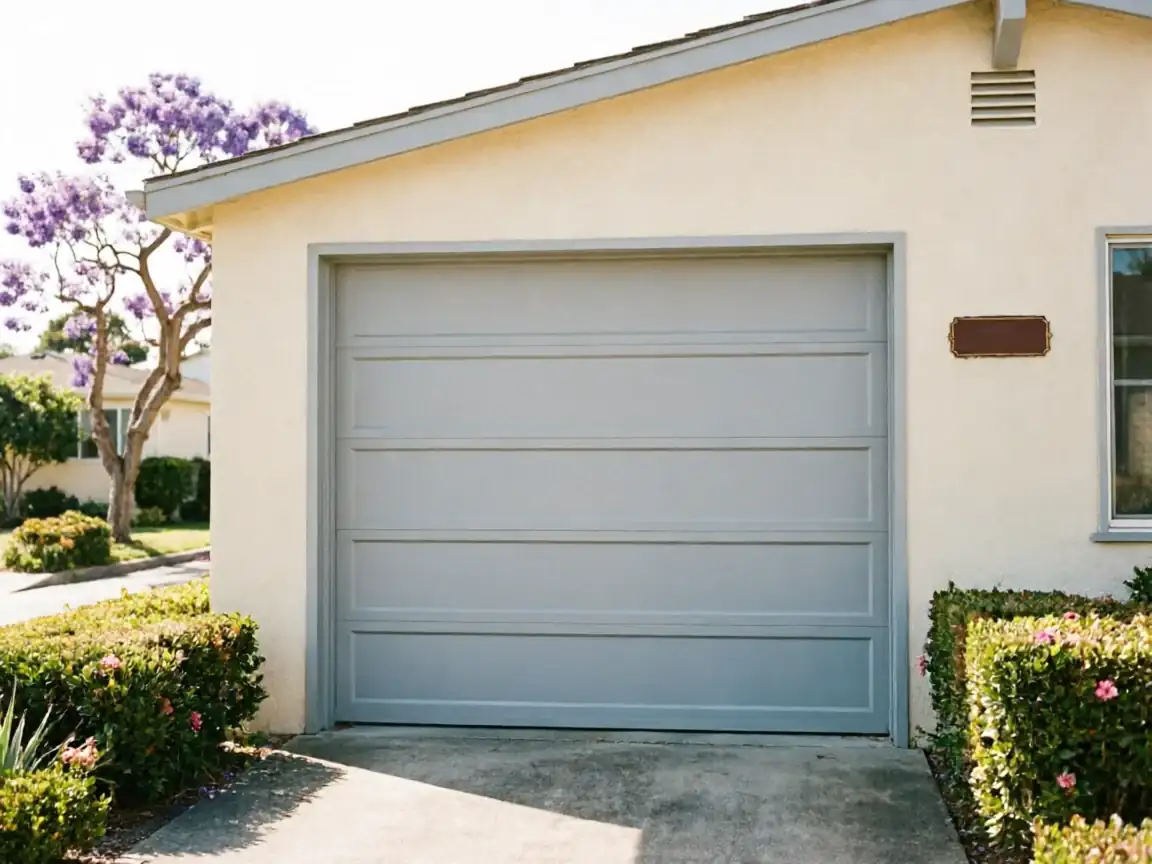
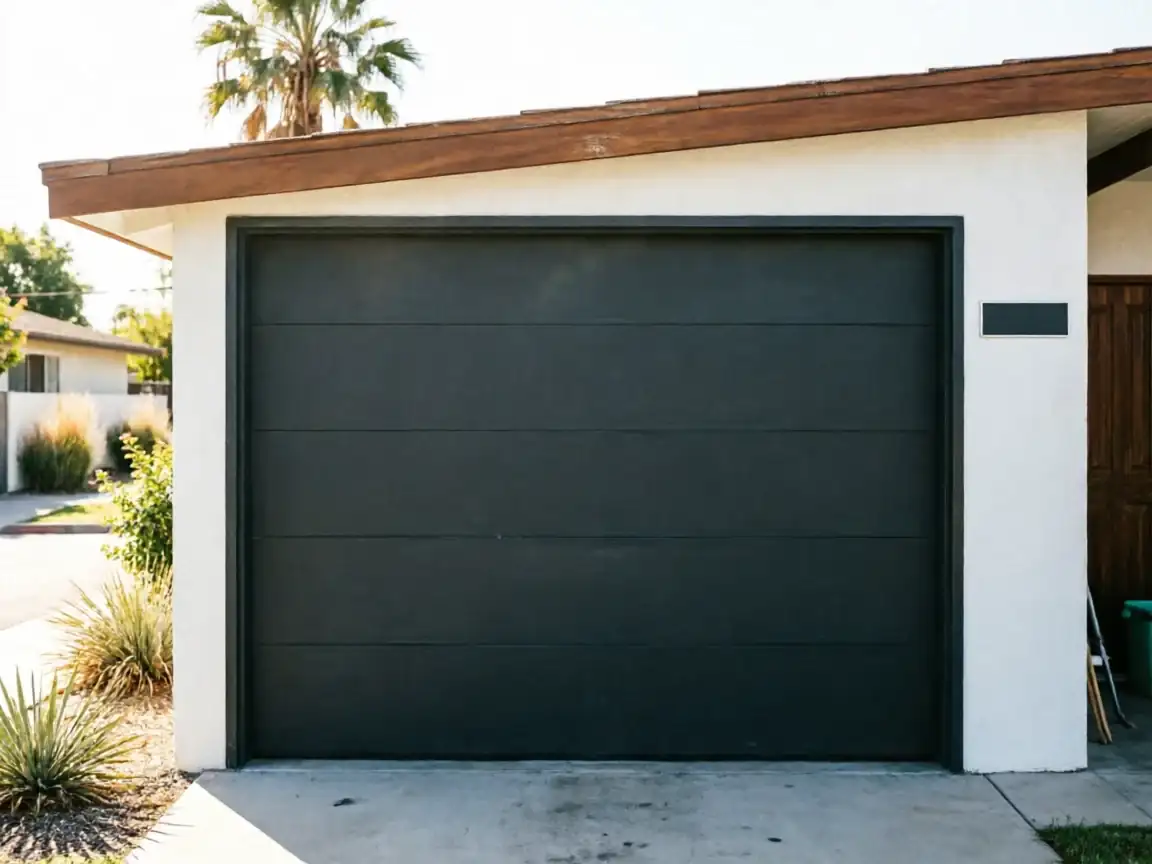
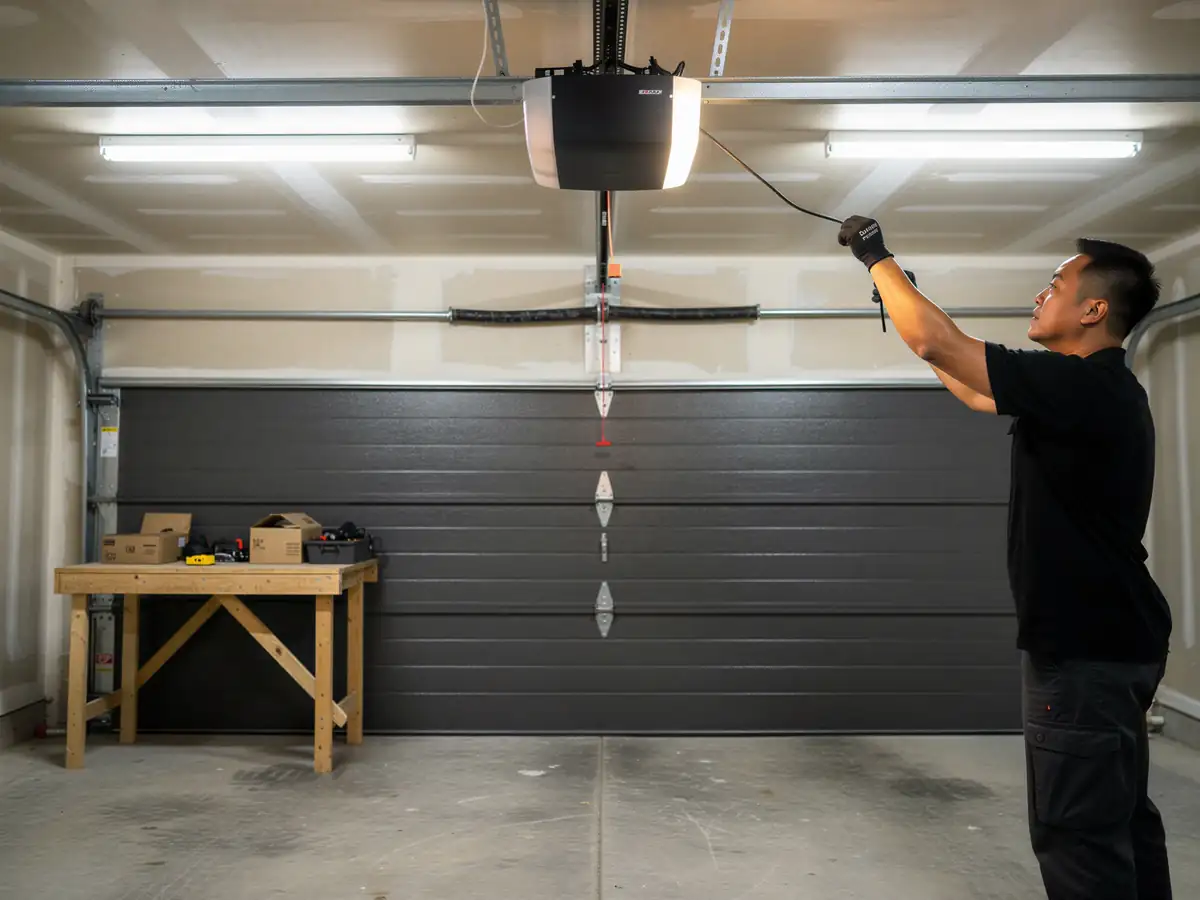
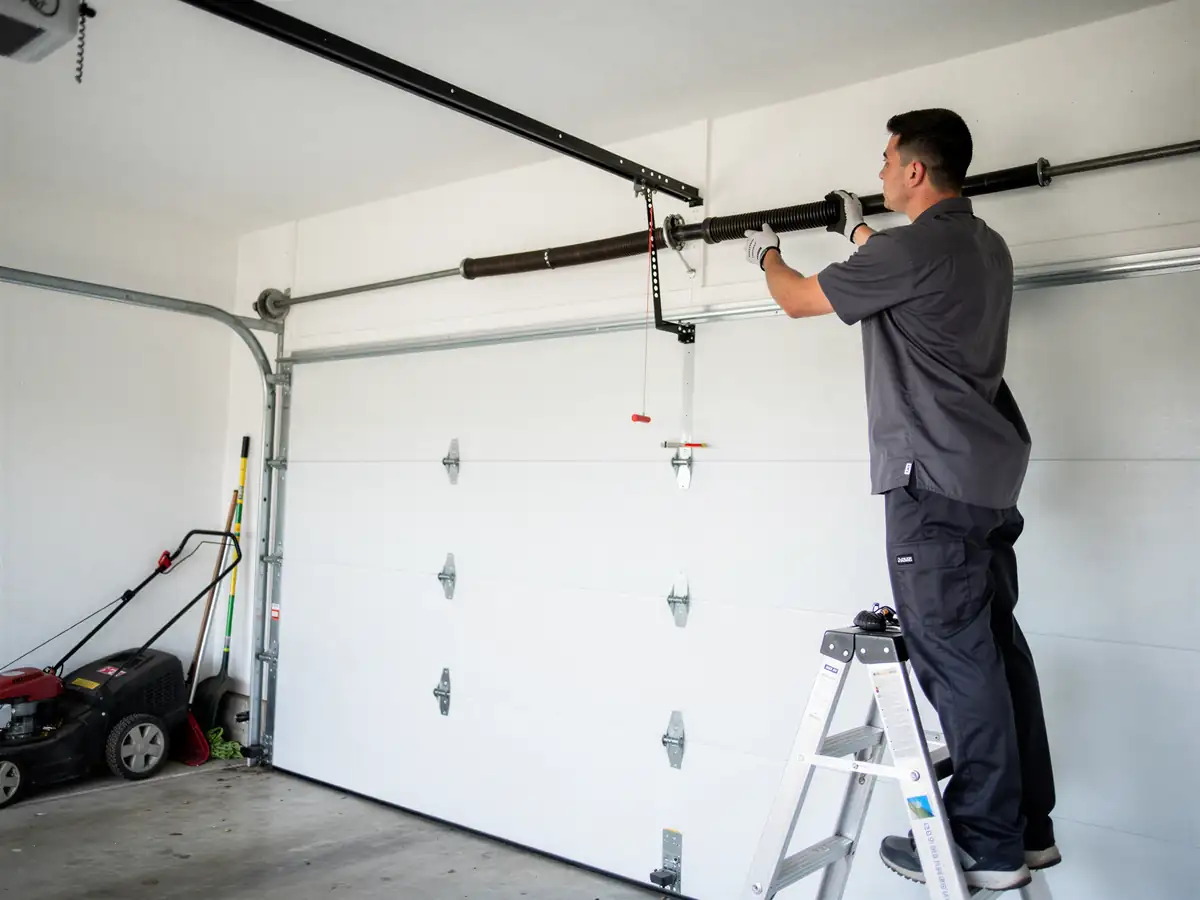
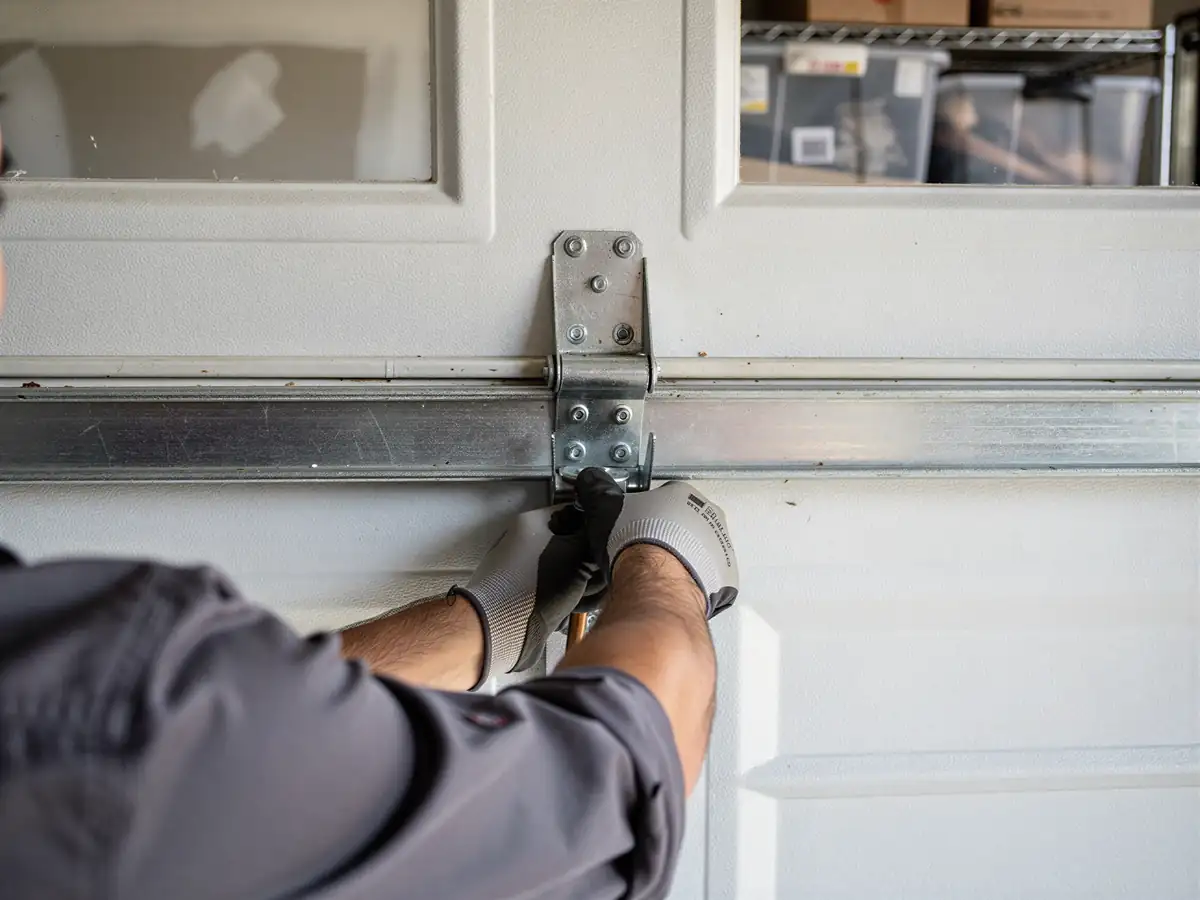
Most garages in Gridley went up around 1966, well before the area's broader median of 1979. That gap matters on a service call. A door from that build year is almost always a plain steel sectional, un-insulated, hung on a standard 16-by-7 opening with galvanized track and a torsion spring sized for a single-layer panel - not the heavier insulated doors that came later and need different spring tension. We see a lot of original hardware still in service here: steel rollers instead of nylon, a single torsion spring instead of a dual setup, and openers that have been swapped once or twice but still bolt into framing built for that lighter door. Before anyone touches a wrench, we're checking whether the fix at hand is sized for a 1966 door or whether a well-meaning prior repair bolted on parts meant for something newer and heavier. That mismatch is one of the more common reasons a "simple" spring job turns into more than expected once we're actually looking at the opening. We travel out from our Yuba City shop for every call here - there's no branch location in Gridley, so the door gets looked at by someone who drove 16 miles to get there, not someone working out of a local storefront.
Parts We Carry
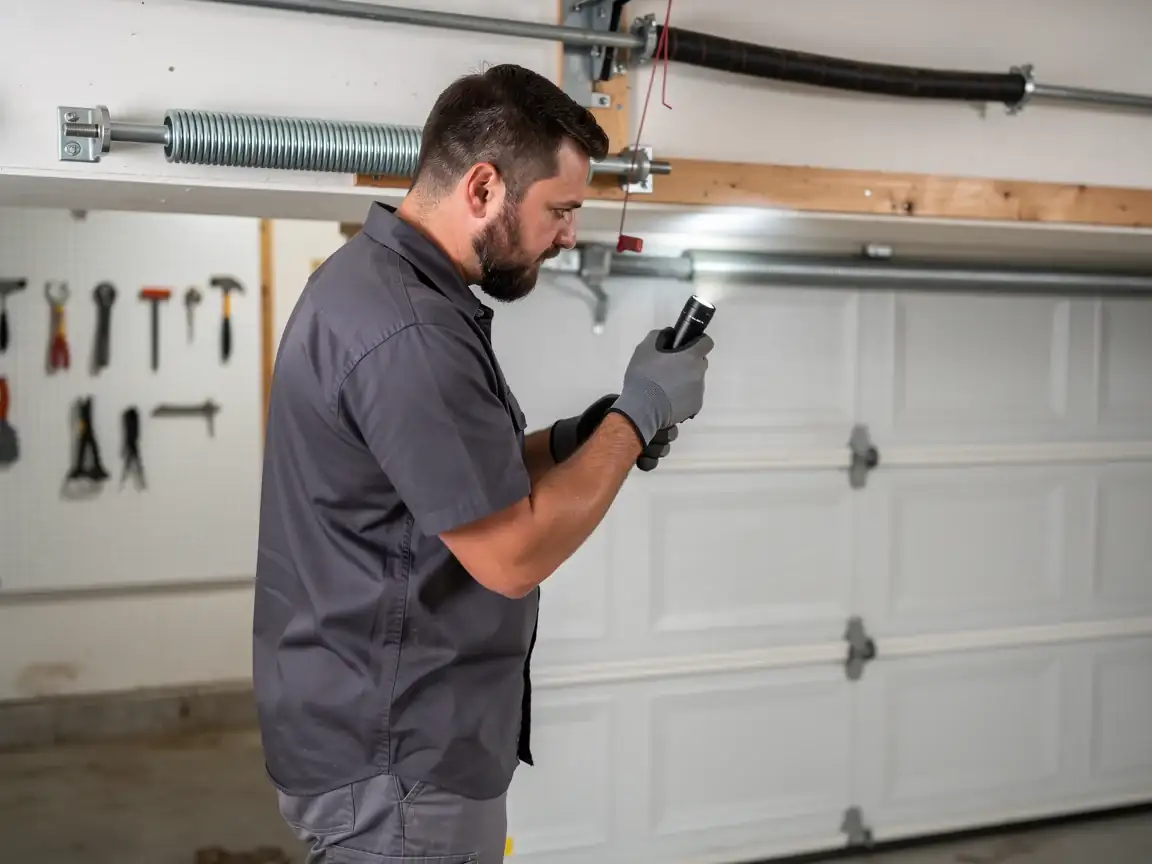
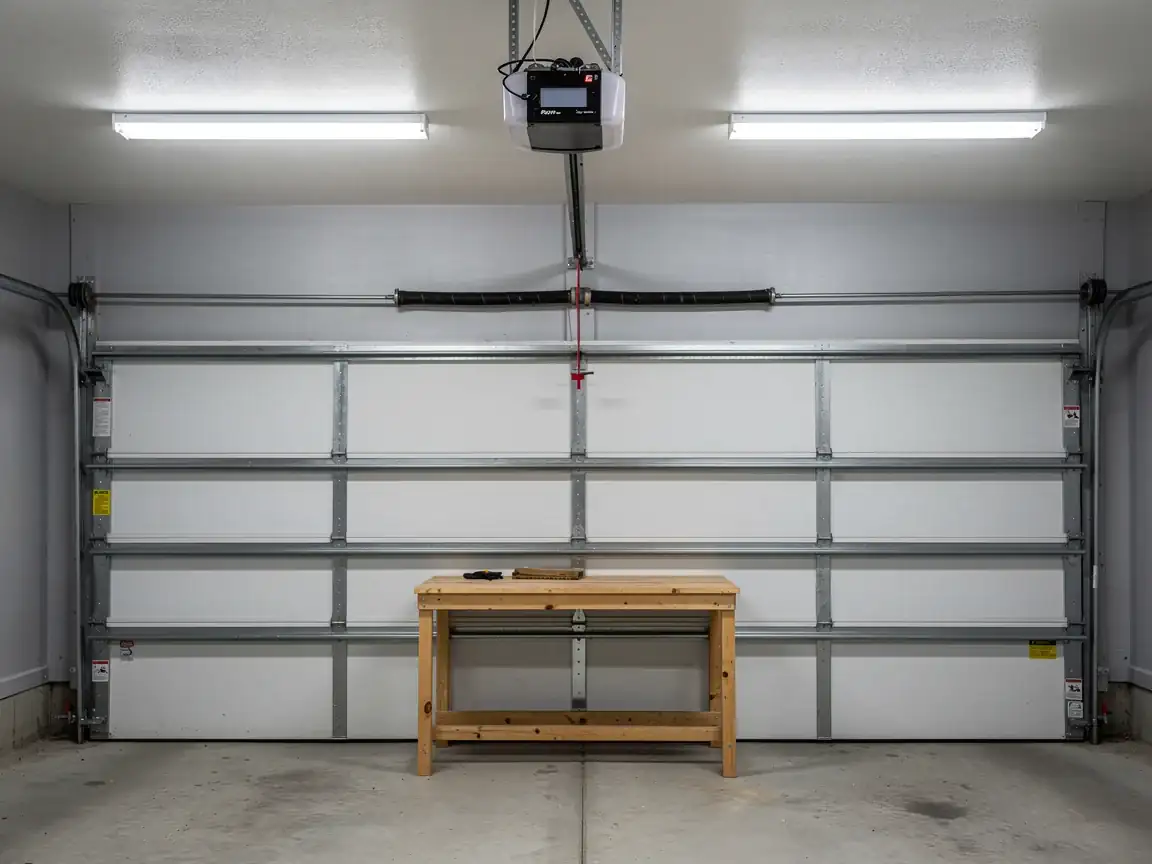
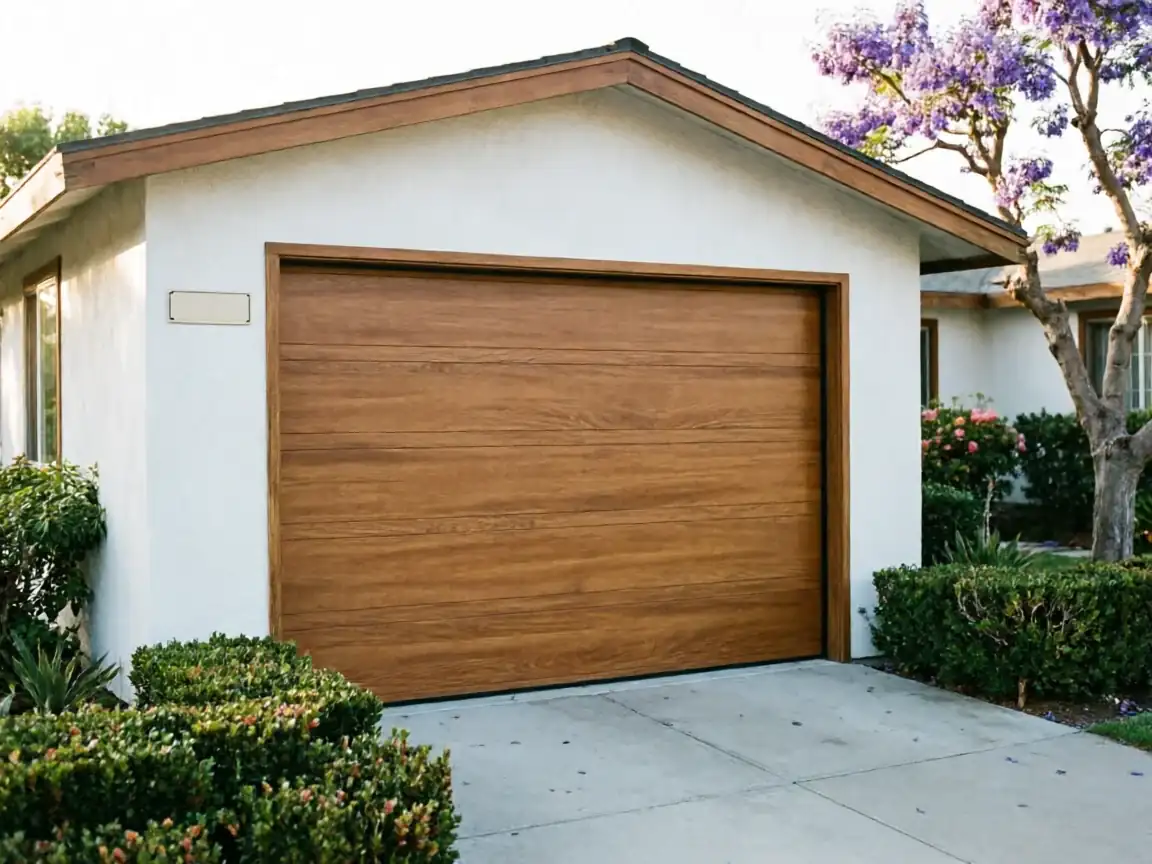
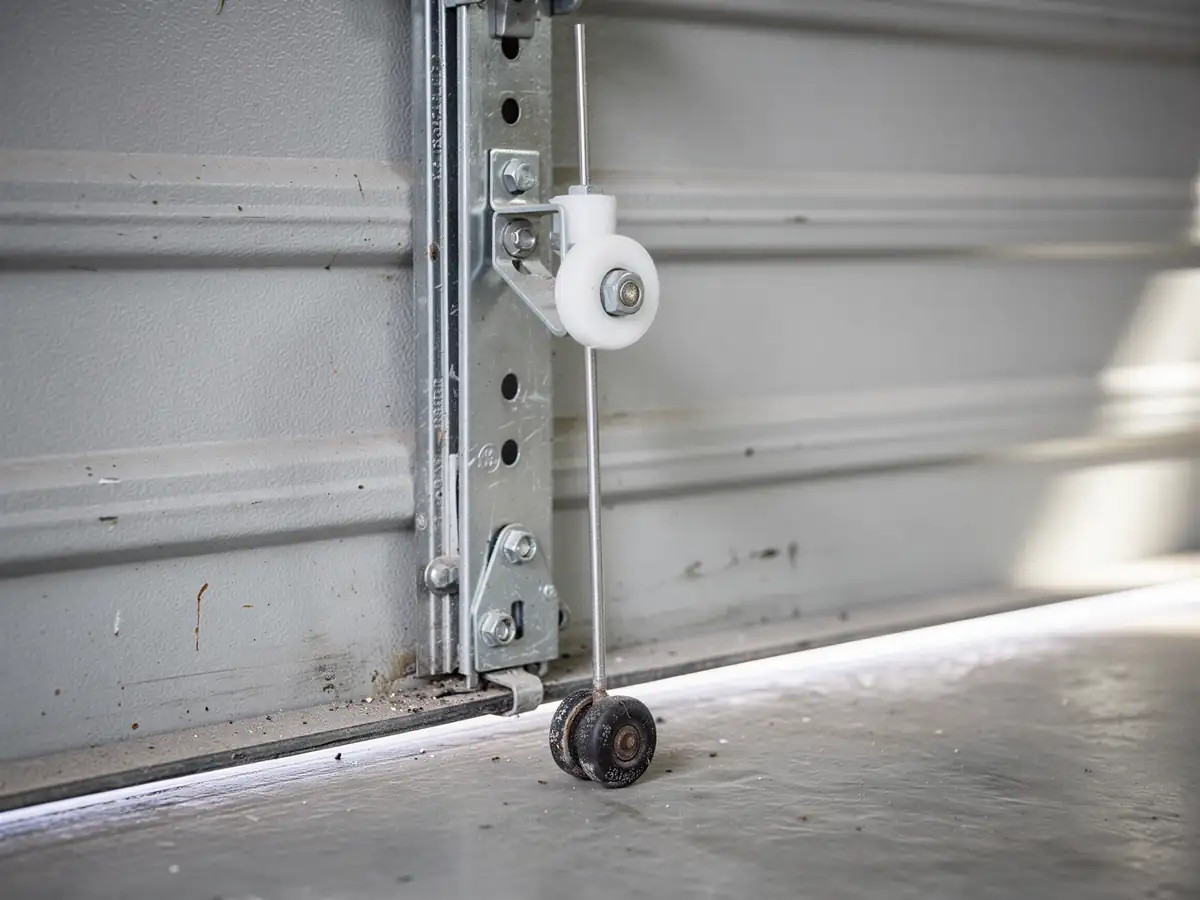
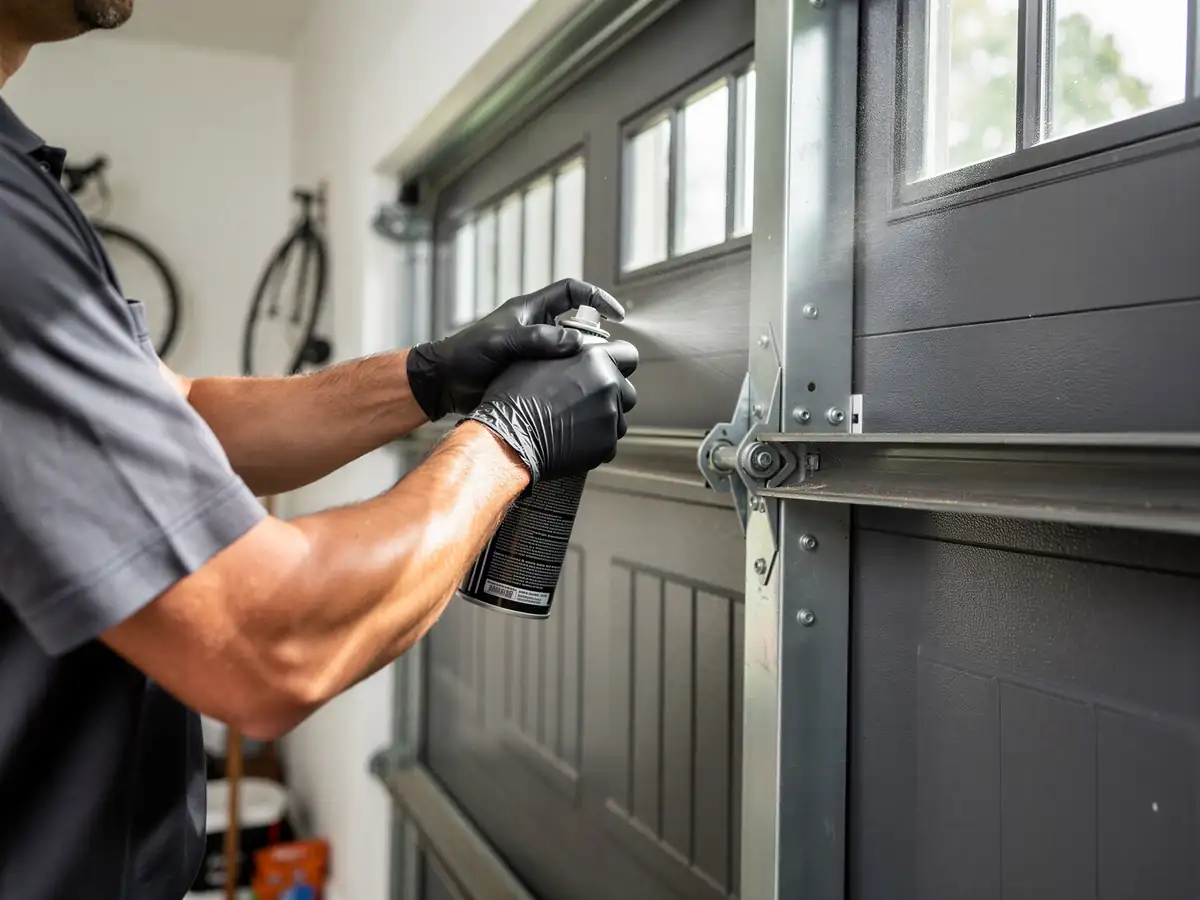
Gridley sits in a stretch of the valley where the climate band is rated severe heat, and that heat does specific damage to a door this old. Steel panels from the 1960s don't have the thermal break modern doors use, so they expand and contract more through the day - that movement works screws loose in the track brackets and dries out the nylon rollers that were added in later repairs faster than it would in a milder zone. The torsion springs on these original setups also see more duty cycles in extreme heat, since the metal fatigues faster when it's running hot all summer. We carry springs sized for the lighter, single-layer steel doors common to this build era, along with standard rollers, cables, and the hinges that tend to crack first on a 1966 door. One honest limit: if your opener or door was already replaced with something newer and heavier, we may not have that exact part on the truck, and it can mean a short wait while we source it rather than a same-visit fix.
The Complications
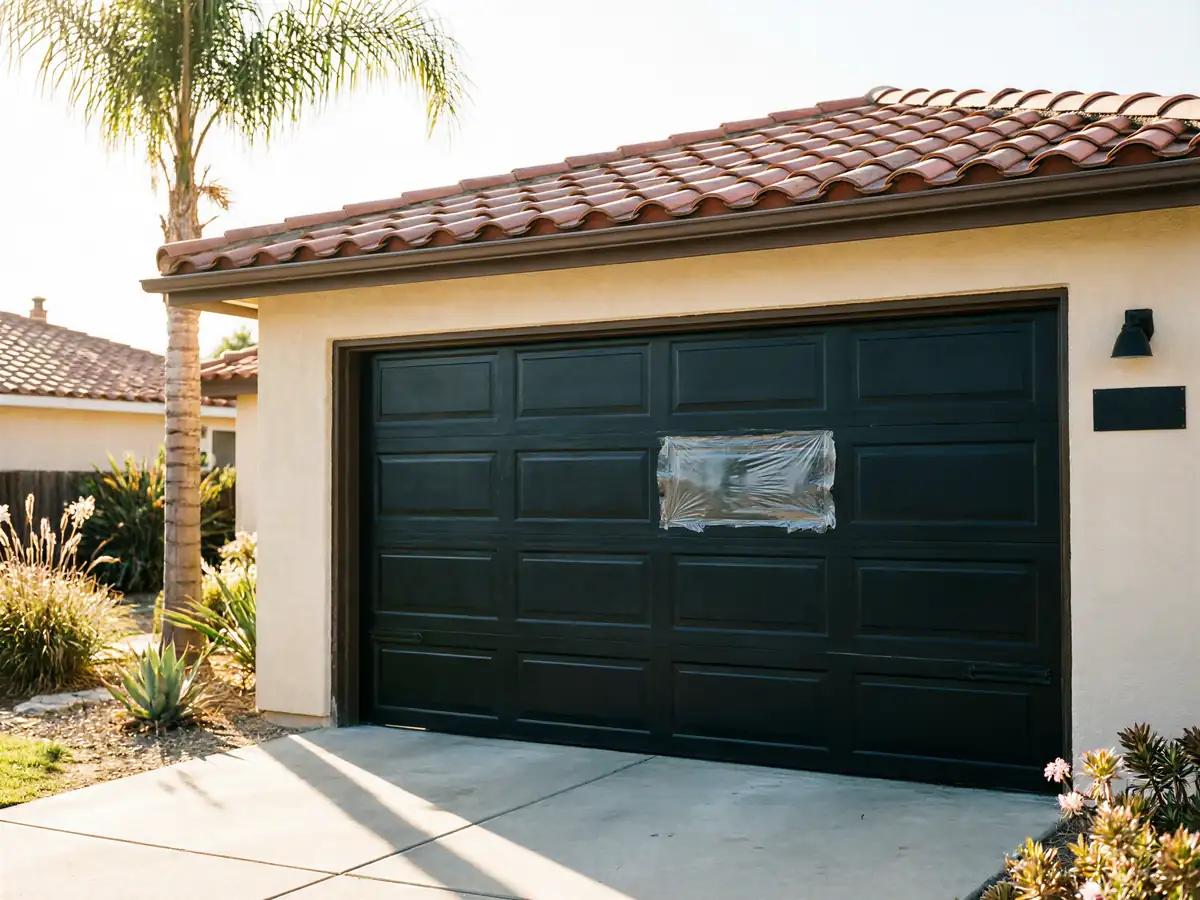
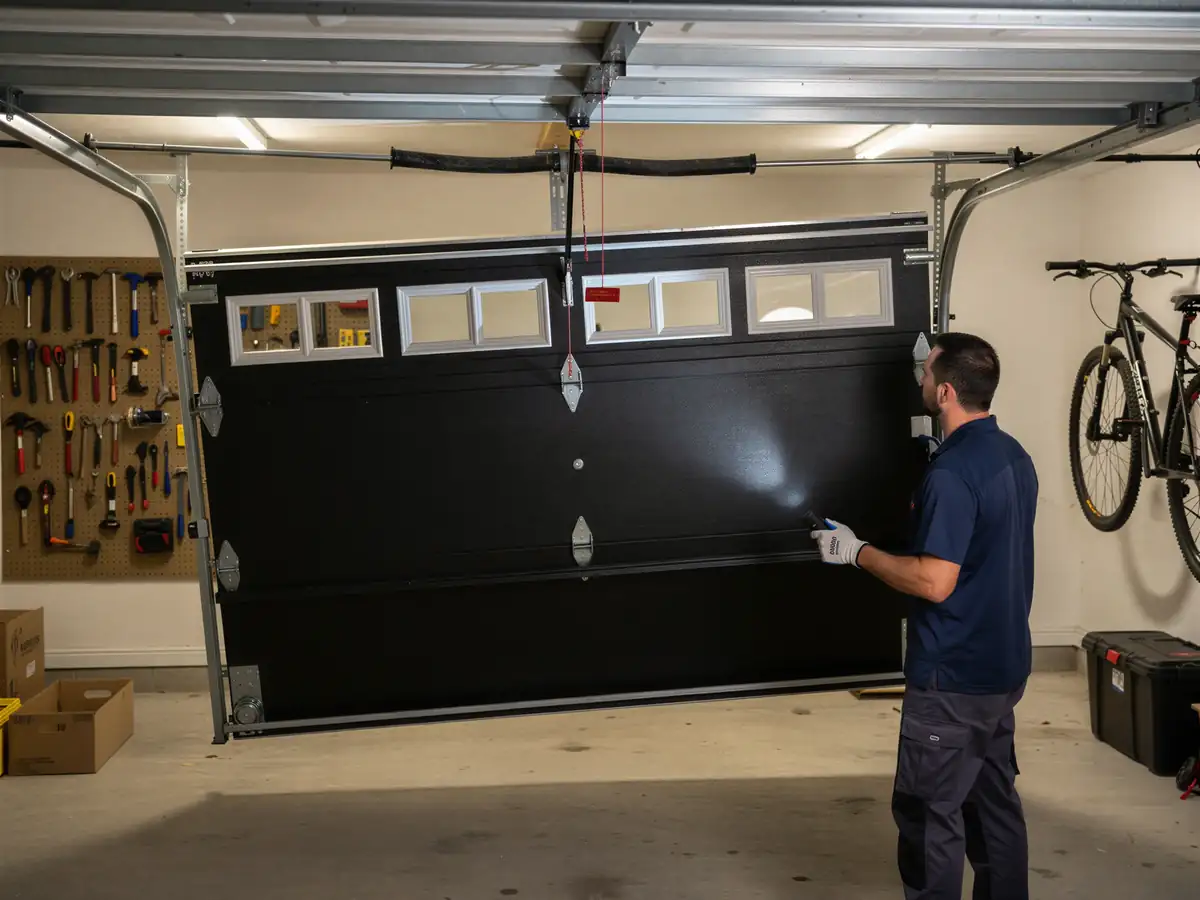
The households we see calling from Gridley skew toward a median income of $57,860, noticeably below the $80,104 median across the wider service area, and that shapes the conversation we end up having on-site more than the fault itself does. On a 1966 door, a worn torsion spring or a stripped sprocket on the opener is often a straightforward repair - the door and hardware are simple by design. But once a panel is dented past a clean patch, or the track is bent from years of heat-driven warping, full replacement starts making more financial sense than chasing another round of patch repairs, and that's a harder call to make when the budget is tighter. We'll tell you straight which side of that line your door is on rather than defaulting to the more expensive fix. With roughly 2,485 households in Gridley itself, we don't have local job history to point to beyond what we see truck-side, so we base the recommendation on what's actually failing on your door, not on a sales script.