How to Book
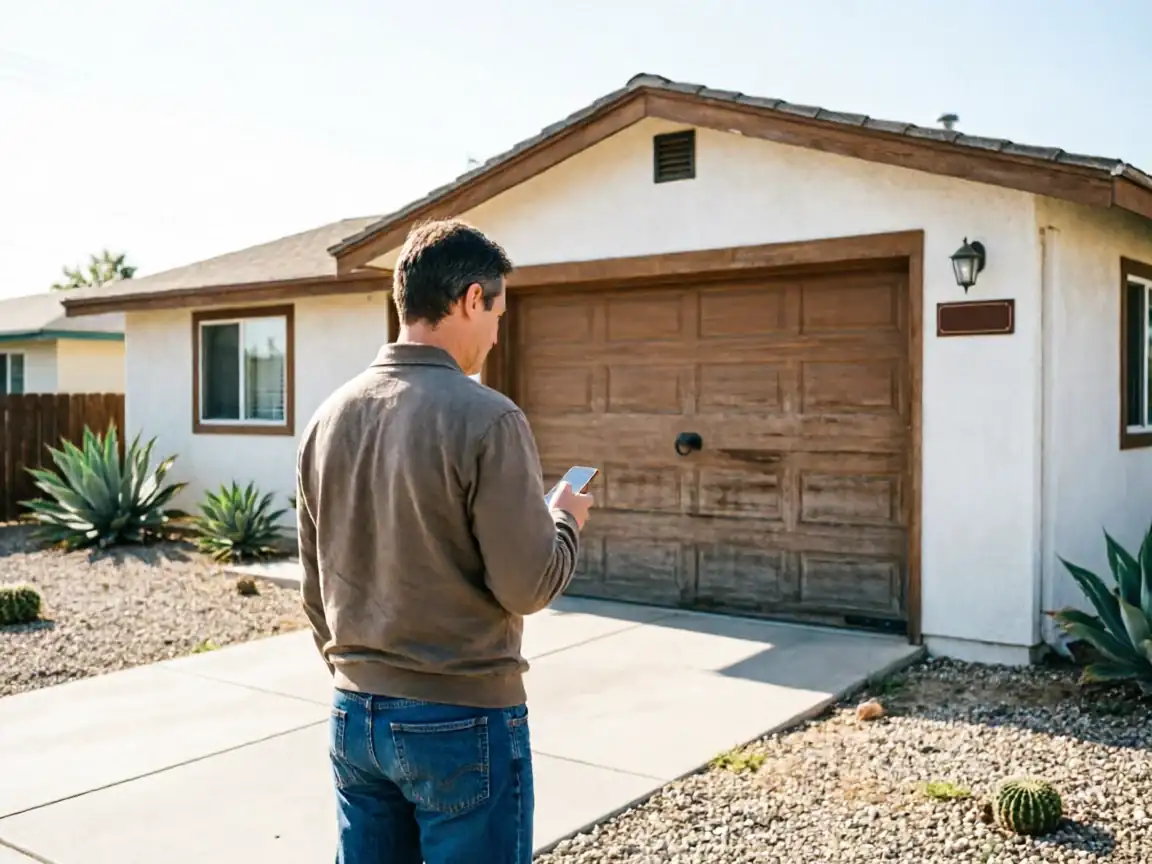
Loma Rica sits about 18 miles from our shop in Yuba City, which is farther than most of the stops on our route that day. That doesn't mean you wait longer for no reason - it means the call gets scheduled with the drive built in, usually grouped with other work out this direction so the trip pencils out. When you call, tell us the door is off its track and whether it's stuck open, stuck shut, or hanging at an angle. That detail changes what we load before we leave the shop, and it saves a second trip. We don't run a branch out here, so there's no walk-in counter - everything starts with that call and a clear description of what the door is doing.
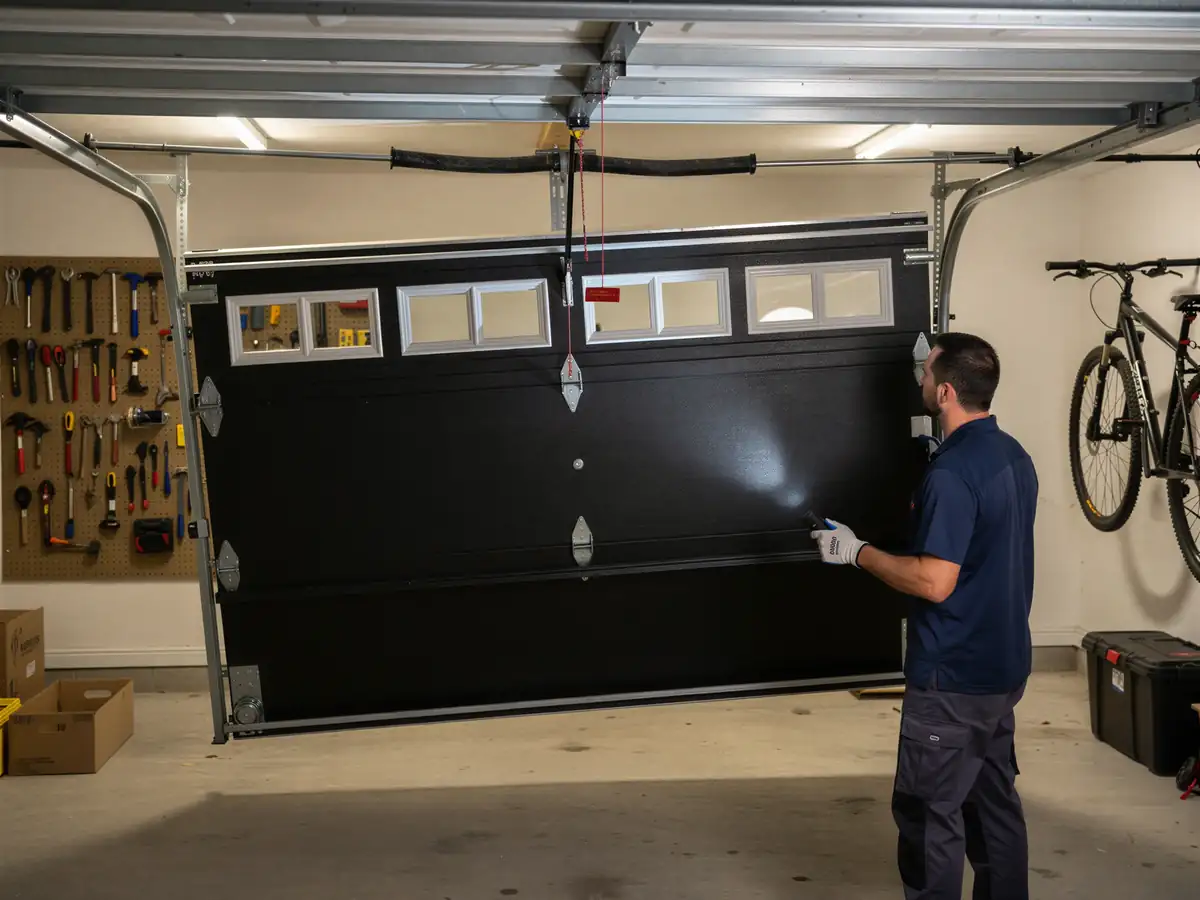
If the door is leaning badly or a cable has come off a drum, don't try to force it level while you wait. Block the opening if you can, keep the car out, and let the door sit until we get there. A door that's already off one roller can come down further if someone keeps working the opener trying to "fix" it.
Doing It Yourself
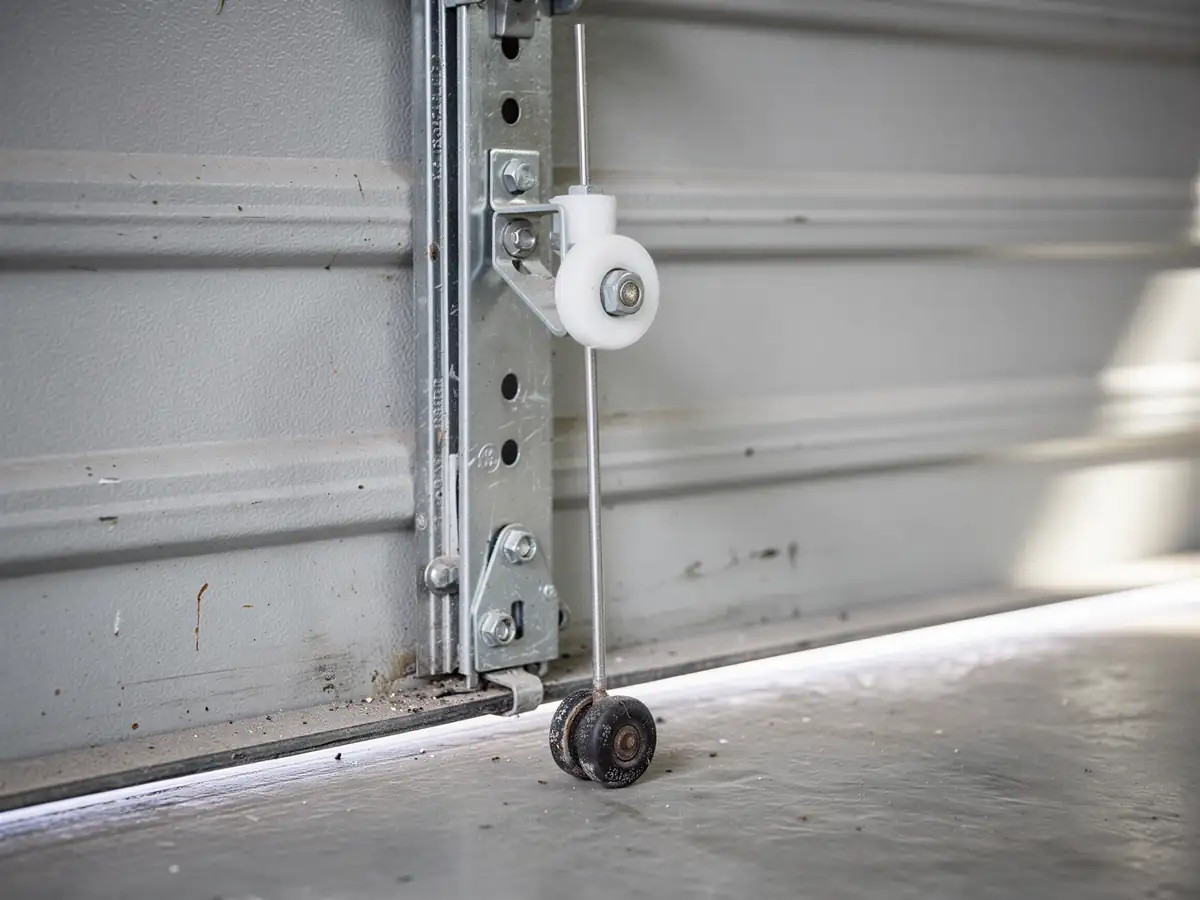
Before you call, it's worth a look to see if this is something small. Check the bottom rollers first - a single roller popped out of its track is often the whole problem, and sometimes you can see daylight between the roller and the track rail from a few feet back. If only one side is off and the door still moves a little, do not run the opener. Running a motor against a door that's off-track is the single fastest way to turn a roller problem into a bent track, a torn cable, or a cracked panel.
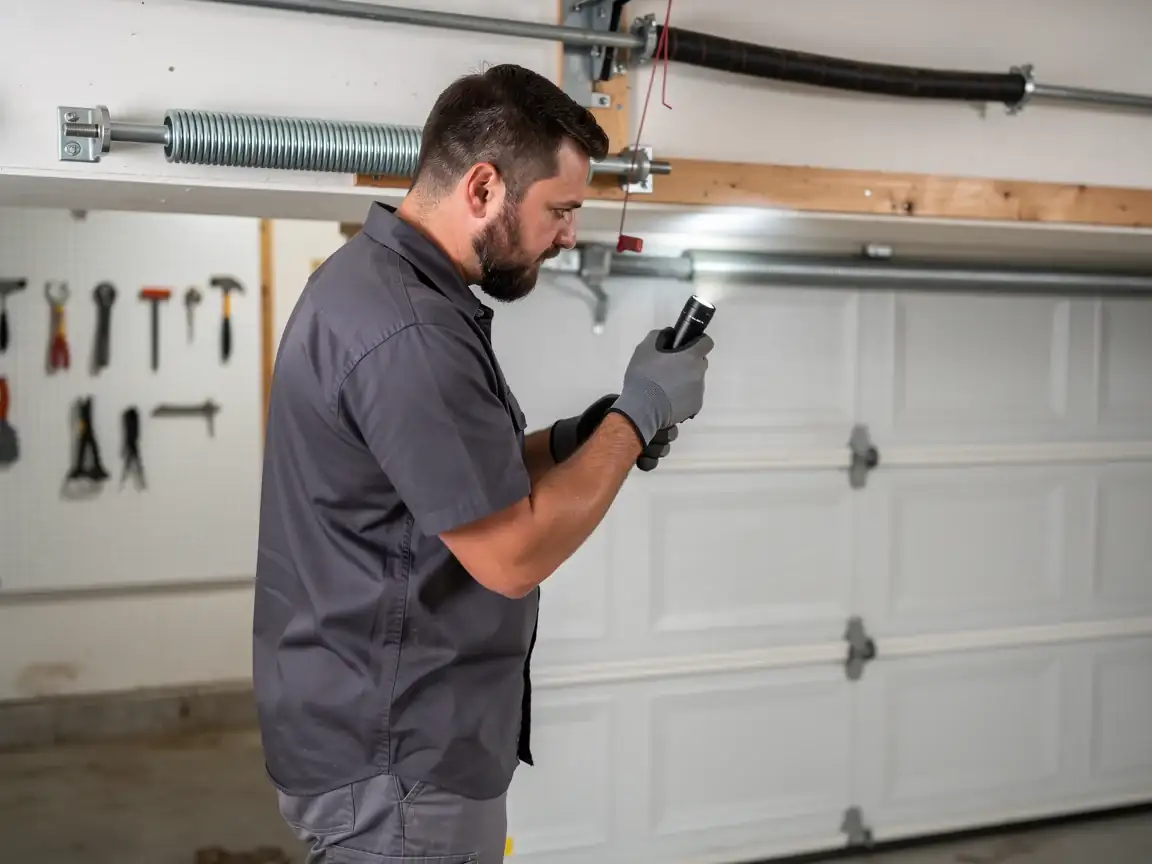
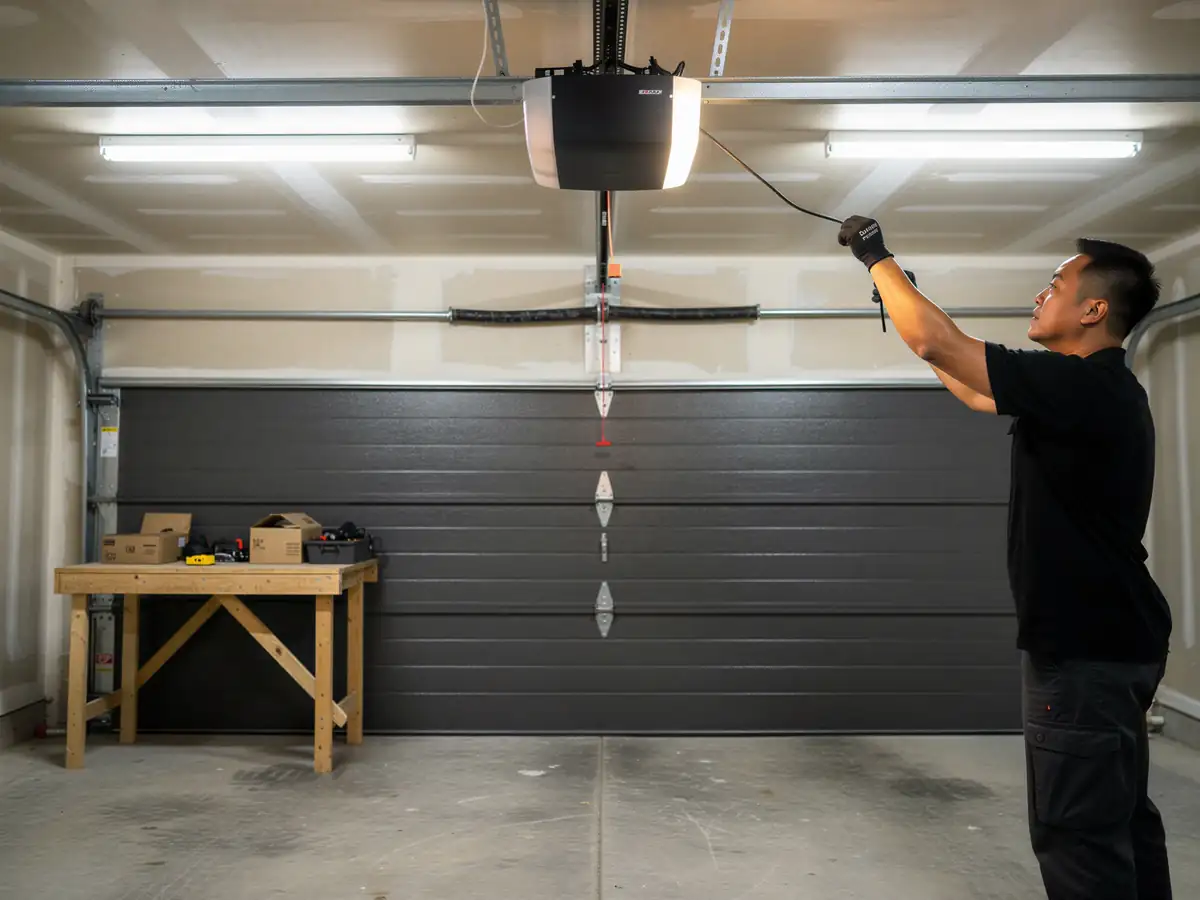
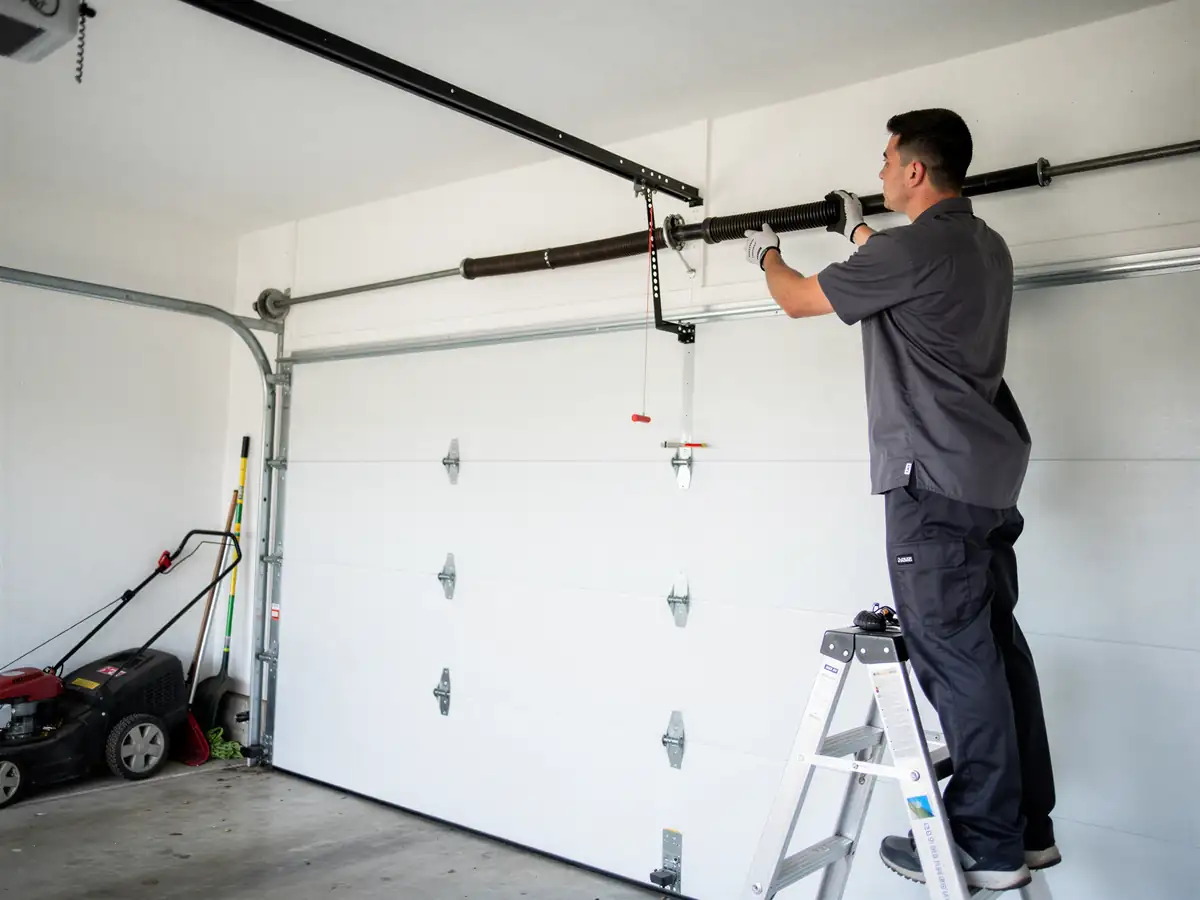
What you can safely do: pull the release cord so the opener disengages, and see if the door moves freely by hand. If it binds or feels heavy on one side, stop - that's spring tension working against a crooked track, and hand-forcing it risks the cable or the spring itself. If the door comes free and rolls smoothly once it's off the opener, you've confirmed it's a track alignment issue, not a spring issue, which is useful information to give us on the phone. Past that point, leave it. Torsion springs and cables carry real force and they are not a weekend project.
Parts We Carry
For off-track calls we carry the parts that actually cause them
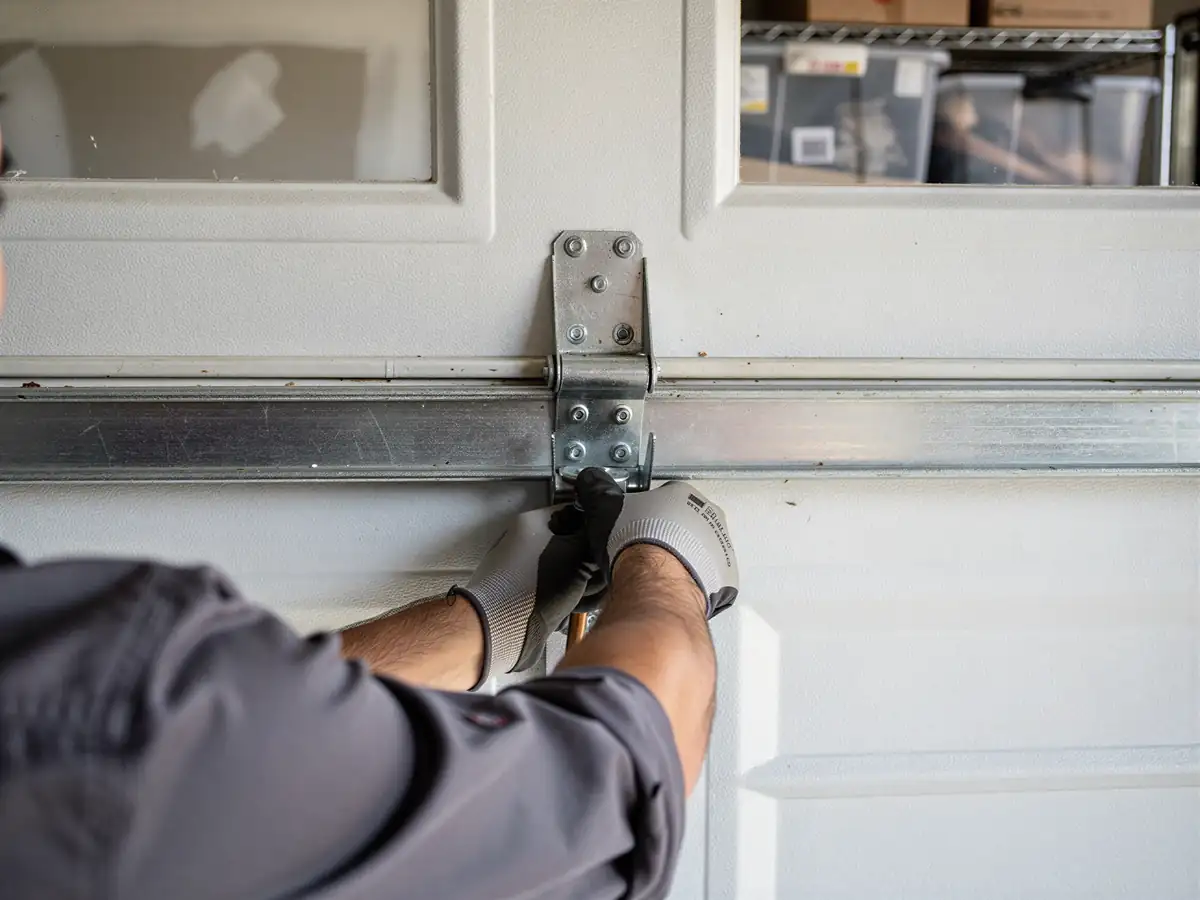
Replacement rollers (nylon and steel), roller brackets, track sections in standard lengths, hinges, and the fasteners that hold track to the framing. Most off-track jobs are a bent or loosened track bracket, a worn-out roller that's lost its shape, or a hinge that's cracked and let the panel shift sideways enough to walk off the rail.
We don't carry every custom track profile or oversized commercial hardware on the truck
If your door turns out to be a nonstandard width or an older heavy wood door on odd track, that part may need to be ordered, and we'll tell you that on-site rather than guess. For the standard residential doors common out this way, track and rollers are stock items and the fix usually happens in the same visit.
What Causes It Around Here
The homes around Loma Rica run newer on average than a lot of the service area - median build year here is around 1984, compared to 1979 across the wider territory we cover. That later build date generally means lighter-gauge track and factory-set roller hardware rather than the heavier steel track you'd find on a house from the 1960s or '70s. Lighter track holds up fine under normal use, but it bends more easily if a bracket works loose or a door gets bumped, and once it's bent even slightly, rollers start walking off the rail on every cycle.
Heat is the other factor. This area sits in a severe-heat climate band, and summer temperature swings make garages go from cool mornings to very hot afternoons. That daily expansion and contraction works on screws and lag bolts holding track brackets to the jamb over years, loosening them just enough that the track shifts out of plane. It's slow, it's not dramatic, and most owners don't notice until a roller finally pops free.
Time on the Job
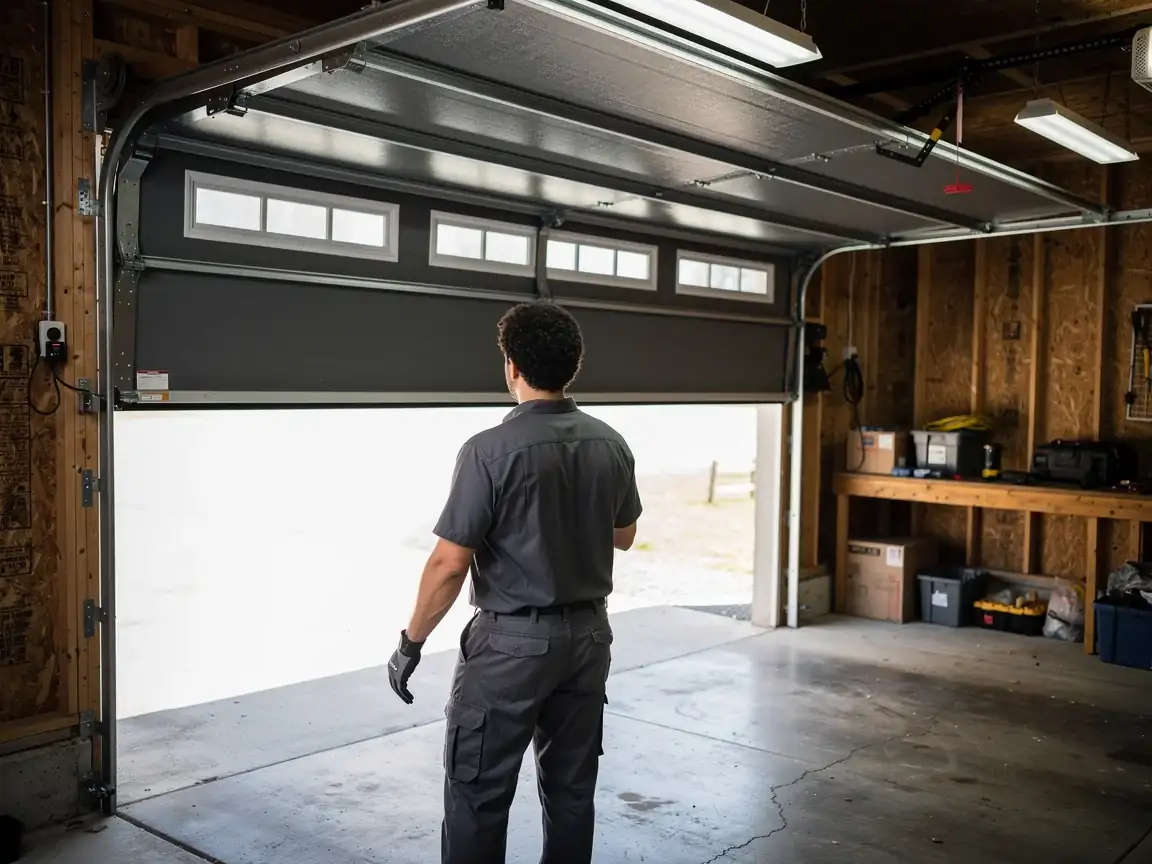
A straightforward off-track repair - reseating rollers, resetting a track bracket, tightening hardware - usually runs under an hour once we're on-site. What adds time out here isn't the repair, it's the 18 miles each way, so factor that into when the appointment gets set rather than how long the actual work takes once the truck's in the driveway. If the track itself is bent rather than just loose, straightening or replacing a section takes longer, and if a panel or hinge got damaged in the process of the door coming off-track, that's a second repair on top of the first.
We're straightforward if a repair isn't worth it. A track that's bent in more than one place on an older, lighter door sometimes costs more to keep patching than it would to put in a new track and roller set in one go. We'll say so rather than send you out here twice.