How to Book
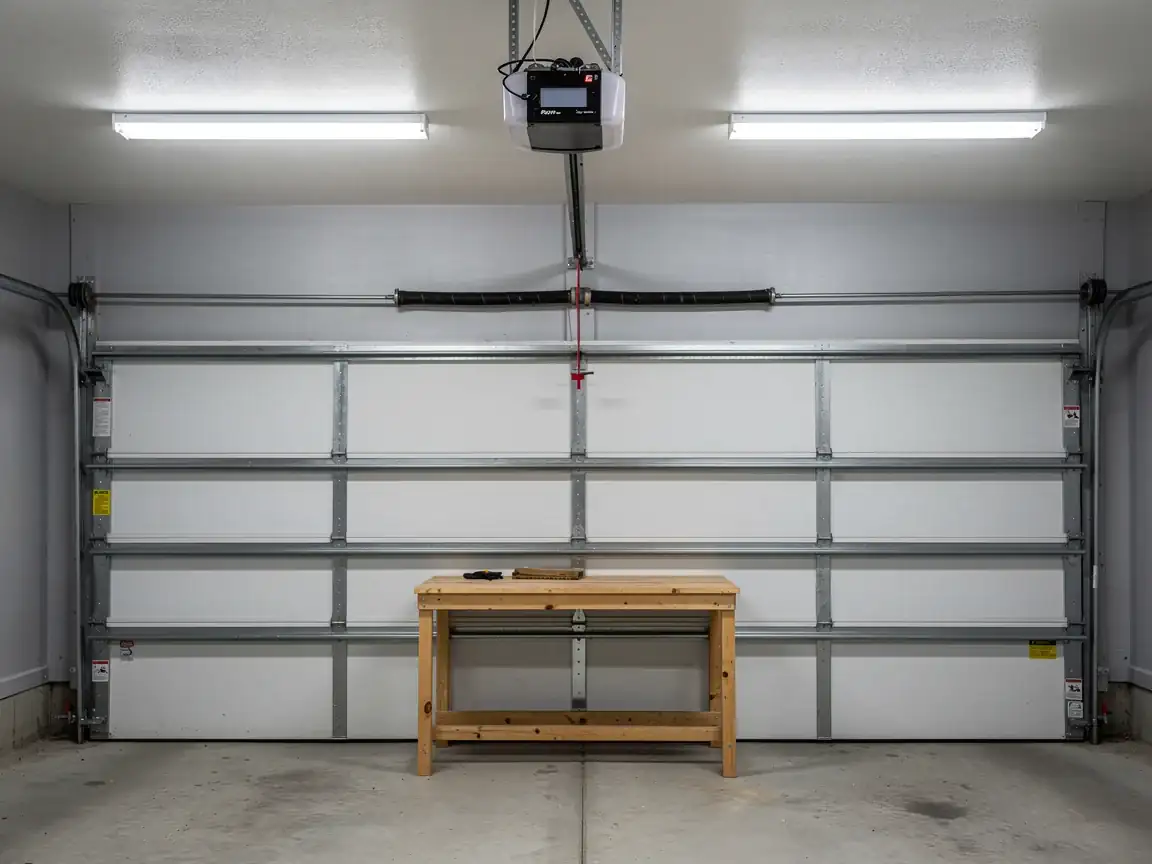
The fault we see most in Olivehurst isn't a spring that snaps overnight - it's a torsion spring that's lost half its lift because the house it's bolted to is one of the hundreds built right around 1983, the median year for this suburb. That's a different era than the 1960s-70s builder stock that dominates most of the wider Yuba City service area, so the hardware wears differently here: galvanized torsion springs instead of the older extension-spring setups, and chain-drive openers that are now pushing forty years old on their original motor and logic board.
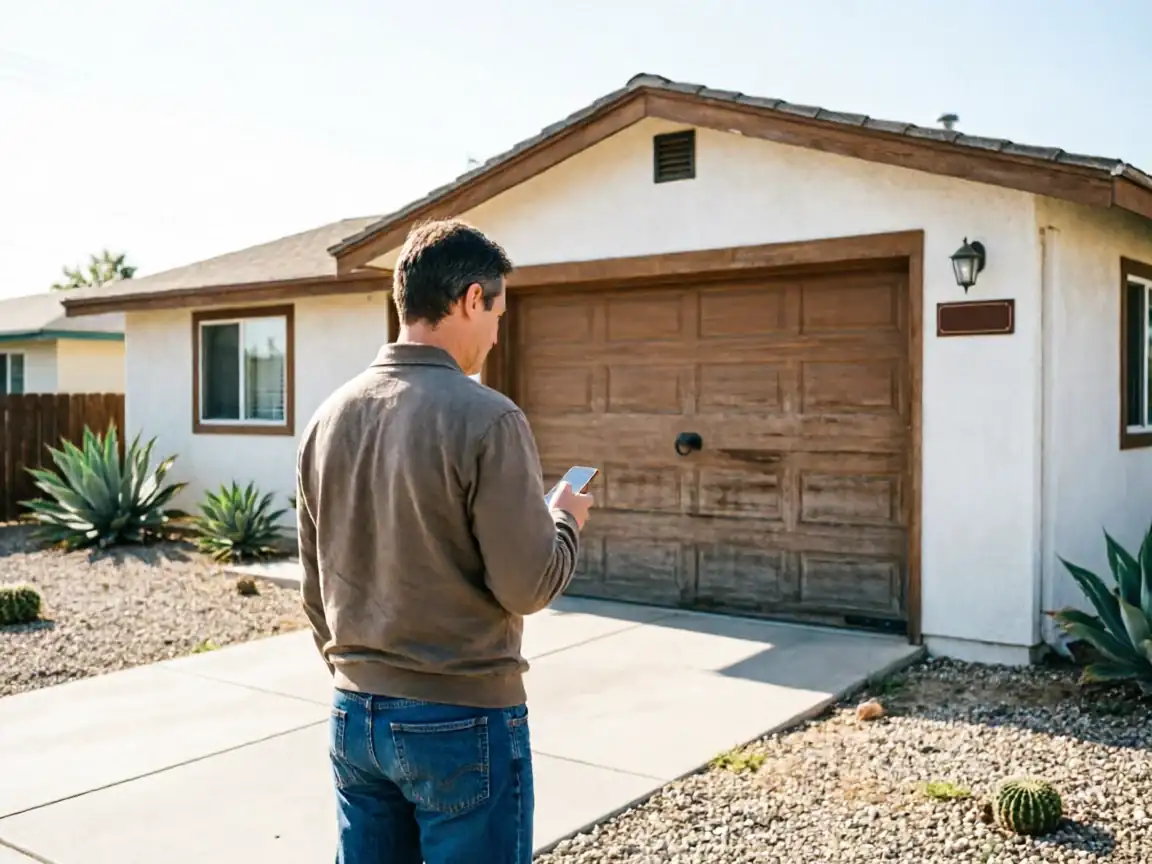
We're six miles out from the Yuba City shop, so there's no separate branch or faster slot for Olivehurst calls - the truck just drives the distance, same as it would to any stop that close in. Booking a maintenance visit means telling us the door's rough age (if you know when the house was built, that's close enough), what it sounds like when it runs, and whether it's ever been serviced. If the door's actually broken rather than just due for a check, that's a different page and a different call - see our Olivehurst repair page below. For anything outside maintenance and repair, the main Yuba City service list covers the rest of what we do.
Parts We Carry
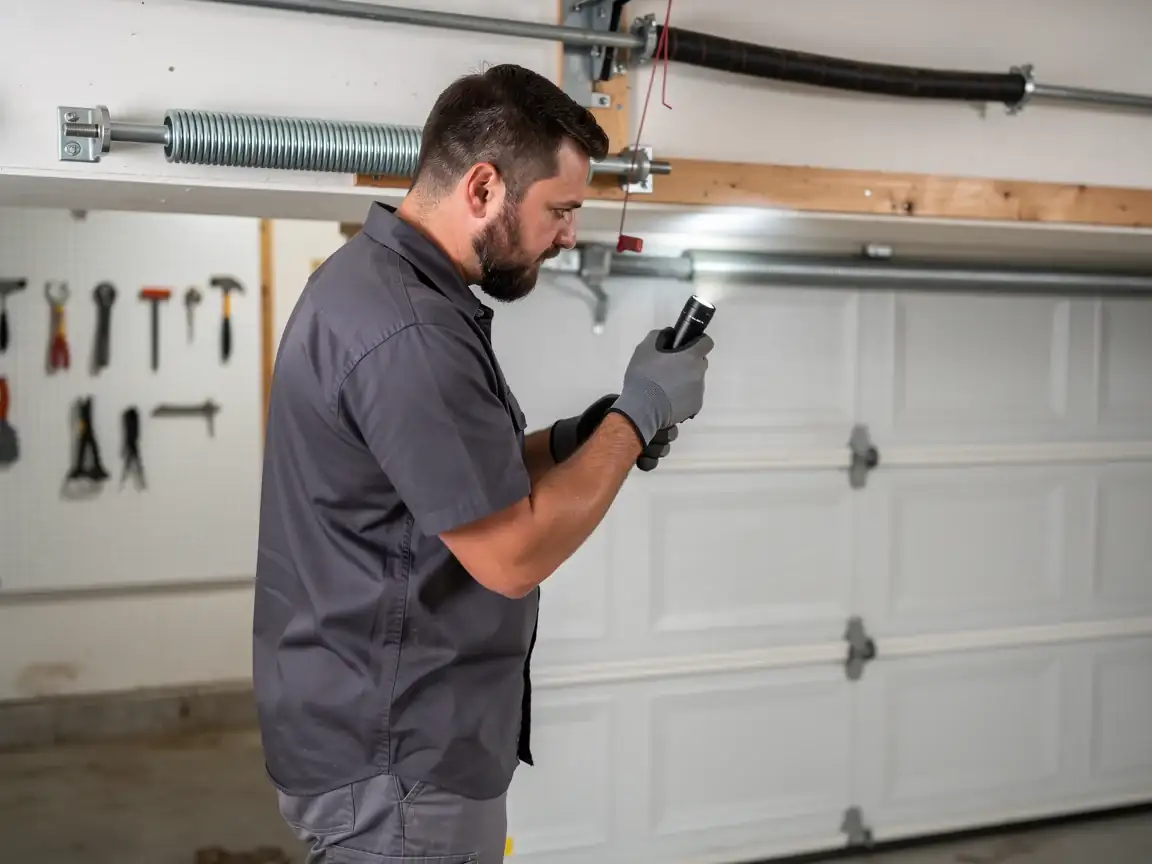
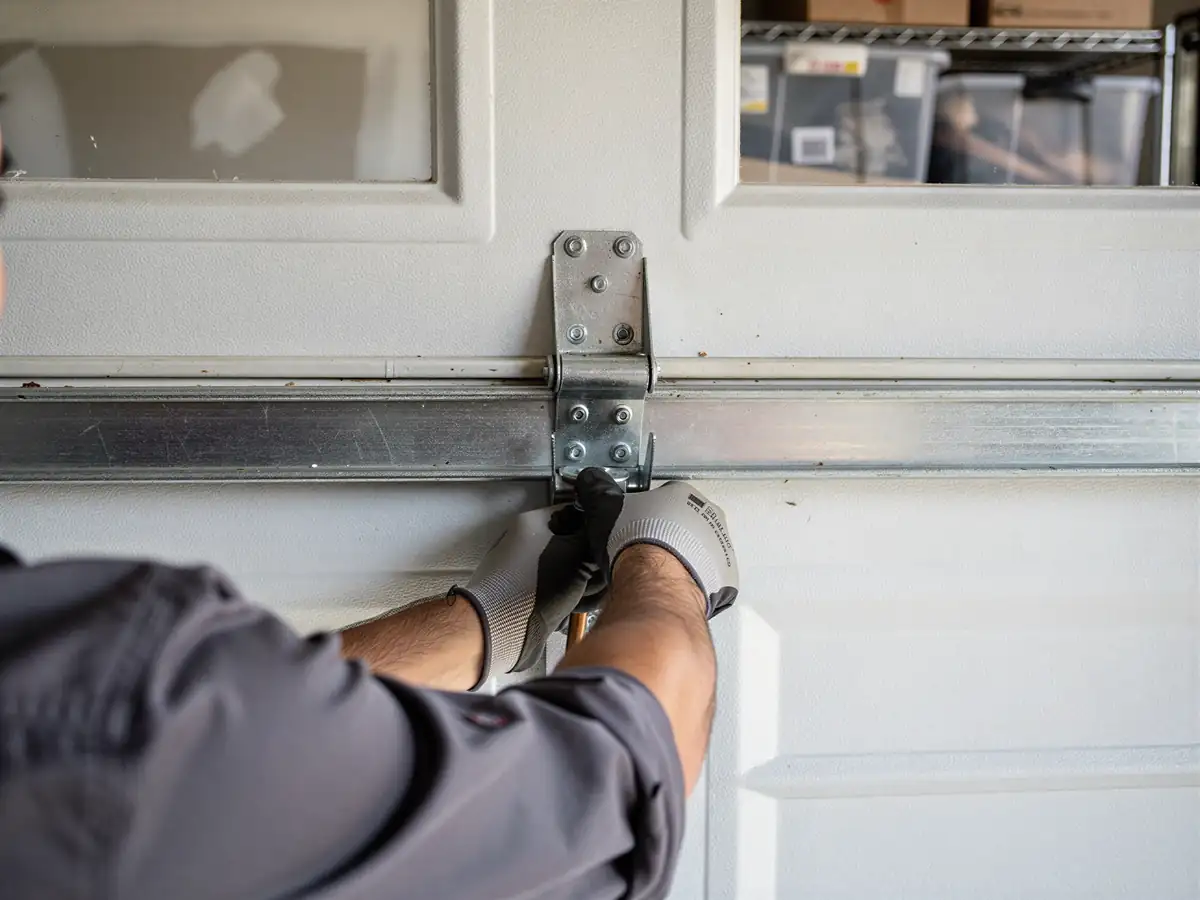
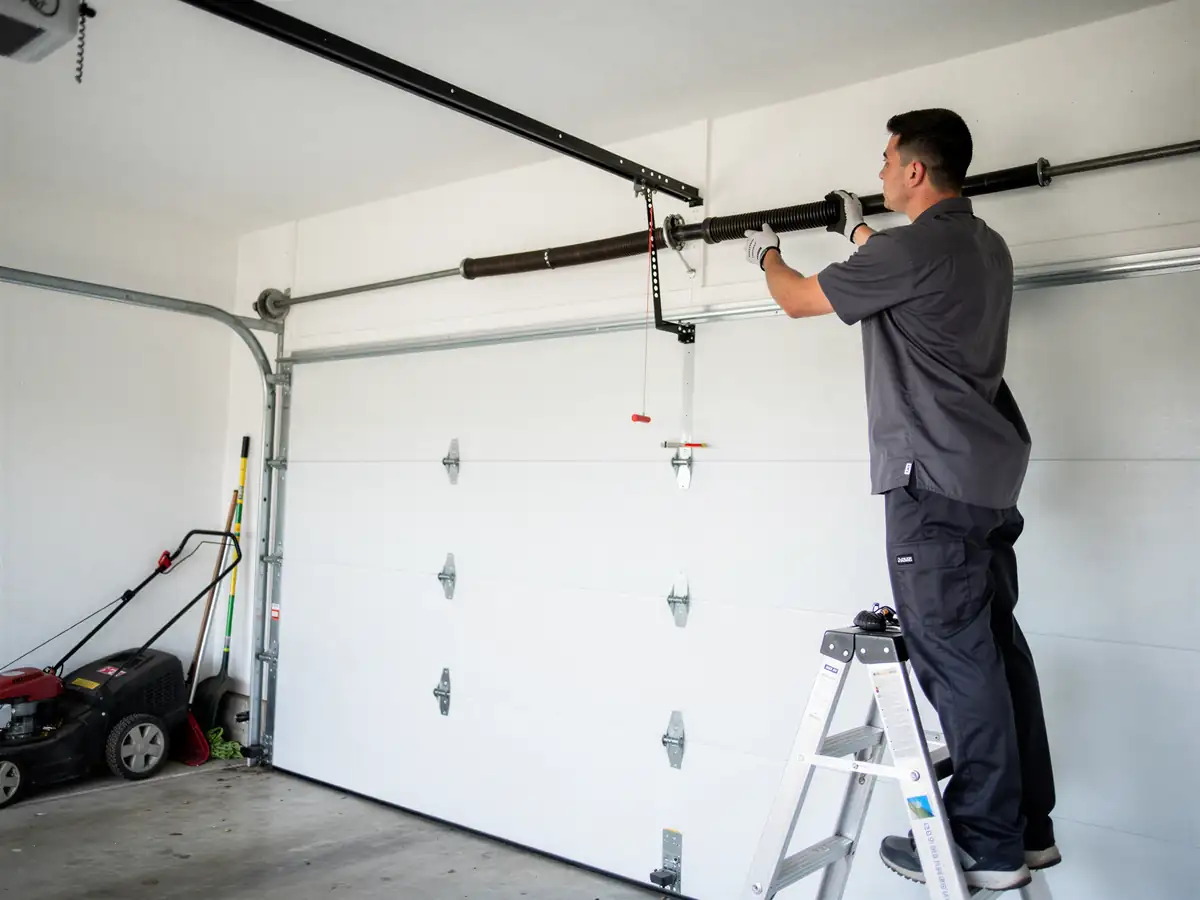
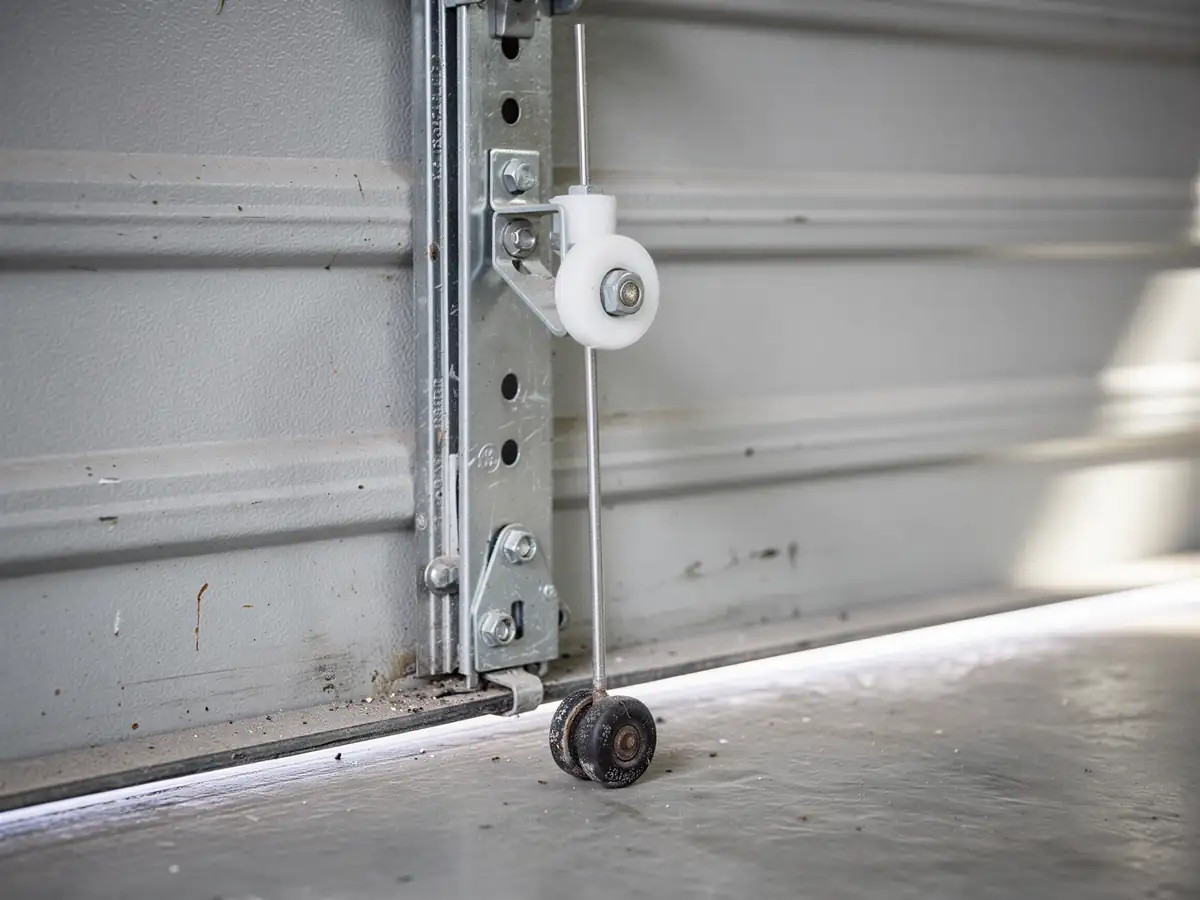
For doors from Olivehurst's era, the truck carries galvanized torsion springs in the sizes that fit 1980s-built single and double garage openings, along with the center bearing plates and end bearing kits that pair with them - those wear out quietly and are usually why a door starts sagging on one side. We stock lift cables and the drums they wind onto, since cable fray is common on doors that have never had the drums re-lubed.
We also carry weatherstrip and bottom seal rated for sustained heat, because the region's severe-heat climate band is hard on rubber - seals on a forty-year-old door usually arrived brittle and cracked long before anyone noticed the door was out of balance. Nylon and steel rollers are standard stock too.
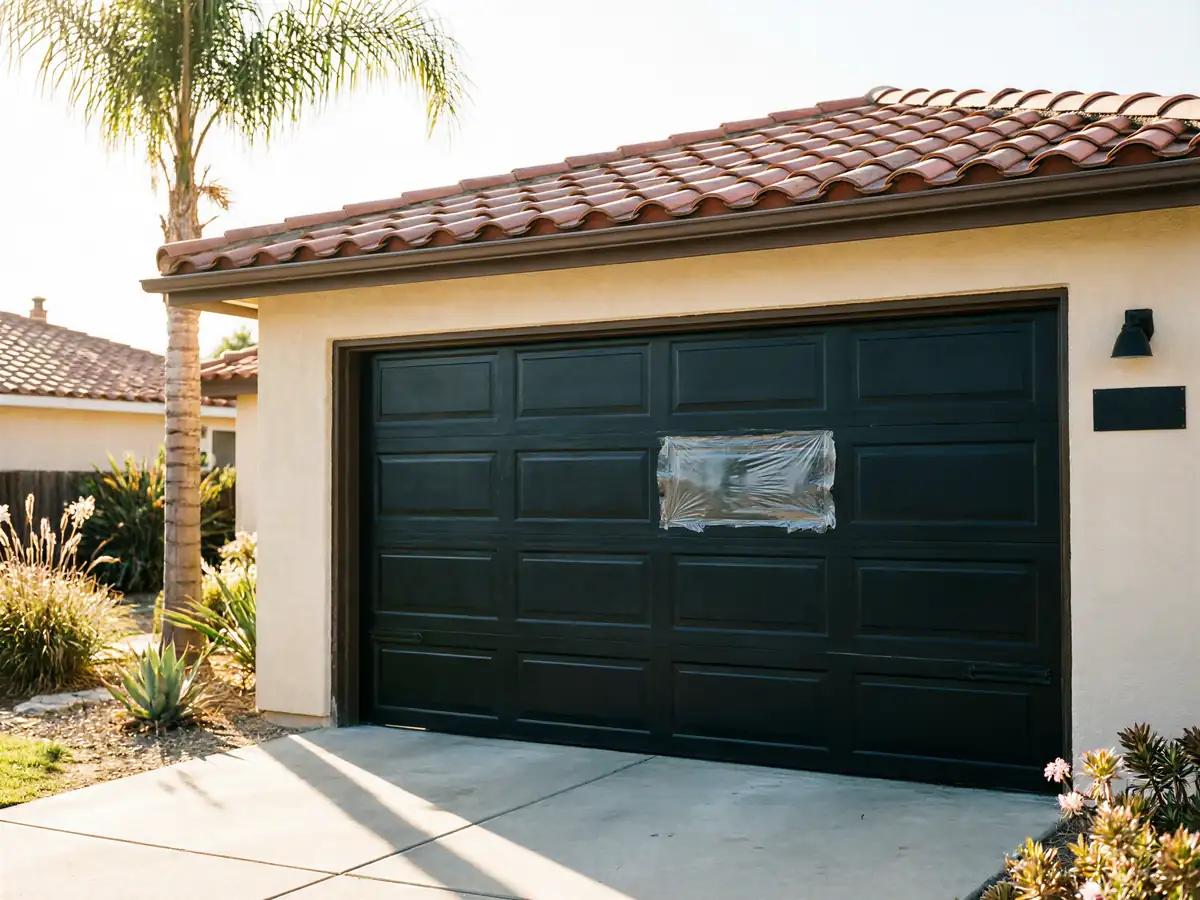
One honest limit: if a panel is dented or rusted through on a door this old, we usually can't match the original steel profile. Builder-grade doors from this period weren't made with parts interchangeability in mind, and a single replacement panel from a current manufacturer often won't sit flush next to the original ones. At that point we'll tell you straight that a full door replacement looks better and costs less aggravation than chasing a match.
Doing It Yourself
A few things are worth doing yourself between visits
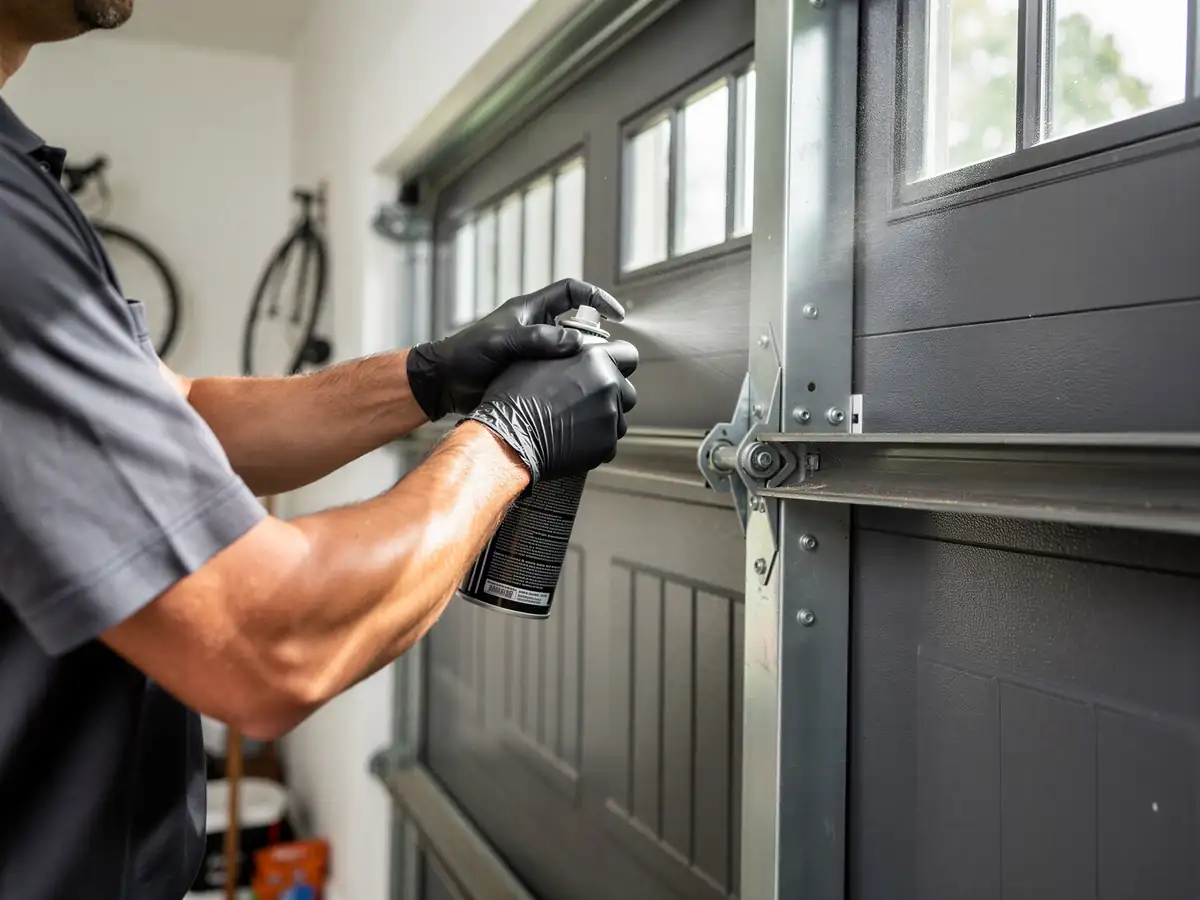
Once a month, pull the release handle with the door closed and lift it by hand to the halfway point - if it doesn't hold there on its own, the springs are losing tension and the door needs a professional look, not a DIY adjustment. Wipe down the tracks with a damp rag rather than spraying anything into them; dust and fine debris mixed with old grease is a common cause of rollers binding on these older doors. Lubricate hinges and rollers with a light garage-door-specific lubricant twice a year, more if you're running the air conditioning hard through the summer months this climate band brings.
What you should not do yourself: touch the torsion spring itself
These are wound under real tension and a spring that's forty years old and corroded can let go fast enough to break a bone or worse. Also skip adjusting the opener's force settings past the factory range - on a chain-drive unit from this era, over-tightening the force to compensate for a weak spring just masks the real problem until it fails at a worse time, usually with the door half-open.
What You Are Seeing
If your door is slow to rise and groans partway up, that's usually a spring losing lift, not a motor problem - on a house from Olivehurst's 1983 median build year, that spring has likely never been replaced. A door that drifts down a few inches on its own after you close it is telling you the same thing from the other direction.
Olivehurst's roughly 5,433 households sit close enough together that openers here tend to see more cycles per week than homes on bigger lots further out toward Wheatland or Rio Oso - more cycles means hardware ages faster in calendar years, even without any single dramatic failure. Cracked rubber on the bottom seal or around the weatherstrip is heat damage, not age alone; summers under this region's severe-heat climate band dry rubber out years before most owners expect to replace it.
A grinding noise when the door travels usually means a roller has gone out of round, not that the track is bent. If you hear a loud bang before the door won't move at all, that's very likely the torsion spring finally letting go - stop using the door and call rather than trying to force it open by hand.