How to Book
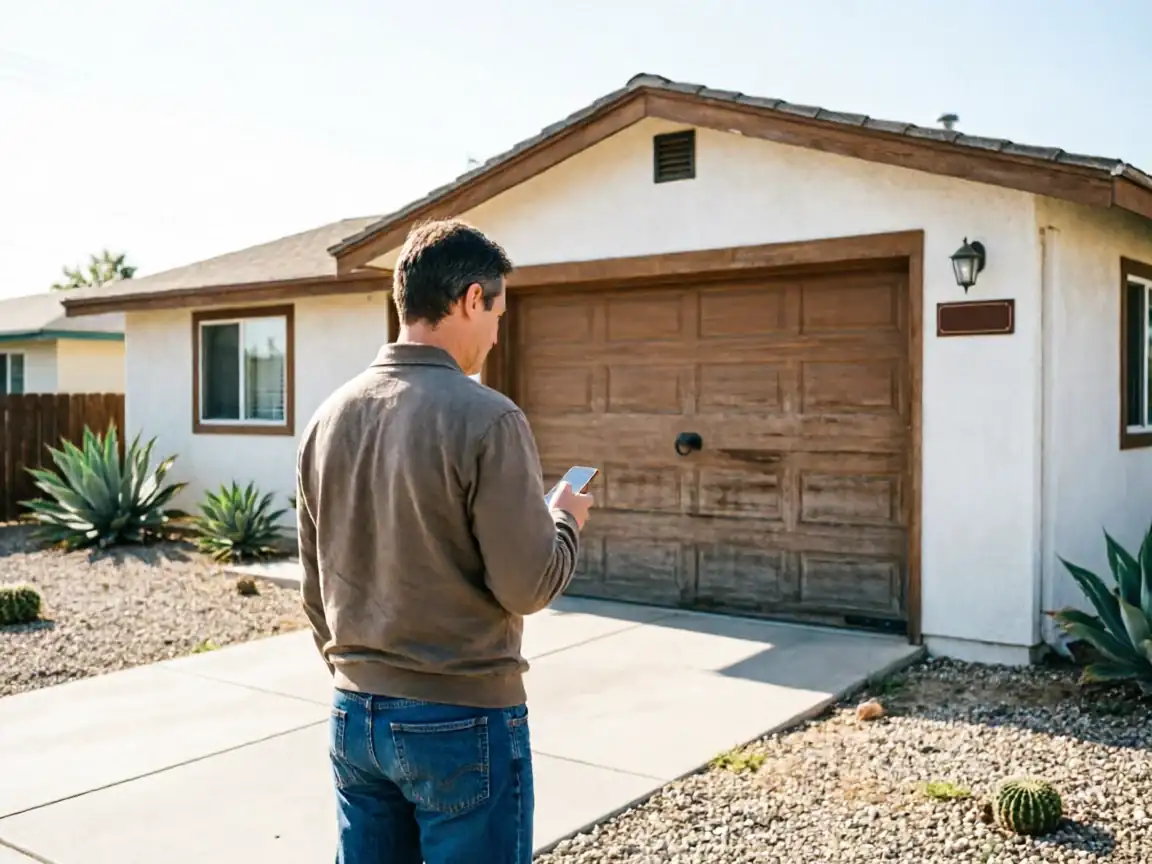
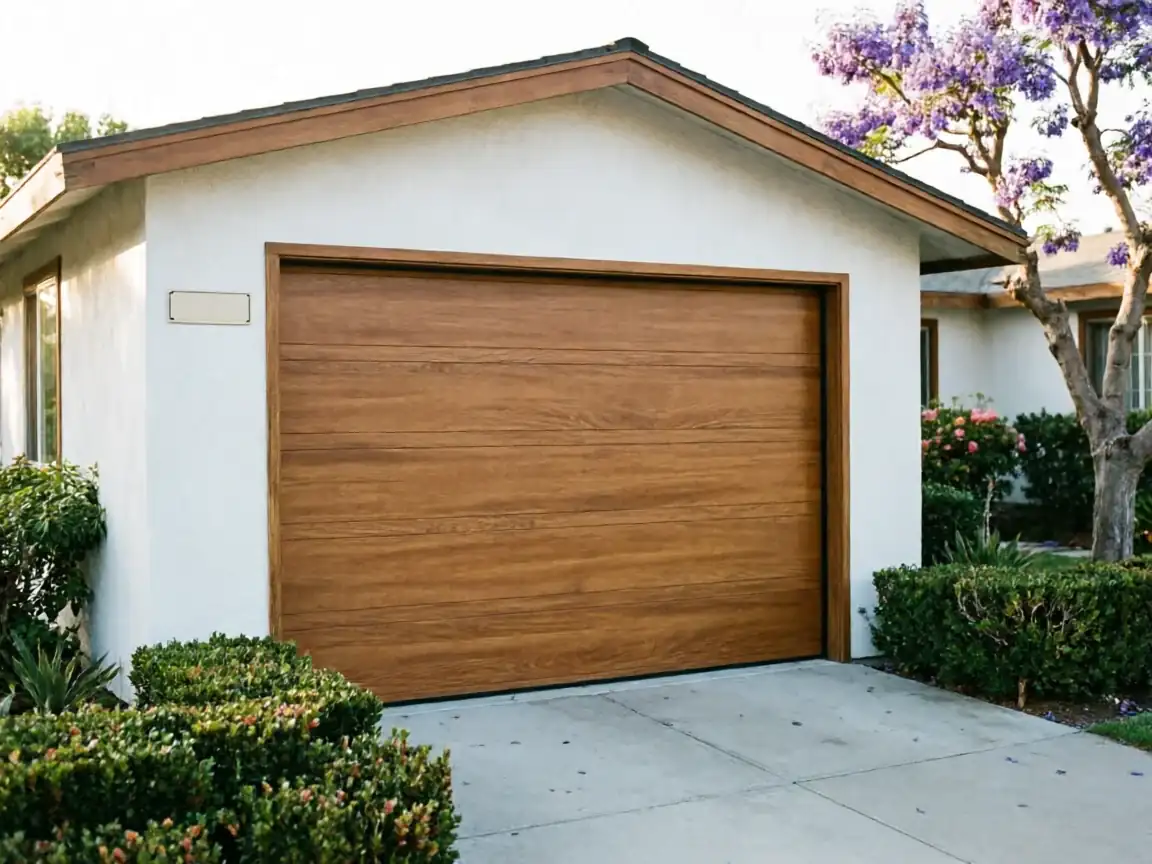
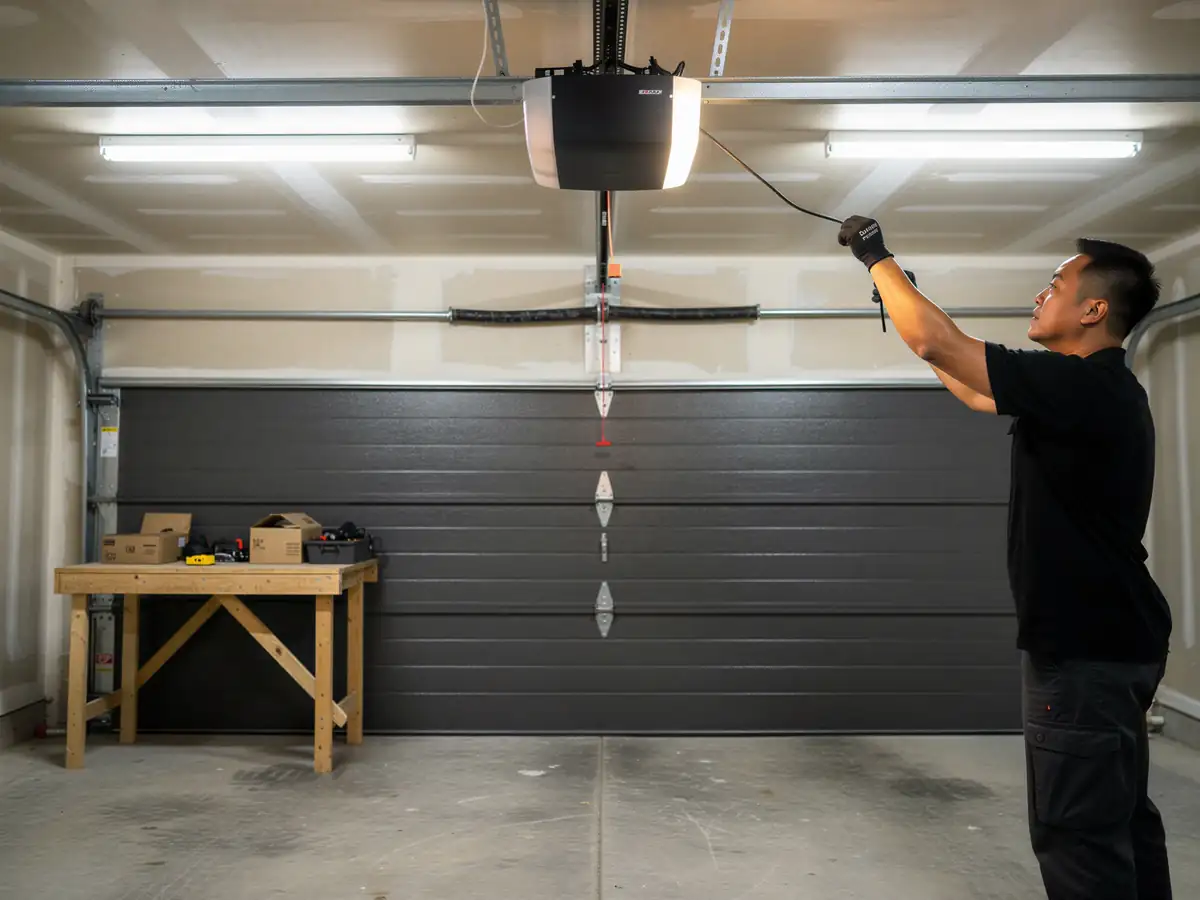
Olivehurst sits about 6 miles from our shop in Yuba City, which is close enough that a spring call here runs the same as a call across town - we just build in the drive time when we're scheduling the truck. When you call, tell us the door is stuck, won't lift, or you heard a bang and now nothing moves. That bang is almost always a torsion spring letting go, and it's not something to force open with the opener afterward, since that just burns out the motor trying to lift against a dead spring. We ask a few questions up front - single or double door, one spring or two, roughly how old the door is - so the tech who drives out already knows what size spring to bring instead of guessing on site. If your door matches the kind of house Olivehurst was mostly built as, a 1980s single-family tract home, that's useful information before the truck even leaves Yuba City.
Parts We Carry
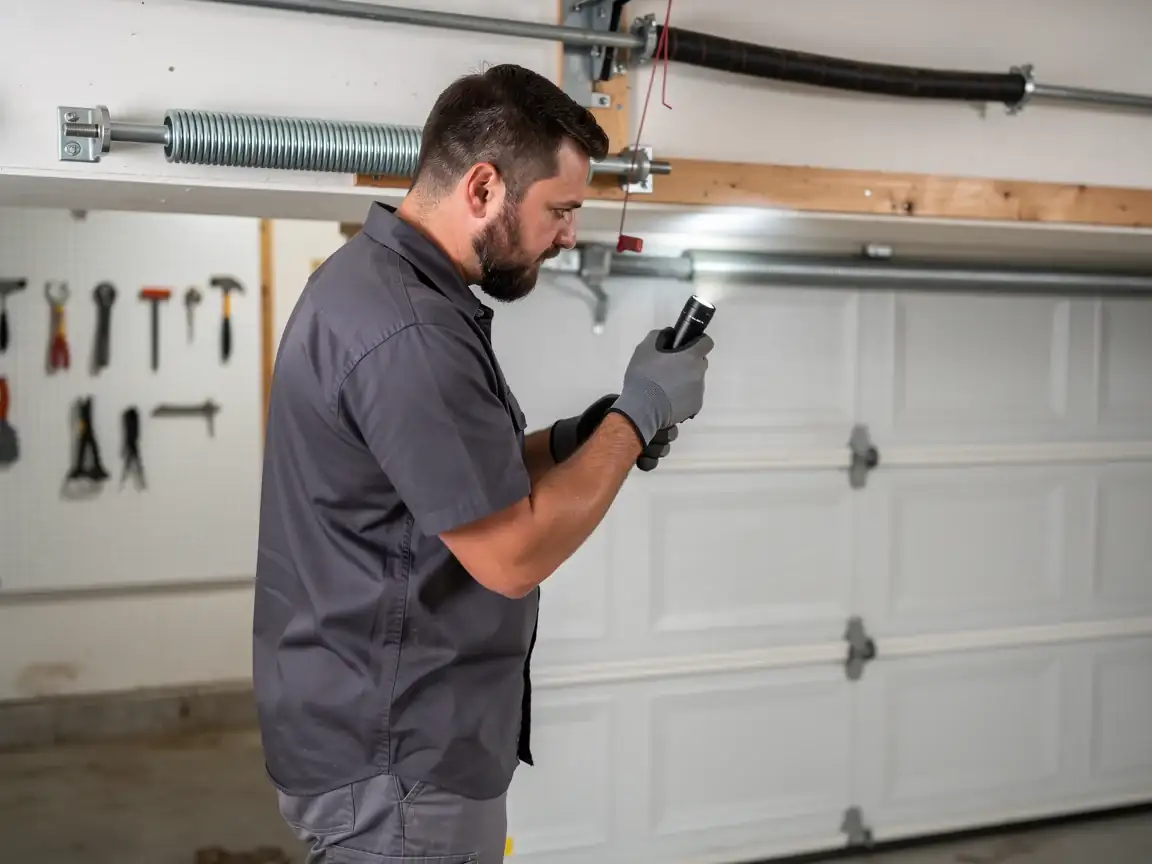
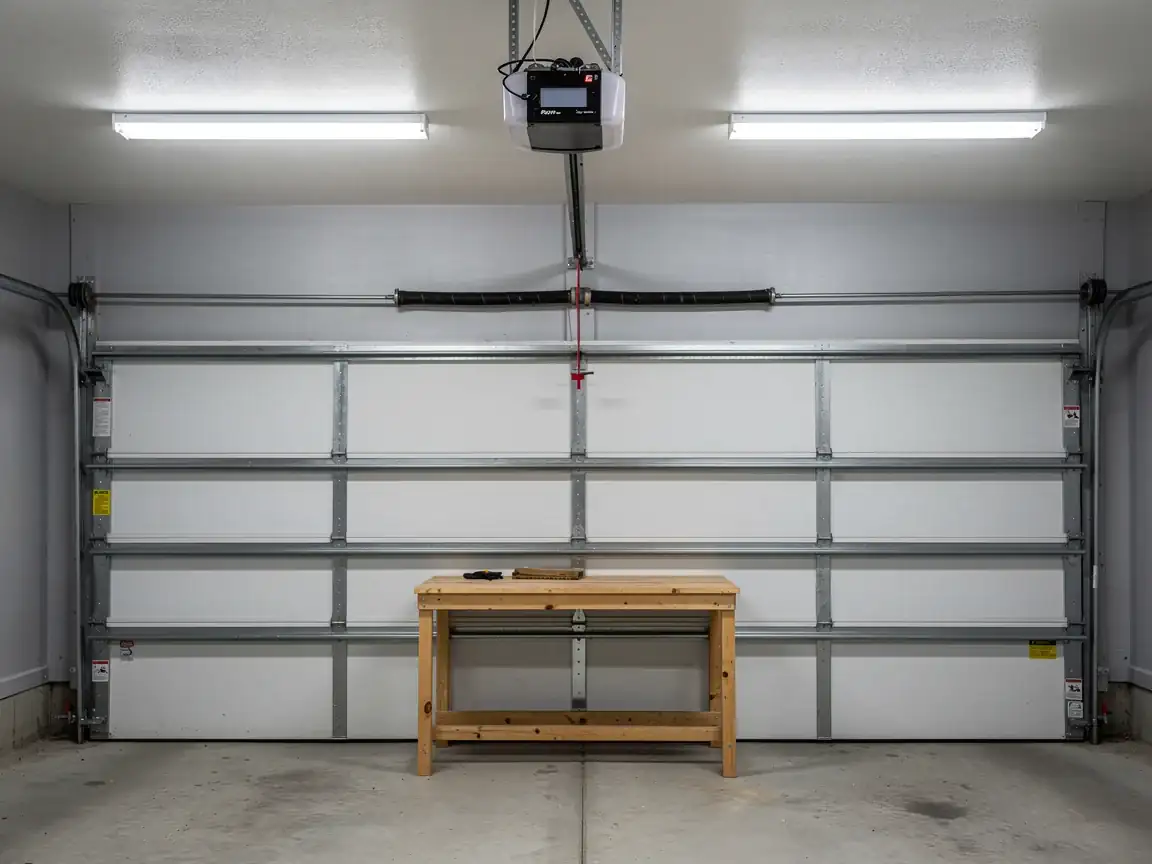
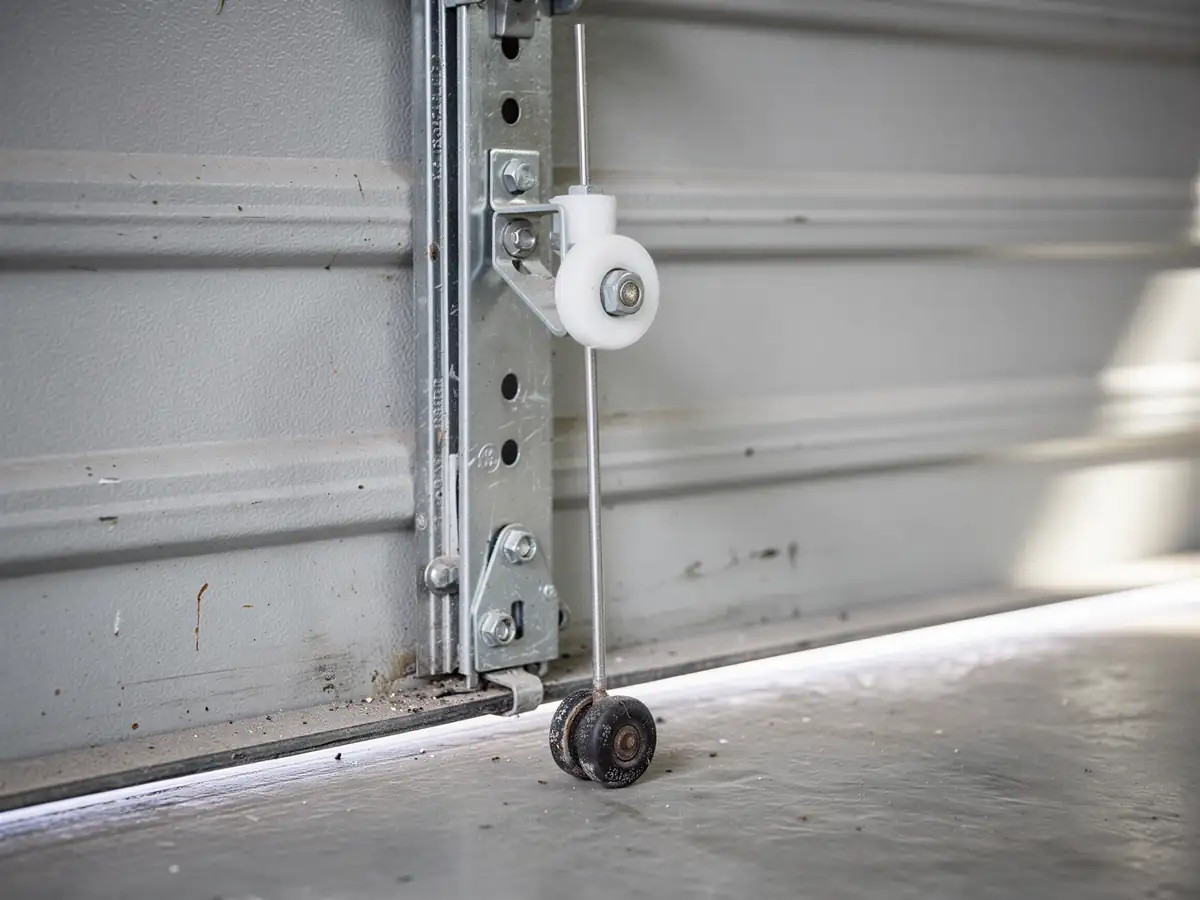
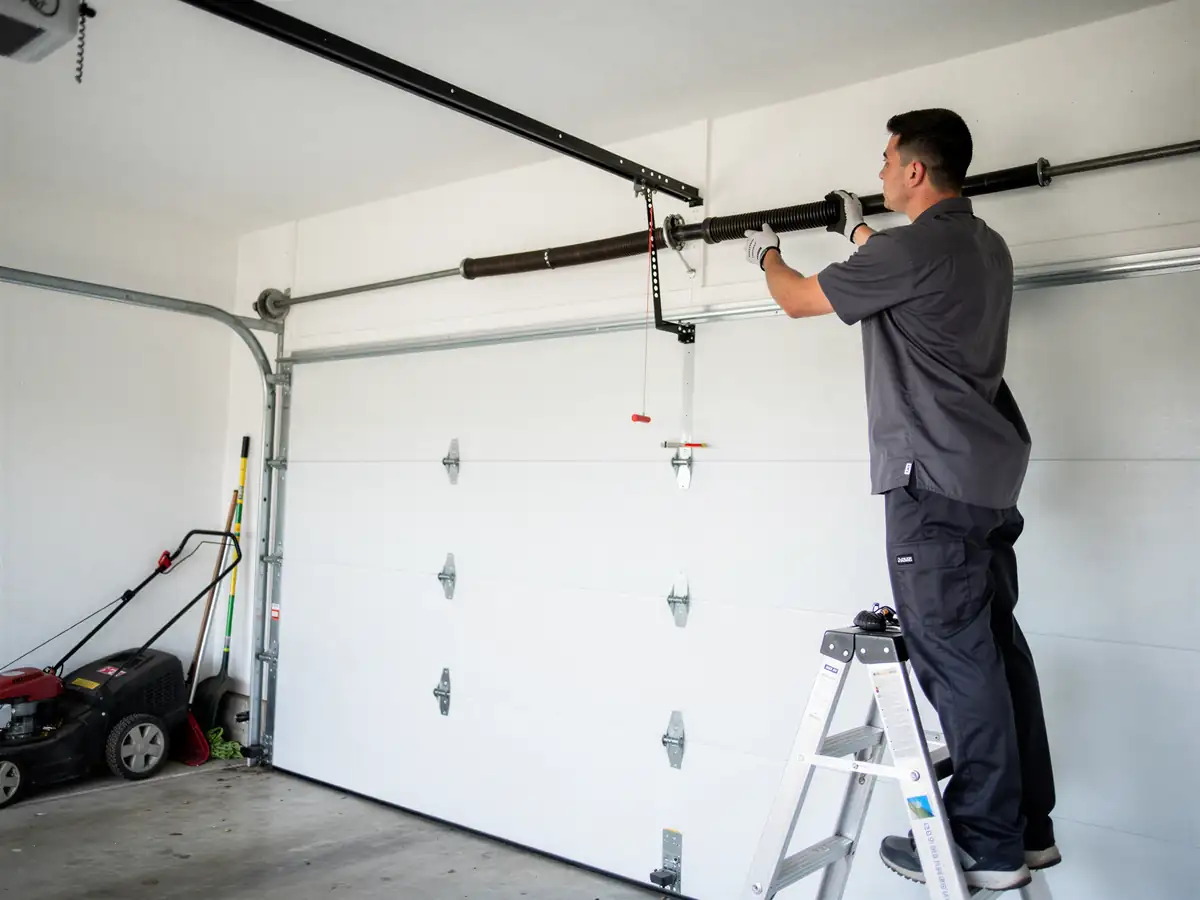
Housing in the broader service area went up mostly between 1944 and 2007, with a median build year of 1979, but Olivehurst itself skews a bit later - median around 1983. That puts most garages here on torsion spring setups rather than the older side-mounted extension springs you'd find on a house from the 1950s. We carry a working stock of torsion springs sized for the standard 7-foot and 8-foot residential door heights that era used, plus the extension-spring kits for the handful of older doors still holding on. What we don't carry on the truck is anything custom - odd-width doors, commercial coil stock, or springs for a door that's been rebuilt with mismatched hardware over the years. Those need an order, and that's the one real delay we won't pretend around: if your door needs a part we don't stock, you're looking at a wait, not a same-visit fix.
What You Are Seeing
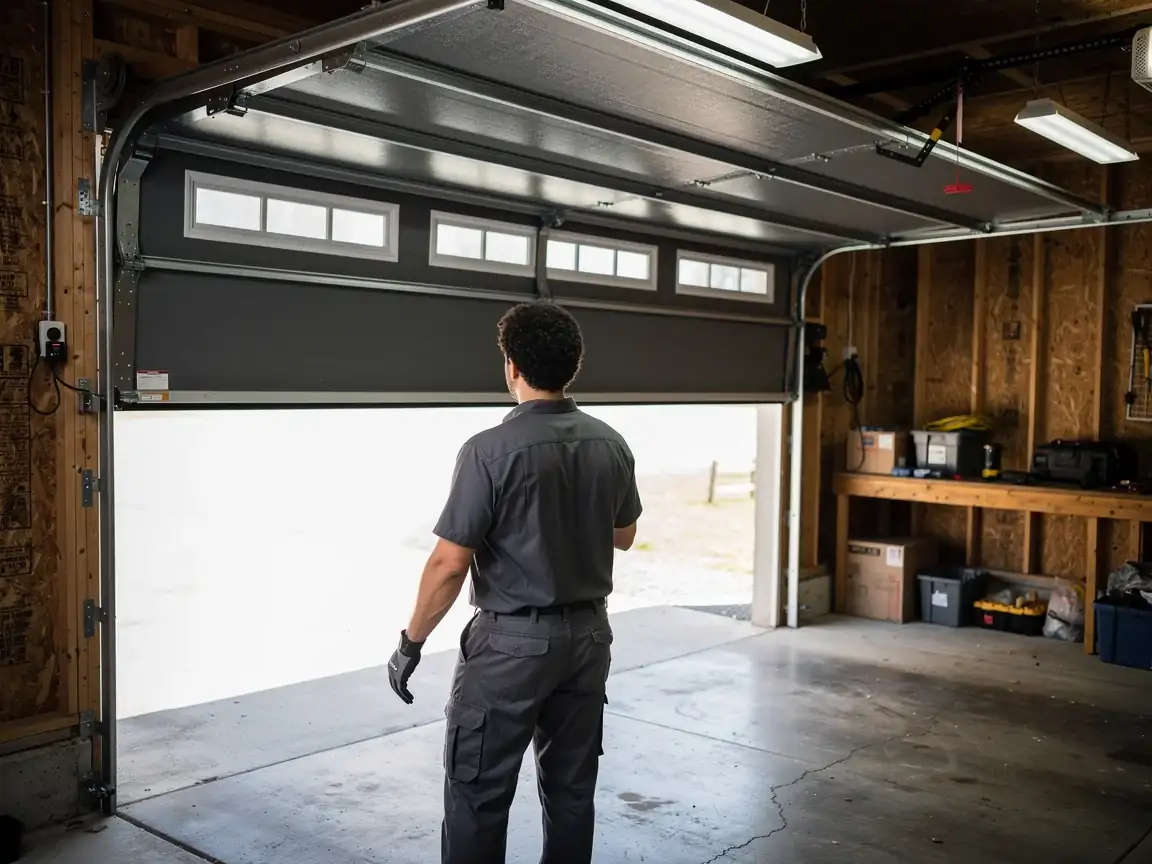
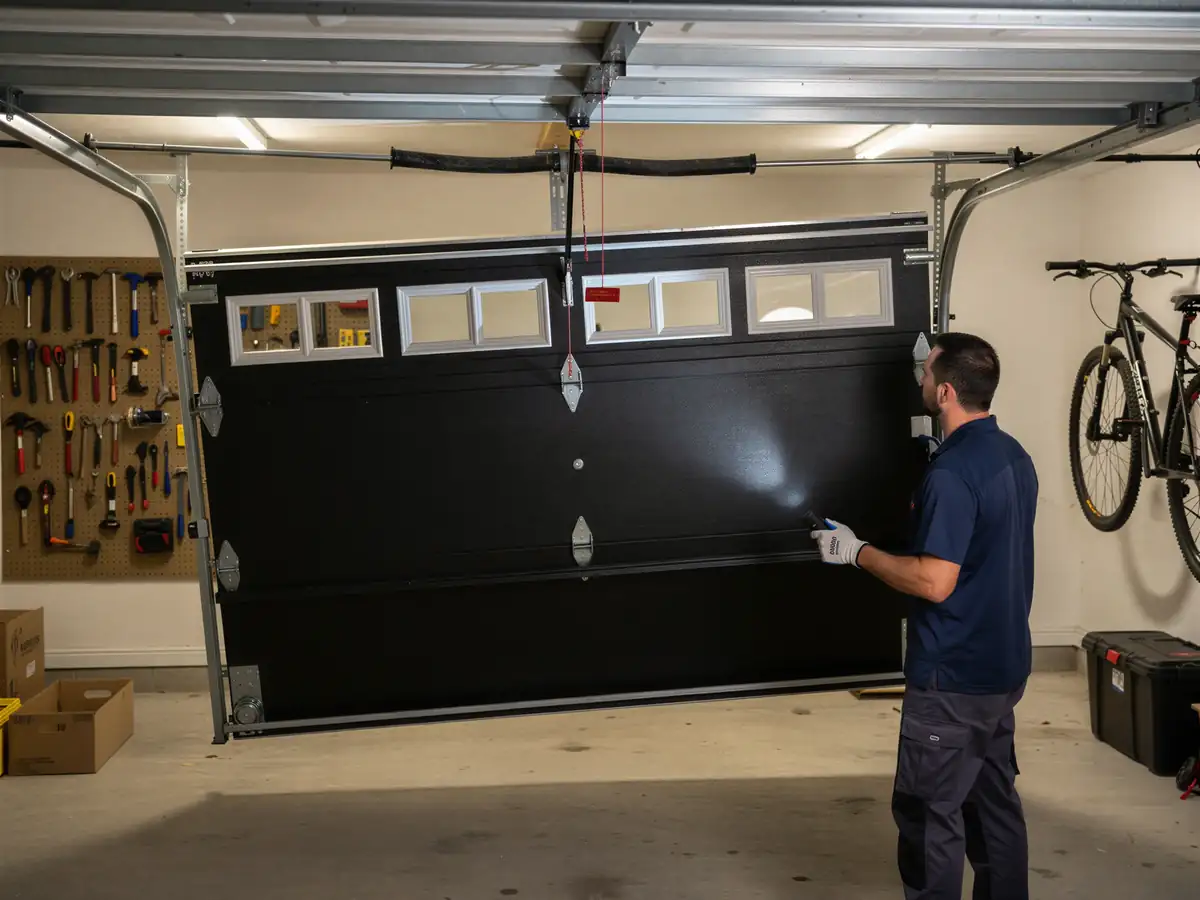
With a median household income of $80,477 and most houses dating to the early 1980s, the springs failing around Olivehurst right now are largely original or first-replacement springs on doors that have had 30-plus years of daily cycling plus severe summer heat working against the steel. The failure pattern is predictable: a single spring on an older double door giving out first, since one spring carrying a double door's full weight wears faster than a matched pair. We also see openers straining to lift a door after the spring has already gone, which burns out gears and belts that didn't need to fail. If you noticed the door getting heavier to lift by hand over the past few weeks before it broke outright, that's usually the spring's coil tension bleeding off - worth a call before it snaps rather than after.