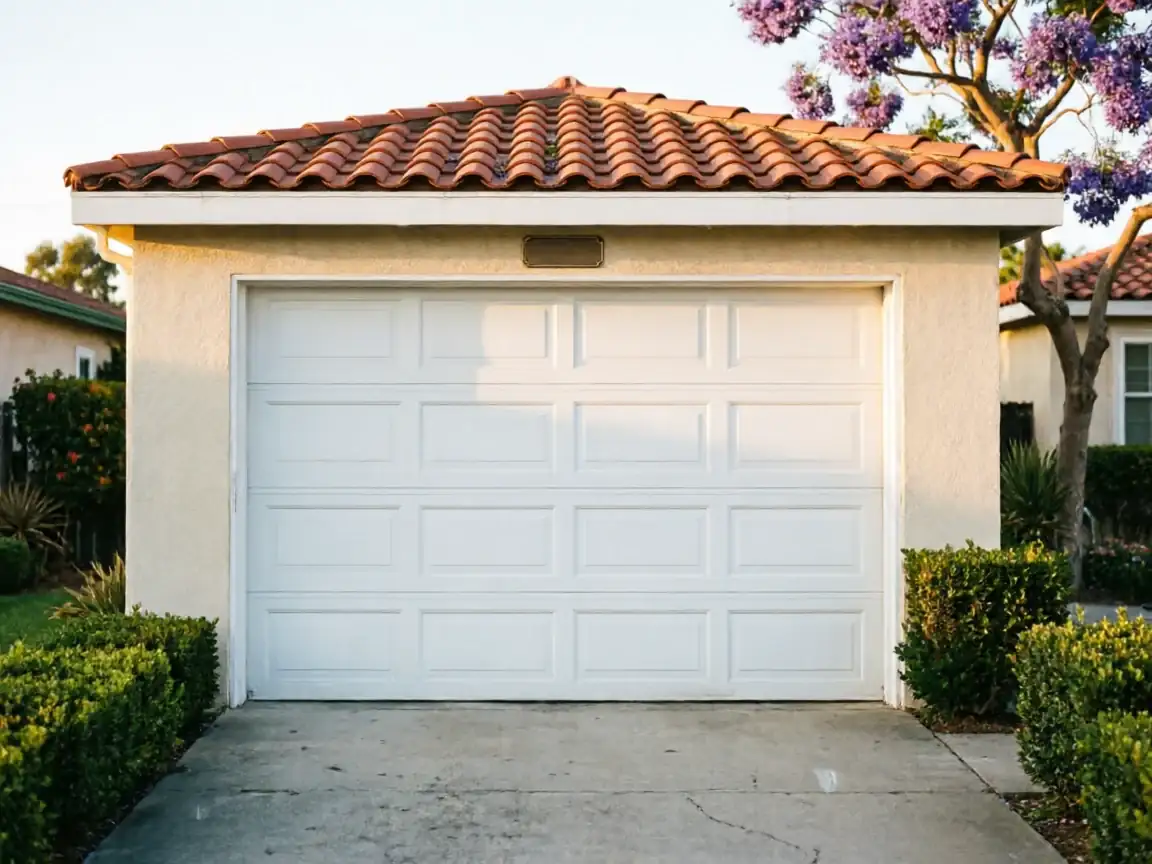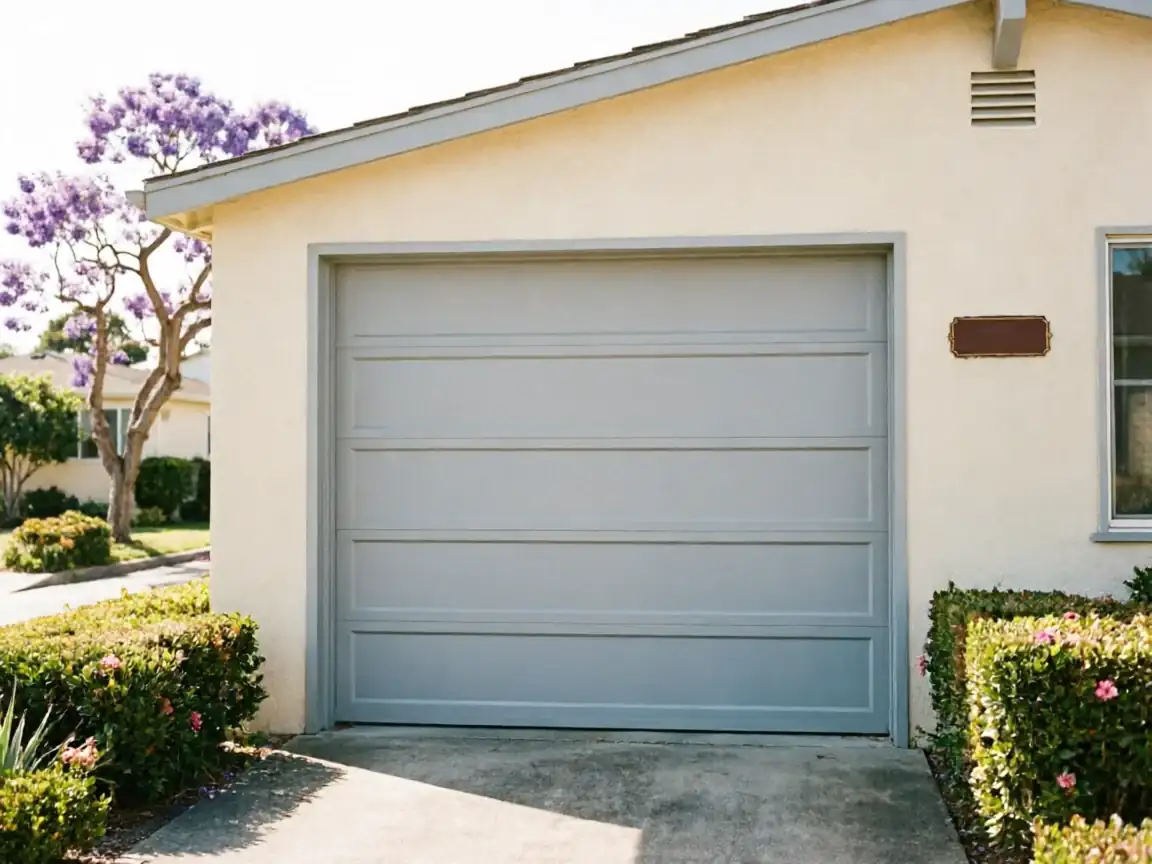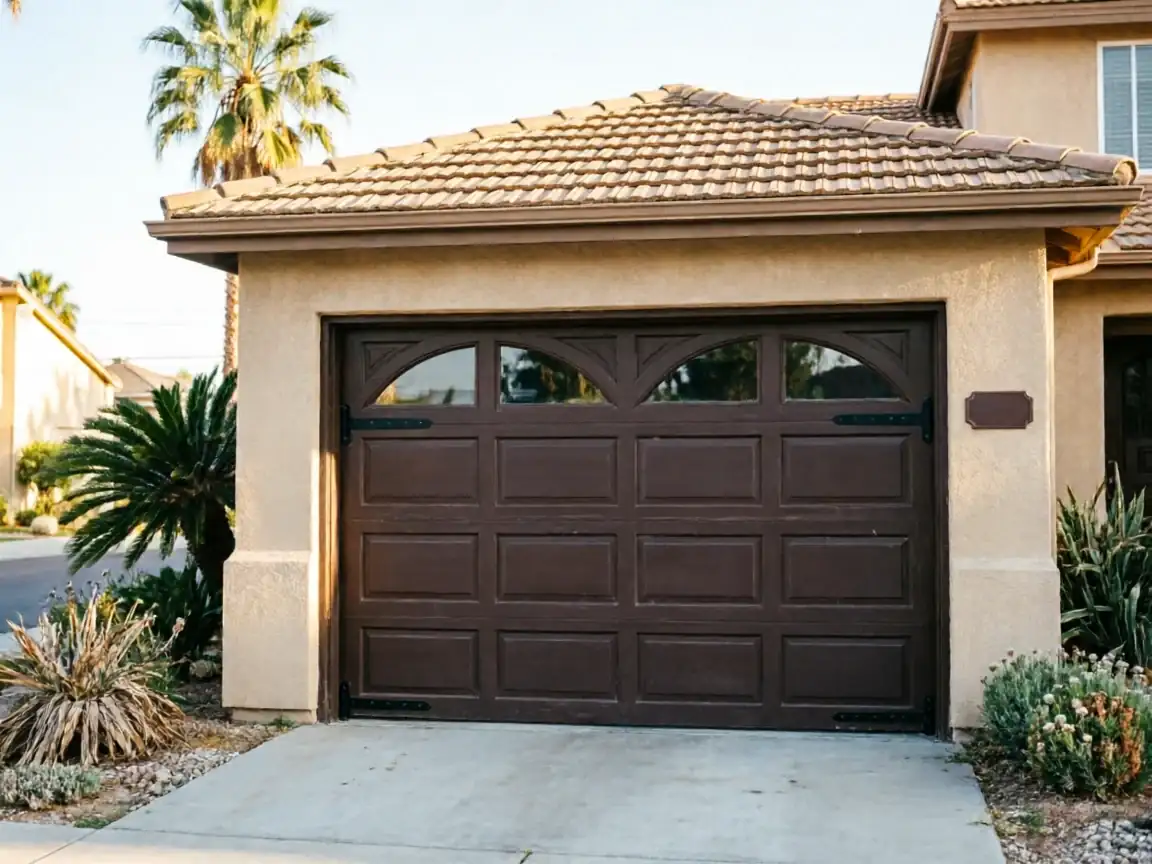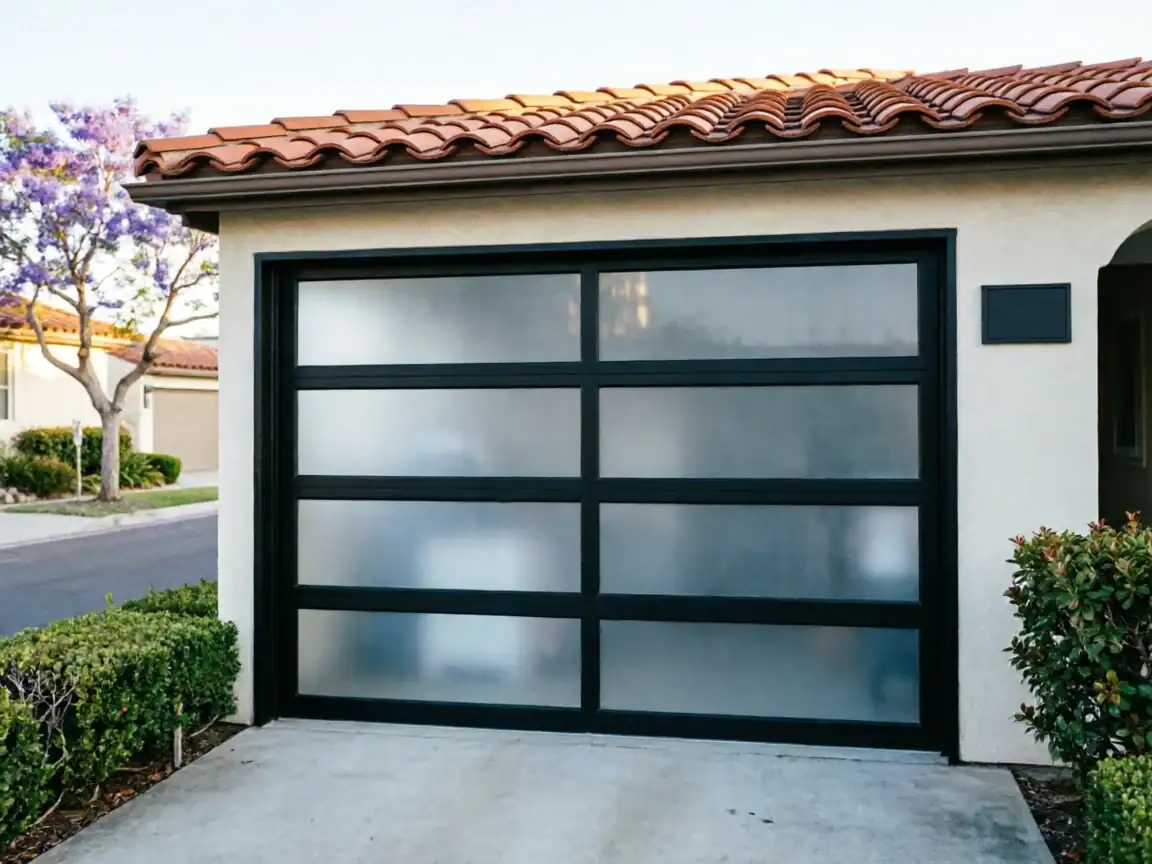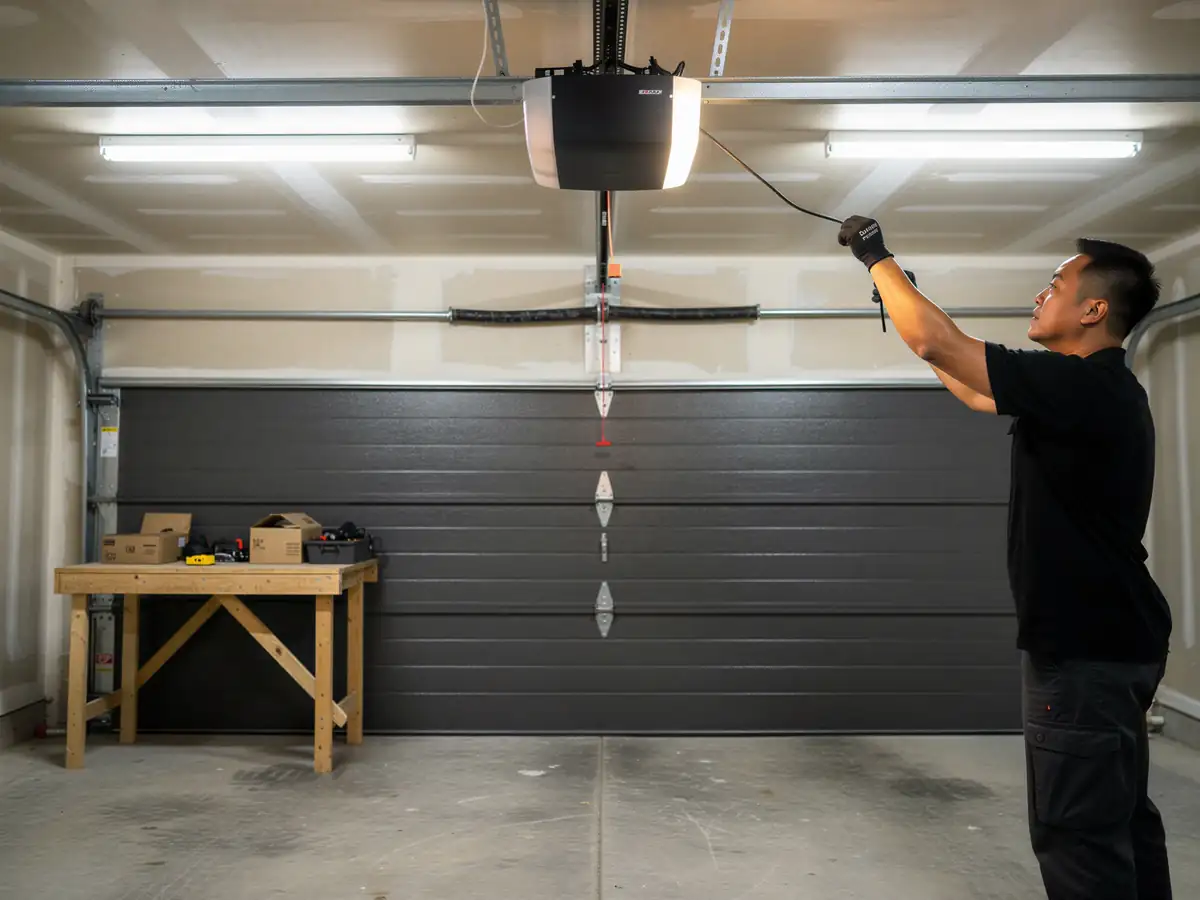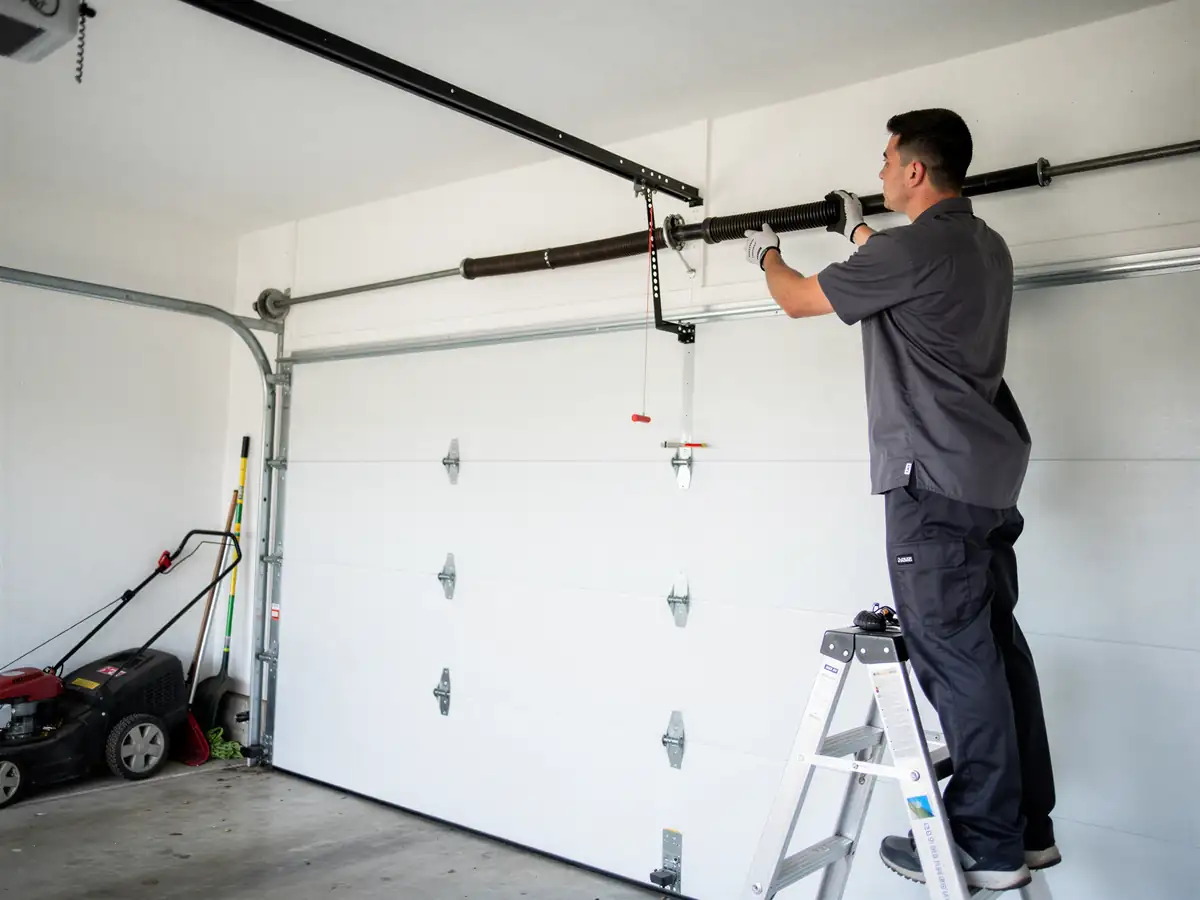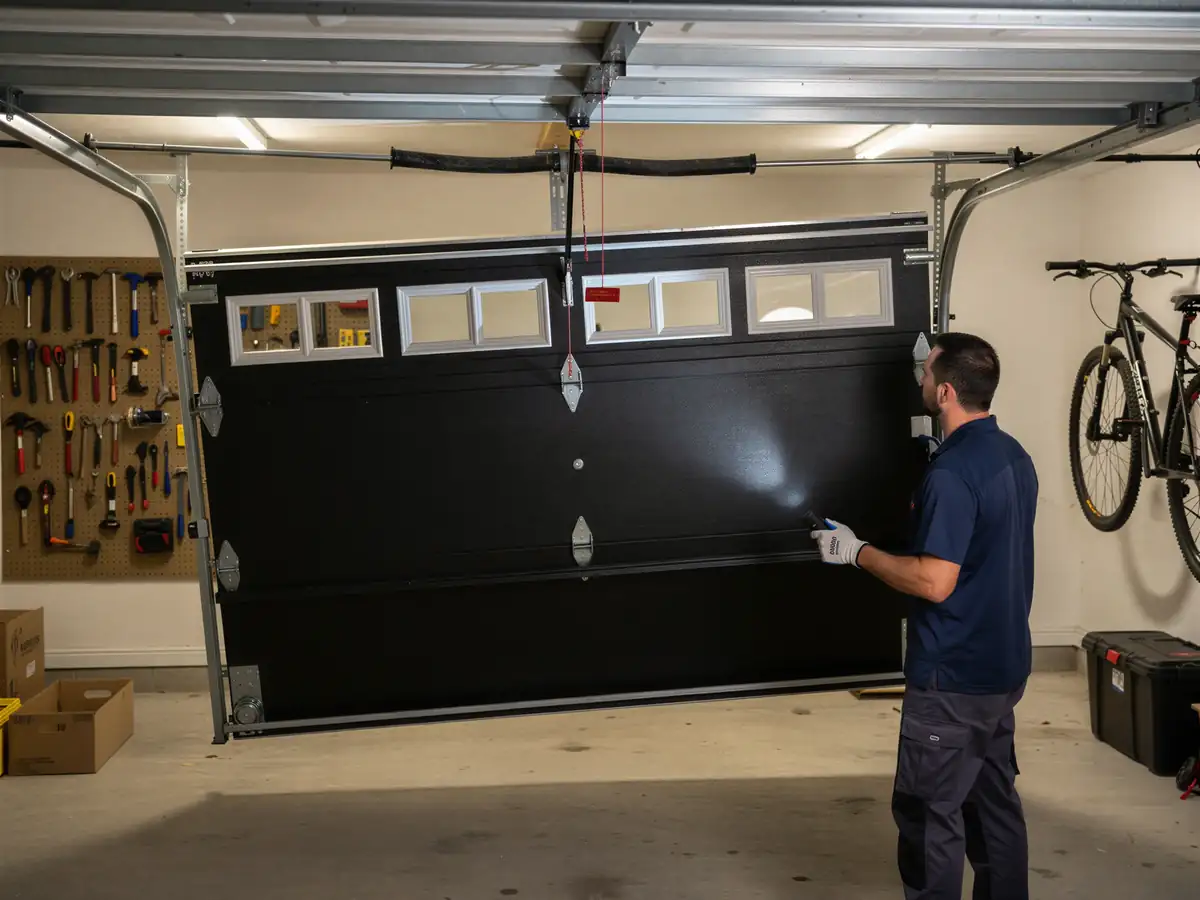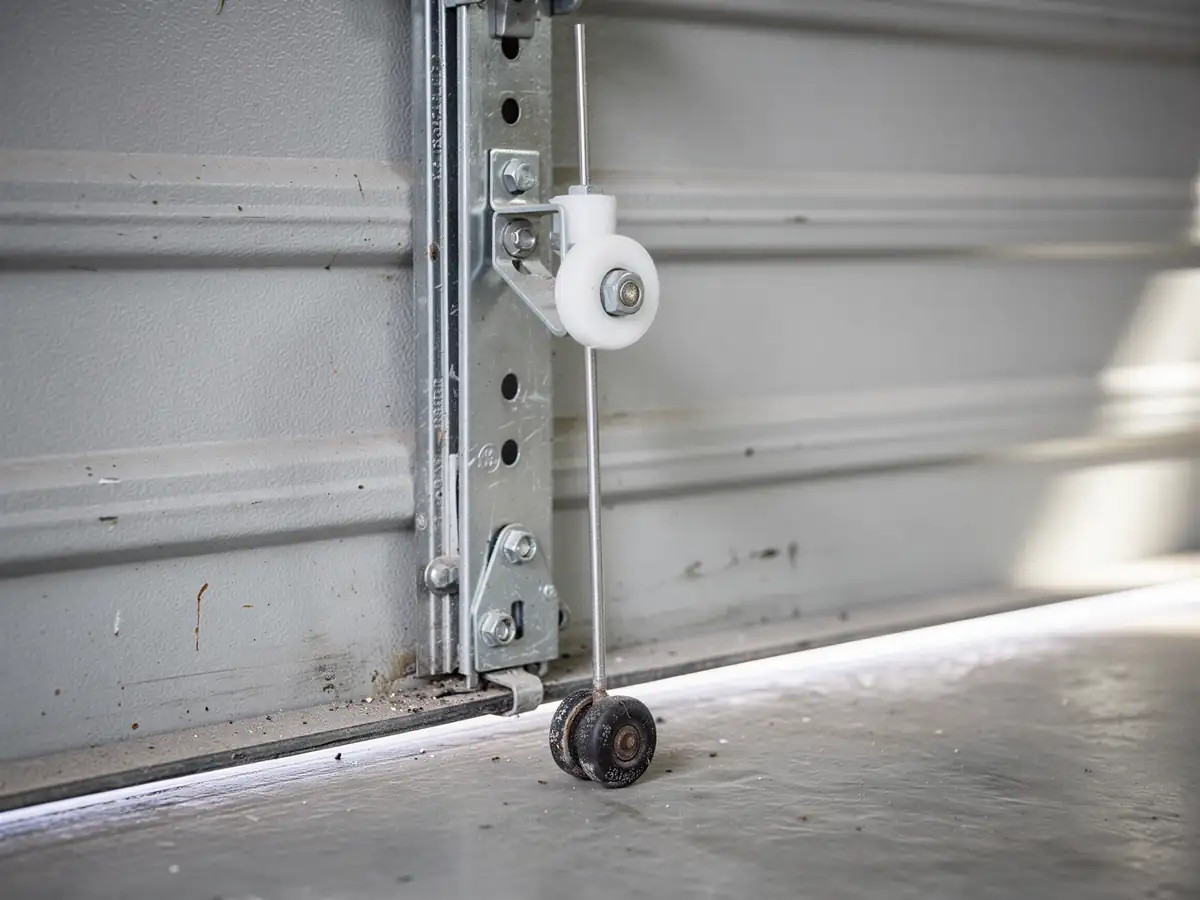
What You Are Seeing
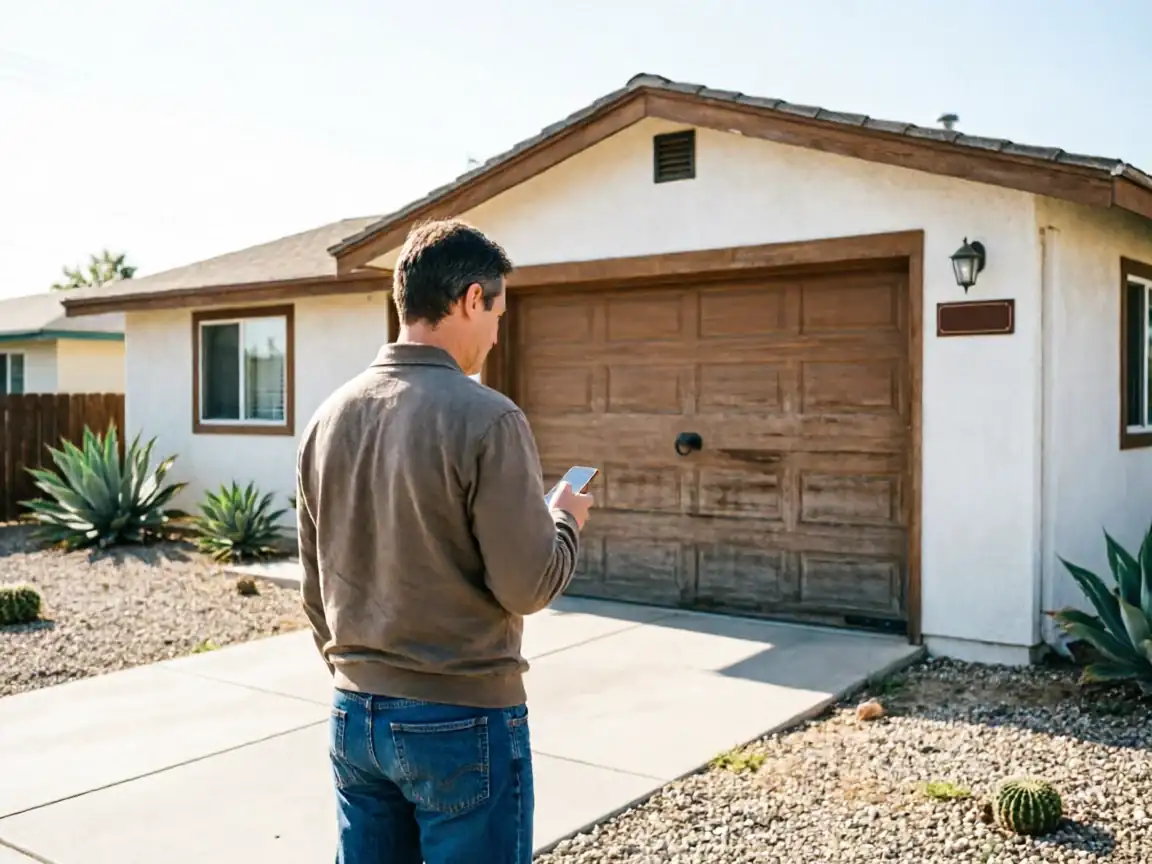
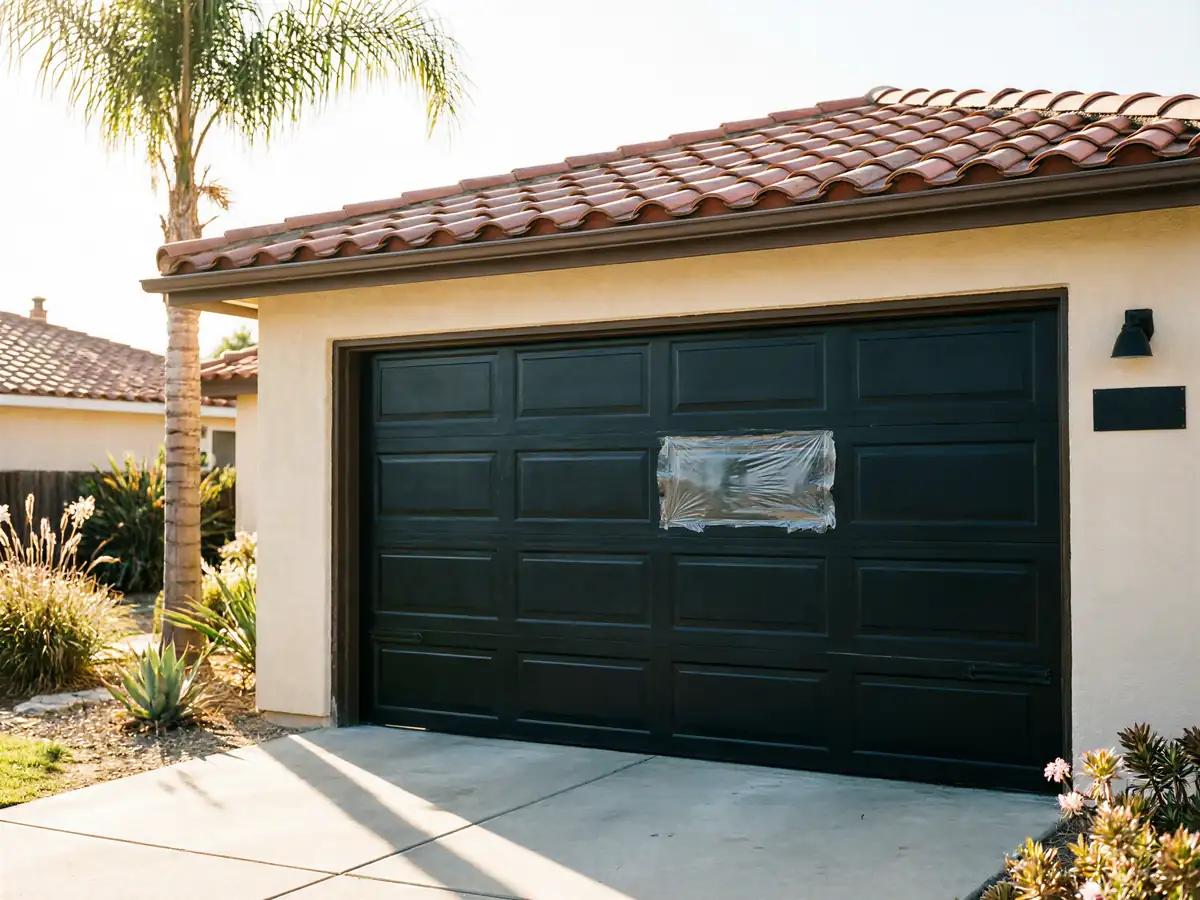
Drive the rest of our service area and you're mostly looking at houses built in the 1960s and 70s, with a median build year of 1979 across the territory. Plumas Lake is a different animal. Most of what's out here went up after 2000, with a median build year of 2007. That's not a small gap - it's roughly a generation of garage door hardware, wiring, and opener standards apart.
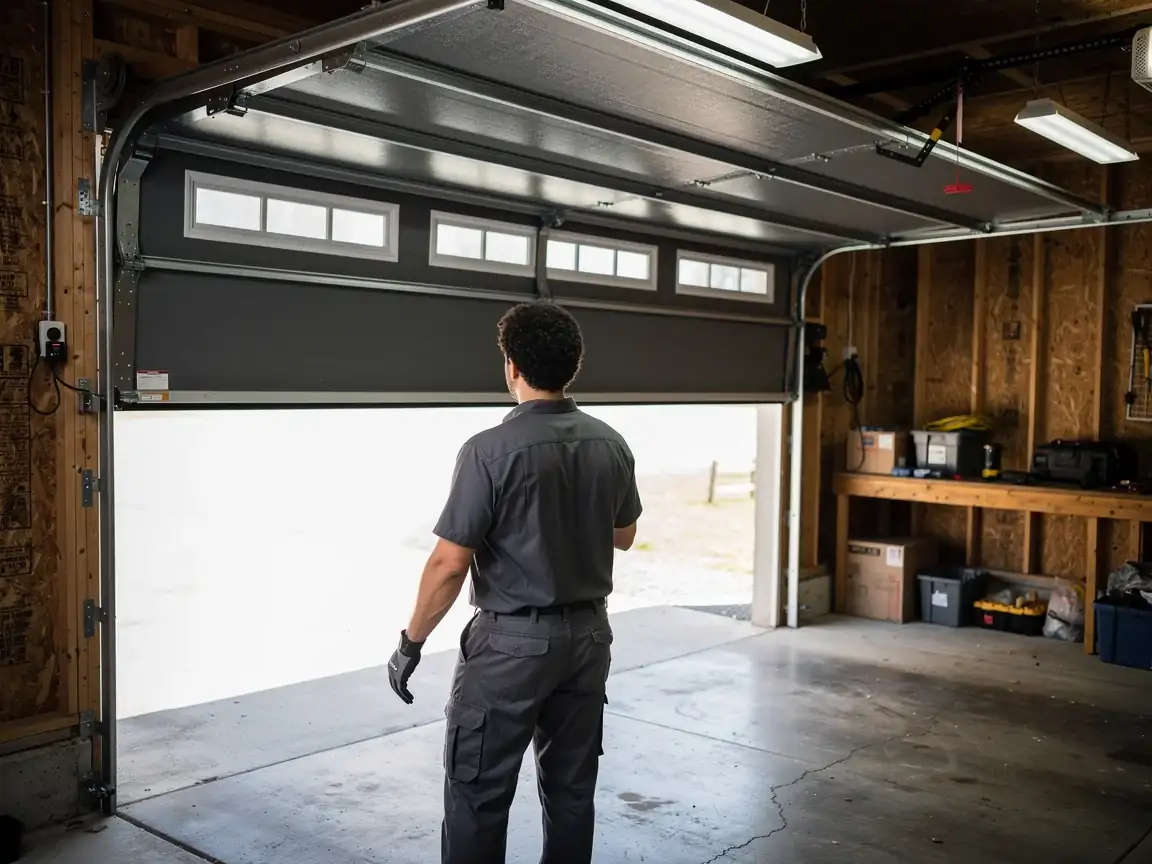
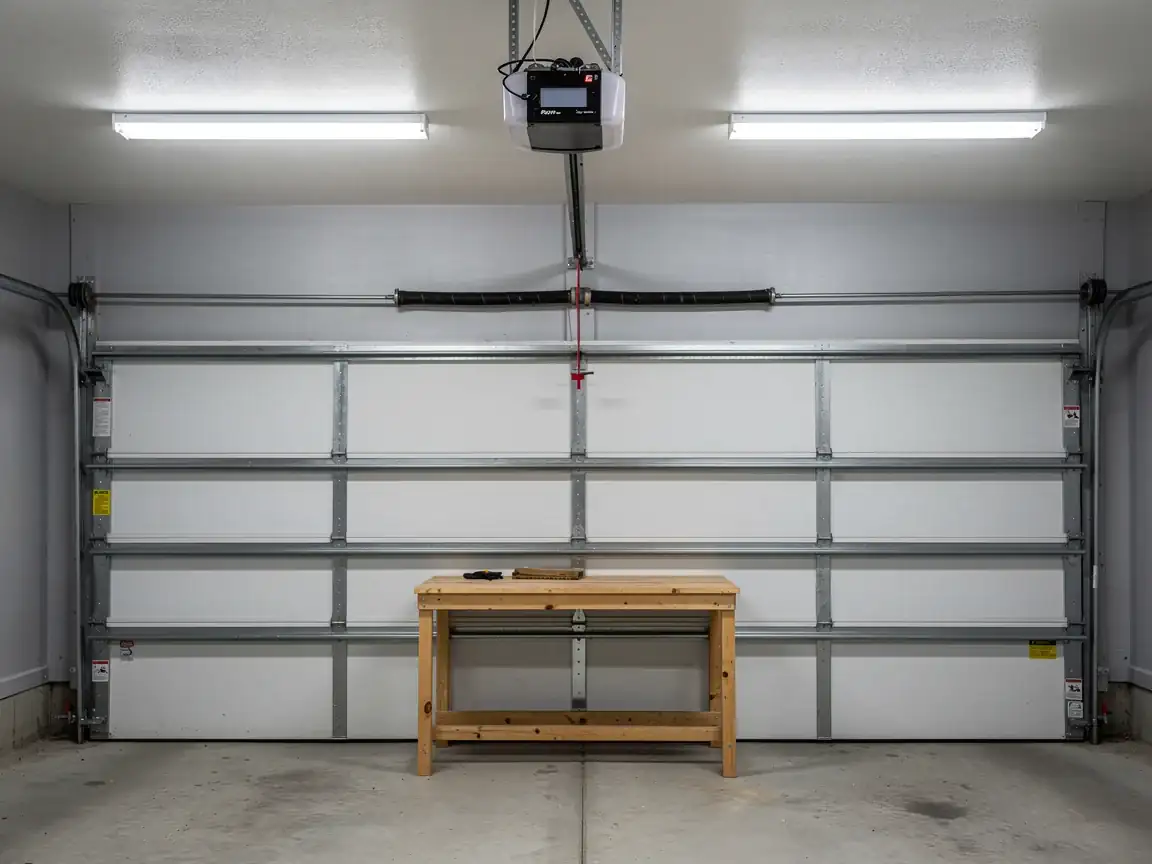
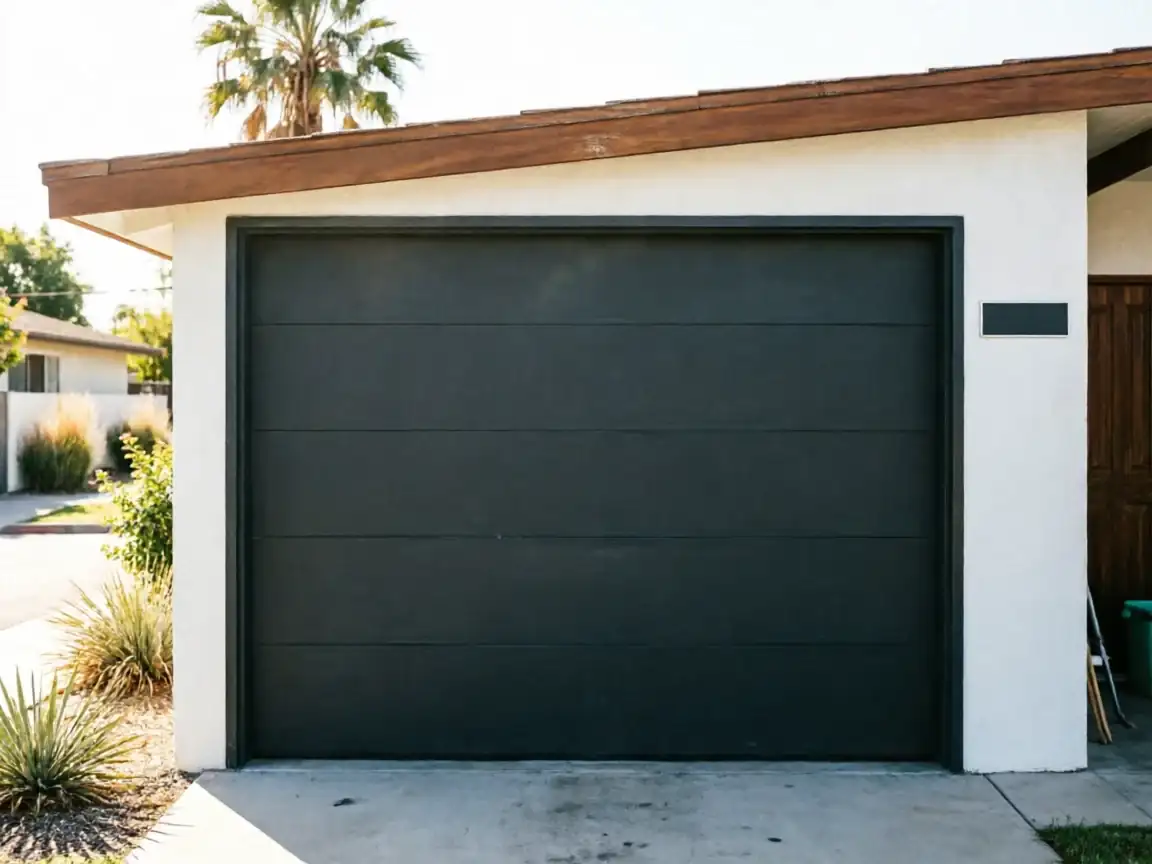
What that means on the ground: you're not dealing with an old single-piece slab door hung on side-mounted torsion springs, which is the common call in the older pockets we cover. You've got a sectional steel or composite door, probably still on its original torsion spring and probably still running its factory opener, because the house itself just isn't old enough for most of that gear to have failed yet. When a Plumas Lake homeowner calls about a new install, it's usually not because the door died of old age - it's an upgrade, a damage repair, or a mismatch between the opener and a newer smart-home setup.
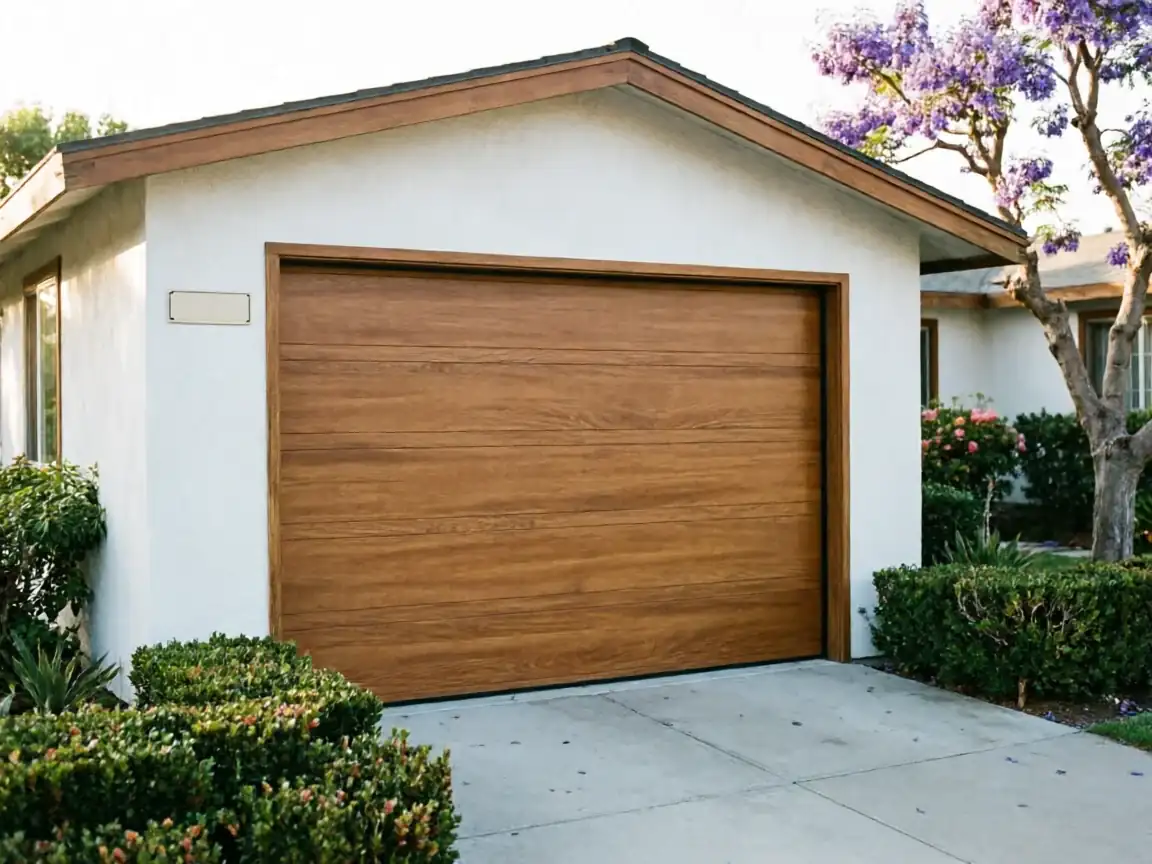
Income here also runs noticeably higher, with a median household income near $114,083 against roughly $80,104 across the broader area. That tends to shift what people ask for - insulated steel over bare steel, quieter belt-drive openers over chain drives, and finish options that match newer stucco and trim rather than whatever matched the house in 1975.
Doing It Yourself
If you're set on doing this yourself, know what you're actually swapping. A new sectional door on a 2007-era house usually means a door that's already a reasonable modern design, so you're not fighting old framing or an undersized header the way you might in an older part of the territory. That's the easy part.
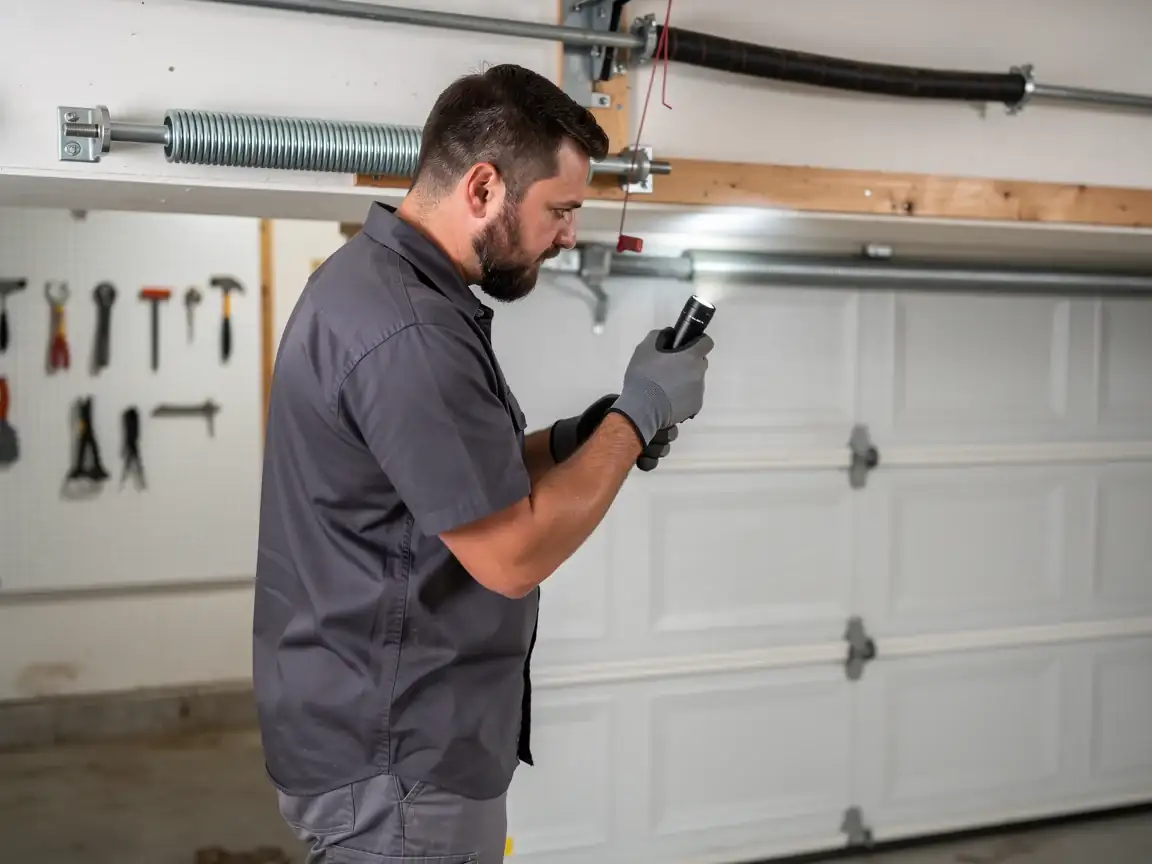
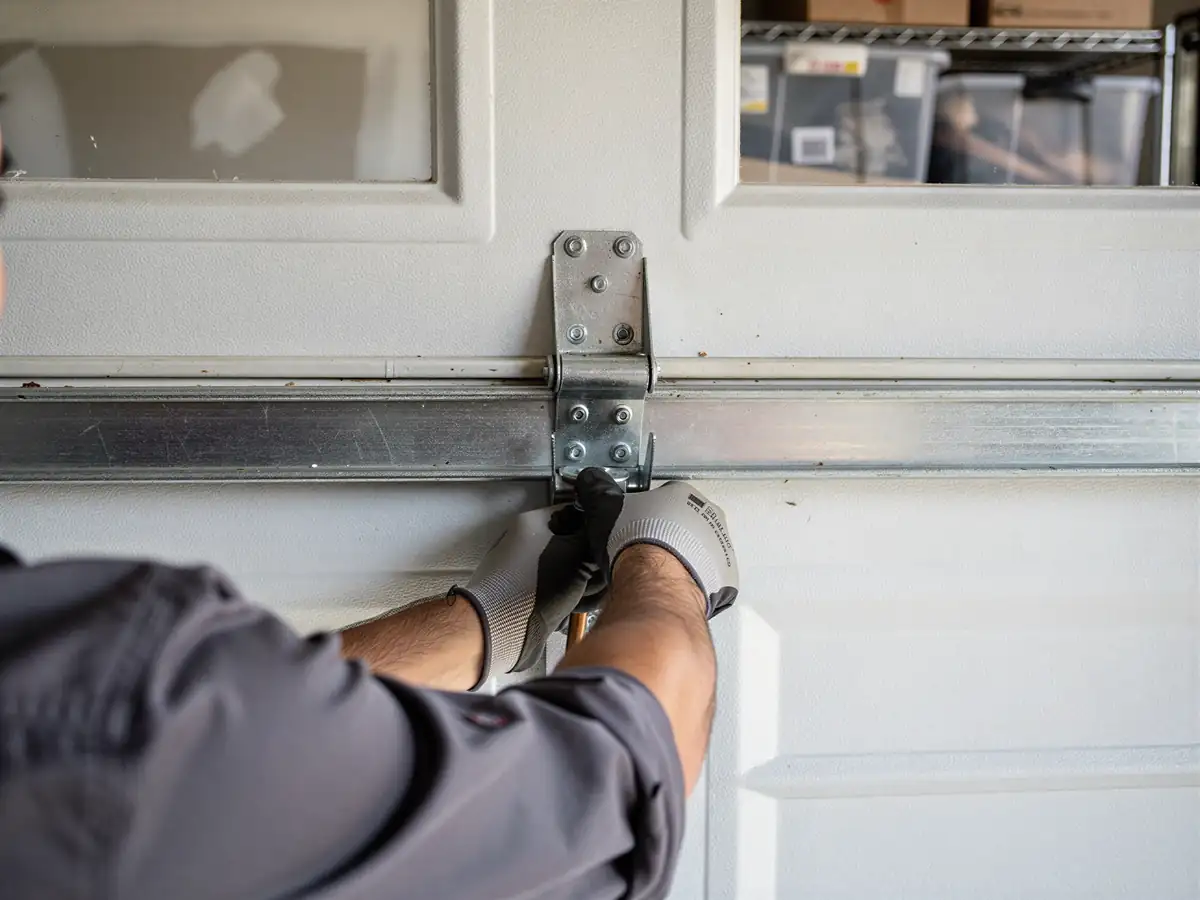
The hard part is the same everywhere: a double garage door is heavy, and the torsion spring that counterbalances it is wound under enough tension to do real damage if it lets go while you're working on it. We're not going to walk you through winding or unwinding a spring here. If you're replacing panels only and leaving the existing spring and track alone, that's a more reasonable DIY scope - just confirm the new door's weight rating matches what the current spring is set up to lift, since mismatched weight is a common cause of early spring failure on newer installs.
Opener wiring on a newer house is usually straightforward, GFCI-protected and grounded the way current code expects. Where people get stuck is squaring a new door's exact width and header clearance against the opening, since "standard" sizes vary more than people expect even on houses built in the same few years.
The Complications
With 2,851 households in Plumas Lake, this isn't a large, varied housing stock the way the rest of the service area is
It's a tighter band of similar builds from roughly the same era. That cuts both ways. On one hand, parts and door sizes tend to be more consistent house to house. On the other, a lot of these garages share the same opener models and the same spring specs, which means if one brand or model has a known weak point, you'll likely see it again on the next street.
- 2,851 households
Heat is the complication that doesn't show up until later
The climate band here is rated severe for heat, and that matters more for a new install than people expect - insulation rating on the door panel affects how much heat transfers into an attached garage, and opener electronics mounted near the ceiling in an uninsulated garage take more thermal stress over the life of the unit. If you're installing new, it's worth paying attention to the door's R-value and where the opener's logic board sits, not just the springs and track.
We don't install openers that aren't rated for the duty cycle or heat exposure of the installation
That's one place we won't cut a corner to save you money up front.
What You Pay
We don't have a posted price list for this page, and quoting a number without seeing the opening, the door style, and the opener you want would be a guess dressed up as a fact. What we can tell you is how the Plumas Lake job tends to differ in scope from older-stock jobs elsewhere in the territory: less time spent correcting old framing or outdated track hardware, more of the budget going toward the door panel itself, insulation rating, and opener features like battery backup or smart-home integration that weren't standard when a lot of the rest of the area was built.
Household income here runs well above the area median, and we see that reflected in what people choose - insulated doors, quieter belt drives, and finish upgrades more often than the base model. None of that is required; a new standard steel door and a basic chain-drive opener will do the job just as well structurally. It's a preference pattern, not a price we can quote on a page.
Parts We Carry
Because most Plumas Lake garages are working with openers and door hardware from the last two decades rather than the last five, parts availability is generally easier here than in the older sections of the territory. Current-generation torsion springs, standard roller and track hardware, and mainstream opener models are stock items for us.
Where we run into lead times is the same everywhere: specialty door sizes, custom finishes, and certain smart-opener models that come from the manufacturer on order rather than sitting on a shelf. If your new install calls for something outside the common sizes, tell us up front so we can get an honest timeline instead of a hopeful one. We travel from Yuba City for every job here, about 11 miles out, so we plan parts pickup around the visit rather than carrying a duplicate stock locally.
Time on the Job
A straightforward new install on a 2007-era Plumas Lake garage
Standard opening, no structural surprises, stock door and opener - generally runs faster than the same job in an older part of the service area, mostly because there's less to correct before the new door goes in. Framing is square, headers meet current clearance, and the electrical is already up to code.
What slows a job down out here isn't the house's age, it's the drive and the order
Since we're coming from Yuba City roughly 11 miles each way, we schedule the full day around the install rather than squeezing it between closer calls. If a part has to come in on order - a nonstandard size or a specific opener model - that adds days before the crew ever shows up, not hours on site. Once the door and opener are on hand, a single new install on this style of house is typically a one-visit job.
- 11 miles