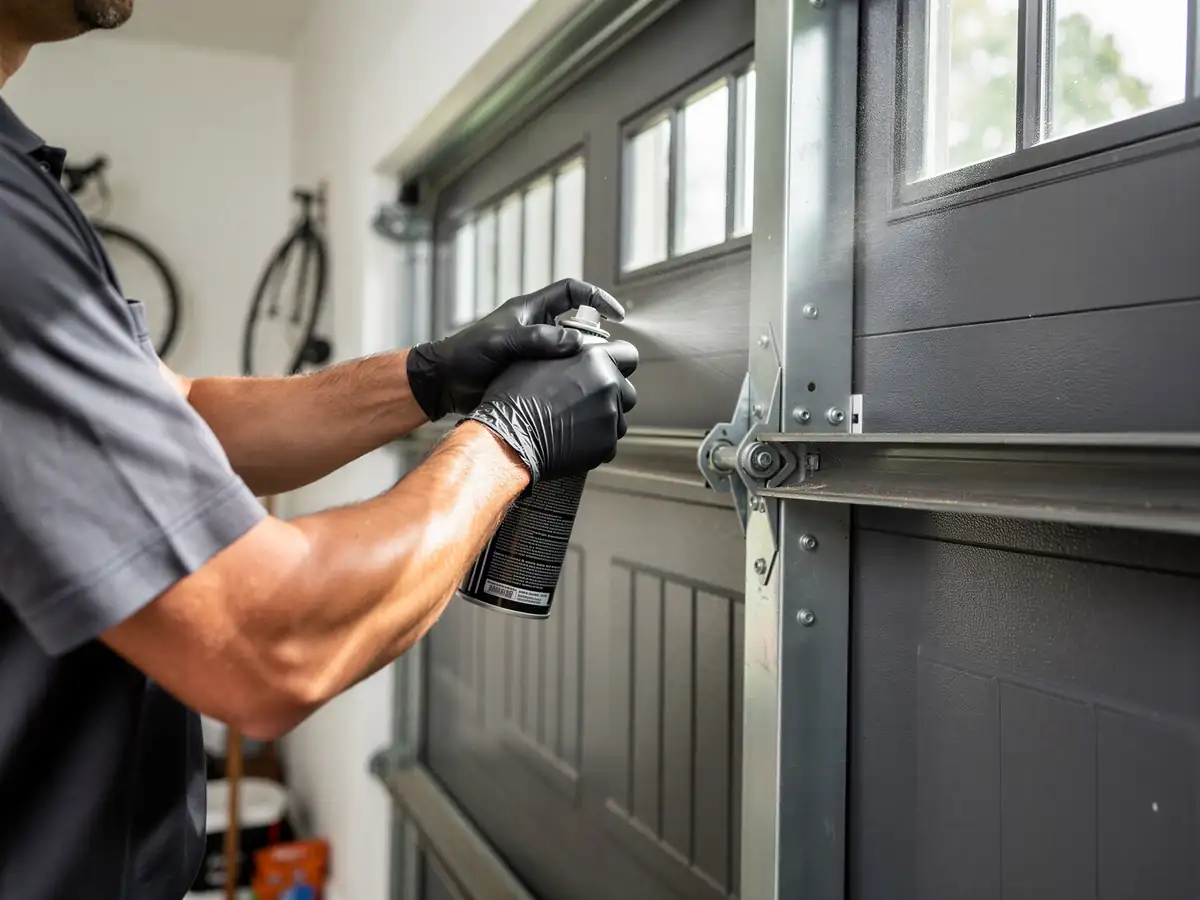
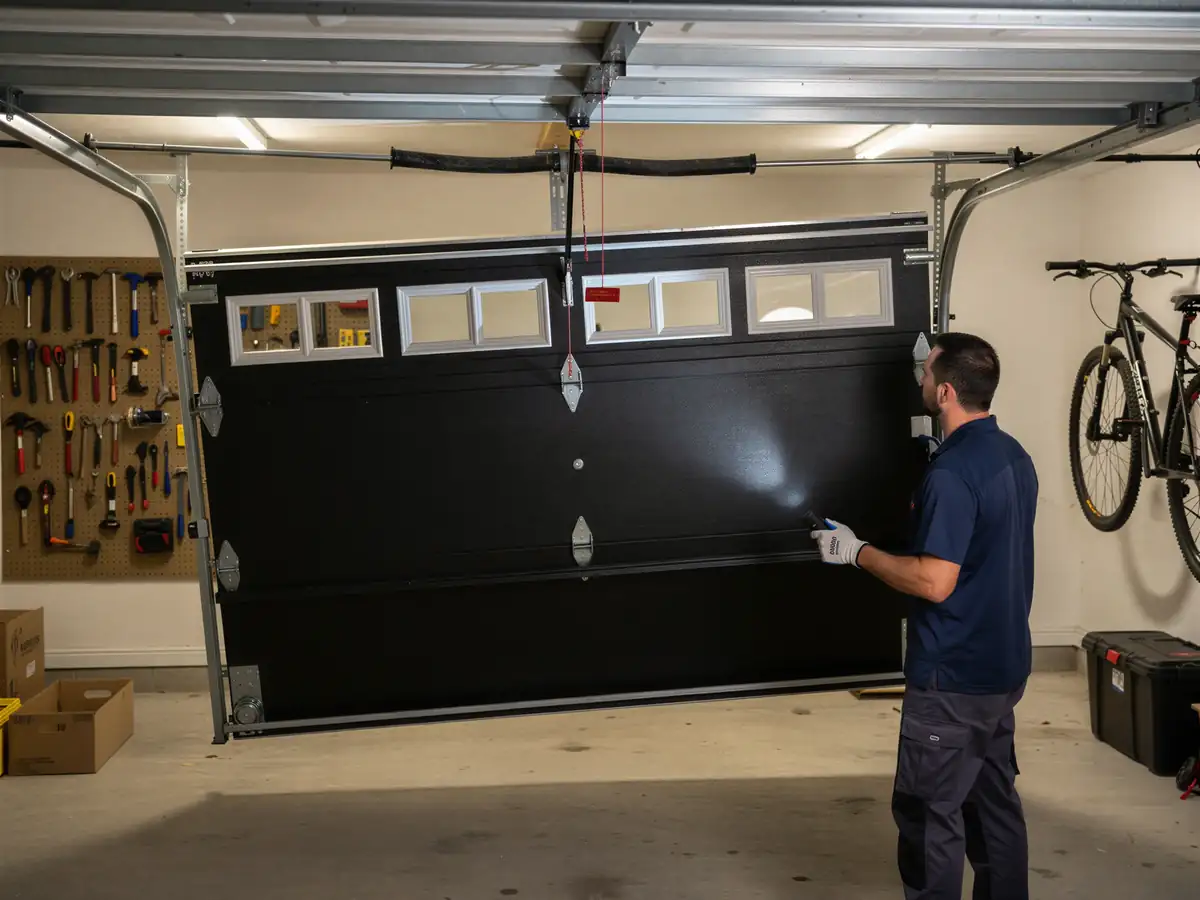
What You Are Seeing
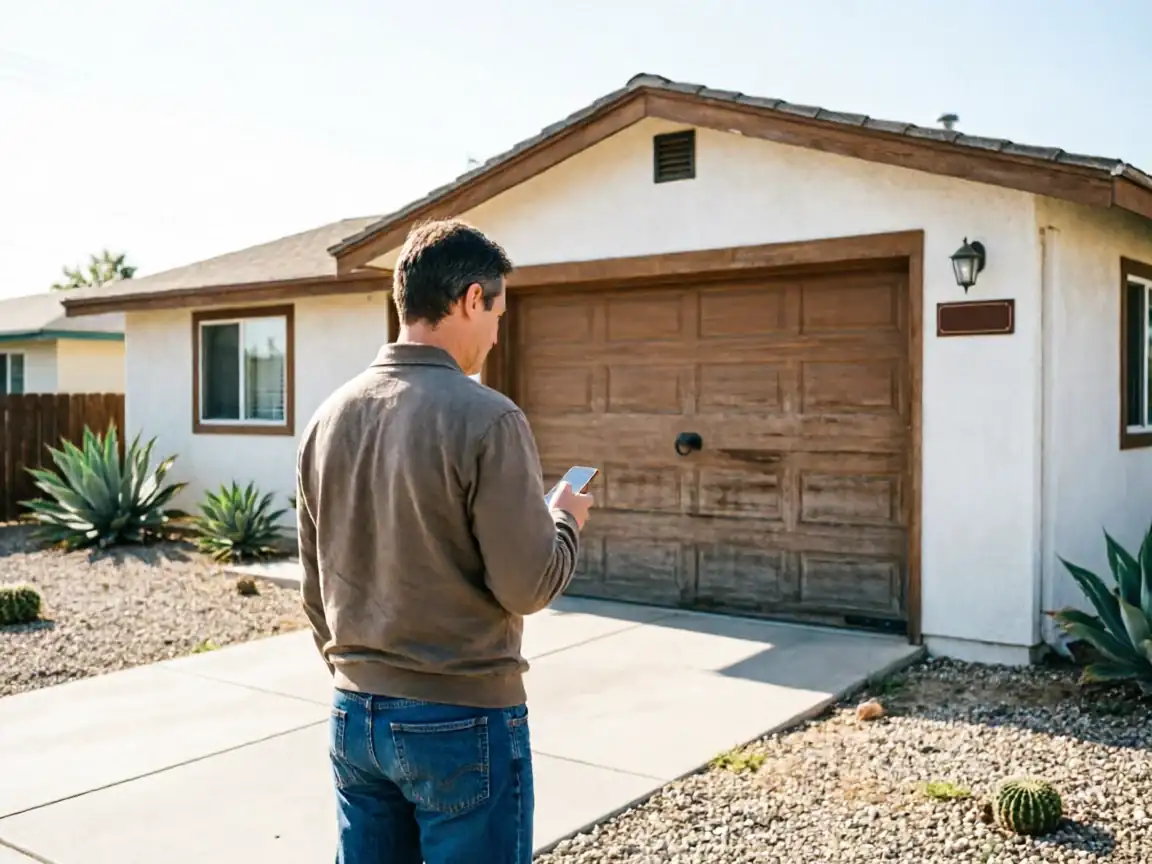
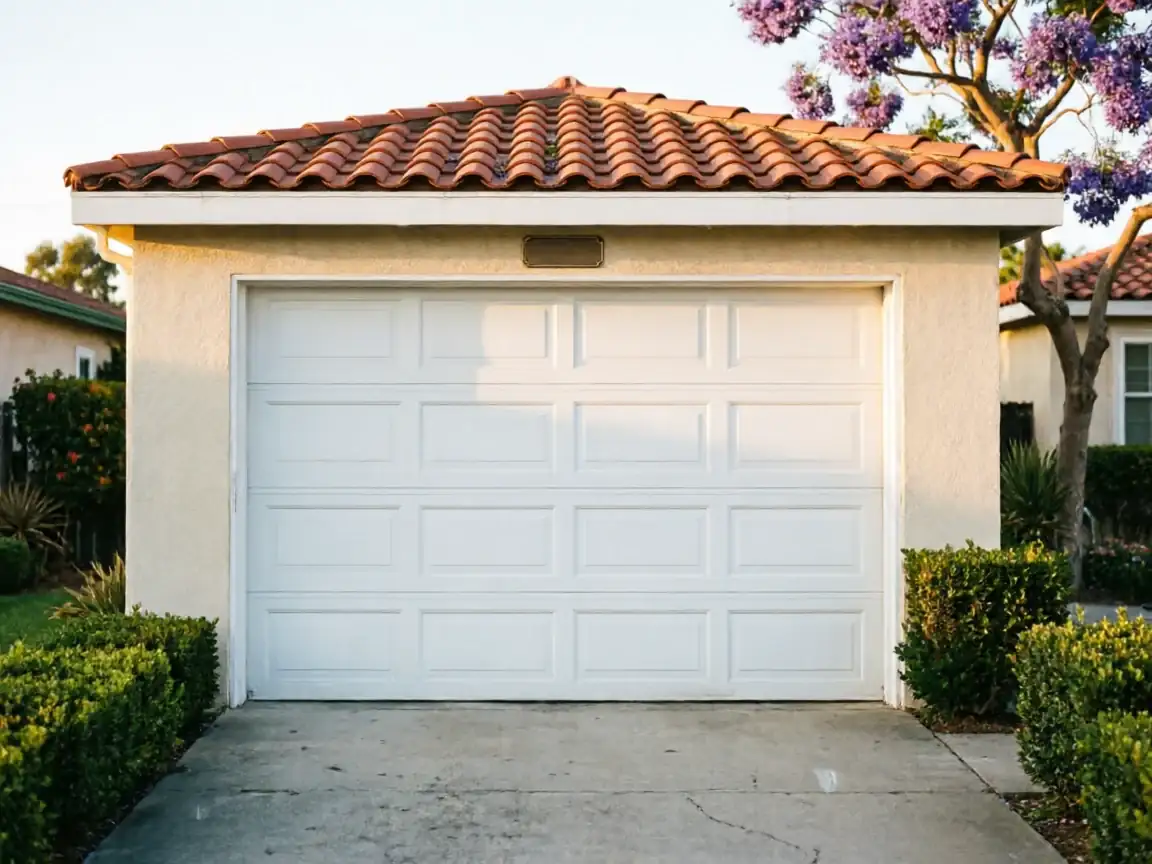
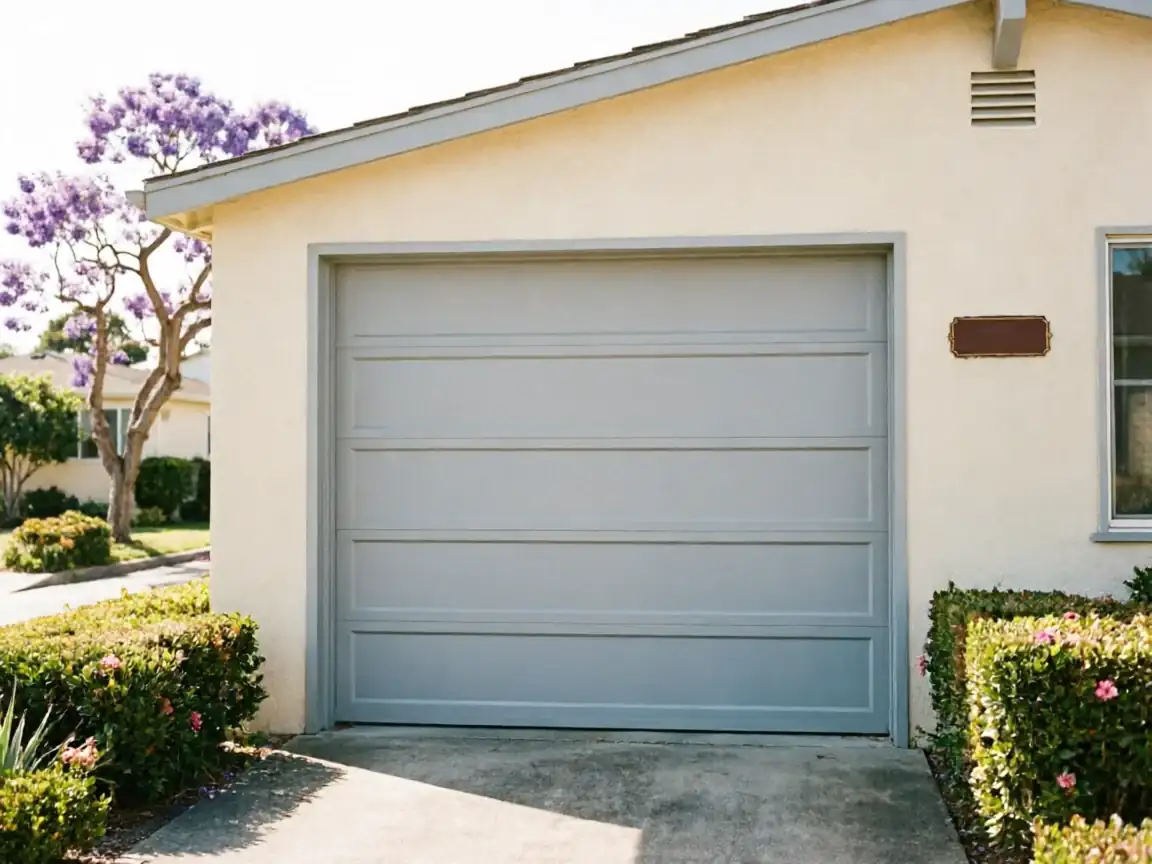
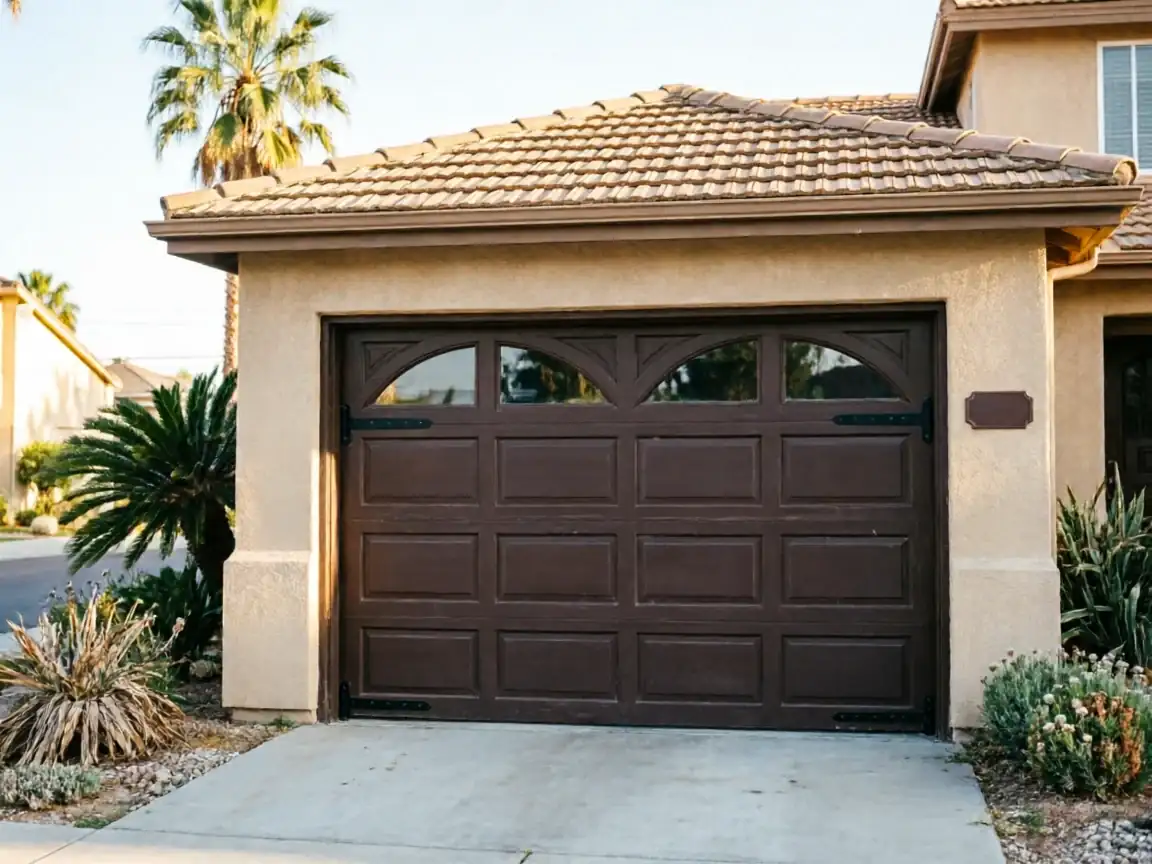
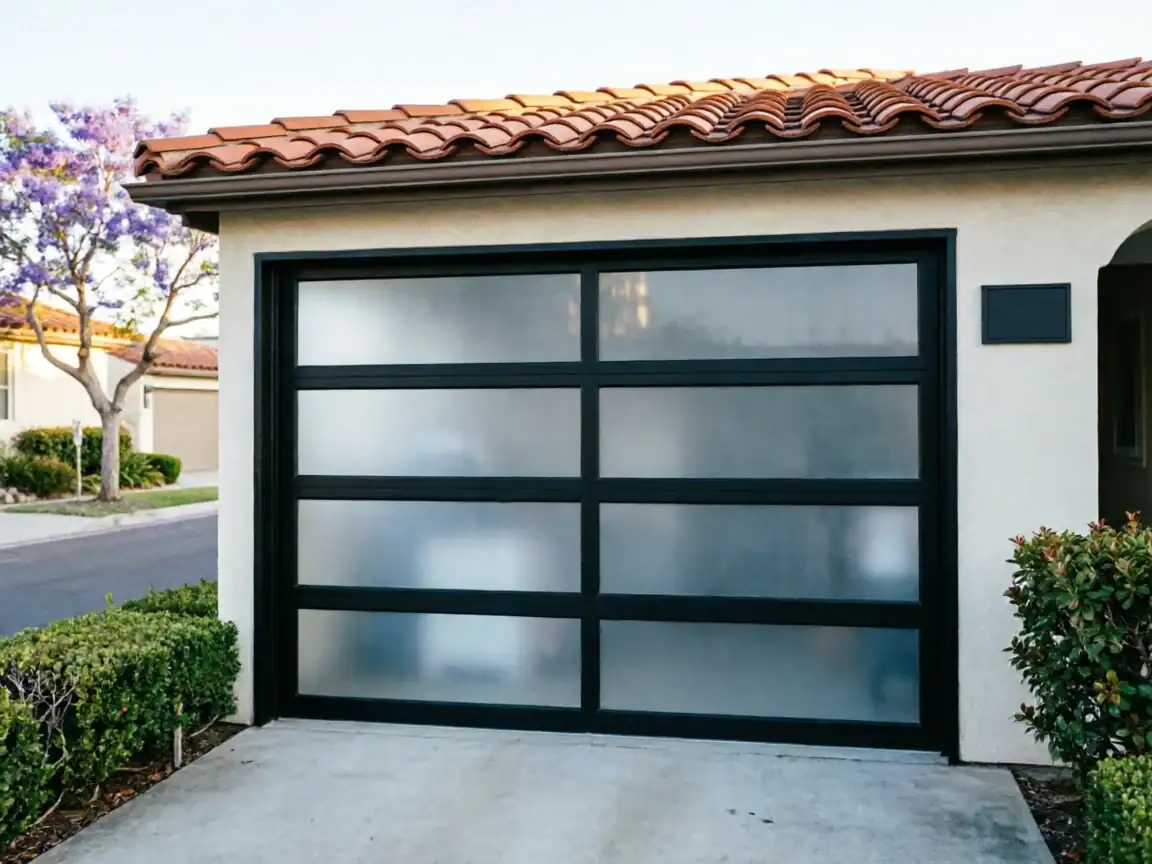
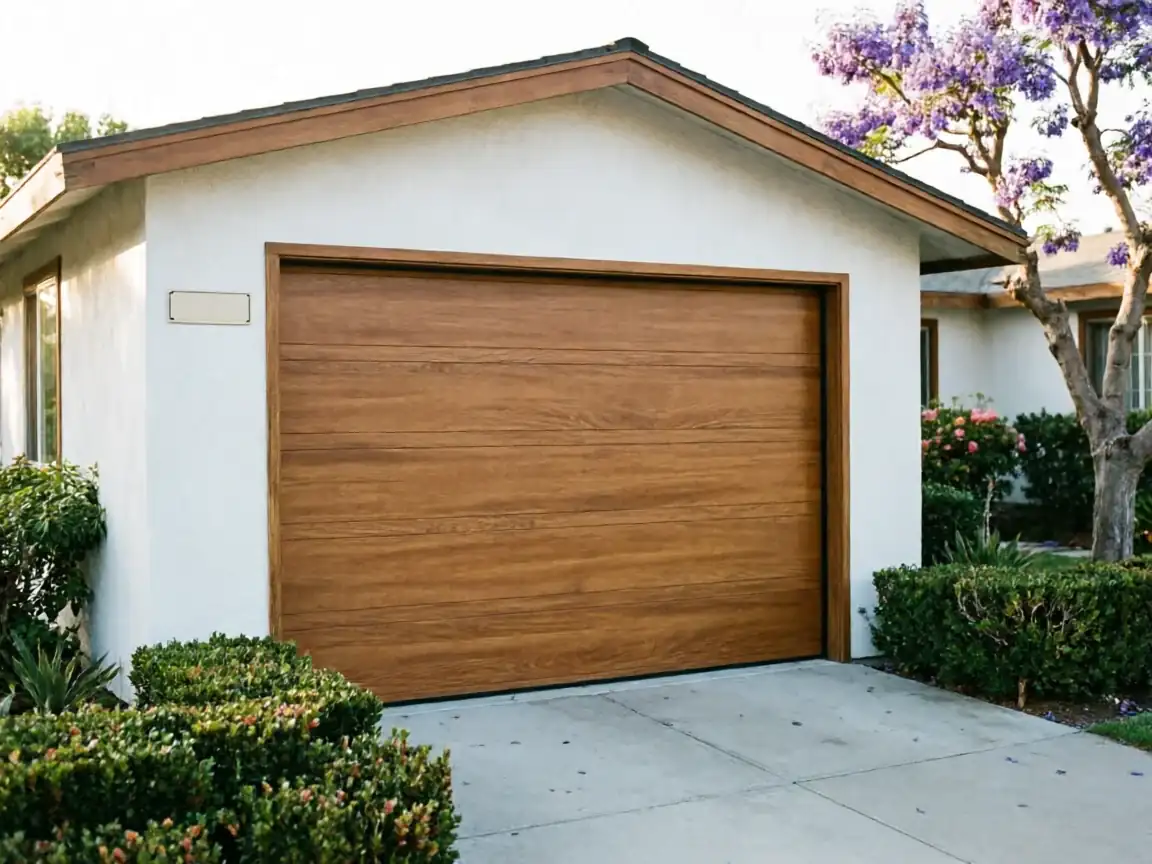
Most of Plumas Lake went up well after the rest of the service area was already built out. The median home here dates to around 2007, roughly three decades newer than the 1979 median across the wider area we cover. That matters for an off-track call, because it means the rollers, brackets, and track on a lot of these doors are still the factory originals - not because anyone's been careful with maintenance, but because the house simply hasn't been standing long enough to force a replacement.
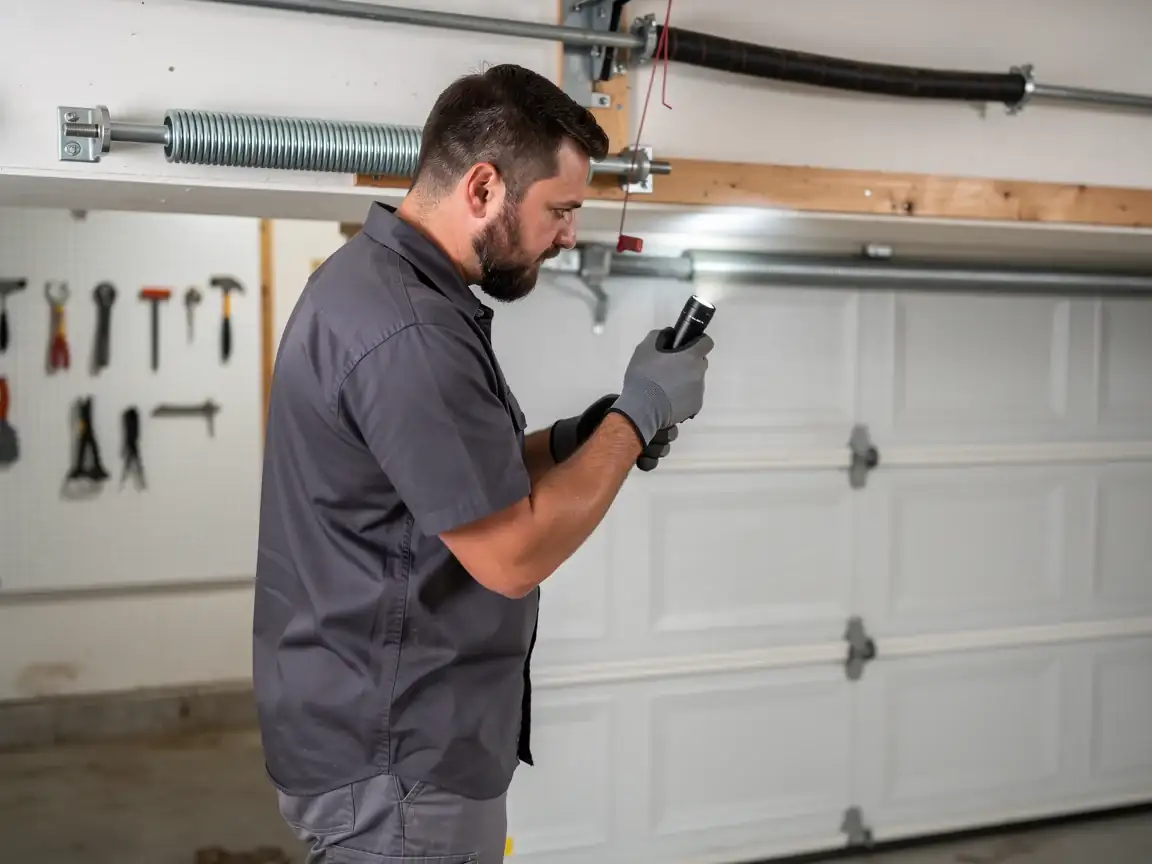
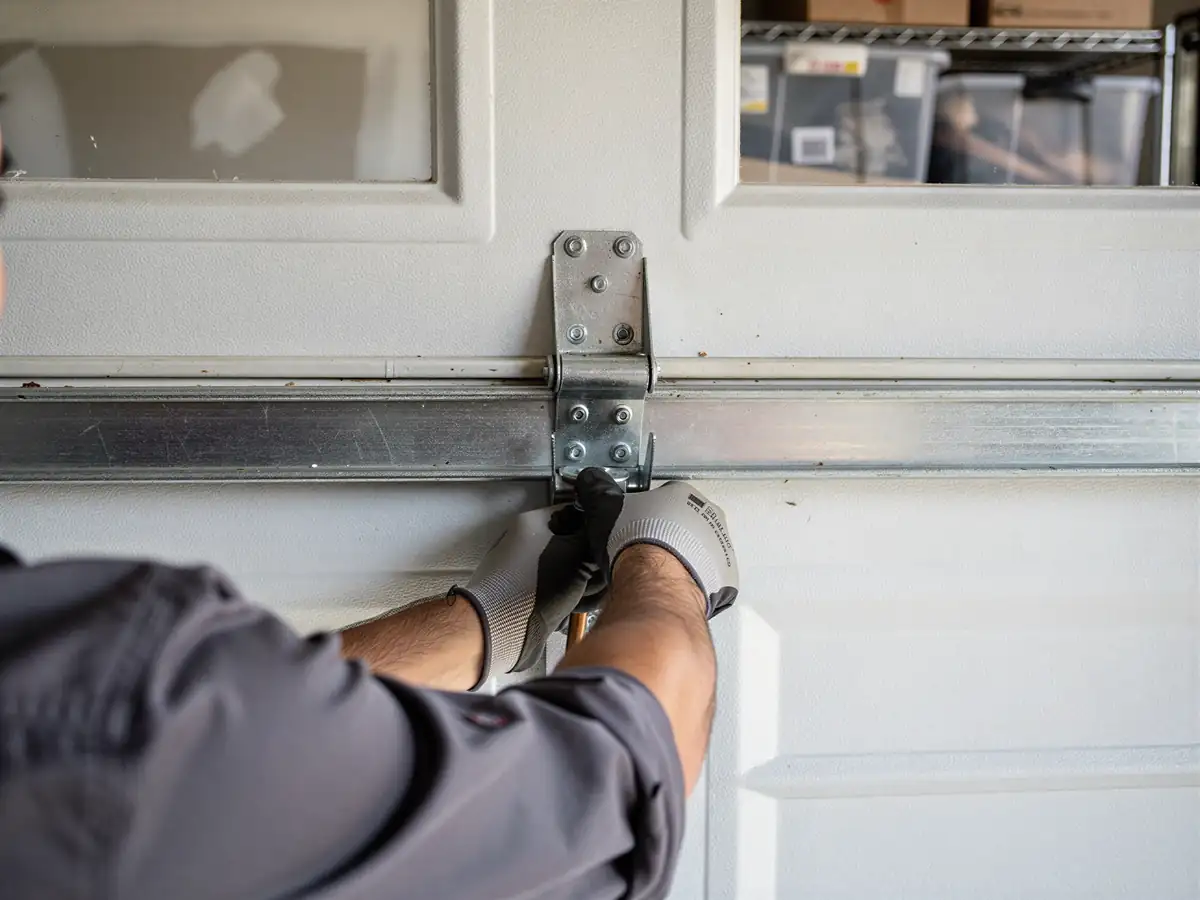
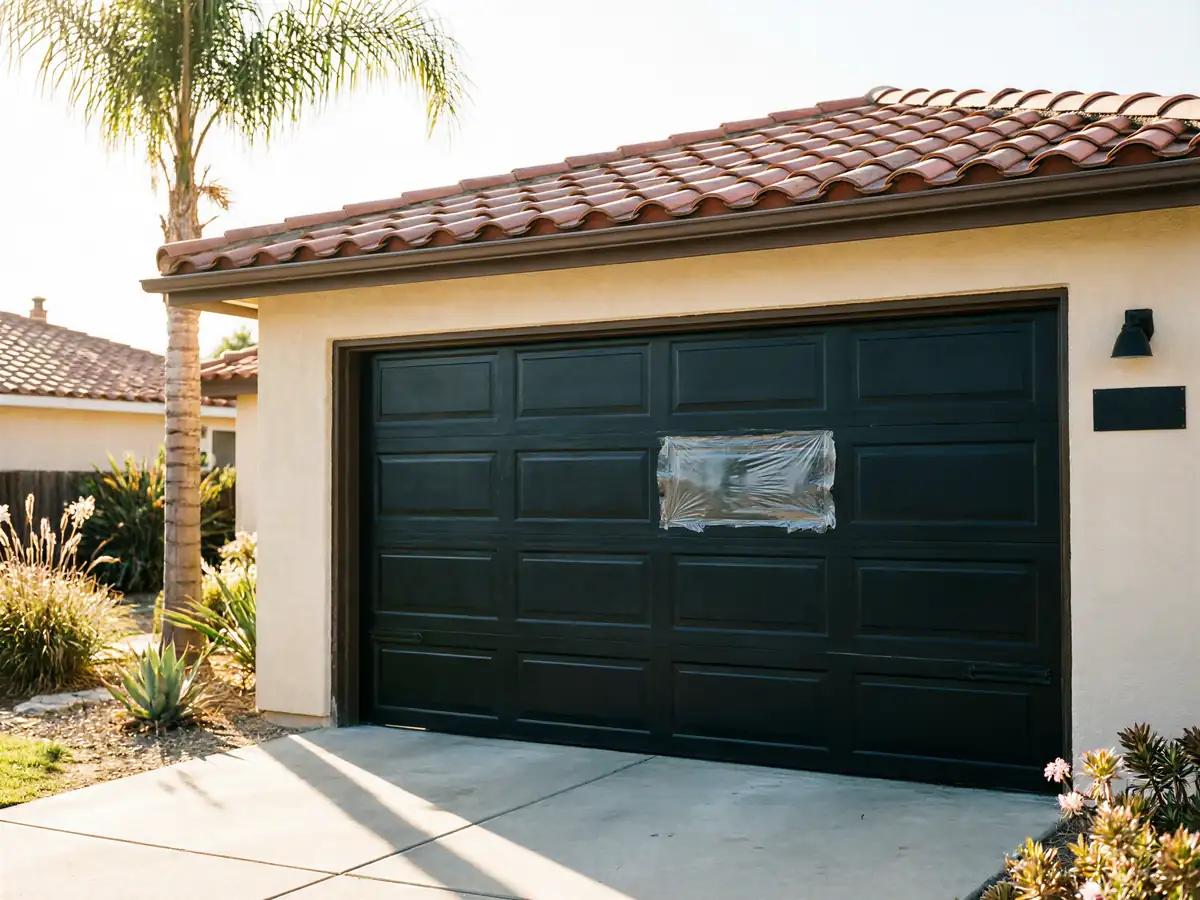
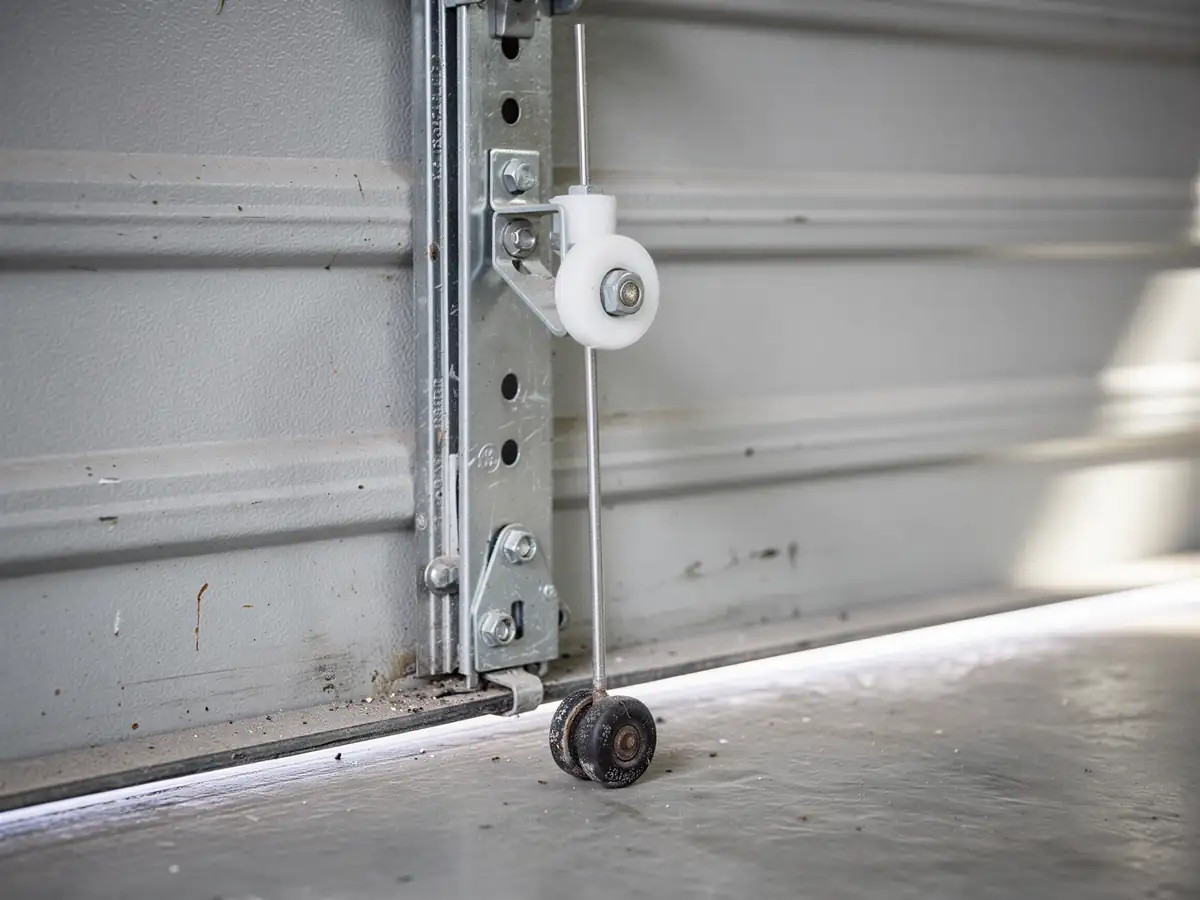
What we find when a door jumps track in a neighborhood like this is usually one of two things: a roller that was never heavy-duty to begin with, now worn enough to walk out of the track under an uneven pull, or a bracket that was set correctly in 2003 but has shifted a hair as the framing settled. Neither looks dramatic from the driveway. You just notice the door binding, or one corner riding higher than the other, or a gap between the roller and the track rail you can see daylight through. None of it is an emergency yet. It is, though, the kind of thing that gets worse every time the opener forces the door through a cycle it's no longer tracking straight on.
Doing It Yourself
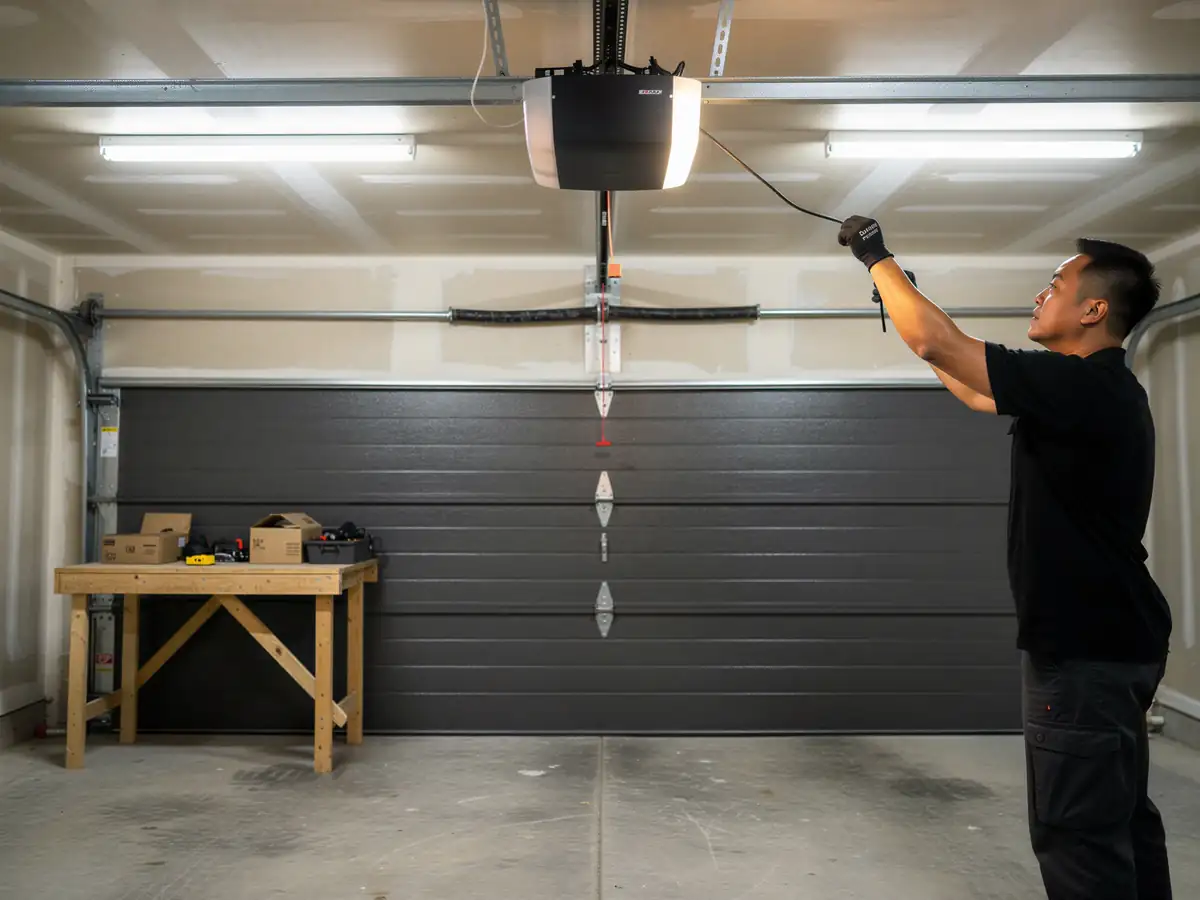
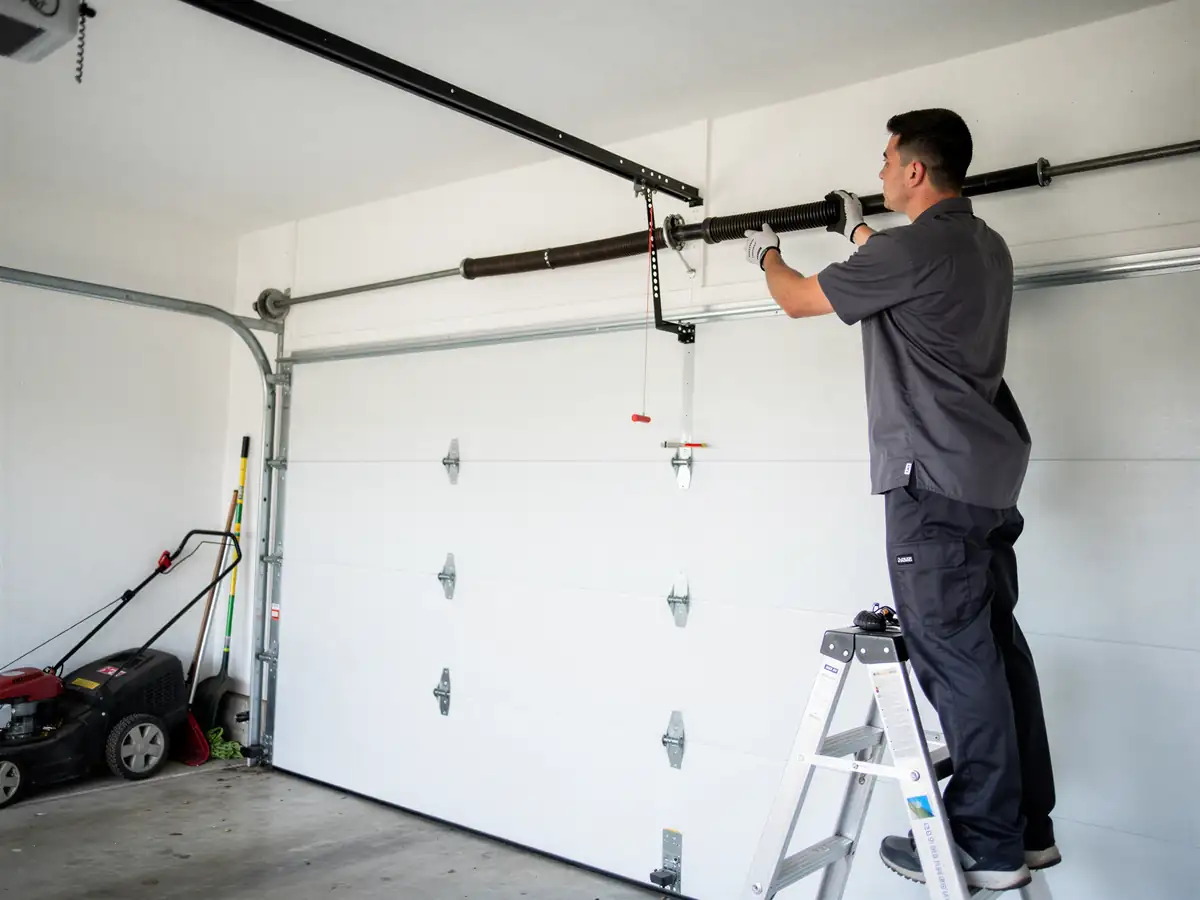
A door that's partway off track is not a DIY repair, and we'll say that plainly. The cable and spring are under load even when the door looks like it's just sitting crooked, and trying to force a panel back onto the rail yourself is one of the more common ways people get hurt on this job. What you can safely do is kill power to the opener so it can't try another cycle, and take a look at the rollers you can reach without climbing - if one is visibly cracked, chipped, or sitting outside the track rather than in it, that's useful to tell us before we come out.
You can also check whether the issue is new. If the door has been running fine for years and suddenly binds, that points to a bracket or roller failure. If it's been getting slightly worse over months, that's wear catching up - more likely across the original hardware that came with the house. Either way, don't keep running the opener through it. A door forced off-track repeatedly can bend the track itself, which turns a roller-and-bracket job into a track replacement.
The Complications
The service area sits in a severe-heat climate band
And that cuts both ways for newer stock like Plumas Lake's. On one hand, 2000s-era doors were built after some of the worst heat-cycling failures in older nylon rollers were already well understood, so the hardware tends to hold up longer than it did in houses from the 1960s and 70s that make up much of the rest of the area. On the other hand, twenty summers of expansion and contraction is still twenty summers - long enough for the same nylon rollers to go brittle at the edges, even on a door that otherwise looks untouched since it was installed.
The other complication is subtler
Because these houses are younger, a lot of owners assume original equipment means current equipment. It doesn't. A bracket that was adequate when the house was framed can still be the weak point fifteen years later, especially if the opener has been cycling a slightly misaligned door for a while without anyone noticing. By the time it's visibly off track, the roller, the bracket, and sometimes the track section all need a look, not just the one part that finally let go.
What You Pay
We don't have a set price to quote here, and we're not going to make one up. What drives the cost on an off-track call is how much hardware is actually damaged - a single bent bracket and a roller swap is a different job than a section of track that's been bowed out from repeated forcing. We size that up on-site before any work starts, and you'll know the number before we touch the door.
What we can tell you is what tends to keep the job on the smaller end: catching it early, which is easier in a newer-build area like this because the original hardware is usually still intact enough to repair rather than replace outright. Houses built around 2007 generally haven't needed a full spring or track overhaul yet, so an off-track call here is more often a parts-and-labor fix than a full-system replacement.
Parts We Carry
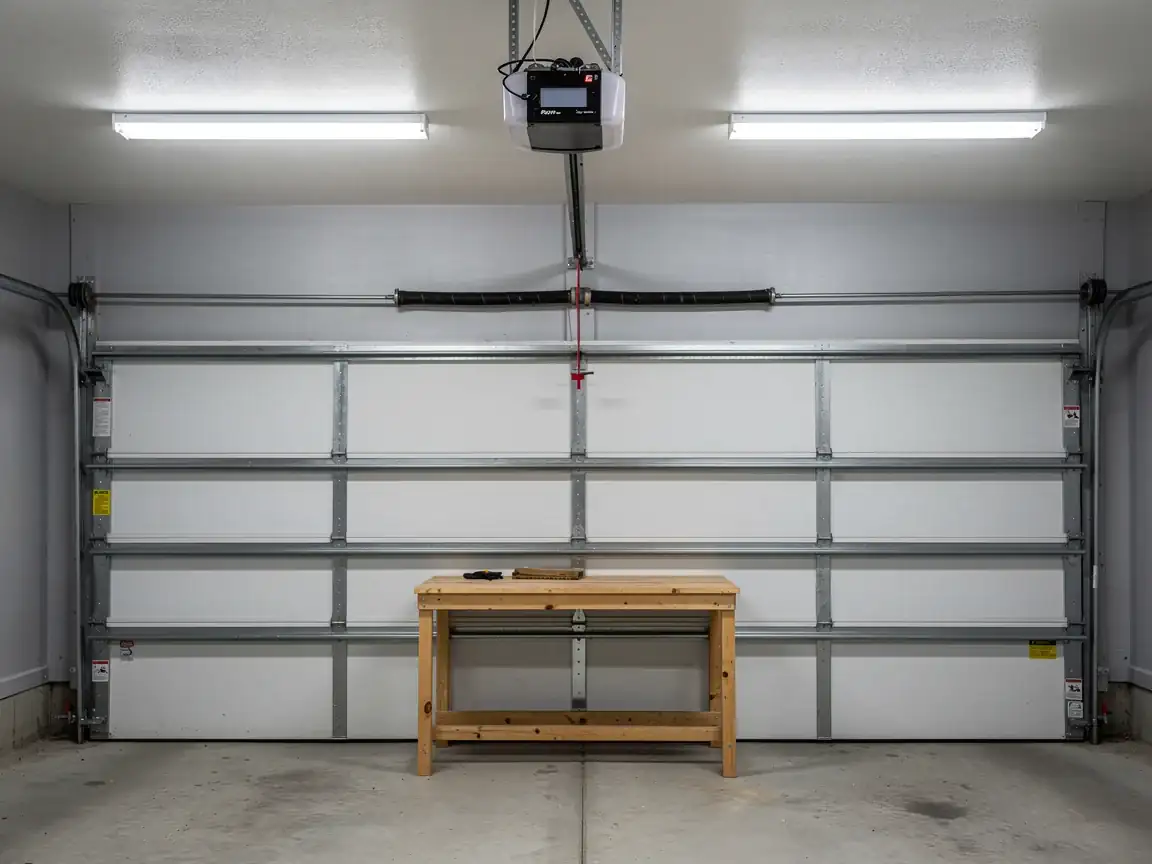
For a door of this era, the common swaps are nylon rollers, roller brackets, and short sections of track - the parts that fail first when a door's been riding slightly out of alignment. We carry standard roller and bracket sizes on the truck, which covers most of what we run into on homes built in the late 1990s through the mid-2000s.
What we don't stock for every visit is a replacement track section custom-cut to an unusual door width, or hardware for a specialty or oversized door - those sometimes mean a short order delay if the damage goes beyond rollers and brackets. We'll tell you up front if that's the case rather than have you wait on-site for a part that isn't in the truck.
Time on the Job
We run out of Yuba City, about 11 miles from Plumas Lake
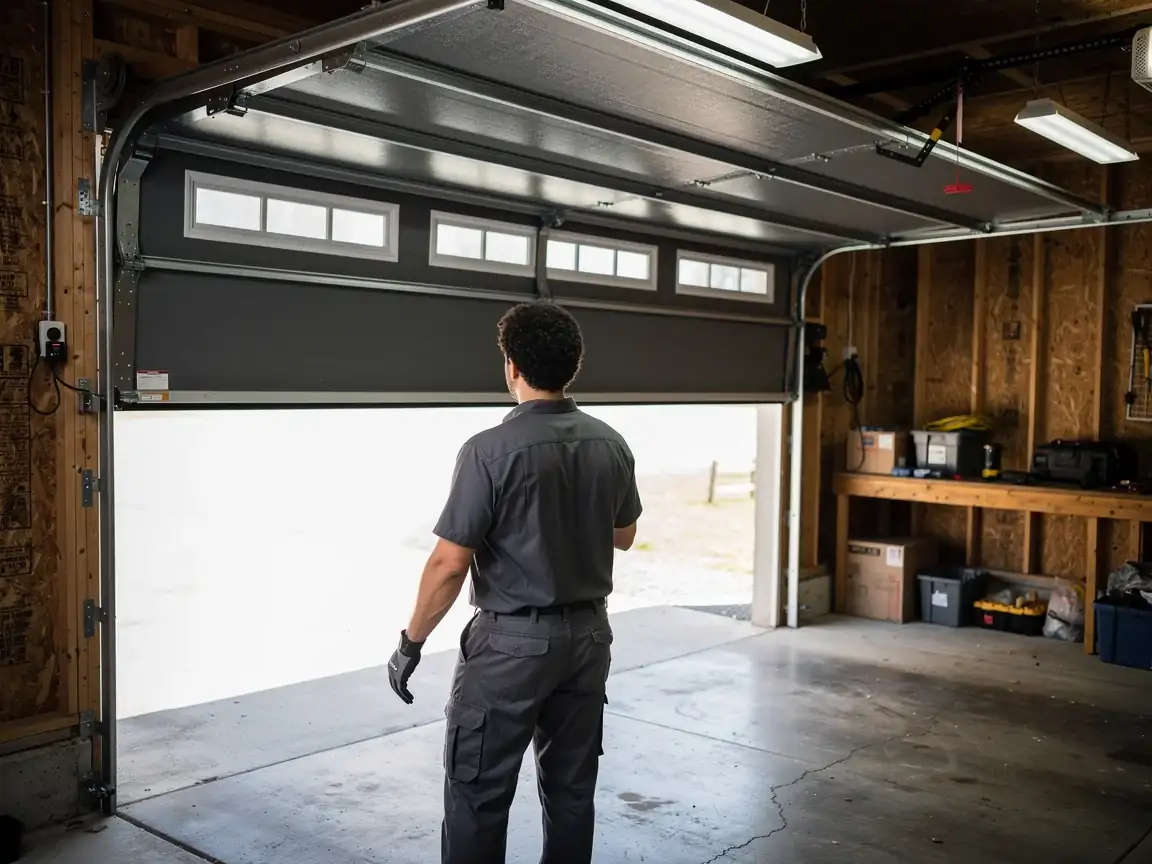
So the drive is factored into the visit rather than into how long the repair itself takes once we're there. A straightforward roller-and-bracket fix on a door that's only partially off track is usually the shorter end of the jobs we do. If the track itself is bent or a second roller has already failed from the door riding crooked, it takes longer because we're squaring up the whole rail, not just swapping a part.
- 11 miles
We'd rather take the extra time to get the track true than rush it back together and have the same door jump again in six months
A door that's off track once, from worn original hardware, is a normal repair. A door that keeps coming off track after a rushed fix is a sign the alignment was never actually corrected.