What You Are Seeing
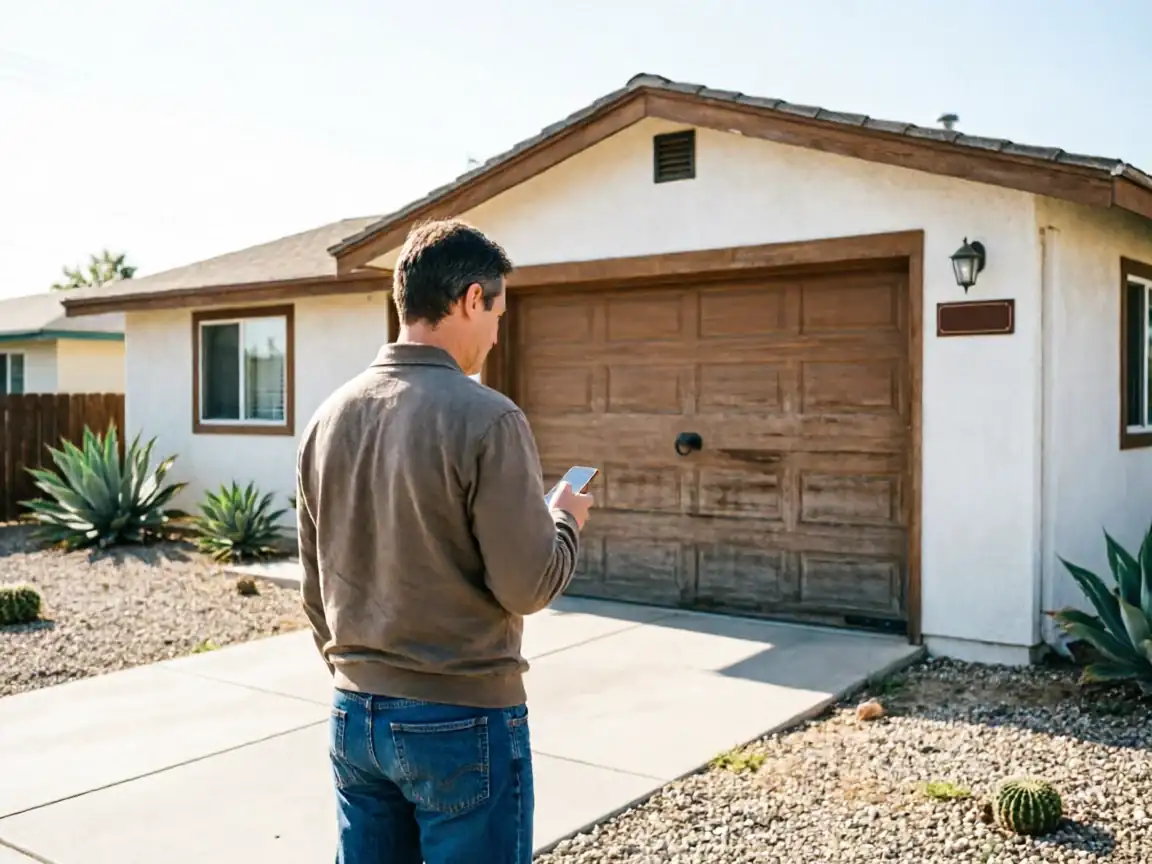
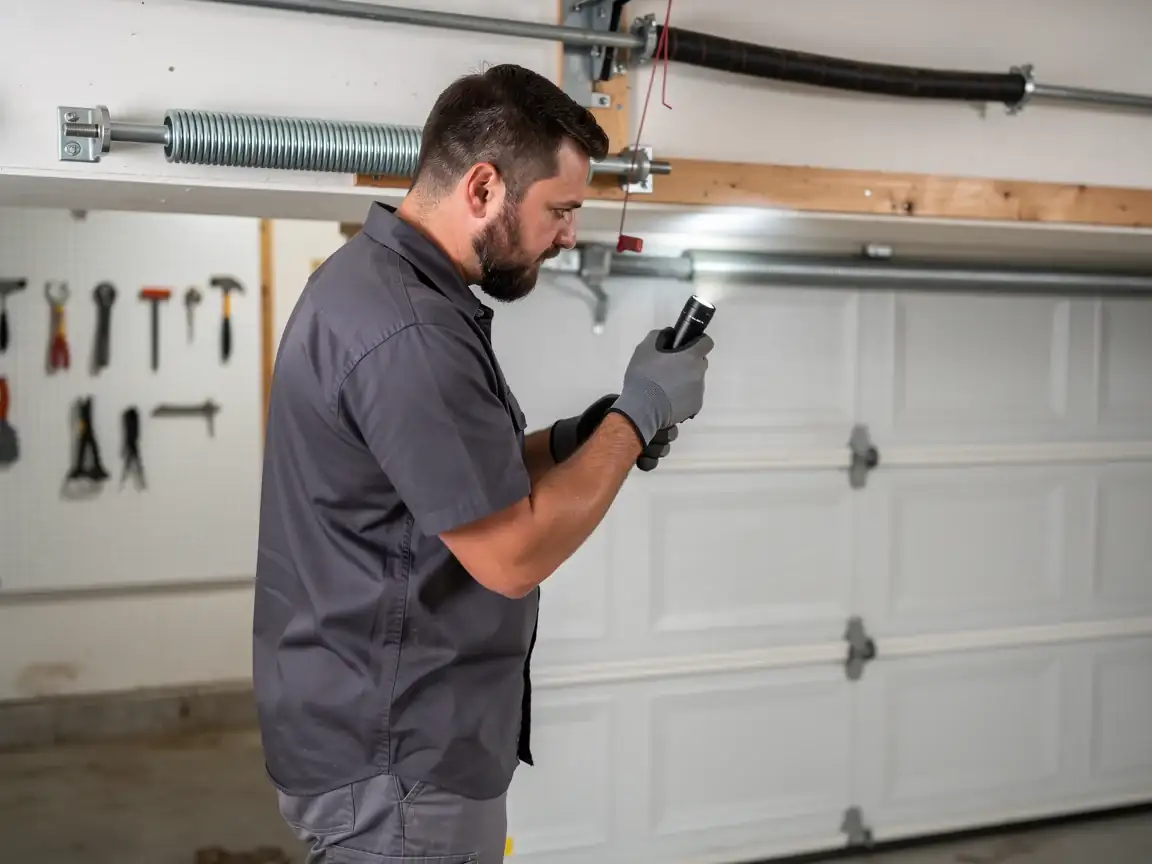
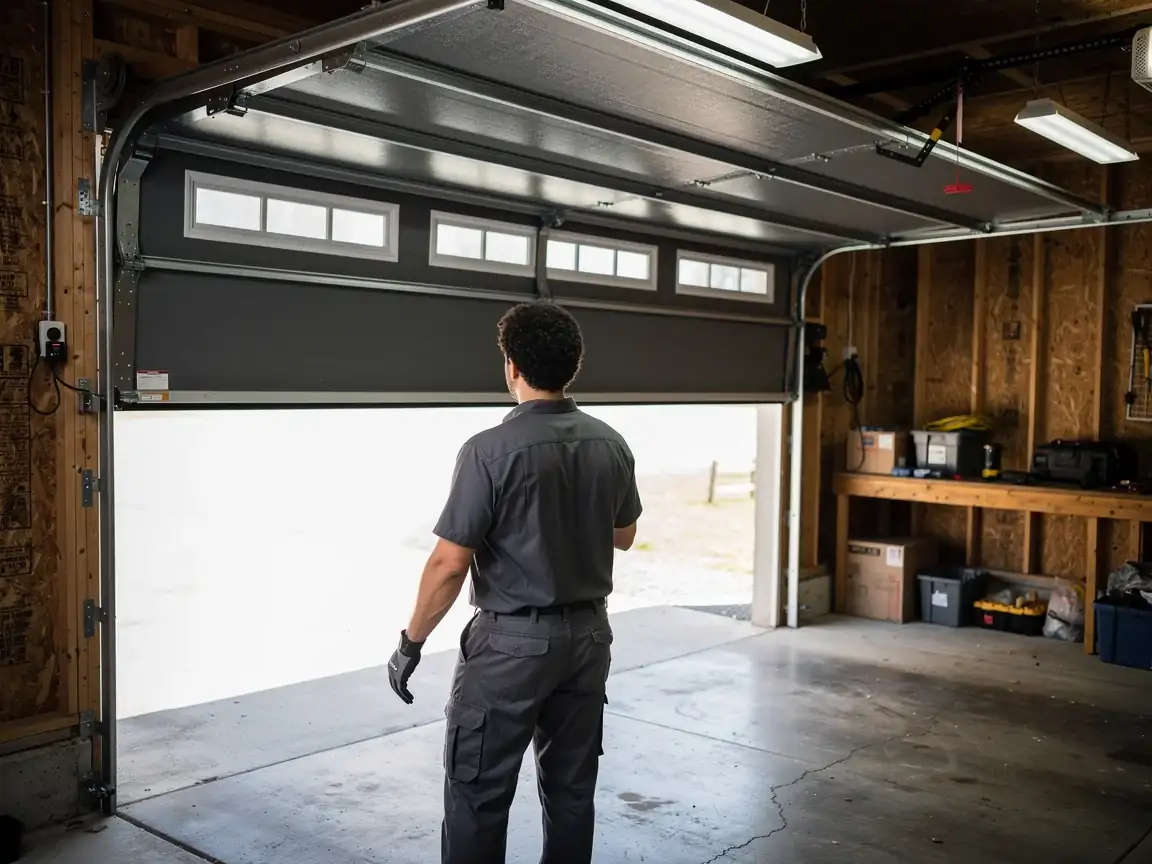
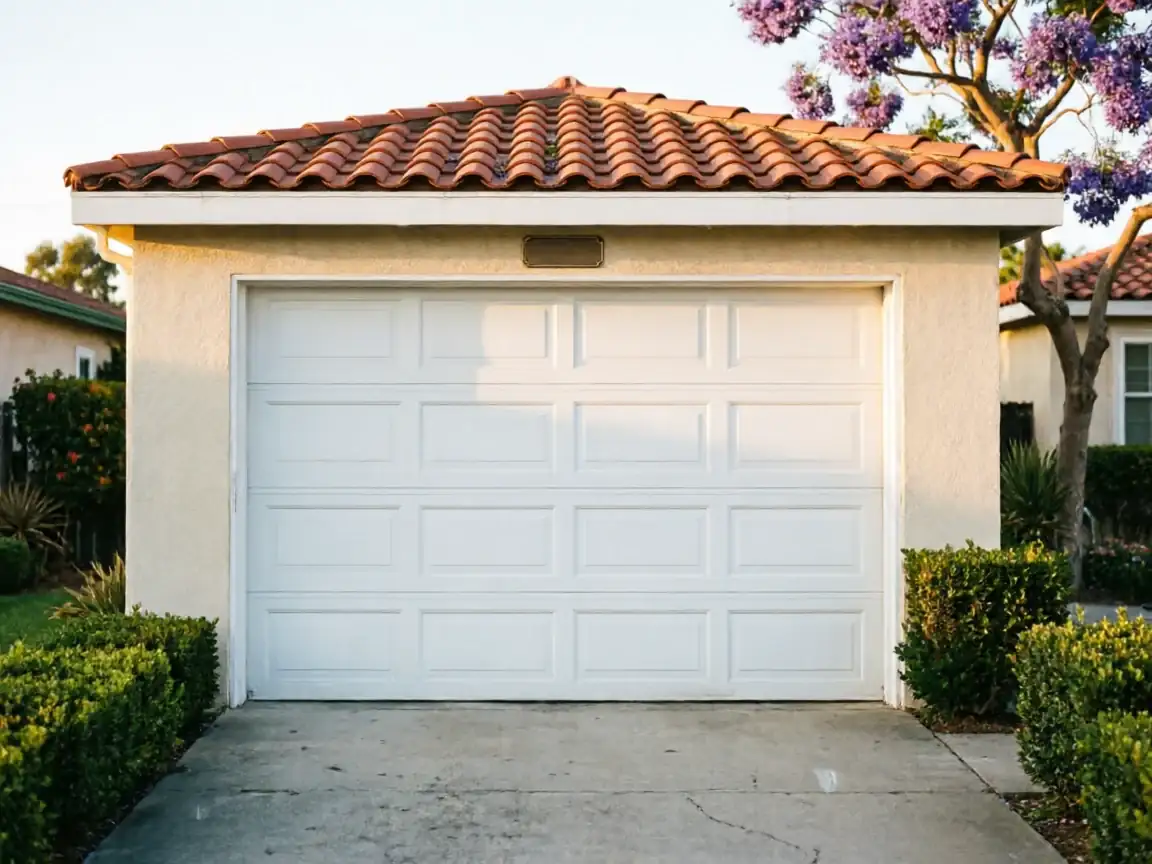
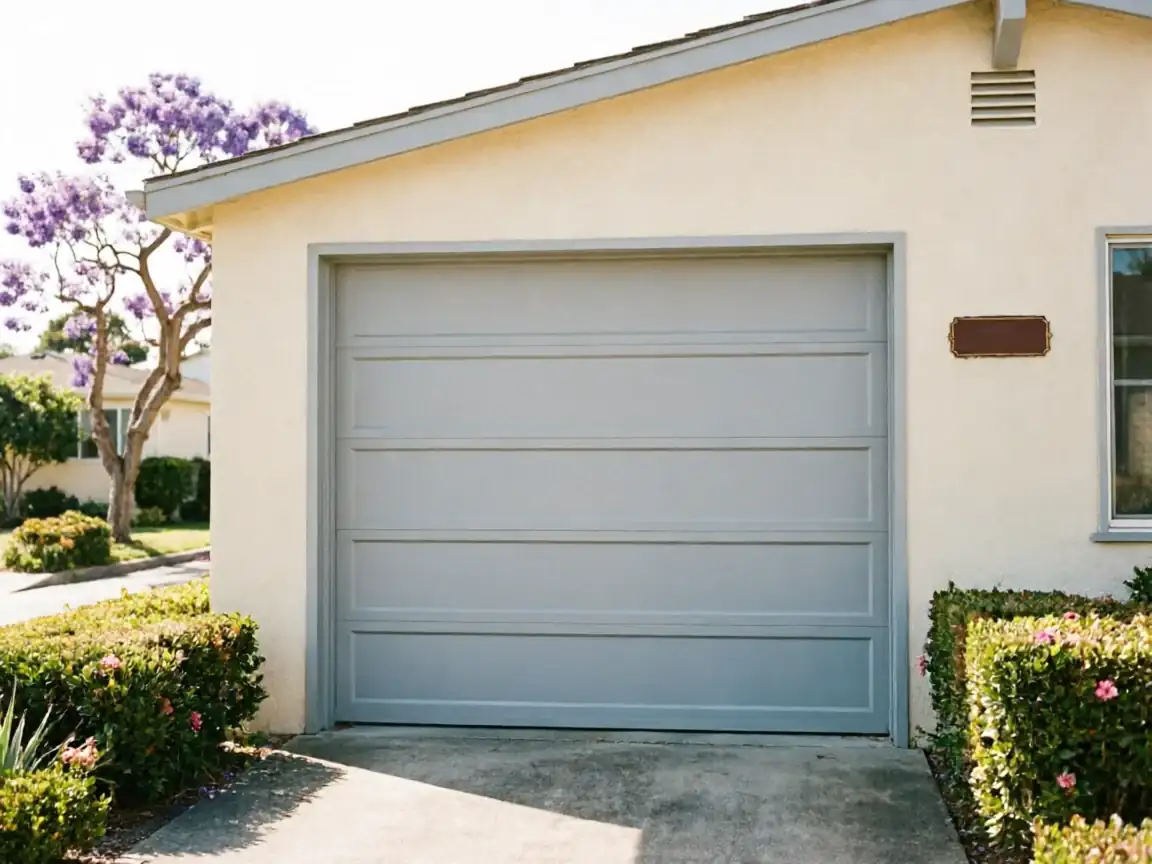
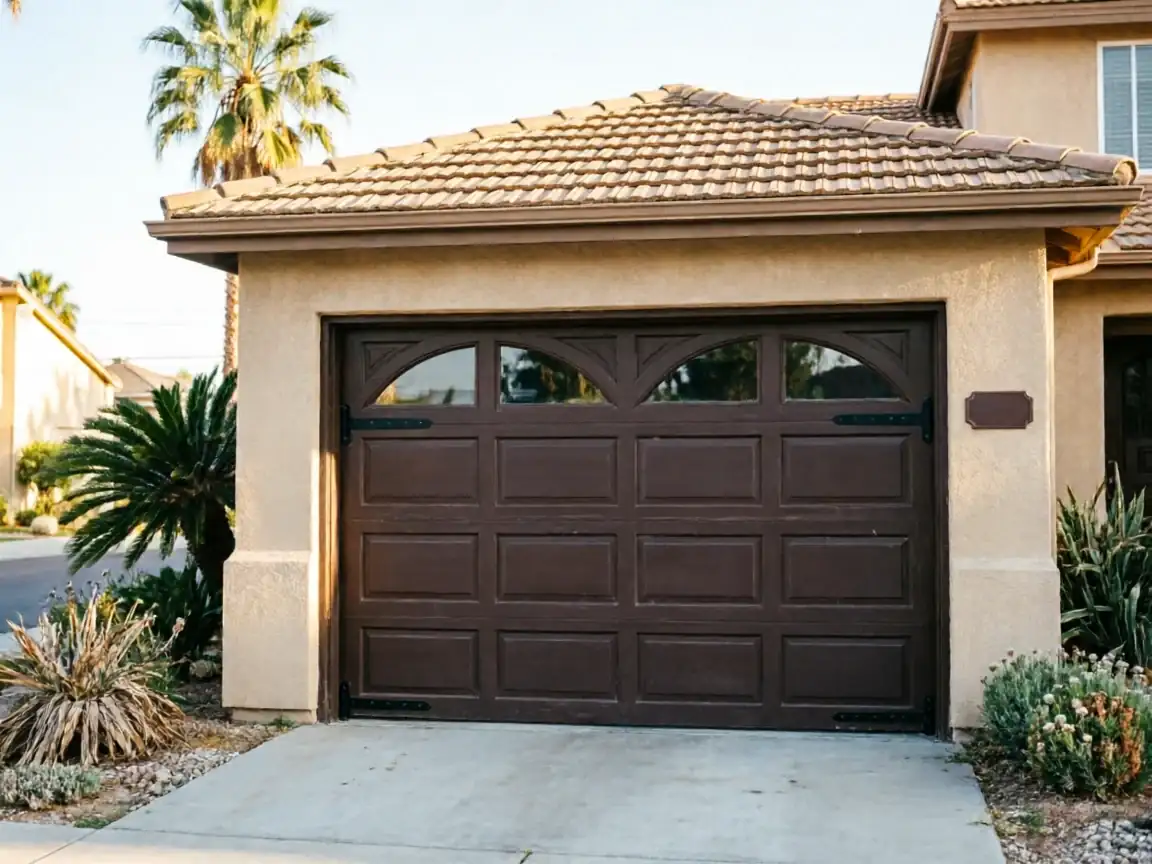
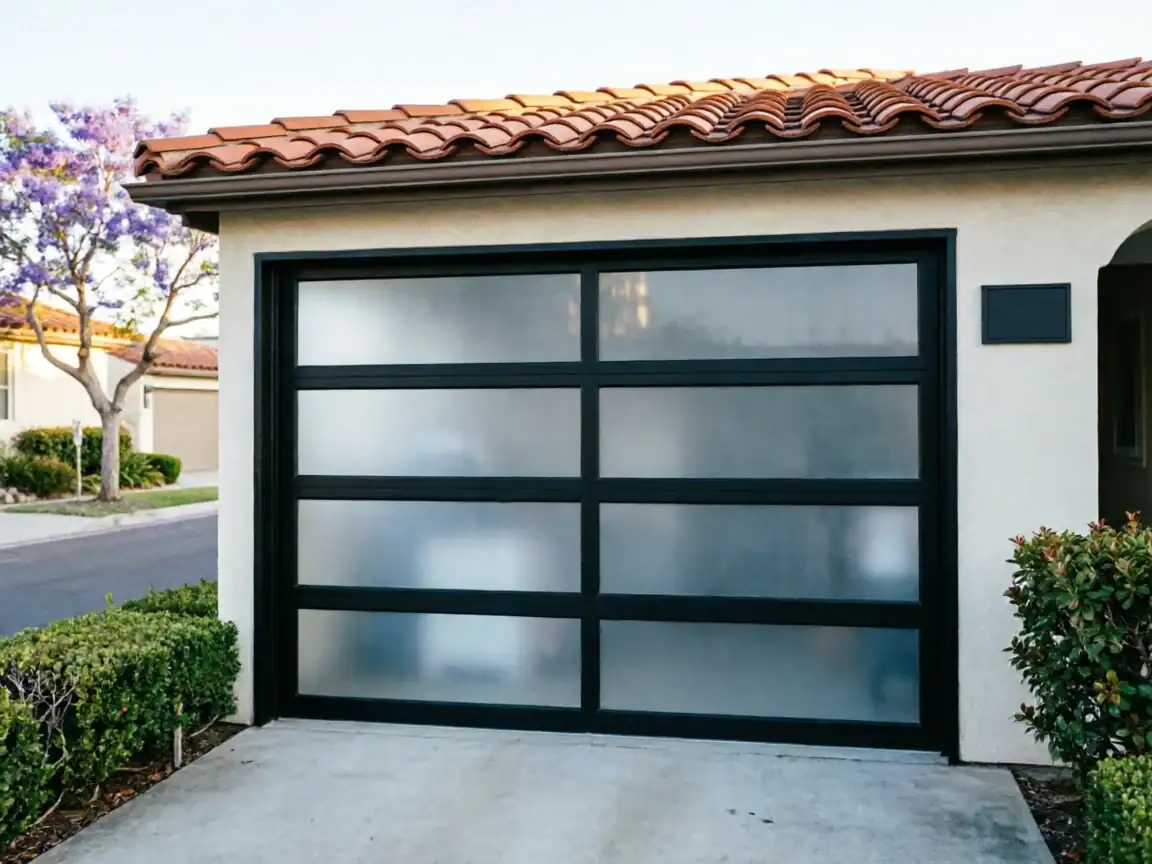
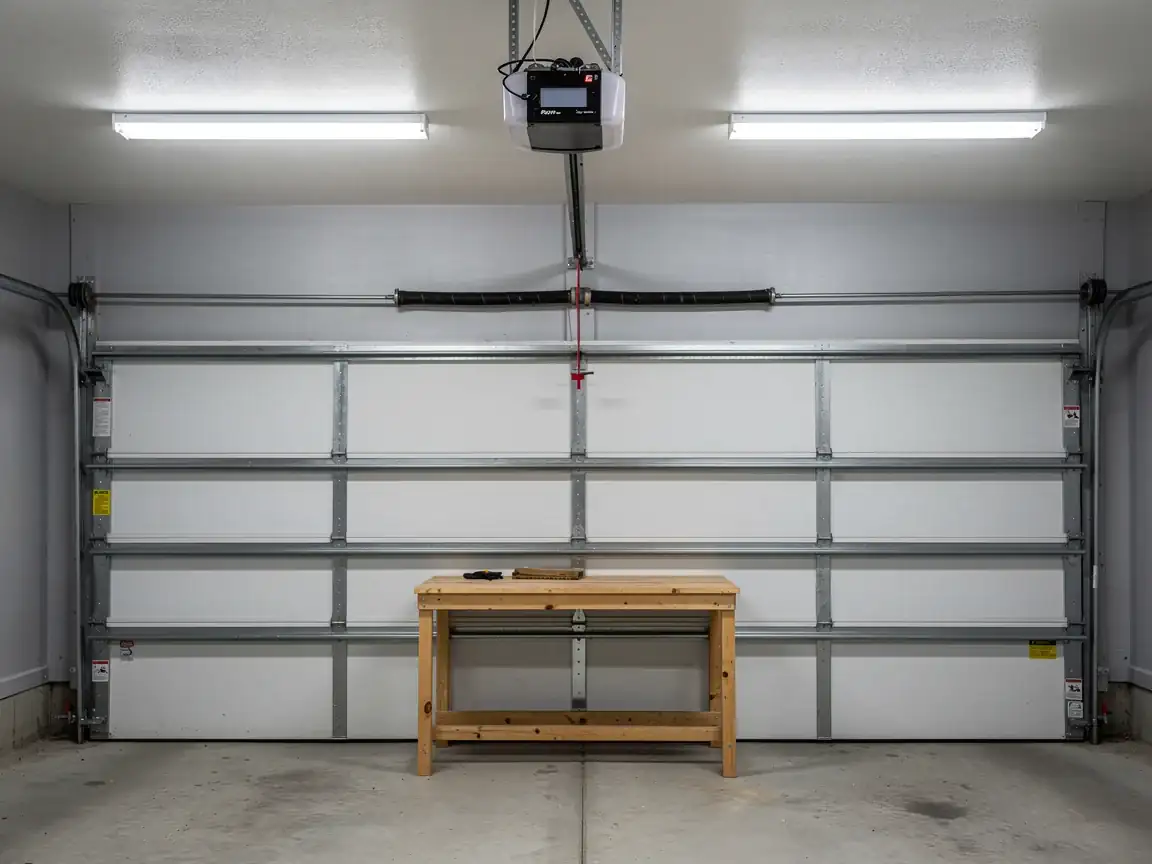
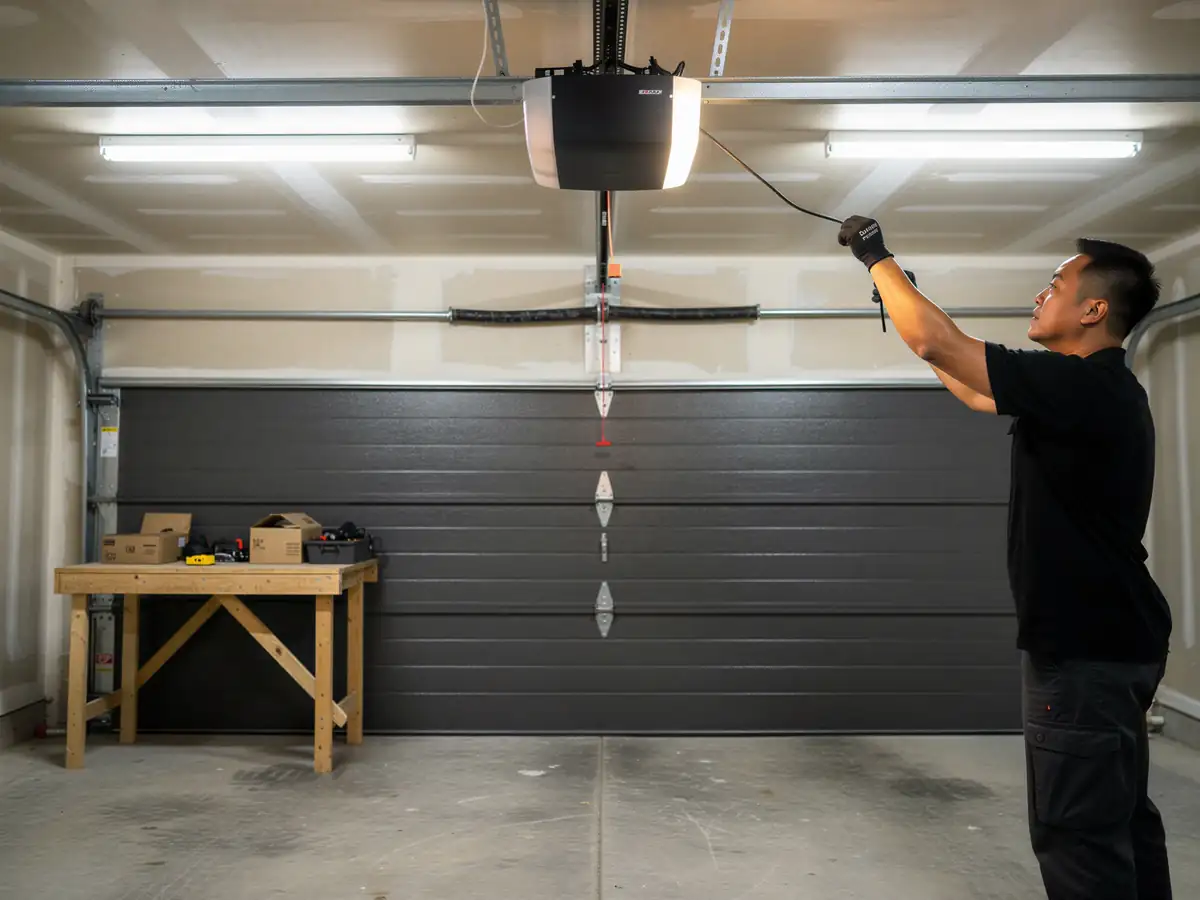
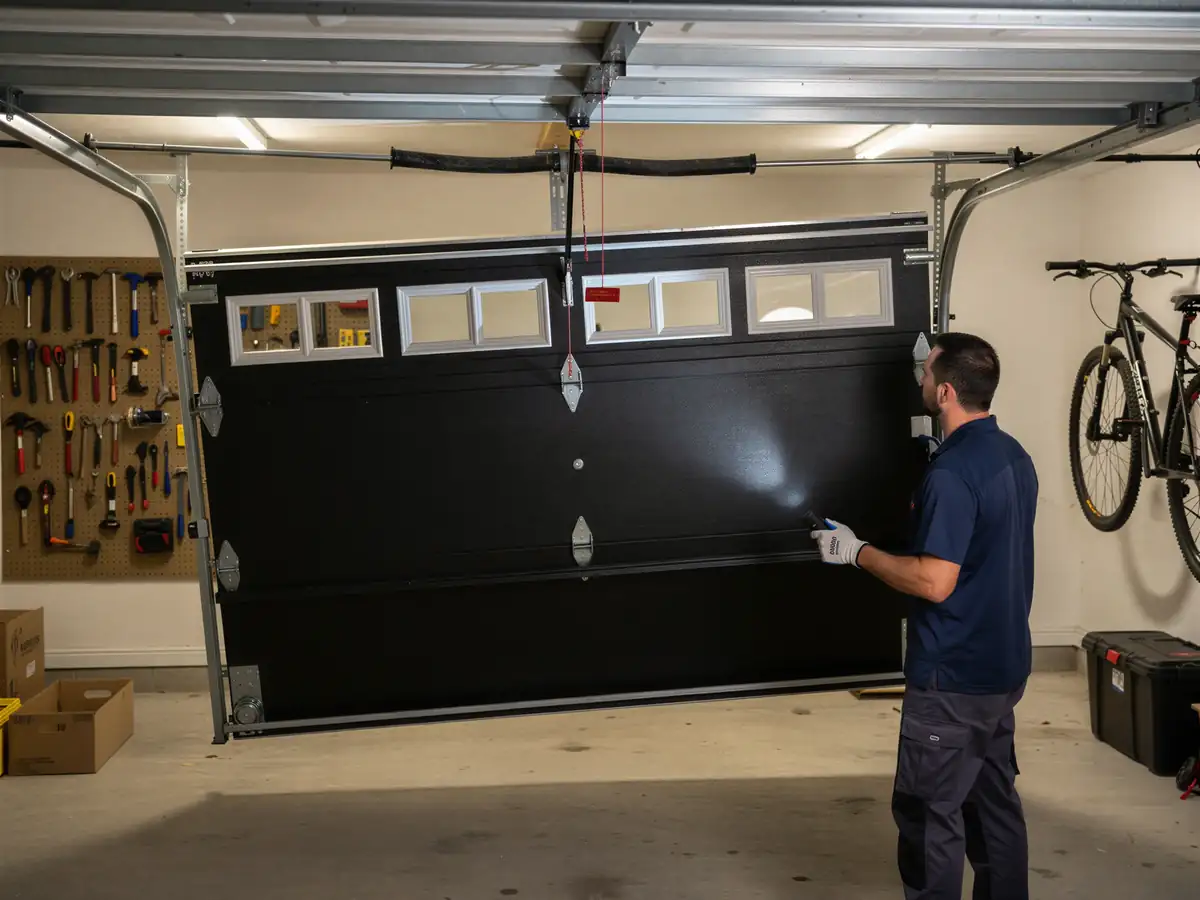
Sutter's housing stock sits a notch older than the rest of the area we cover. Across the wider service territory the median home dates to 1979, but Sutter itself centers closer to 1973 - six years earlier. That gap matters on a garage door call. A door and opener installed in the early-to-mid 1970s is more likely to still be running first-generation hardware: chain-drive openers without modern safety sensors, extension springs instead of torsion, and steel sections that have gone through forty-plus summers of expansion and contraction. We're not guessing at this from a truck in Yuba City - the age difference shows up the moment we lift the door and look at the track mounts. With only 1,005 households in Sutter, this isn't a town with thousands of identical tract doors; it's a smaller cluster of older ones, and the fault we find tends to match the era, not a generic checklist. Expect worn rollers, pitted hinges, and openers that predate the auto-reverse sensors required on newer units. None of that is a defect of the town - it's just what a door built before 1979 looks like after decades in the Sacramento Valley heat.
Doing It Yourself
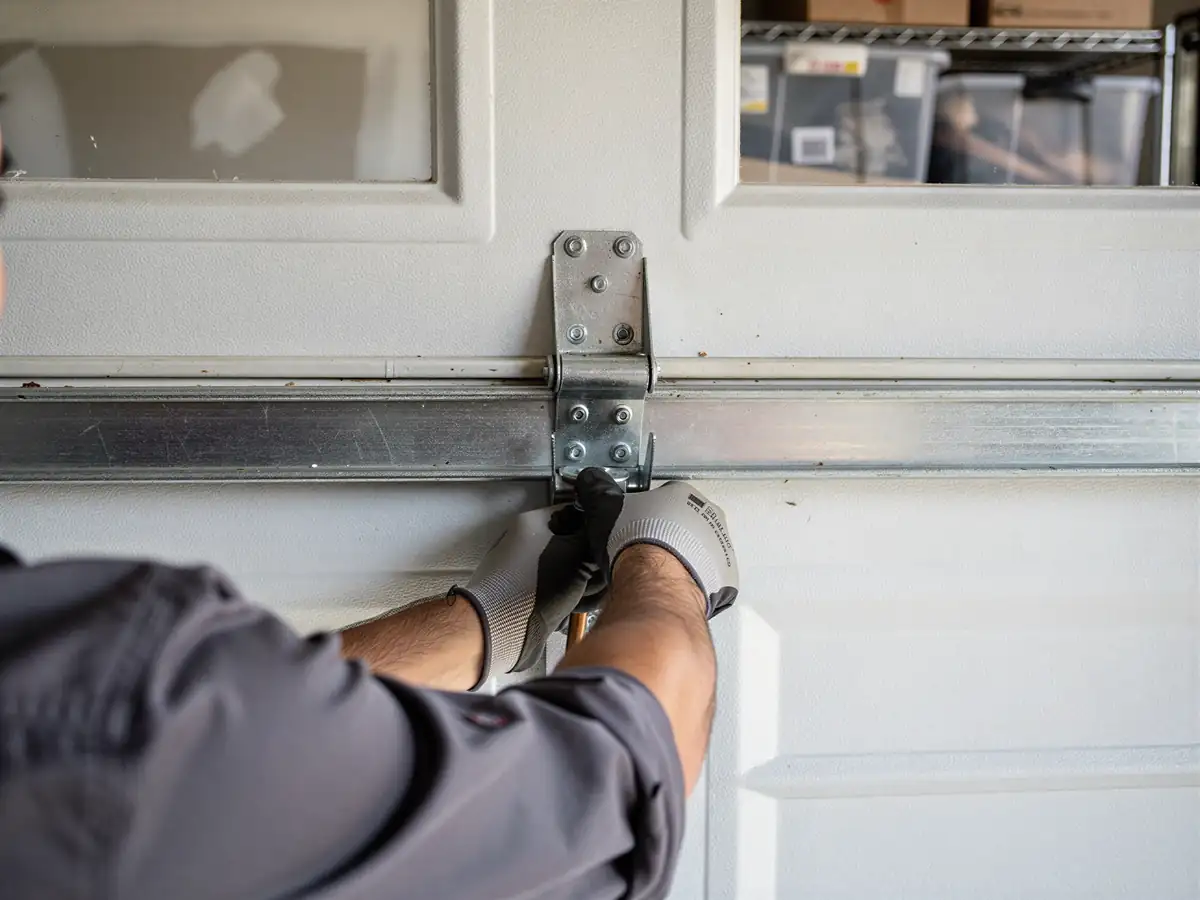
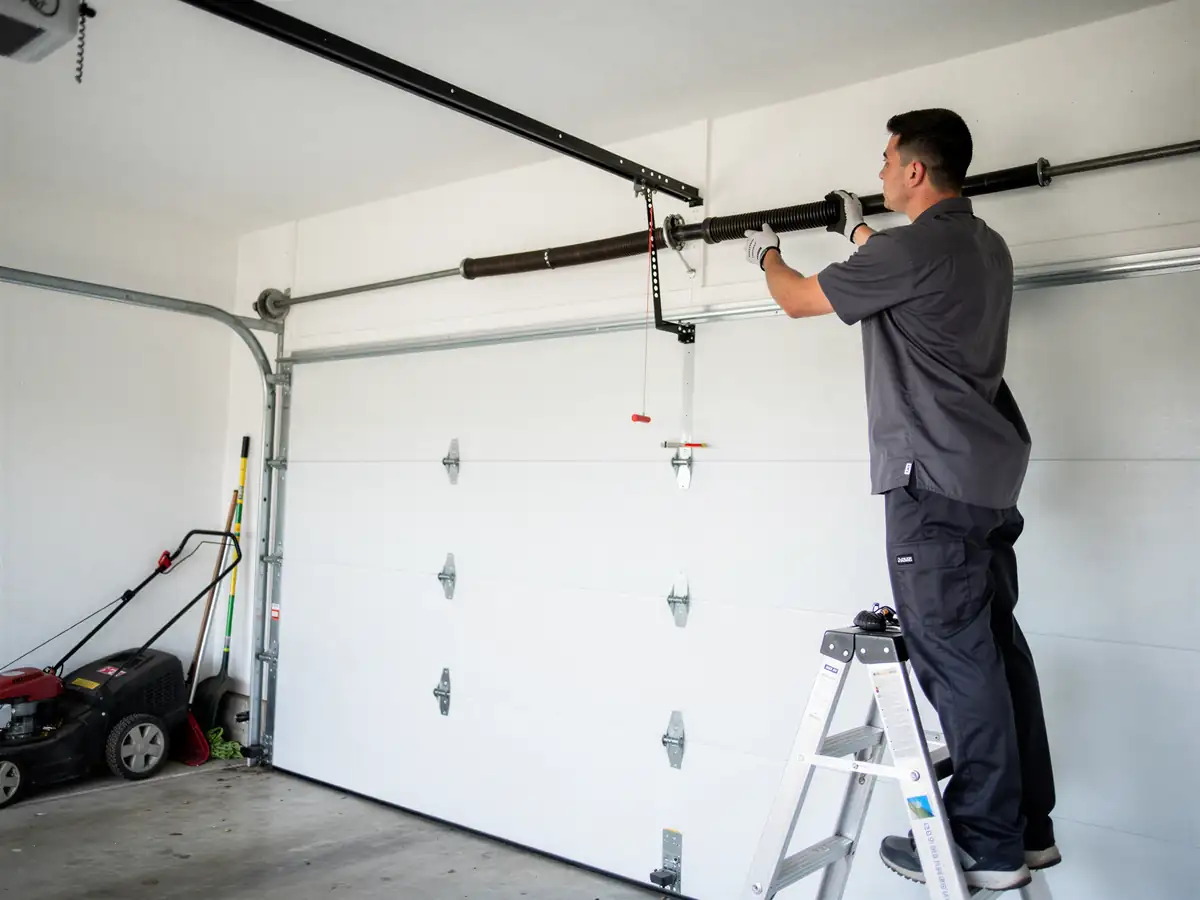
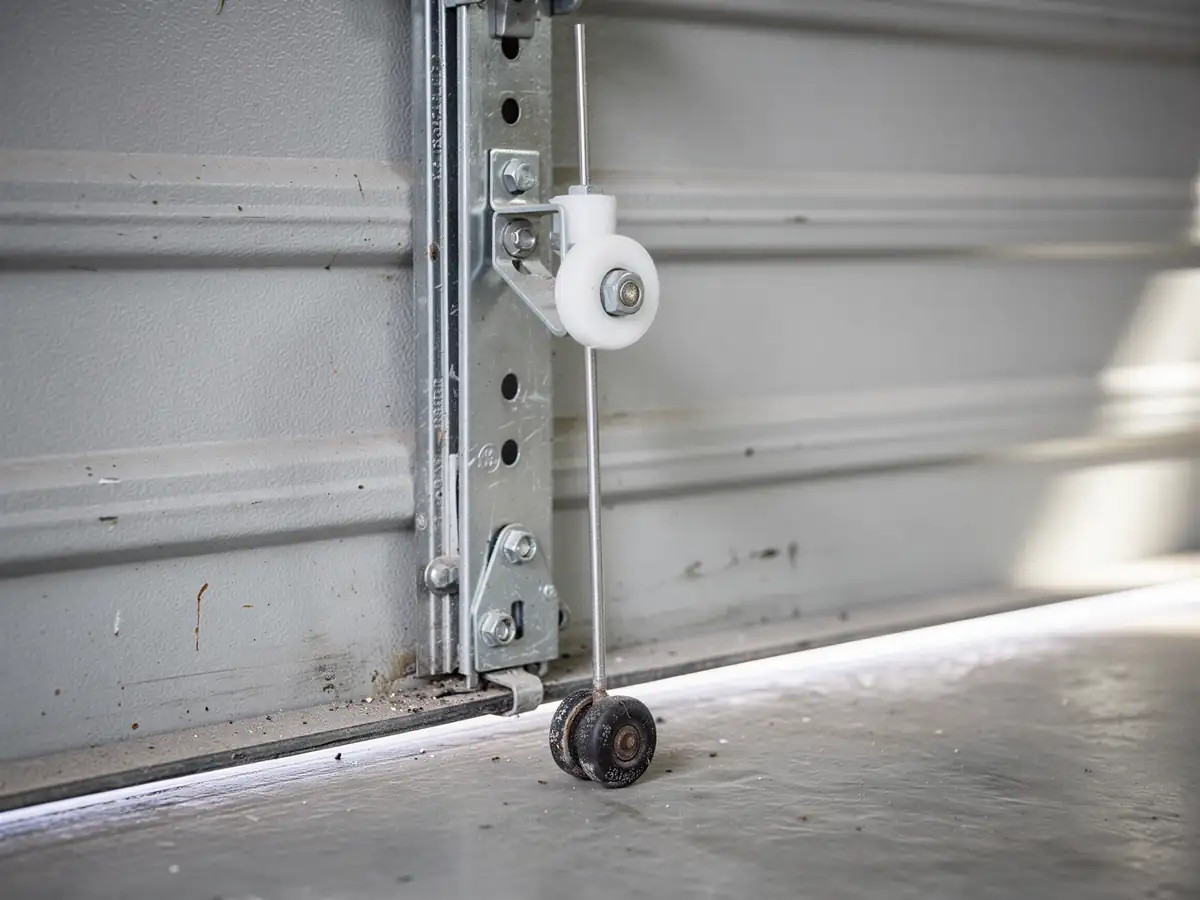
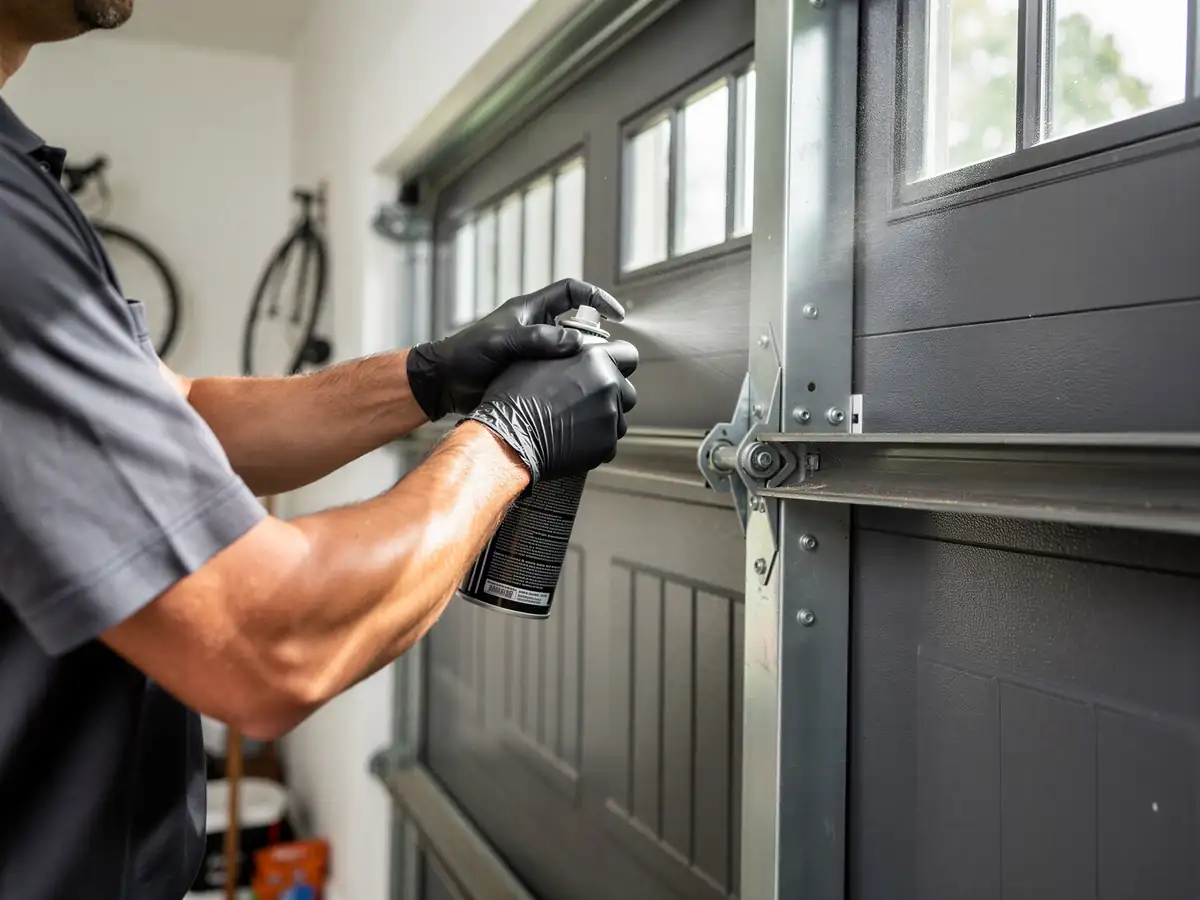
Some of what you'll find on an older Sutter door is safe to handle yourself: lubricating hinges and rollers, tightening loose bolts on the track, clearing debris from the bottom seal. What isn't safe is touching an extension spring under tension, especially on hardware this age - the galvanizing is usually gone and the coil can let go without warning. If your opener predates auto-reverse, don't try to retrofit a safety sensor kit yourself; that's a job where the wiring and the mounting bracket both need to match, and a mismatch defeats the safety feature entirely. Our honest limit here: if your door is original to a 1970s build and the opener housing is cracked or the logic board is dead, we're not going to spend an hour chasing a part that hasn't been manufactured in decades. At some point replacement is the cheaper and safer call, and we'll tell you that straight instead of billing for a repair that won't hold.
What You Pay
Sutter's median household income runs higher than the area average - $94,375 against the broader service area's $80,104 - but that's not what sets the price of a repair. Pricing depends on what's actually wrong and what parts the job needs, torsion spring versus extension, chain drive versus belt, one panel versus a full replacement. We don't have a flat rate to quote here, and we're not going to invent one just to fill this section. What we can tell you is that older hardware, the kind more common on Sutter's early-1970s stock, sometimes means sourcing a part that isn't sitting on every supplier's shelf, which can add a day to the timeline even when it doesn't add much to the bill.
How to Book
If your door is sticking, grinding, or the opener's lost its grip, call and describe what you're seeing and roughly how old the door is - that alone helps us bring the right spring size and the right opener parts on the first trip instead of a second one. We cover Sutter from Yuba City, about 6 miles out, along with the rest of the surrounding towns. For details on other service areas or the full range of work we do out of Yuba City, see the Yuba City garage door service page. For Sutter-specific repair details, see the Sutter garage door repair page.