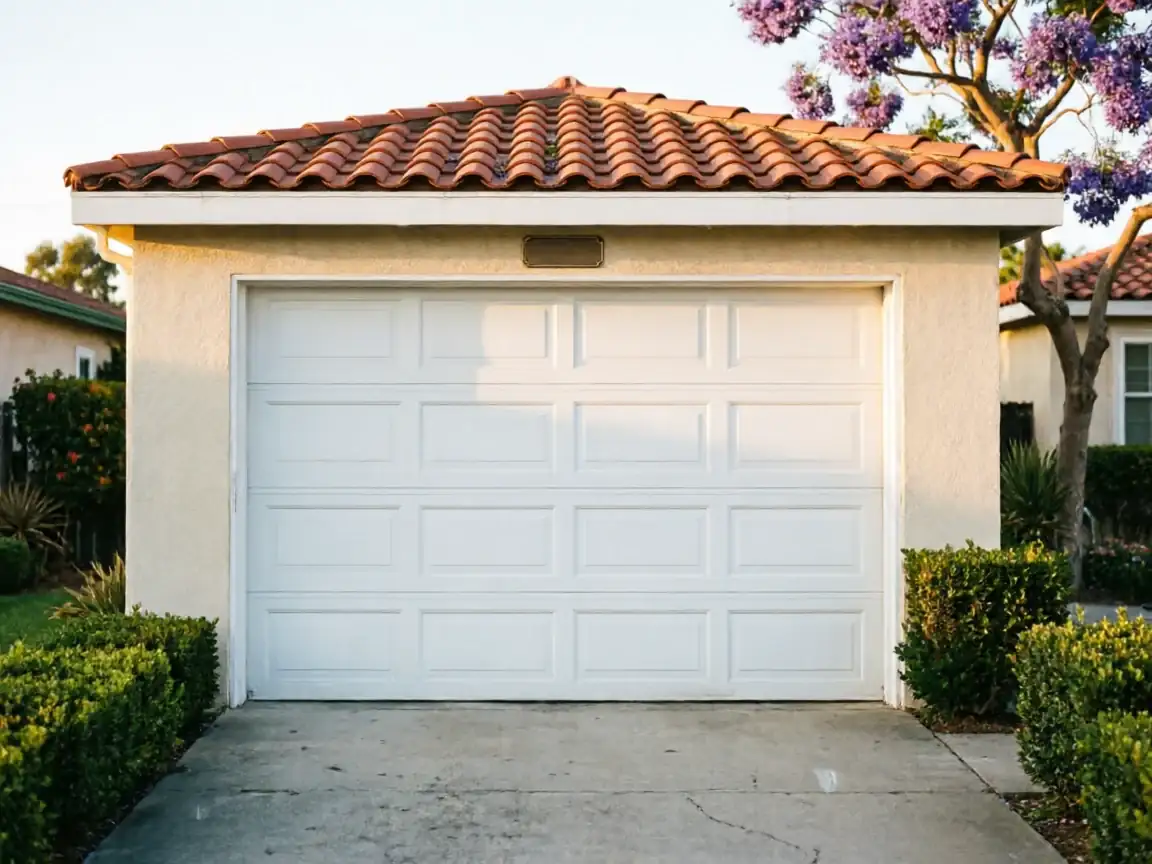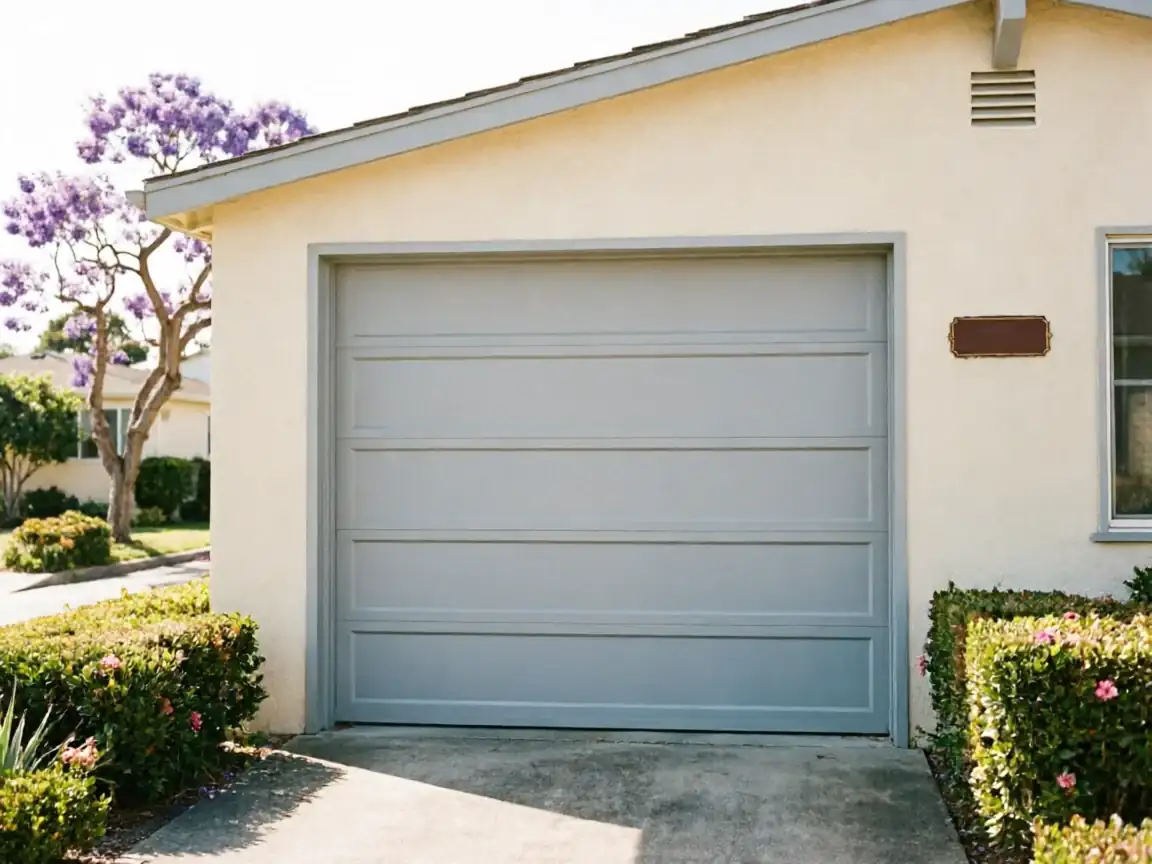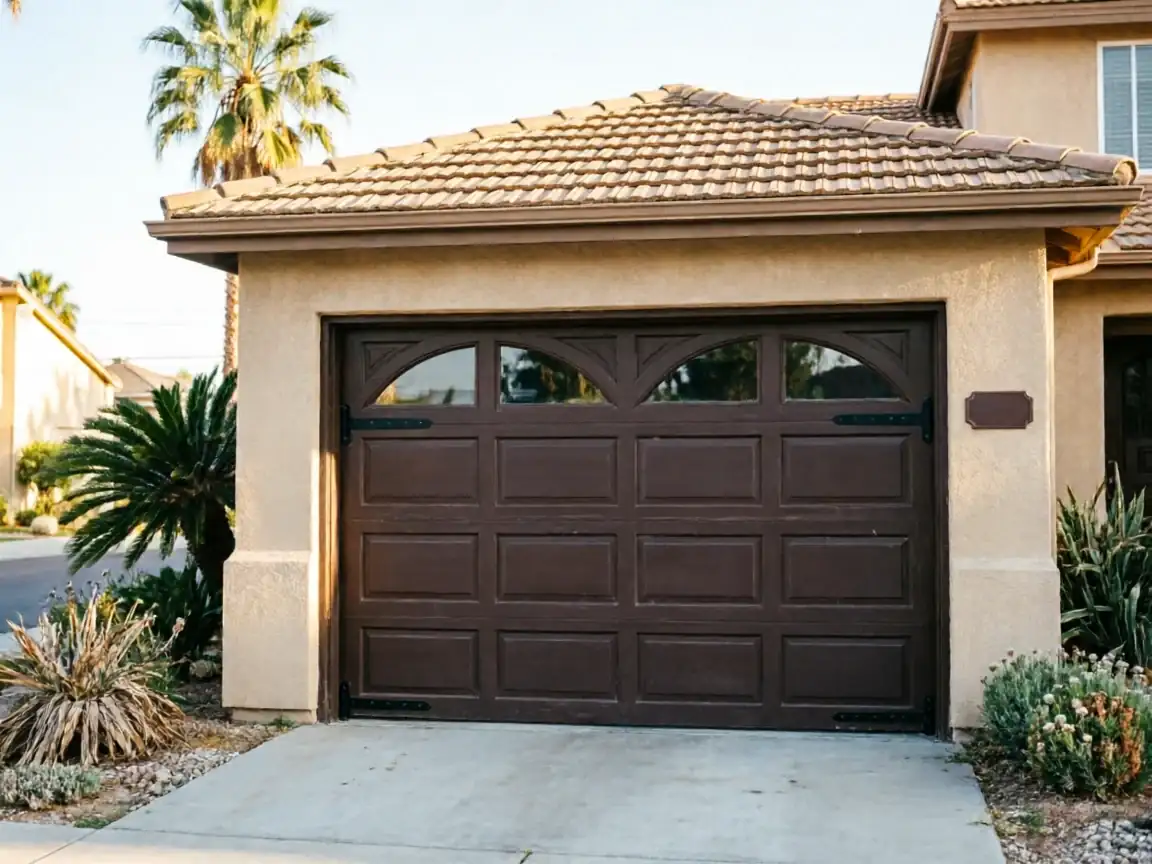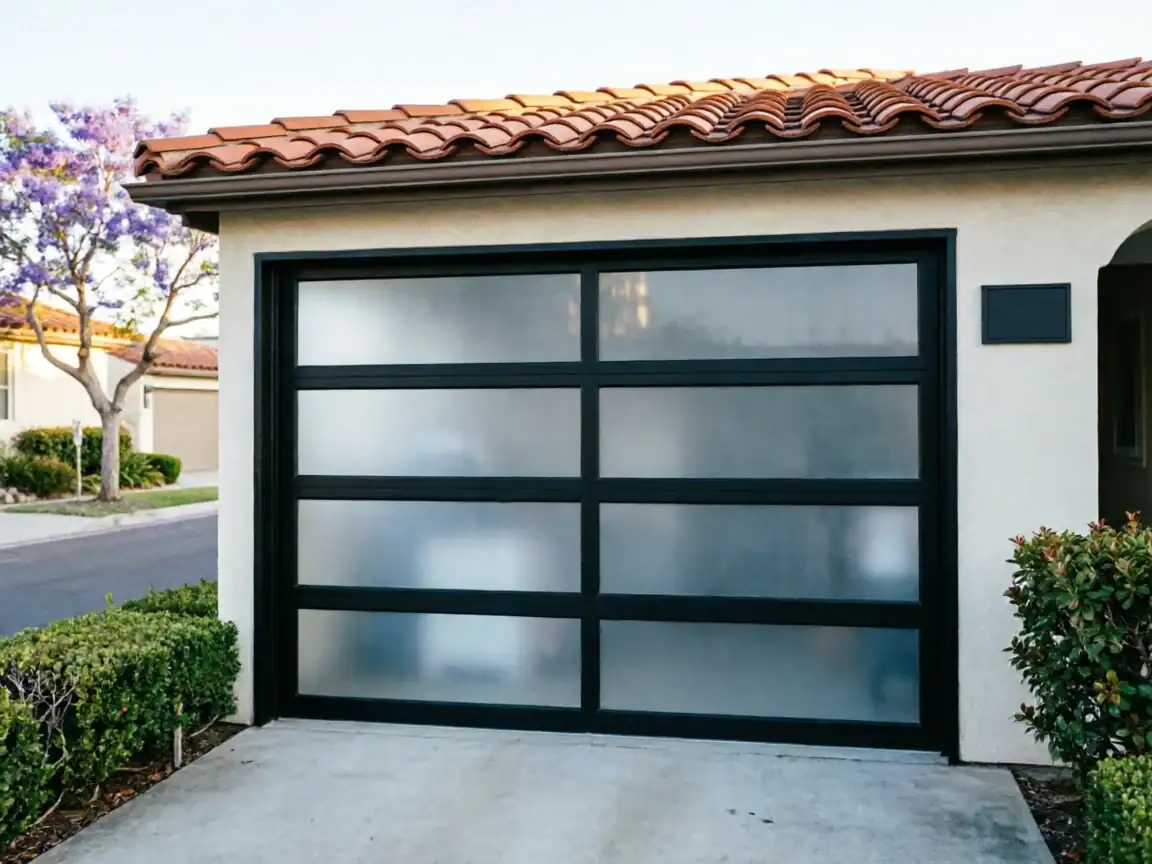
What You Are Seeing
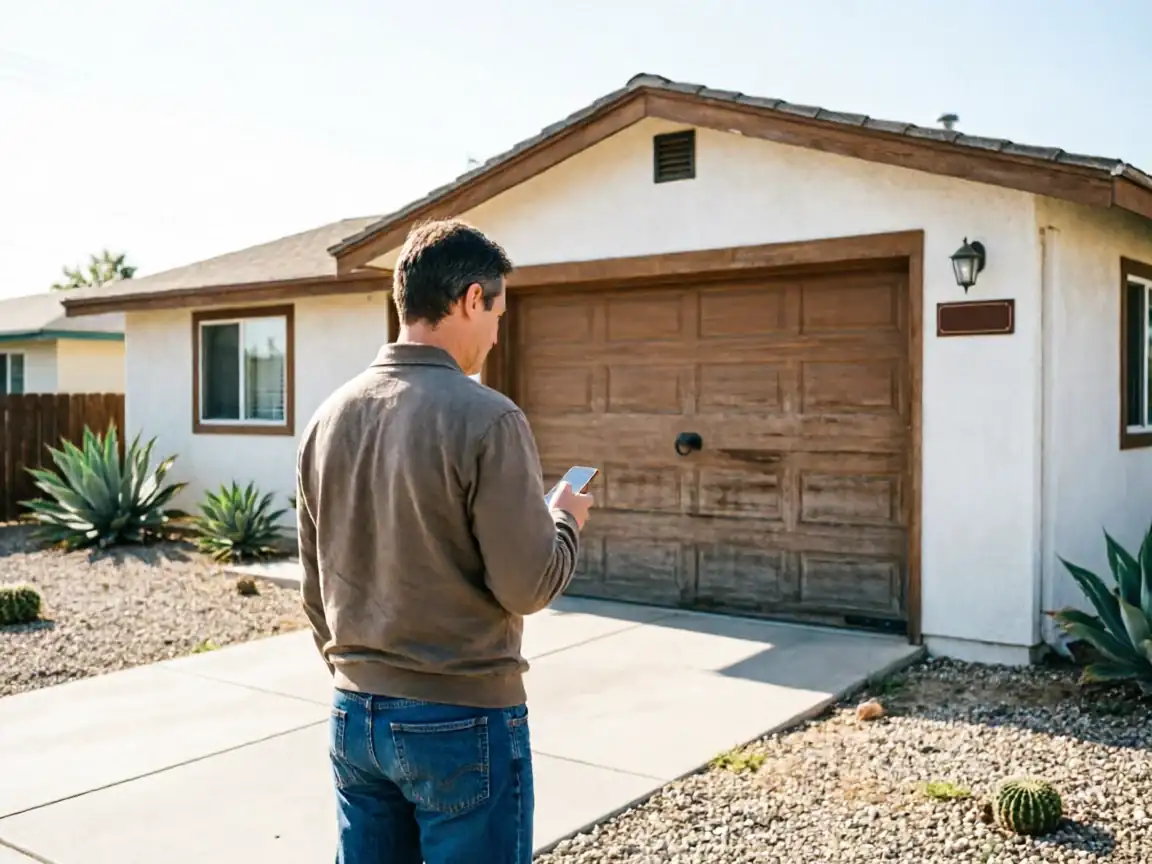
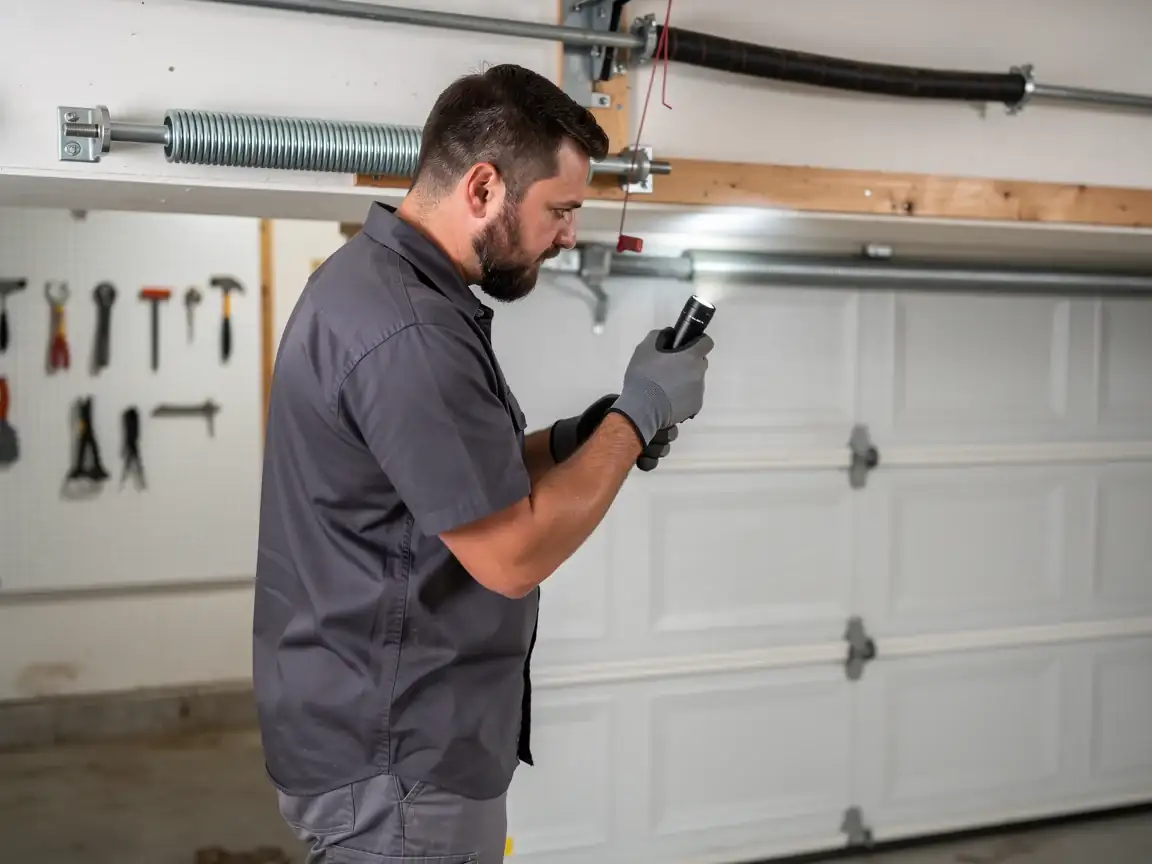
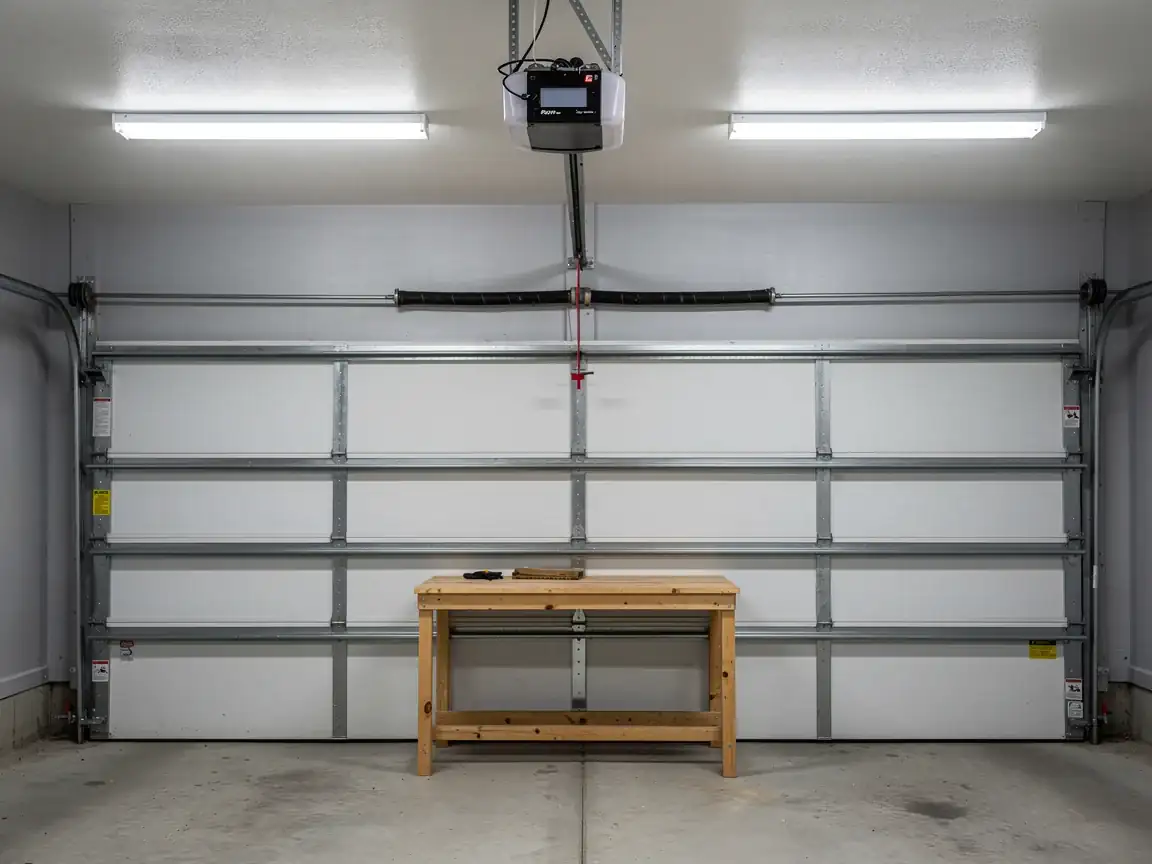
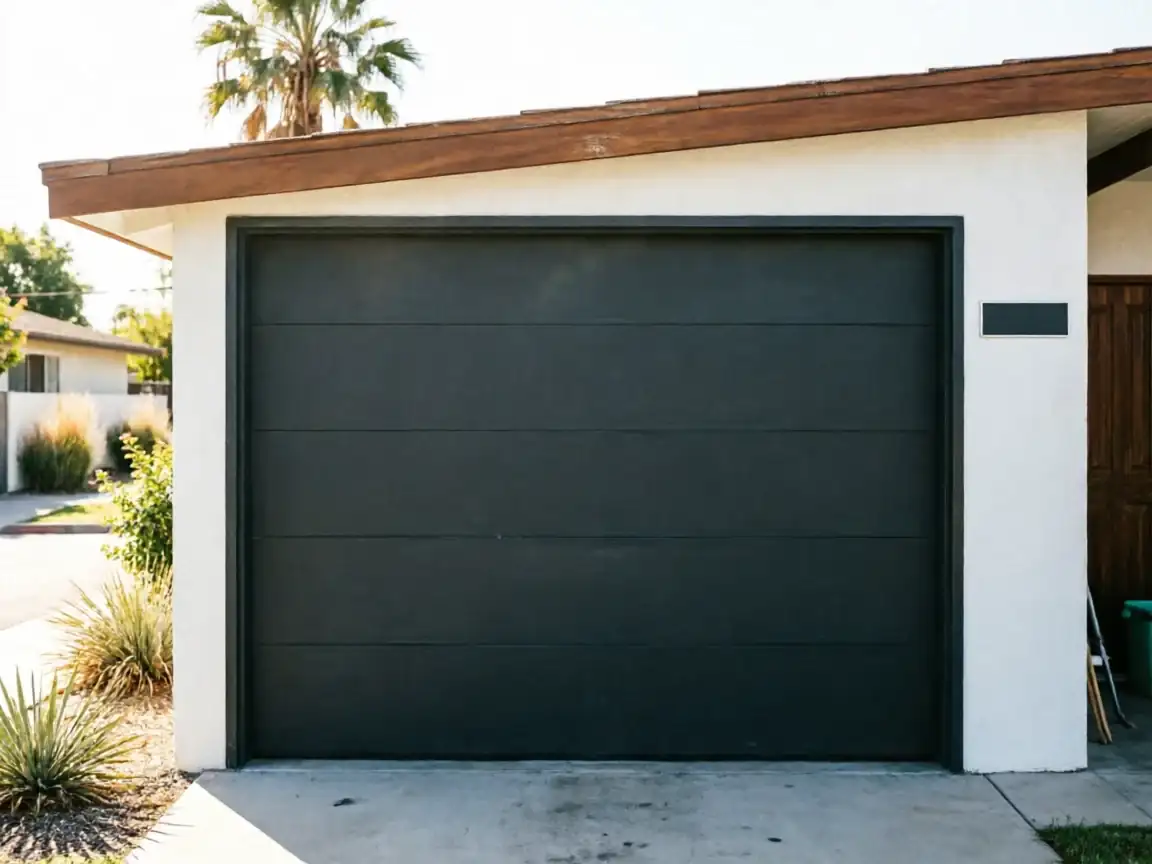
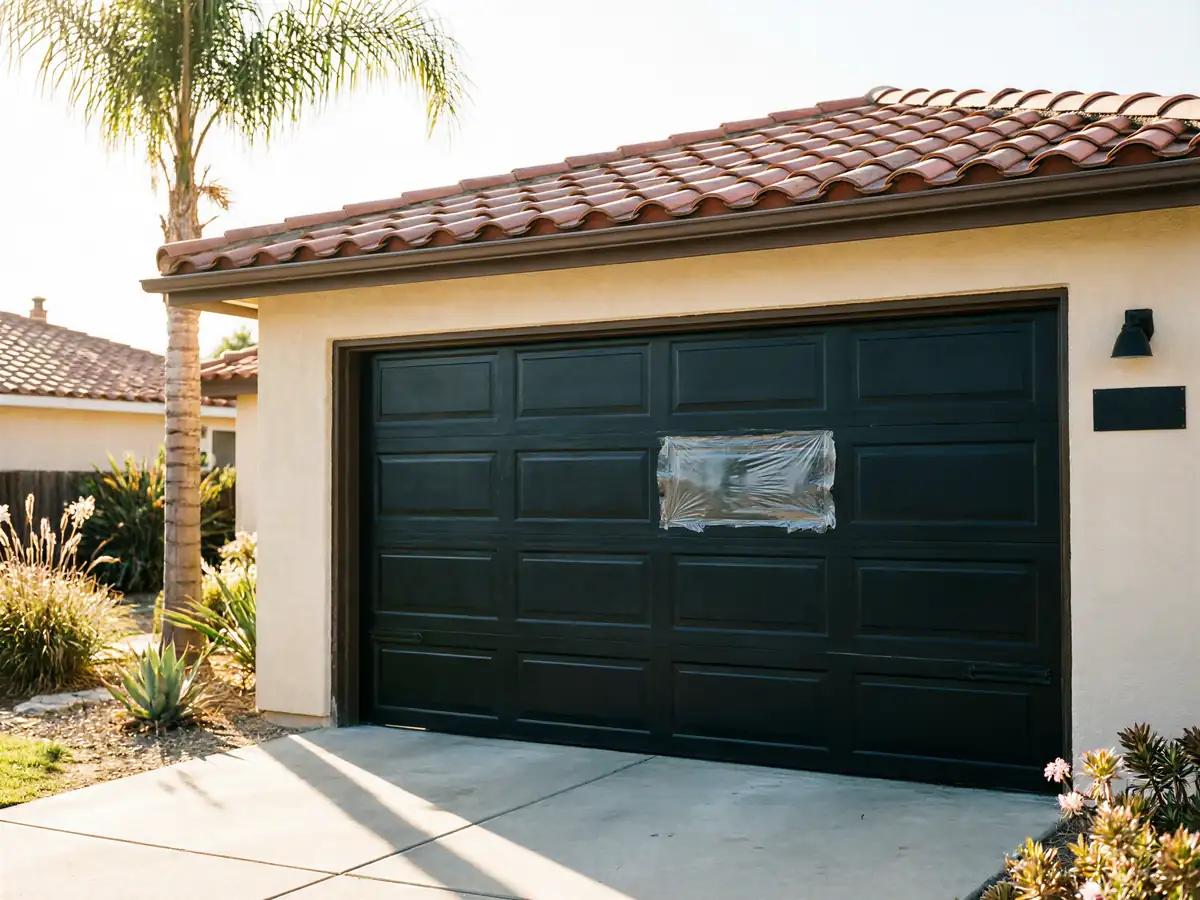
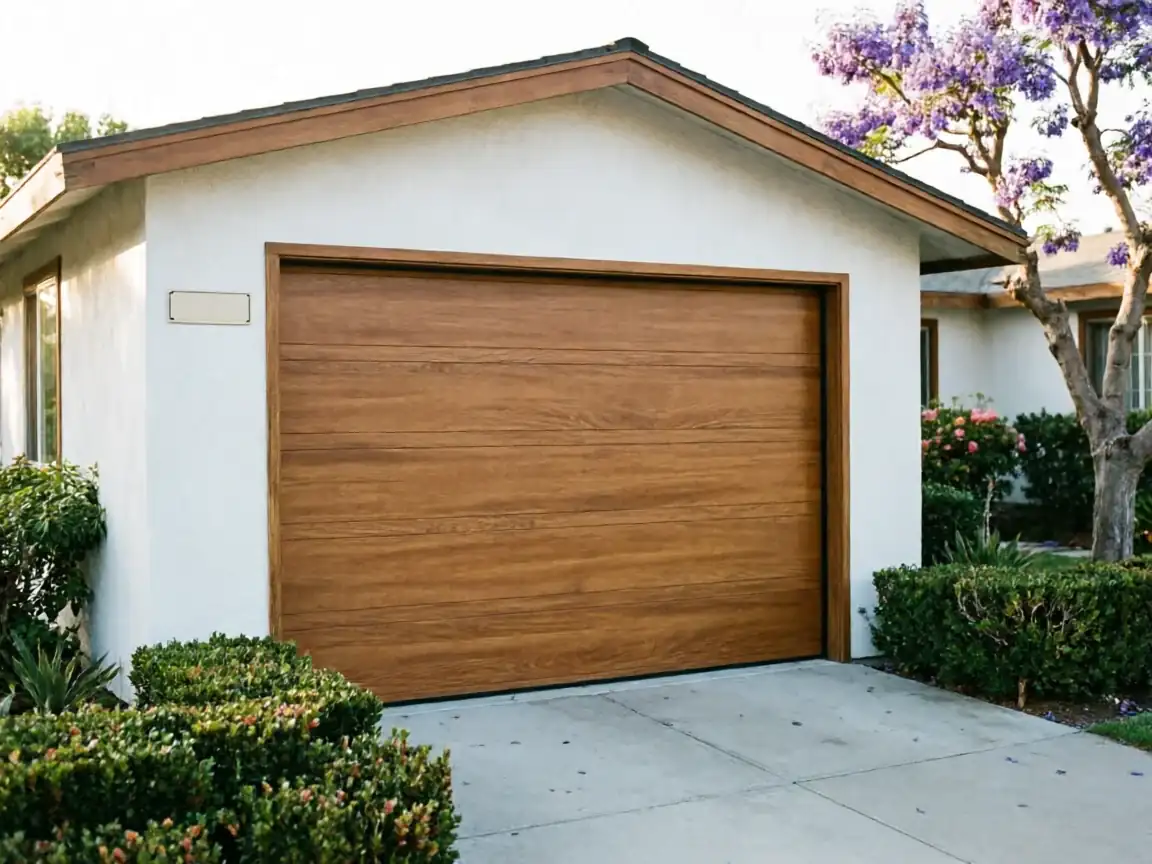
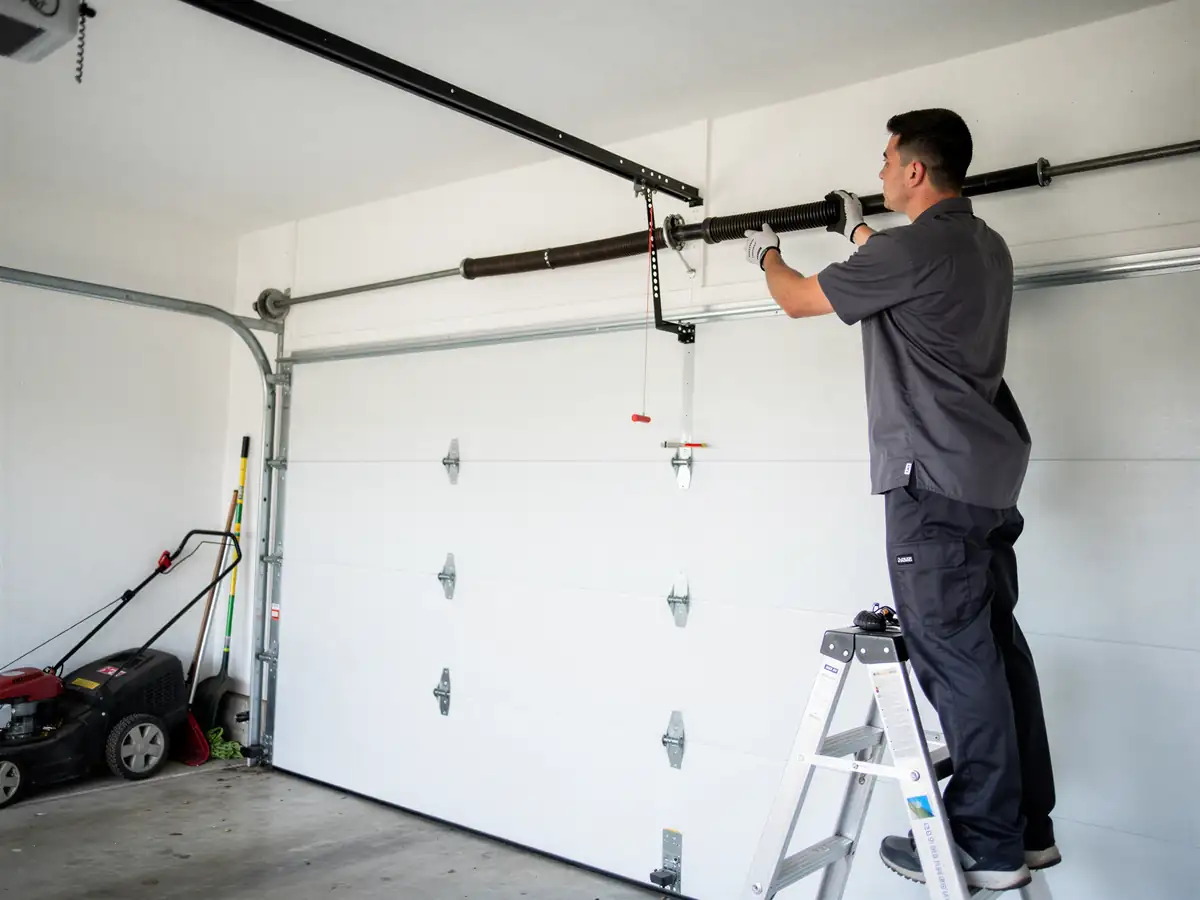
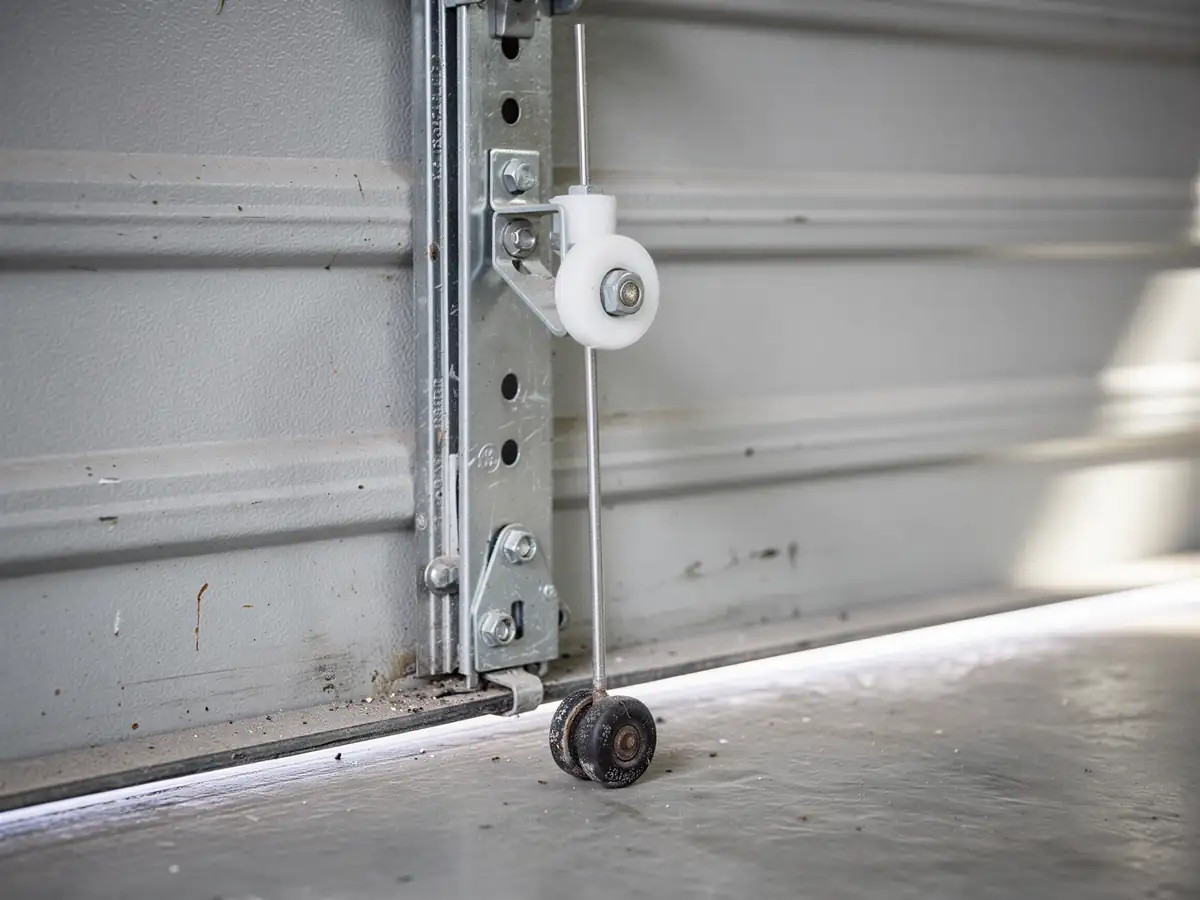
Sutter's housing stock centers on 1973, which puts a big share of the town's garage doors and openers at roughly fifty years old. That's long past the design life of the springs, rollers, and cable that shipped with the original build. A lot of these houses have never had the torsion spring swapped, never had the track re-aligned, and still run on the first opener bolted to the ceiling joist. You don't notice any of this until the door starts grinding on the way up or the spring lets go with a bang.\n\nWith around 1,005 households in Sutter, the town is small enough that most of the housing went up in a tight window rather than spread across decades, so the same-era wear shows up block after block. If your neighbor's door started sagging at one corner or squealing on the rollers, yours is probably not far behind, even if nothing feels wrong yet. The giveaway on original hardware is usually a spring with flat, dull-gray coils and a stamped plate with no model sticker, versus the bright zinc coil and printed label on anything replaced in the last fifteen years.\n\nThis isn't a problem unique to one house. It's a function of when the town was built, and it's worth checking before the part fails rather than after.
Doing It Yourself
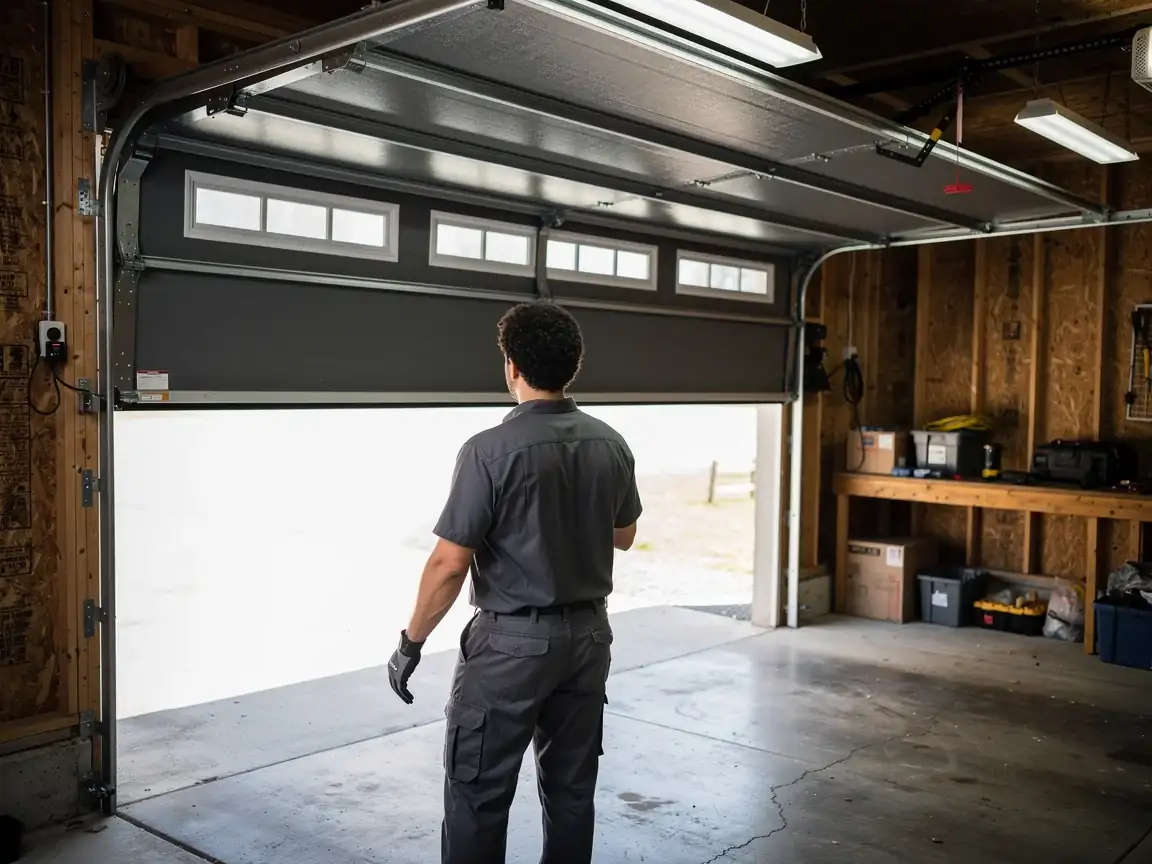
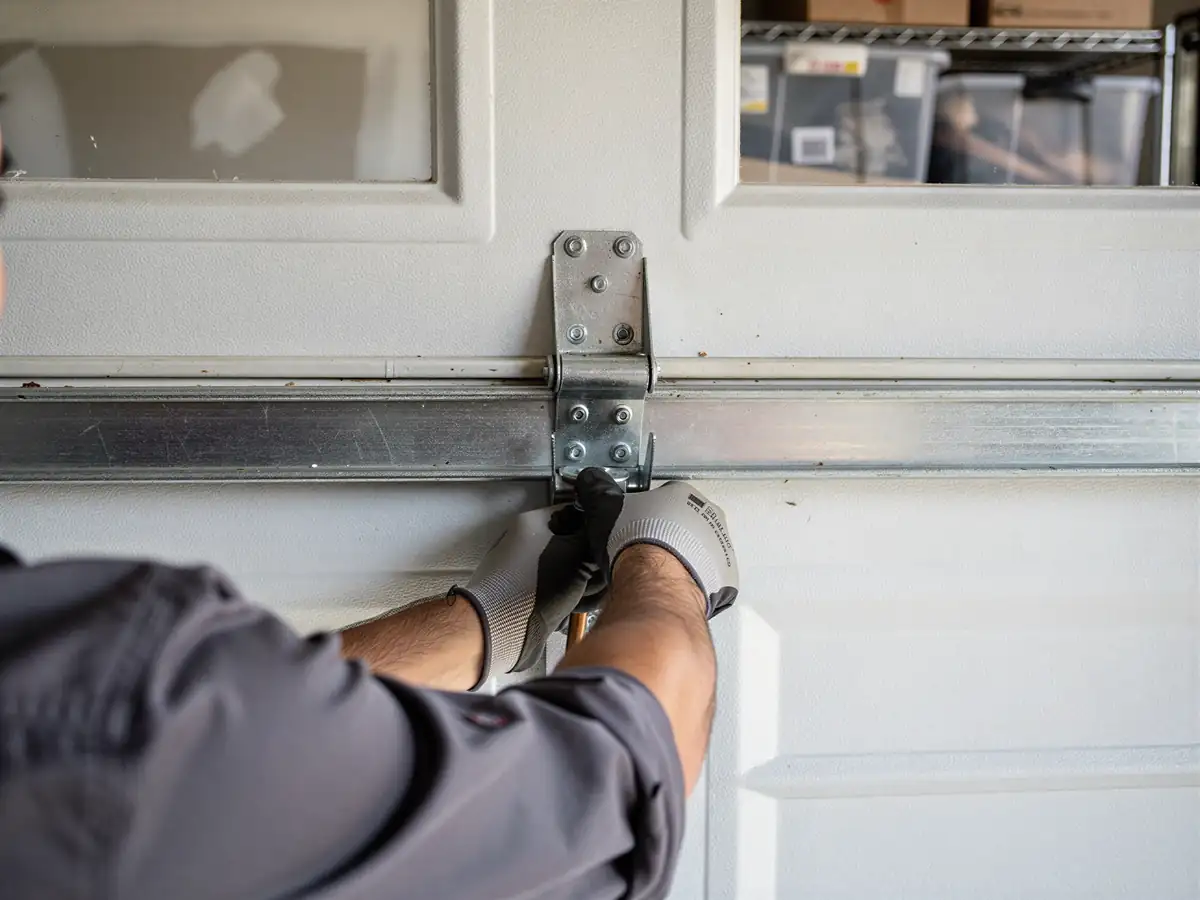
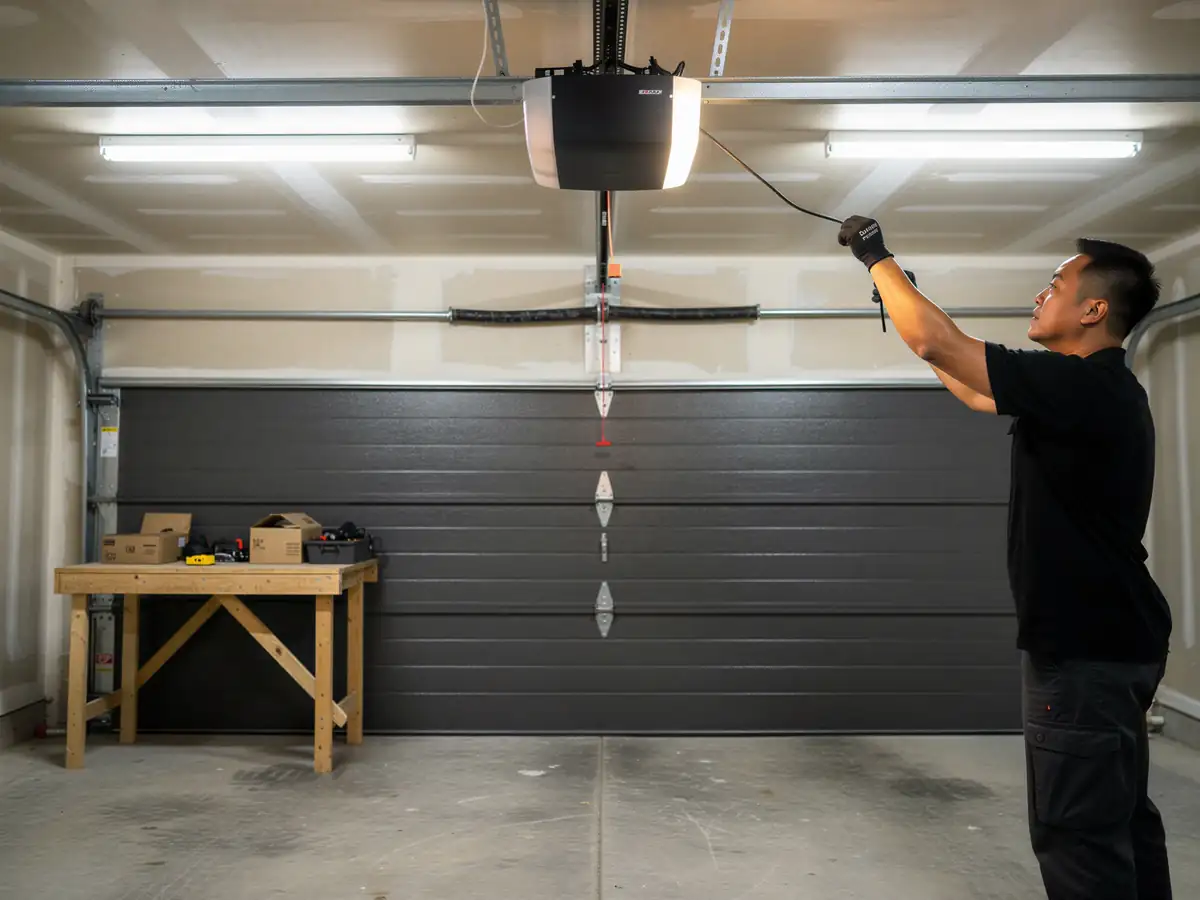
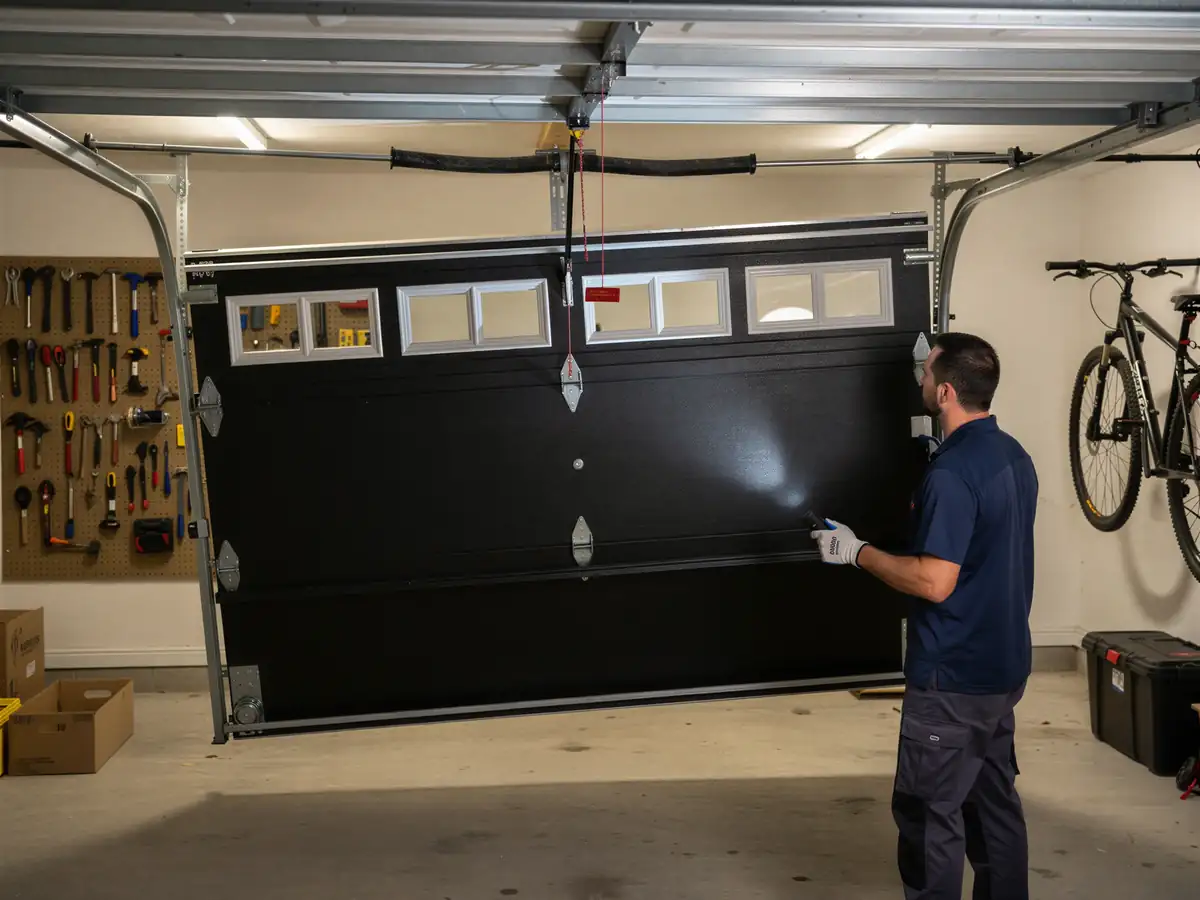
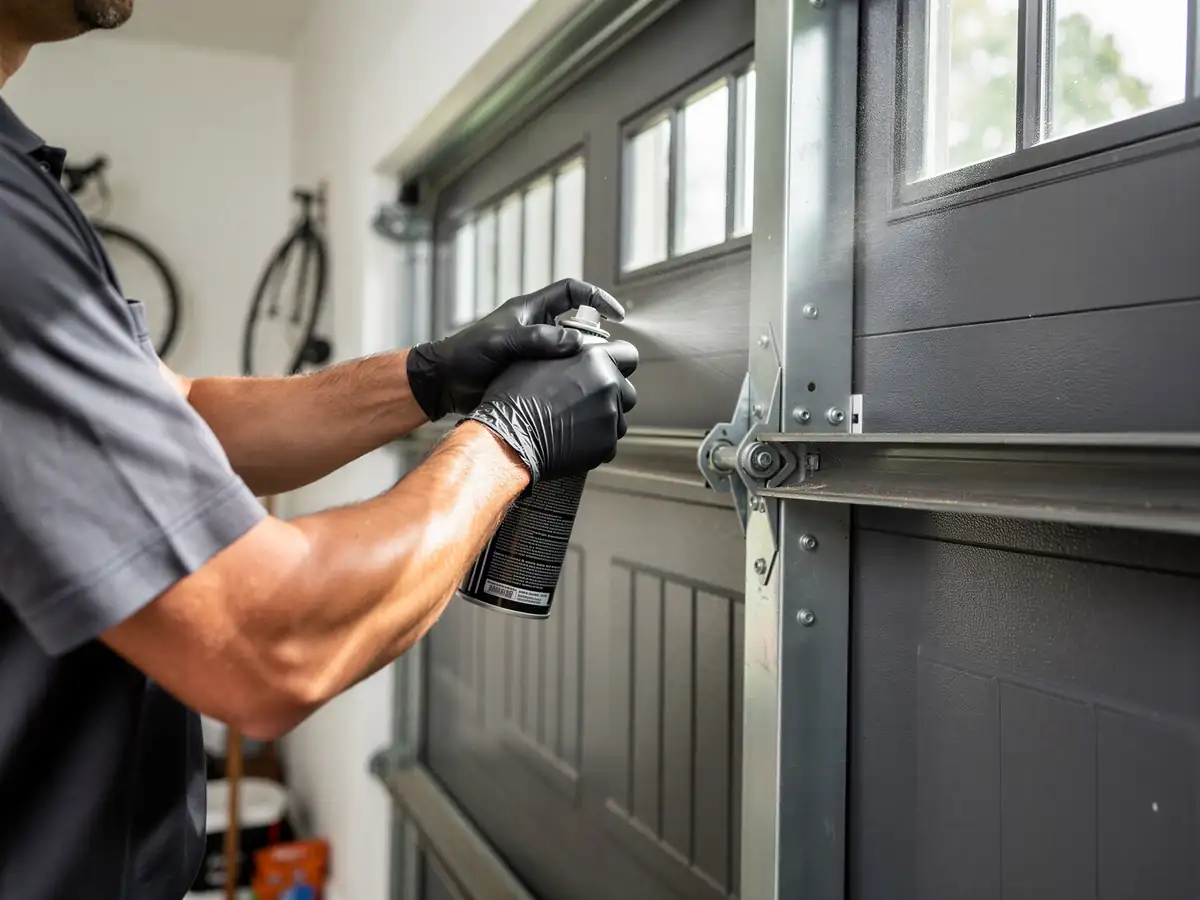
Some of this you can do yourself with a ladder and ten minutes. Pull the manual release and run the door by hand - it should move with even, light resistance the whole length of the track. If one spot binds or the door wants to drop on its own partway up, something in the balance is off, and that's spring or cable territory, not a job to open up yourself. A torsion spring under tension can put you in the ER if it lets go while you're working on it.\n\nWhat you can safely handle: wipe down and lightly oil the rollers and hinges with a garage-door-specific lubricant, not WD-40, which washes grease out rather than adding it. Check that the photo-eye sensors near the floor are aligned and free of cobwebs - a knocked sensor is a common reason doors refuse to close. Look at the weatherstripping on the bottom panel; on a house pushing fifty years old, it's often brittle or missing outright, and Sutter's heat makes that seal matter more, not less, for keeping the garage from turning into an oven.\n\nWhat you shouldn't touch: the spring itself, the cables, or anything on the opener's internal gearing. Those are the parts most likely to still be original here, and they're also the parts that hurt people.
What You Pay
We don't publish a flat number for maintenance because what a visit costs depends on what the door needs once we're looking at it - a quick lube-and-check is a different job than resetting a track that's drifted out of alignment over fifty years. What we can tell you is that Sutter's median household income, at roughly $94,375, runs well above the wider service area's figure, and in our experience that tracks with more owners choosing to stay ahead of a failure with a maintenance visit rather than waiting for a spring to snap on a Saturday morning.\n\nThe honest trade-off: maintenance costs less than a repair call, and a repair call costs less than a full door replacement. If your hardware is original to a 1973 build and hasn't been looked at, a maintenance visit now is cheaper than the emergency it's likely heading toward.
How to Book
We cover Sutter from our Yuba City base, about 6 miles out, so scheduling a maintenance visit means picking a time that works for you rather than waiting on us to be in the neighborhood. If something's already acting up - grinding, sticking, a door that won't fully close - that's a repair call, not a maintenance visit, and Sutter garage door repair is the page for that. For the full list of what we do across the service area, see garage door maintenance in Yuba City.