What the Repair Takes
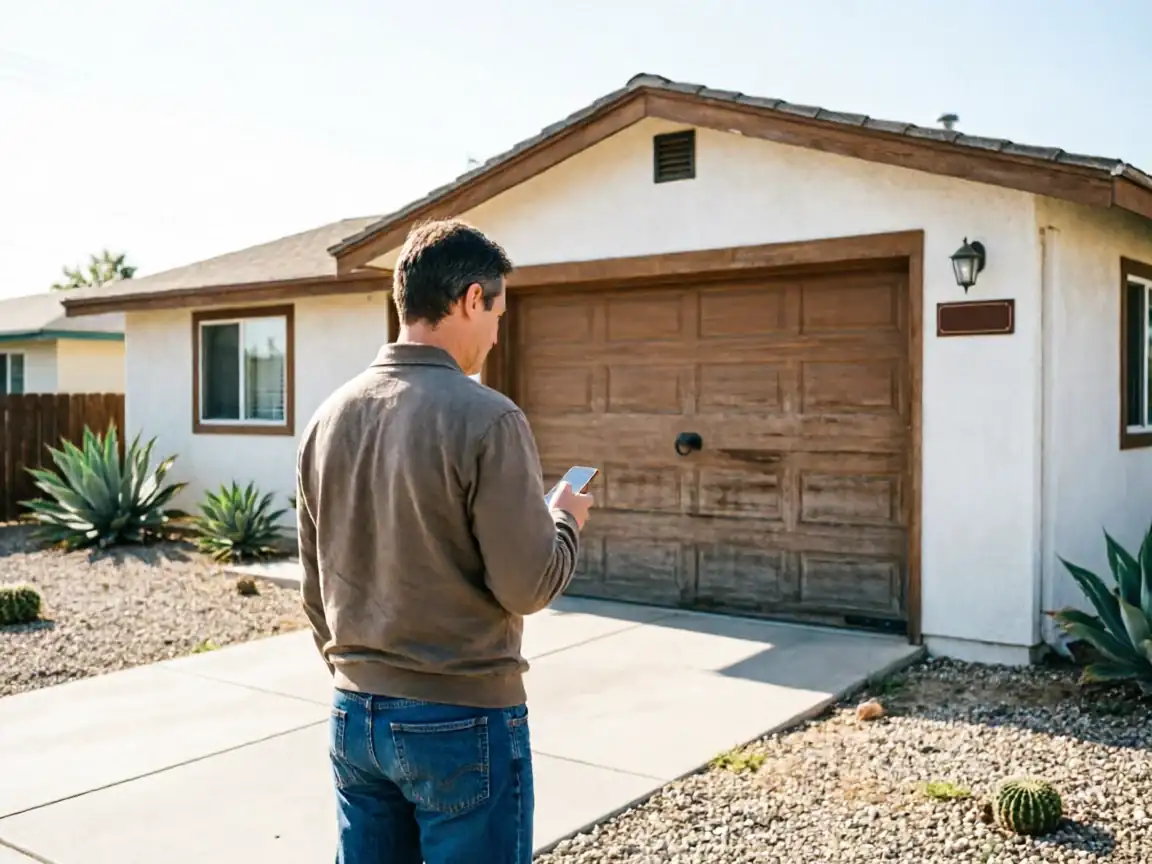
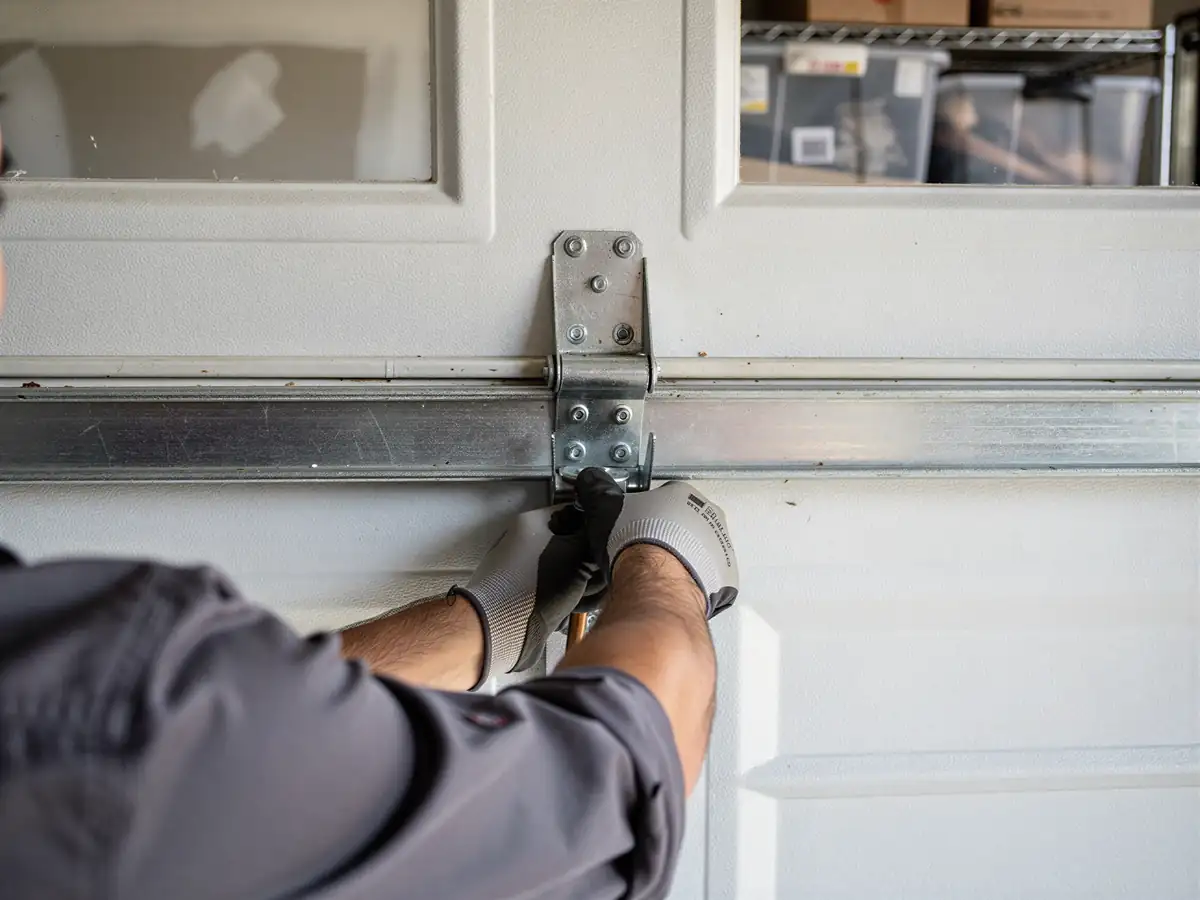
Linda's housing stock mostly went up around 1987, a decade or more newer than much of the rest of the service area, where 1960s and 70s construction is the norm. That gap matters for maintenance. A door installed in 1987 still has galvanized rollers, steel hinges, and a torsion spring that was never rated for the kind of cycle count a garage door sees over three and a half decades of regular use. Most of these homes have never had the spring replaced, the hinges swapped, or the track realigned since the day the house was finished. The hardware is original because nobody's had a reason to touch it until it starts binding, screeching, or dropping unevenly.
The other number that drives wear here is heat. This area sits in a severe heat band, and repeated summer expansion on steel track and aluminum panel skin loosens fasteners and dries out lubricant faster than it would in a milder climate. A tune-up isn't cosmetic - it's catching the bolt that's backed out a quarter turn before the roller jumps the track at 5am. We drive the 5 miles out from Yuba City for this work; we don't keep a branch in Linda, so we schedule the visit rather than drop by.
Parts We Carry
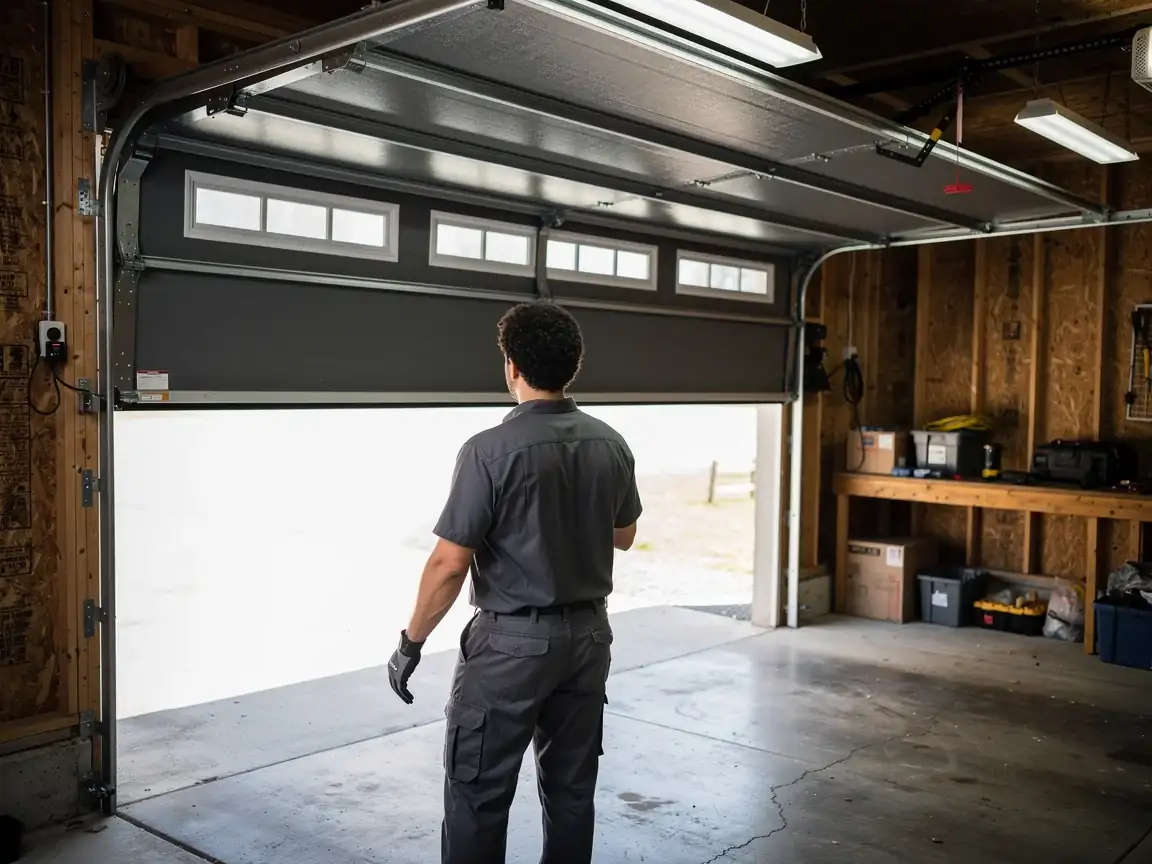
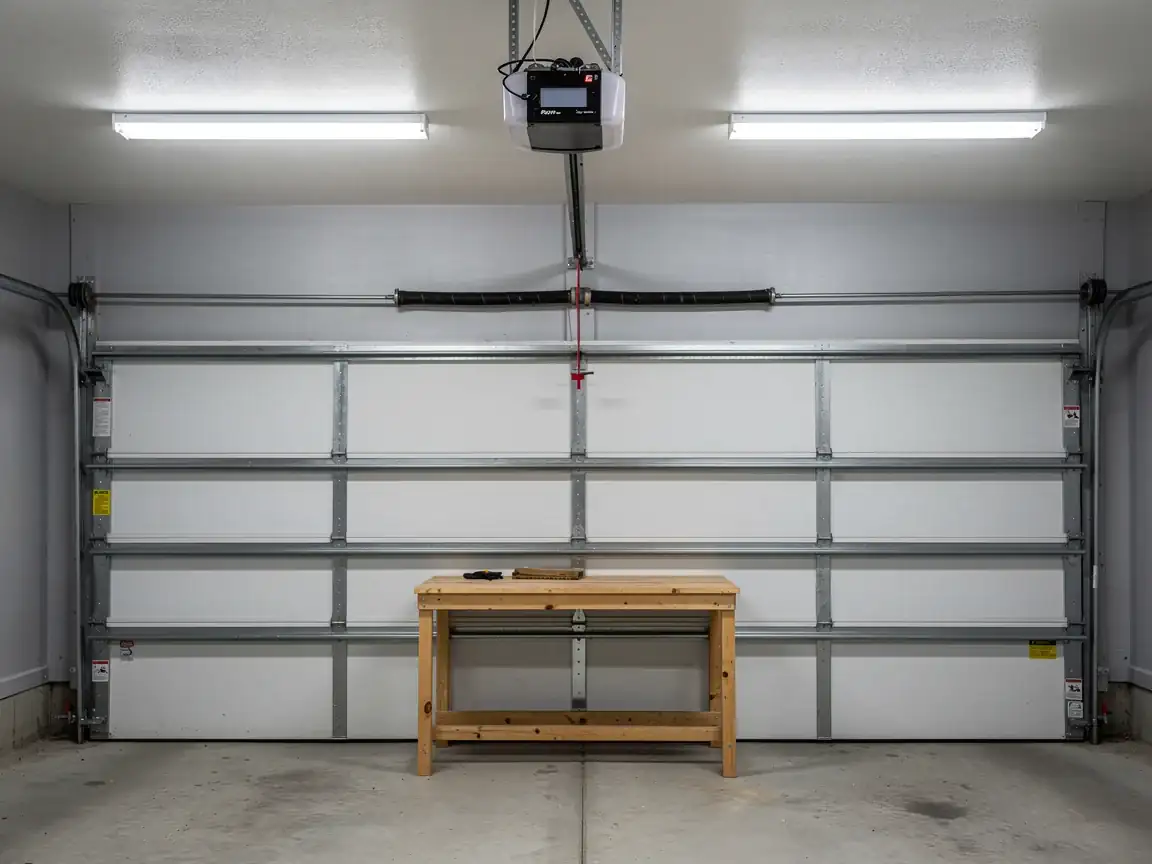
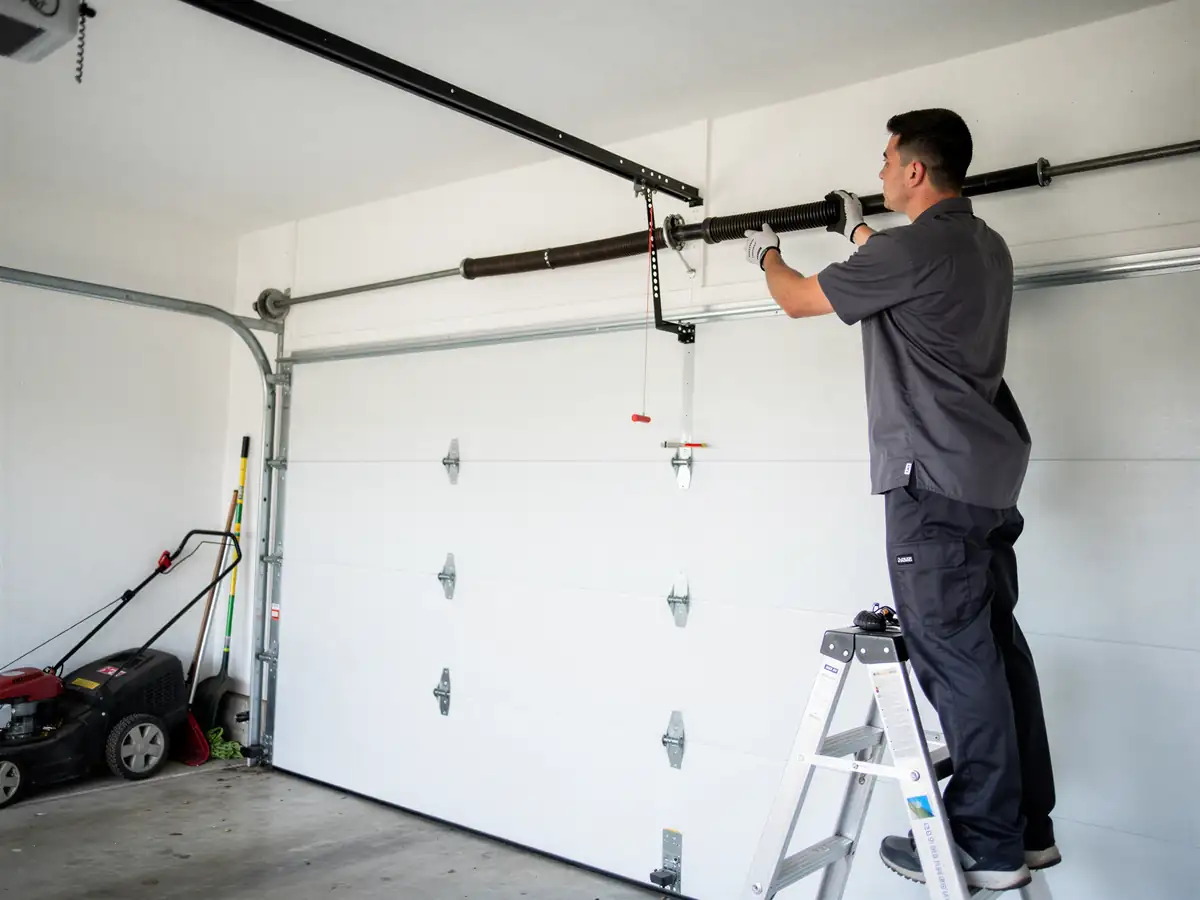
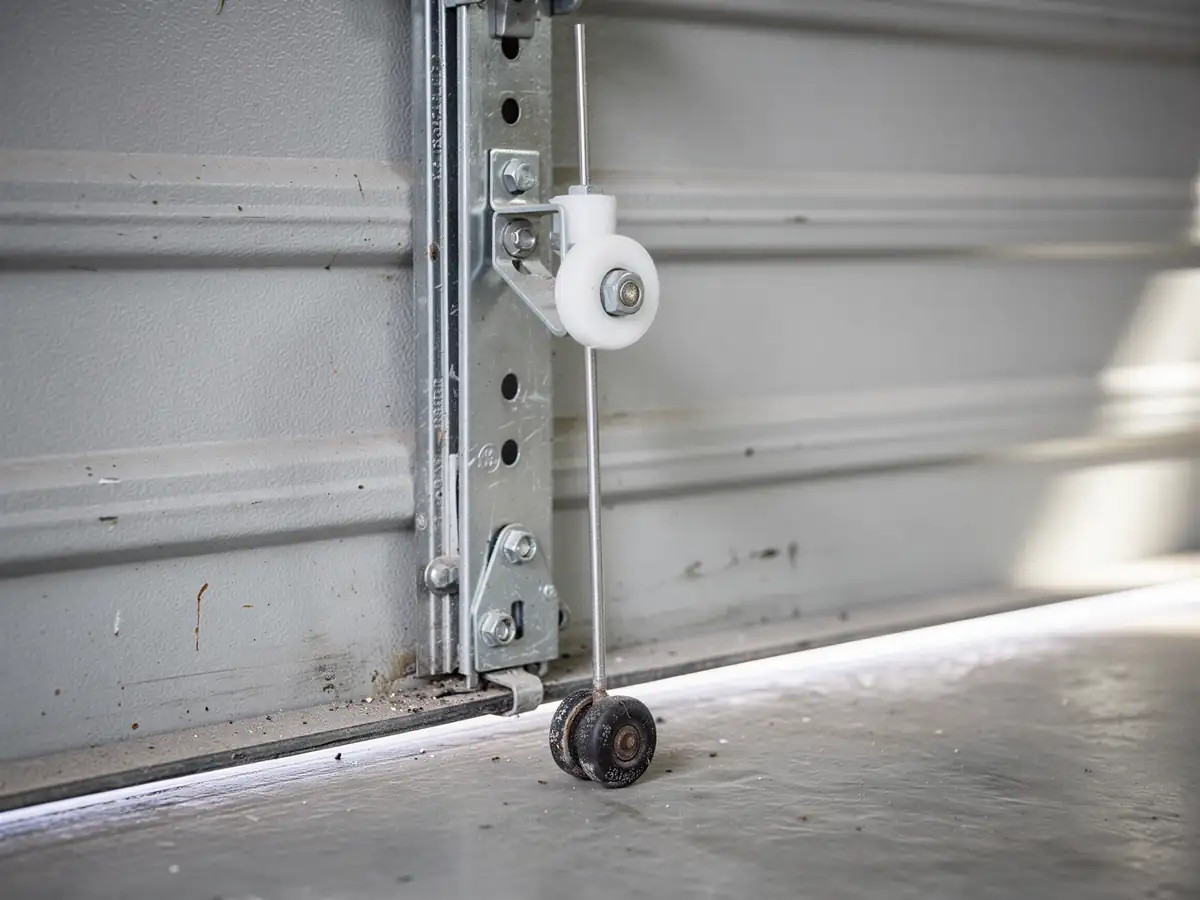
For a house built around 1987, the parts most often due are rollers, end bearings, and the torsion spring itself - springs are rated for a cycle count, not a calendar date, and most in this age bracket are past it even if they haven't snapped yet. We stock standard rollers and springs sized for the single and double doors common to this era's construction. What we don't always have on the truck is specialty hardware for a custom or oversized door - if a prior owner upgraded to something nonstandard, that part may need to be ordered, and we'll tell you that up front rather than guess at a fix.
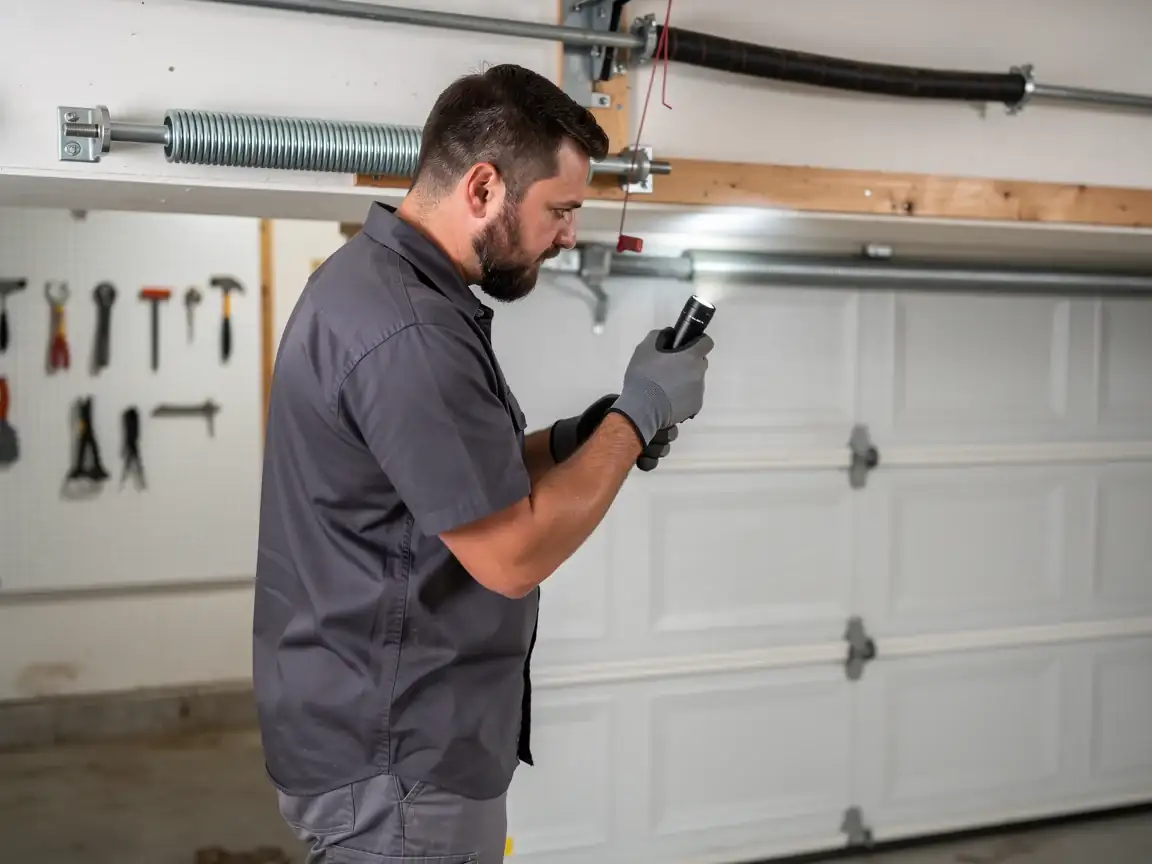
We also check cable condition and the bottom bracket on every visit, since those wear at the same rate as the spring but get less attention until they fray. None of this is a sales pitch for a full door - most 1987-era doors are structurally fine and just need the moving parts refreshed.
What You Pay
Linda's median household income runs lower than the wider service area's $80,104
Closer to $69,161 here - and that's part of why we price maintenance as a flat visit rather than bundling it into a bigger job you didn't ask for. A tune-up covers the lubrication, hardware inspection, and balance check; if we find a spring or roller that needs replacing, that's priced separately and we tell you the number before we touch it.
We don't publish a flat dollar figure for every scenario because what's under your door at 35 years old varies house to house
What we can tell you is that catching a worn spring during a scheduled visit costs a lot less than the emergency call after it snaps and the door won't open.
- 35 years
Doing It Yourself
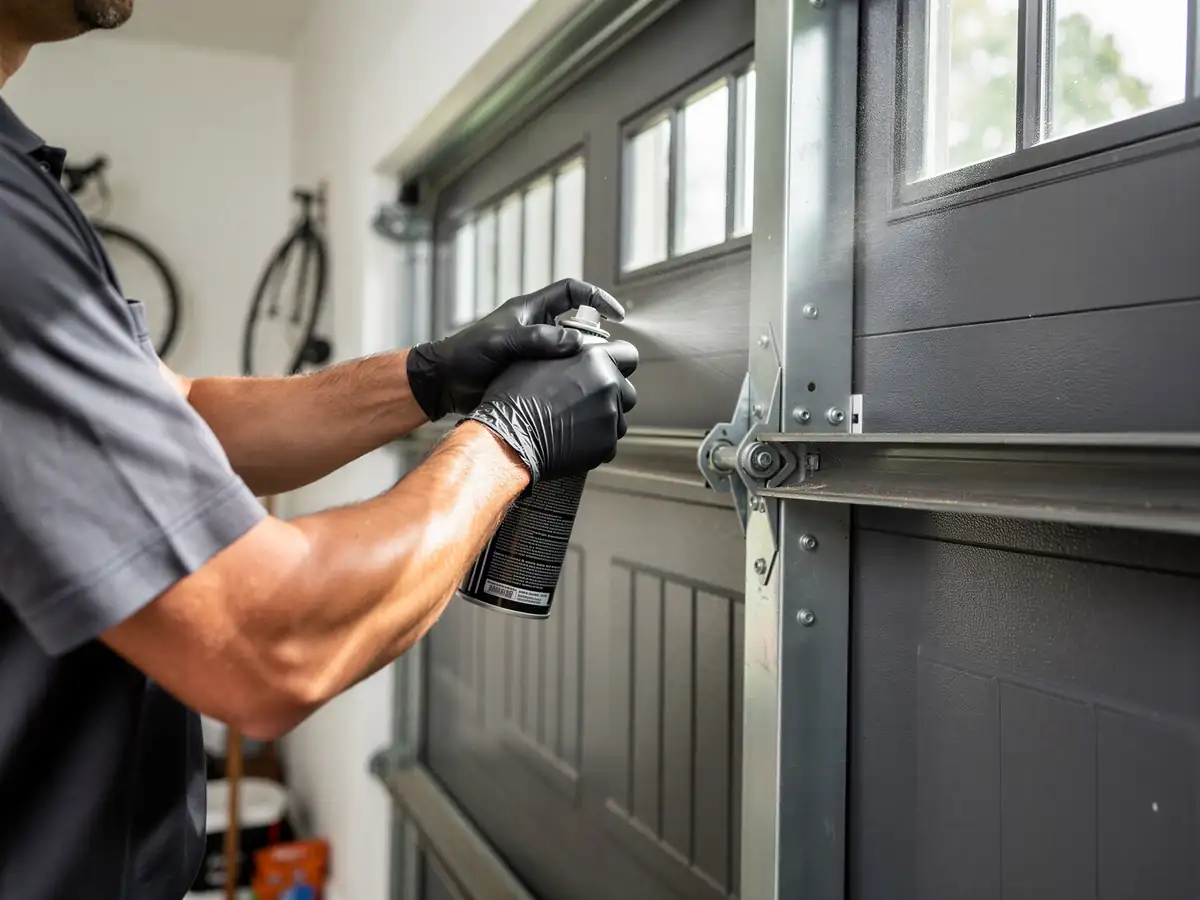
Some of this you can do yourself. Spray the rollers and hinges with a garage-door-specific lubricant twice a year, and in a severe heat area like this, check that the track bolts haven't vibrated loose - a quarter-inch socket wrench and five minutes is all that takes. Look at the cables for fraying where they wrap the bottom bracket; if you see rust blooming or strands separating, stop opening the door and call someone.
What you should not do yourself is touch the torsion spring. It's wound under enough tension to break bones, and on a door this age the spring has likely never been replaced, which means it's closer to failure than a newer one. If you're not sure how old your spring is, that uncertainty alone is the reason to have it looked at rather than guess.