What the Repair Takes
Linda sits five miles down from our shop in Yuba City, which is close enough that a roller job doesn't turn into a half-day errand. That short drive matters for this kind of call specifically: rollers are a part we either have on the truck in the right size or we don't, and because the run is short, a second trip for the correct roller doesn't blow the day the way it would on a longer service loop.
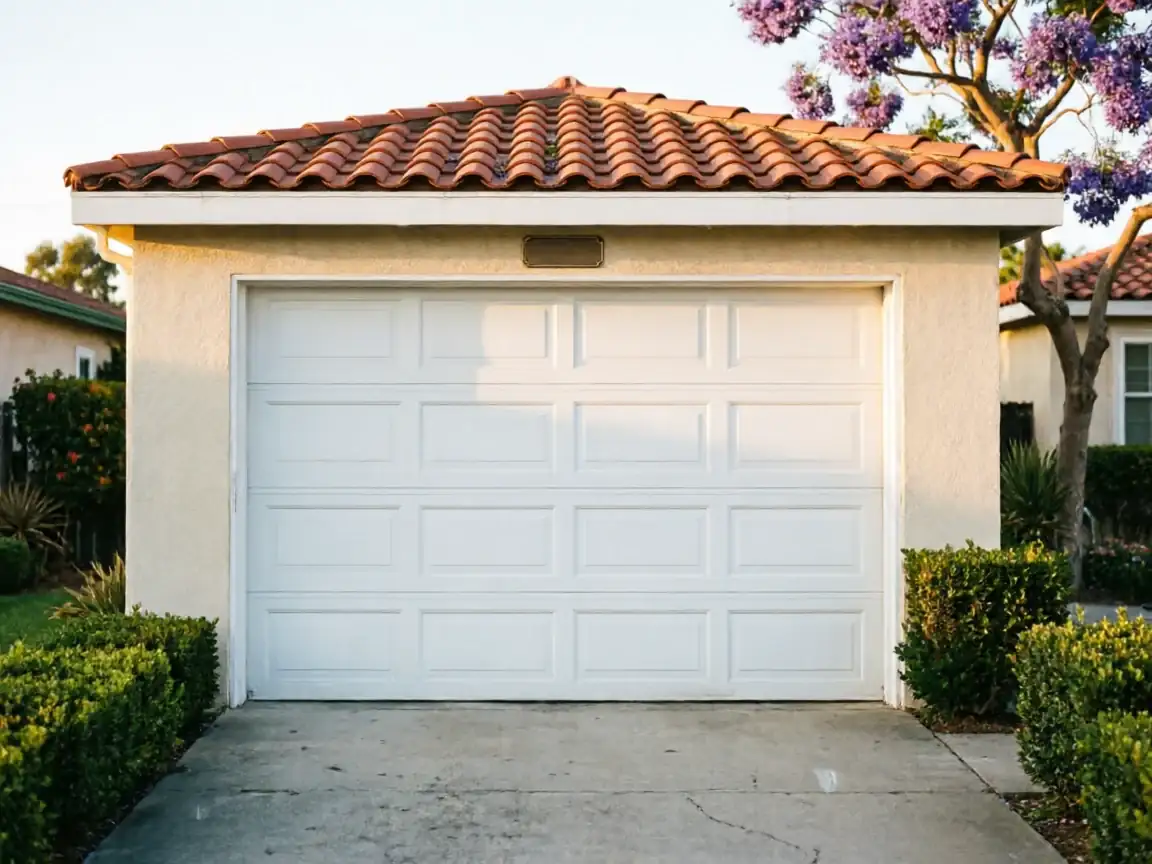
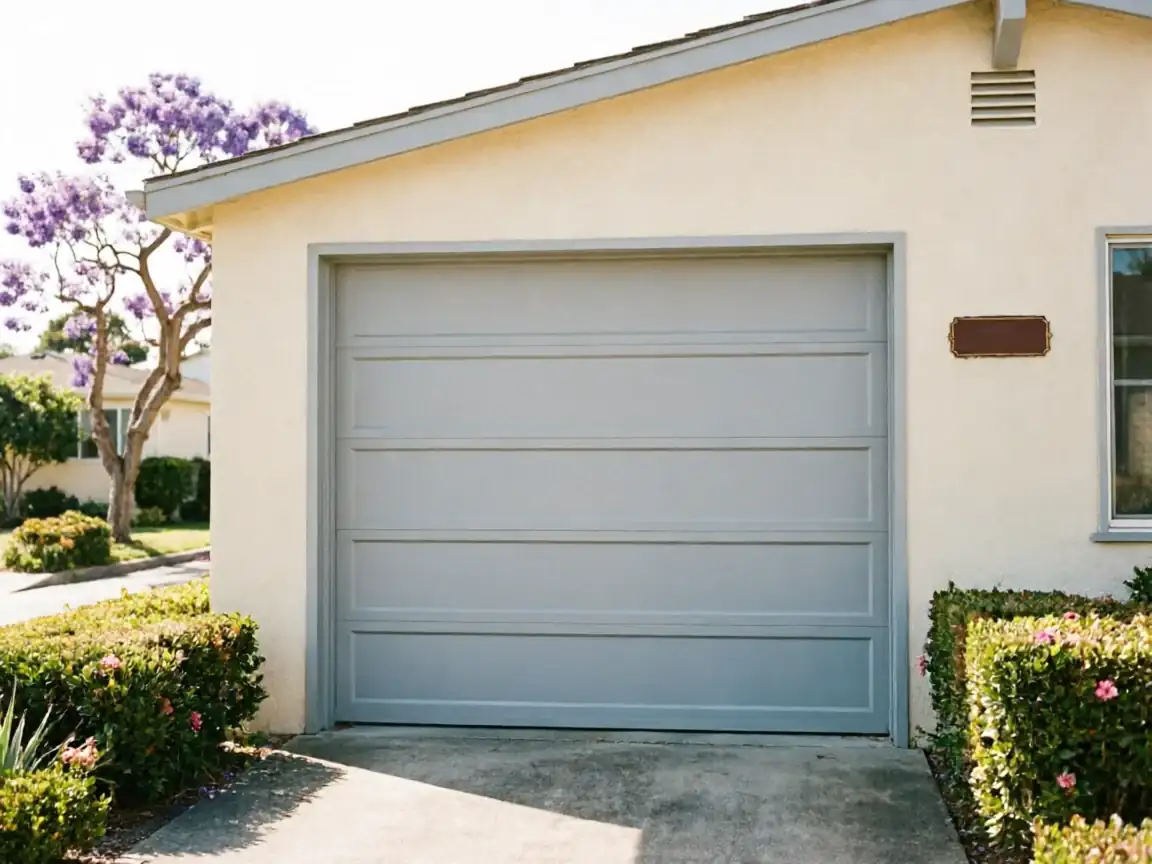
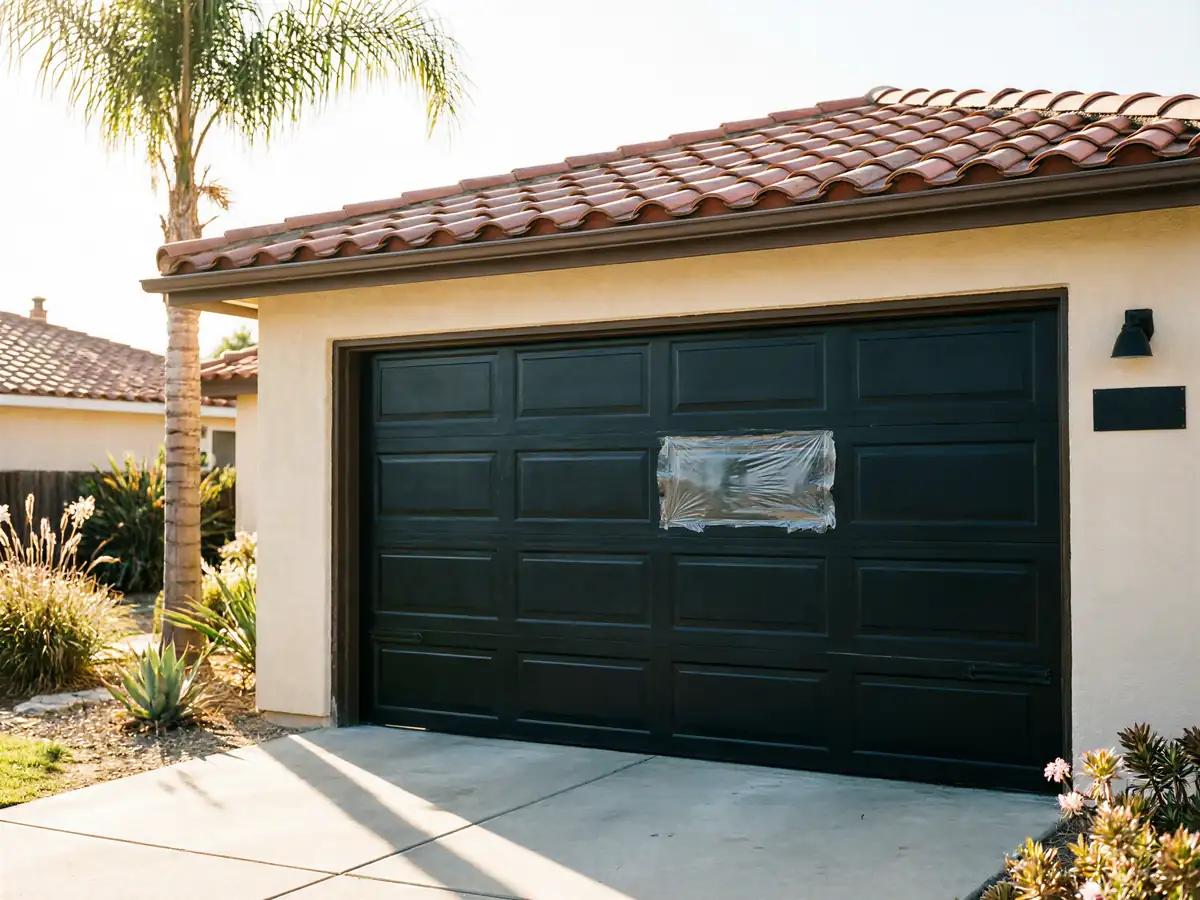
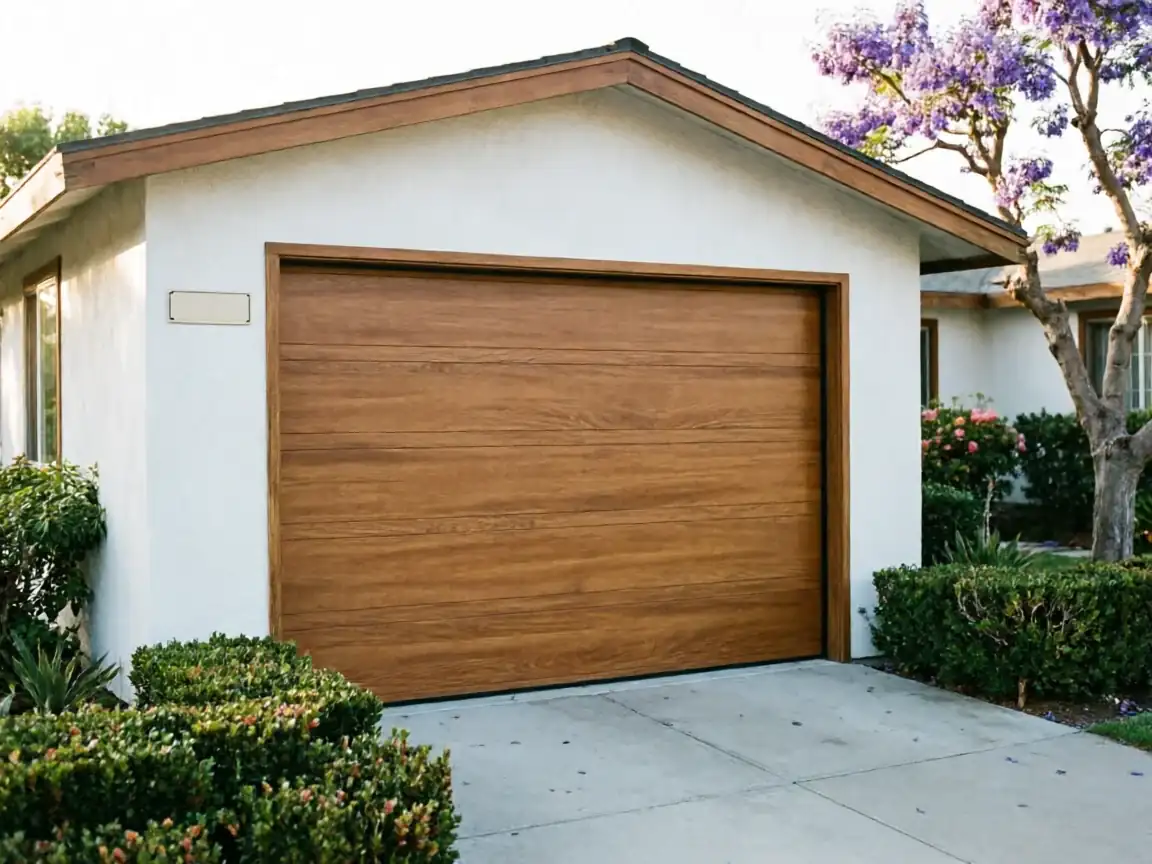
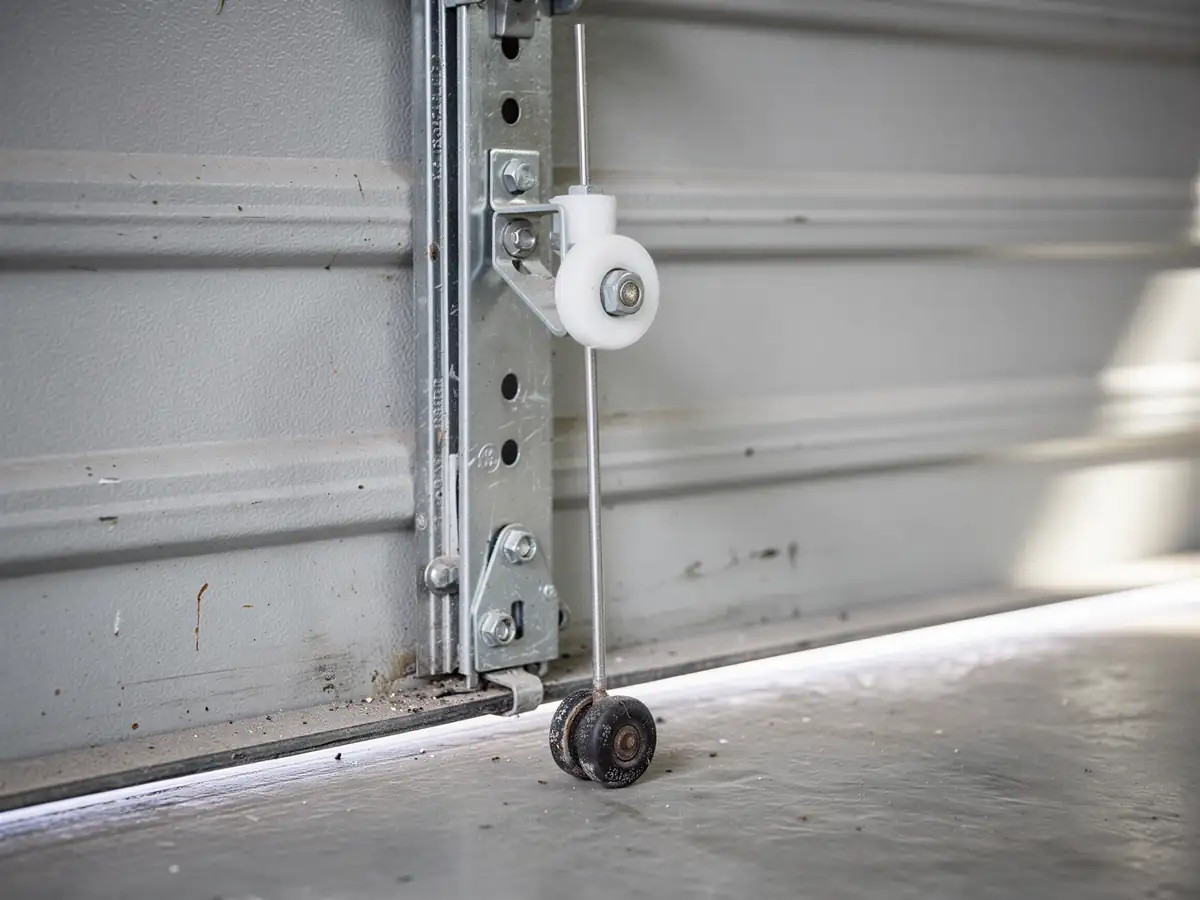
Most houses in Linda went up well after the older stock you see closer to the river towns, and the doors we pull rollers out of here tend to be newer steel sectional doors on standard galvanized track rather than the heavier wood panel doors from the 1960s and 70s that show up elsewhere in the county. That means the roller stems are usually a common 7-inch or 10-inch length on 2-inch track, not an oddball size off an older door that's been swapped once already.
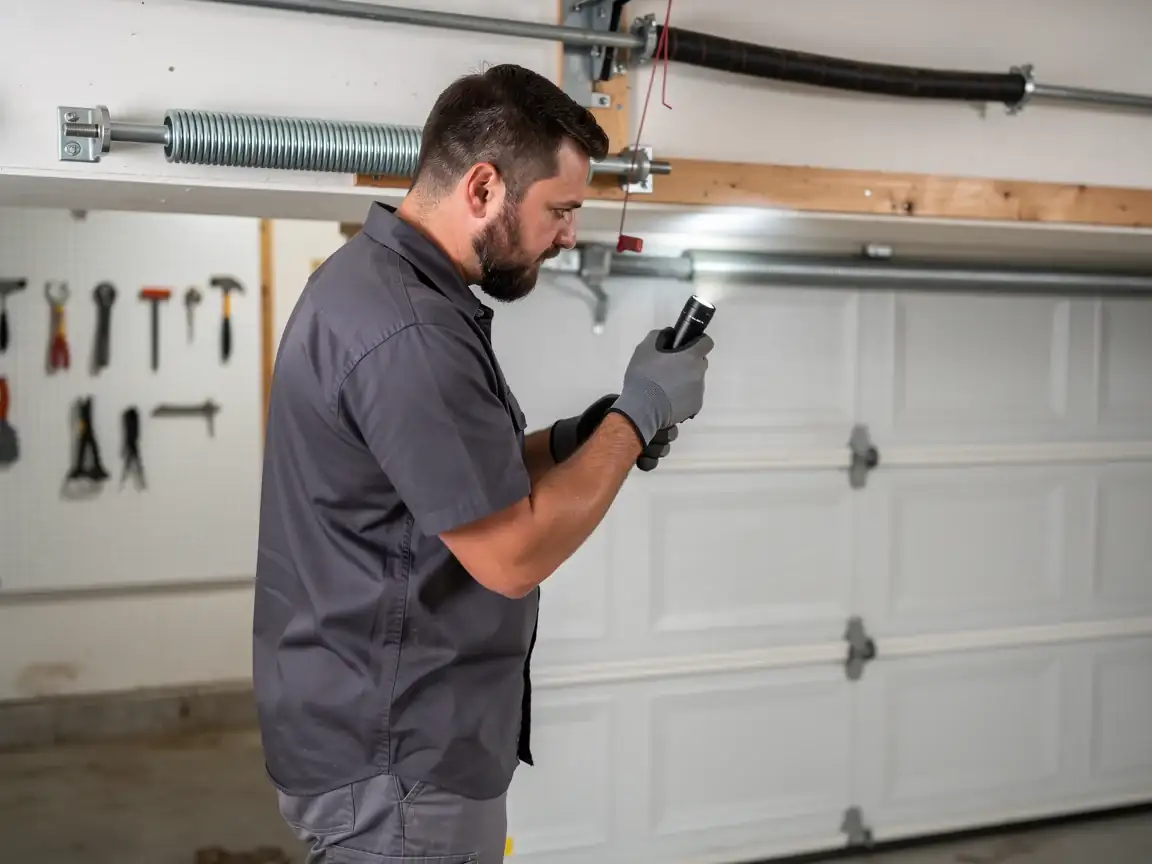
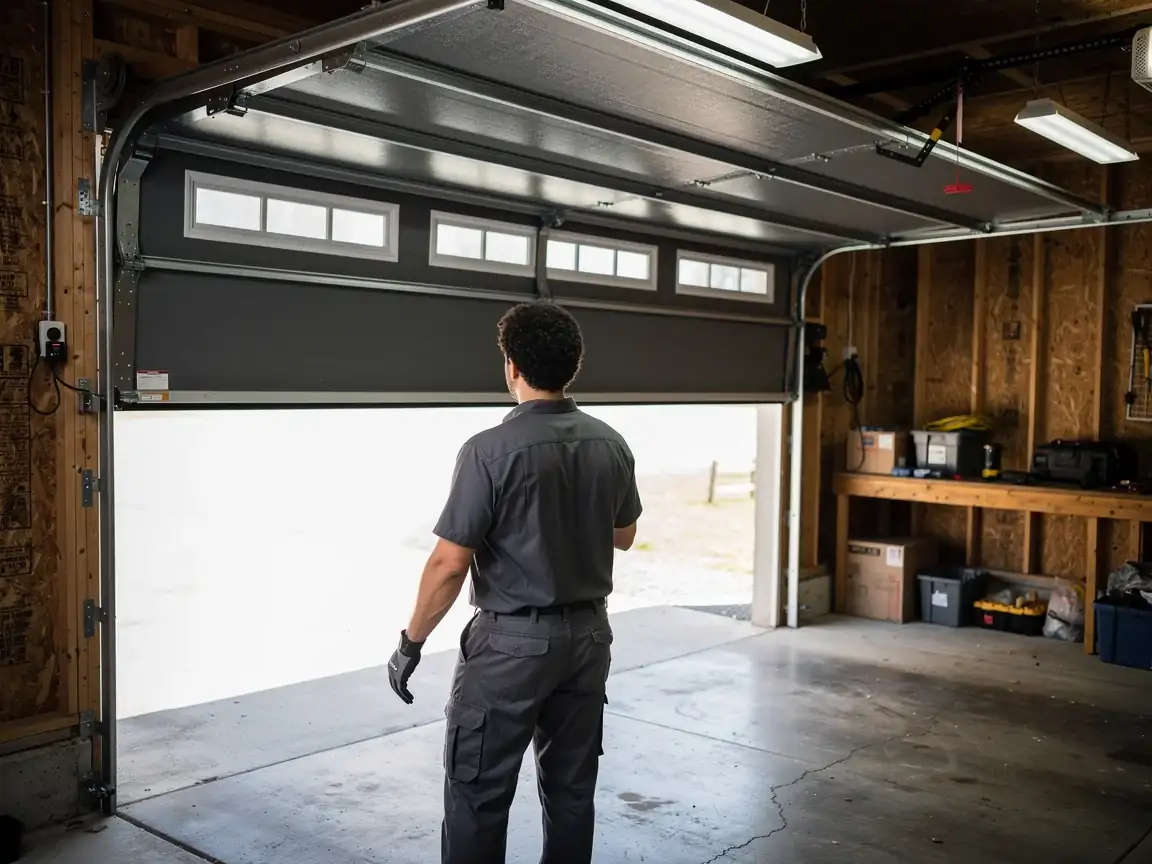
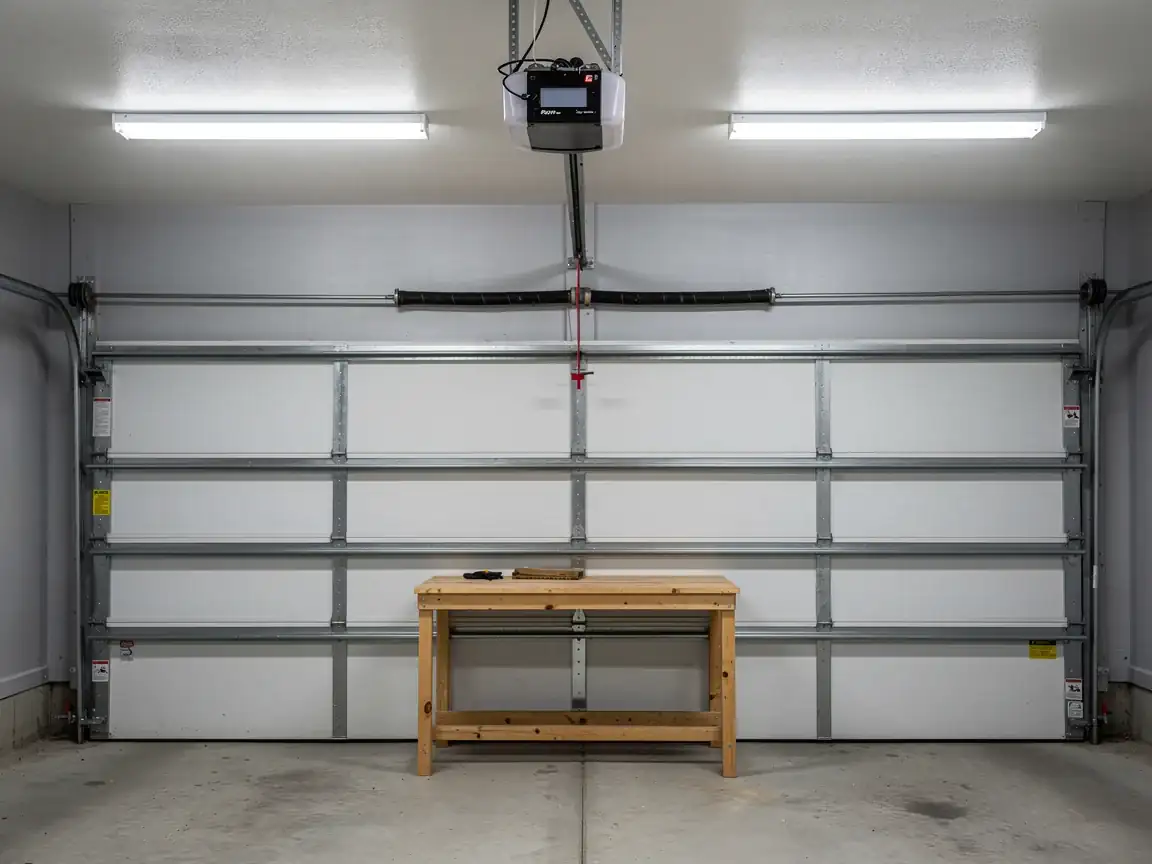
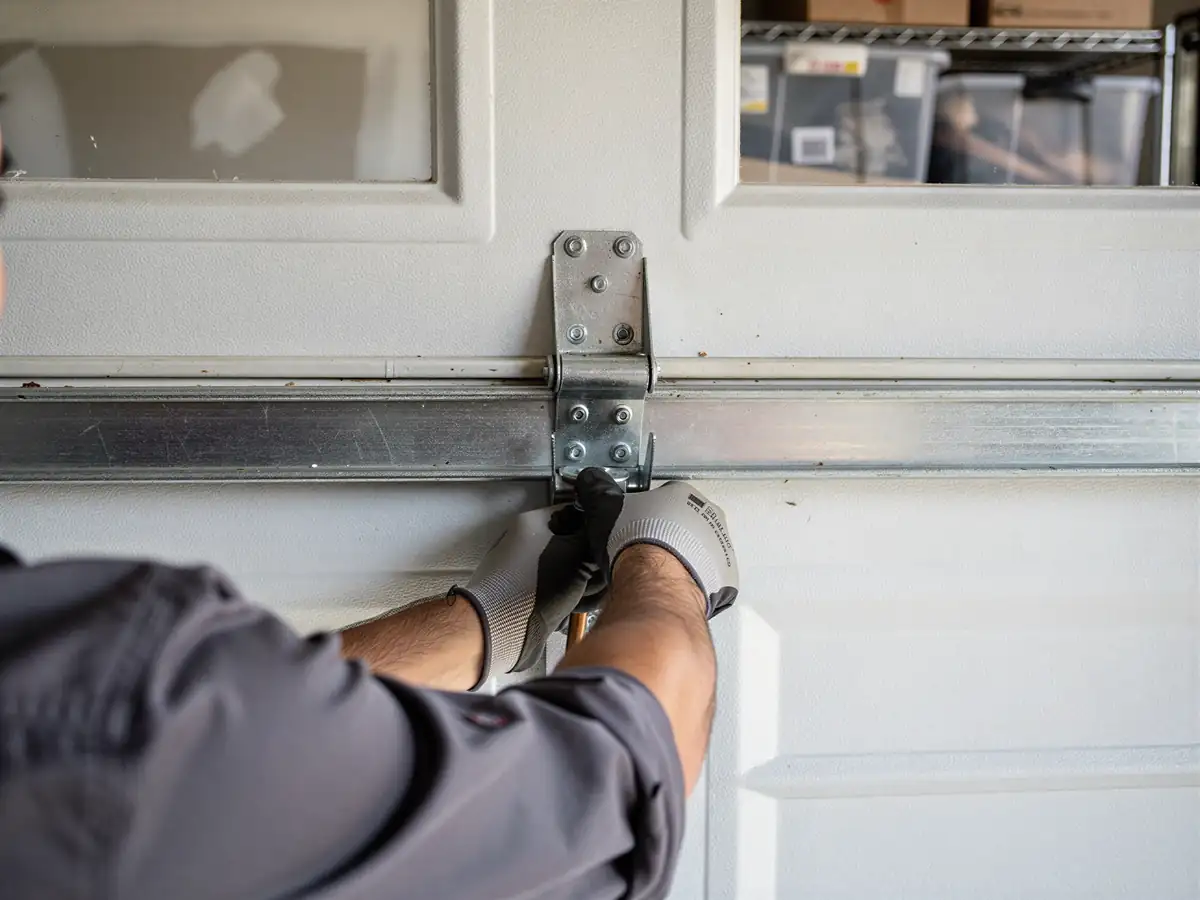
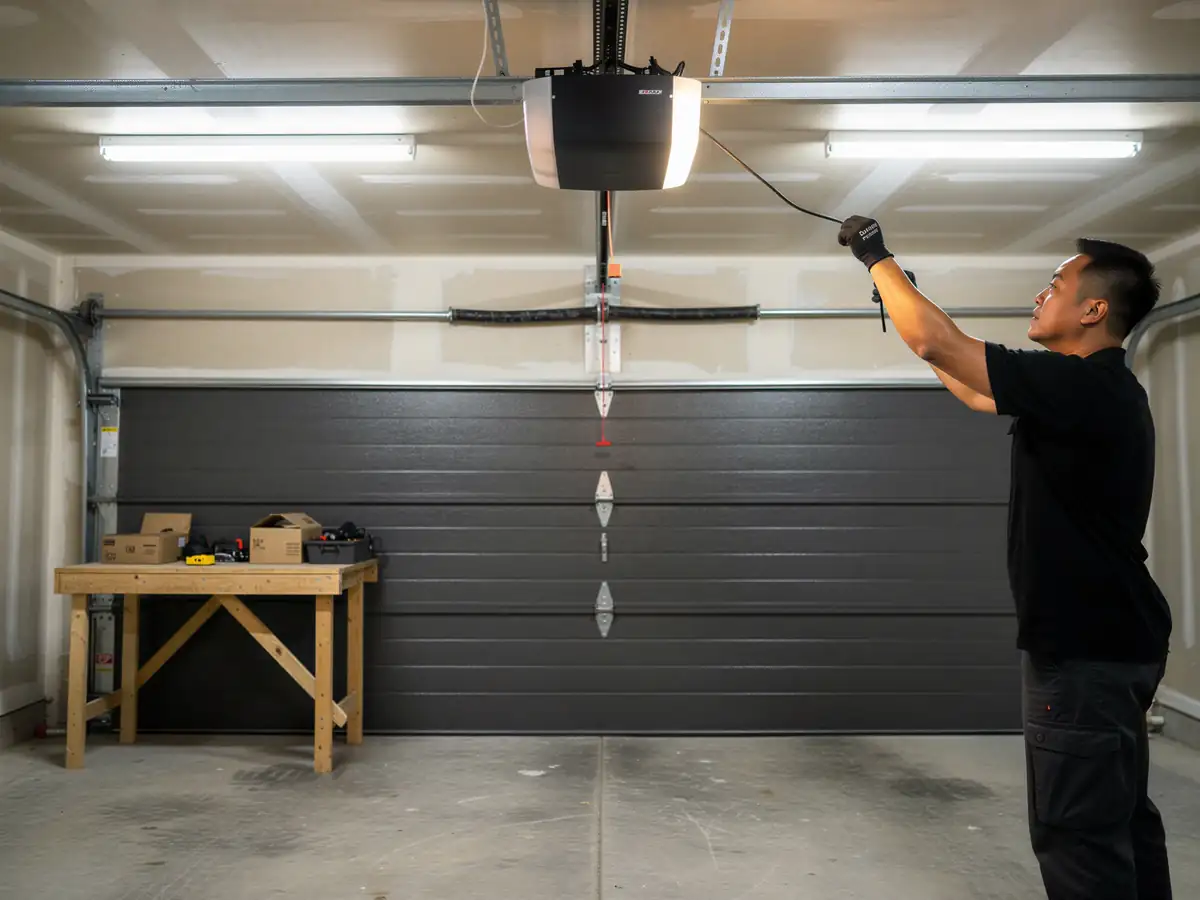
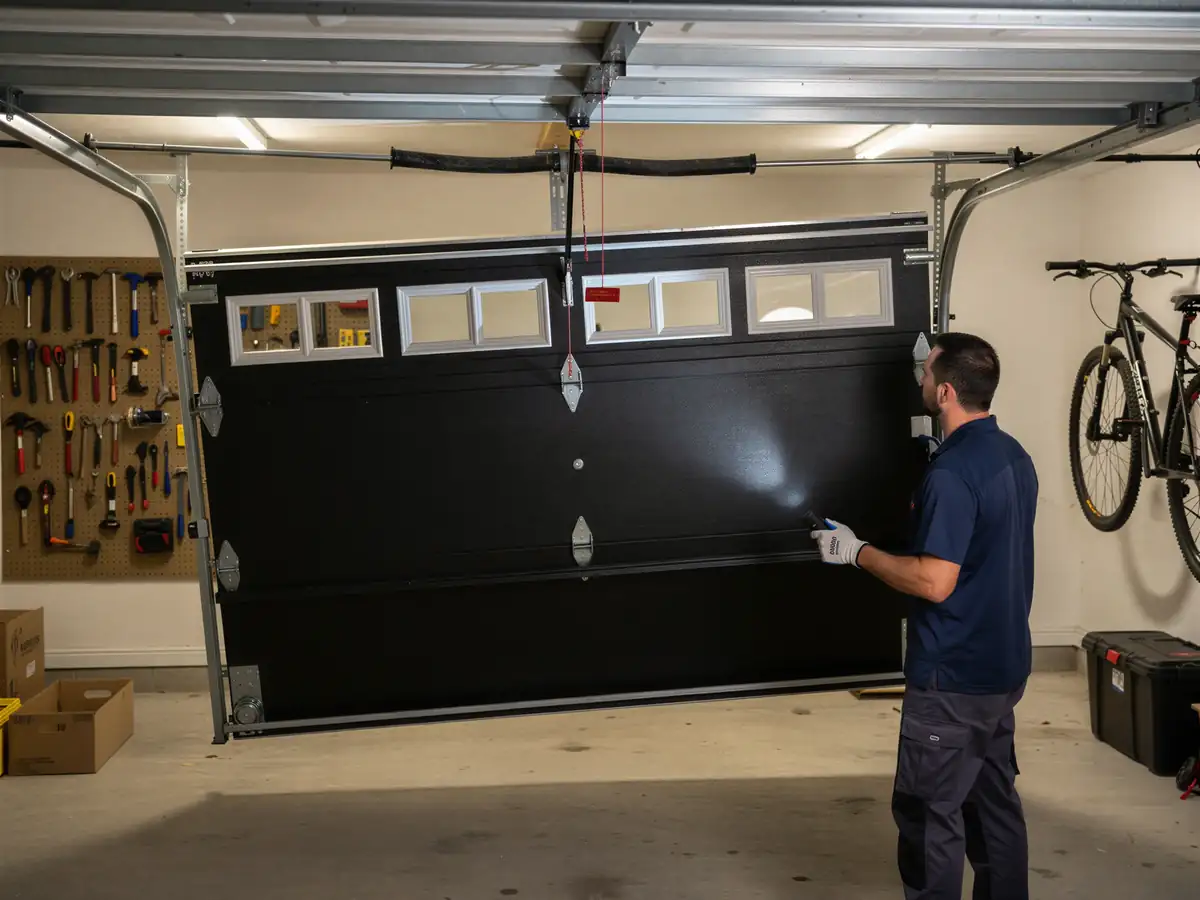
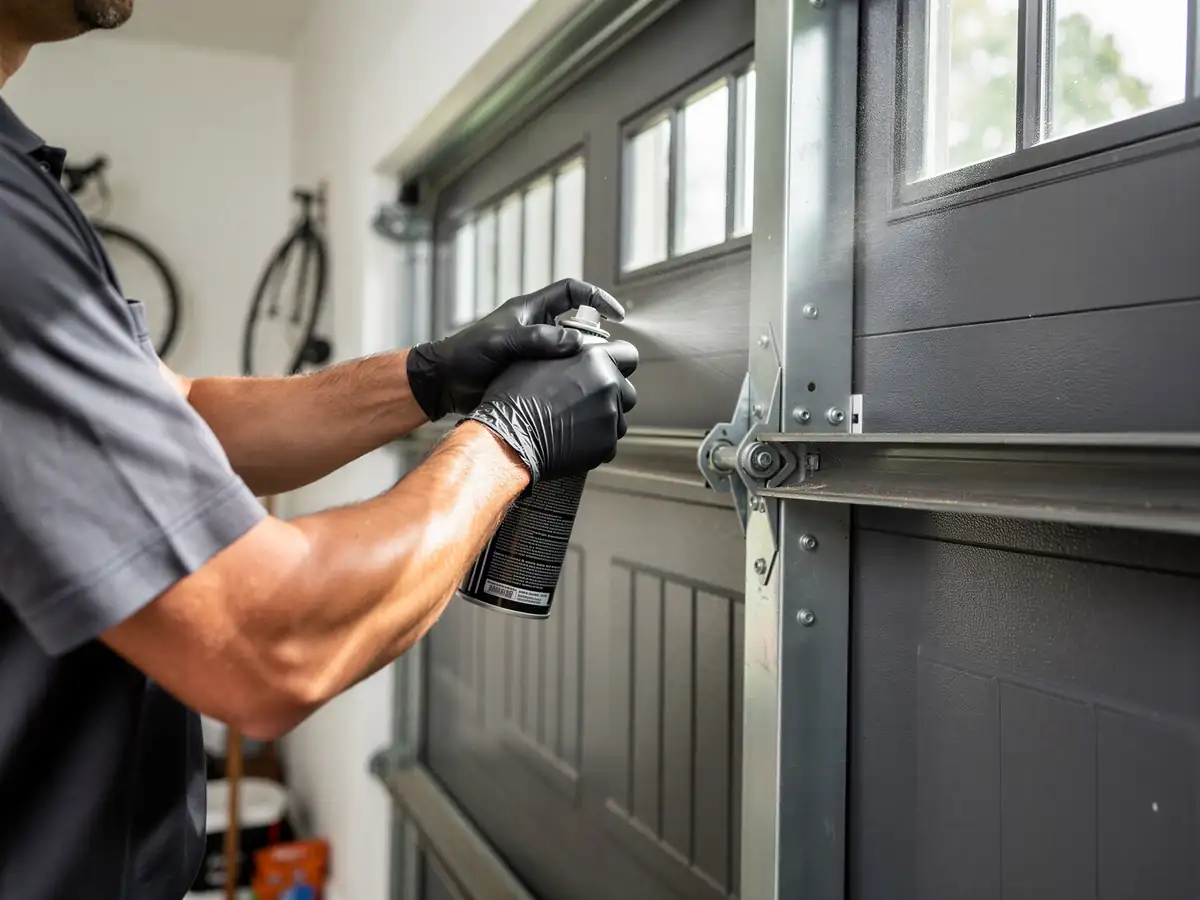
A roller job itself is mechanical, not electrical: we pull the door, work one hinge at a time, swap the roller and stem, check the track isn't bent where the old roller was dragging metal-on-metal, and run the door through a full cycle before we leave. If a track section is bent or the hinge is cracked, that gets flagged before we close it back up.
Parts We Carry
For a newer door on standard track, we carry sealed nylon rollers with ball bearings in the common stem lengths, which is what most Linda garages need. Nylon over steel is the right call here regardless of the door's age - steel rollers are louder and transfer more vibration into the track, and in a summer climate where the garage already runs hot, a quieter, lower-friction roller is worth the small difference in price.
We don't stock every stem length or every bracket style on the truck. If a door has a non-standard roller - something off a specialty or older import door - that part may need to be ordered, and we'll tell you that on the spot rather than force a part that doesn't fit.
Doing It Yourself
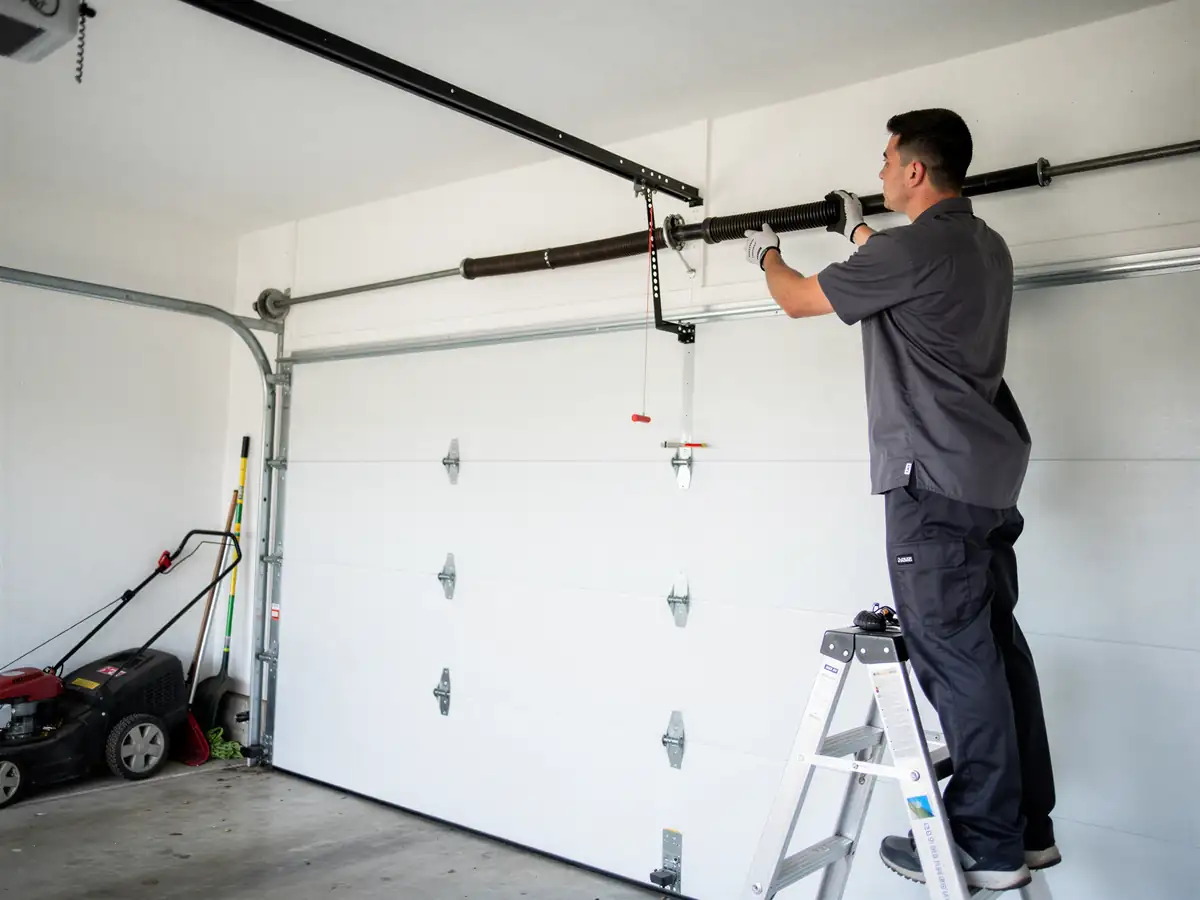
Rollers are one of the more reasonable DIY jobs on a garage door, with a caveat: do not touch the bottom roller or anything near the bottom bracket without releasing spring tension first, and do not attempt this on the hinge nearest a broken or suspect spring. If you've got a newer steel door on standard track and you're only swapping the middle rollers, it's a hand-tools job for someone comfortable on a ladder.
Where it goes wrong is the top roller and the first hinge - pull that wrong and the whole panel can drop out of the track. If you're not sure which roller you're looking at, or the door is sticking and dragging rather than just rattling, that's worth a call instead of a guess.