What the Repair Takes
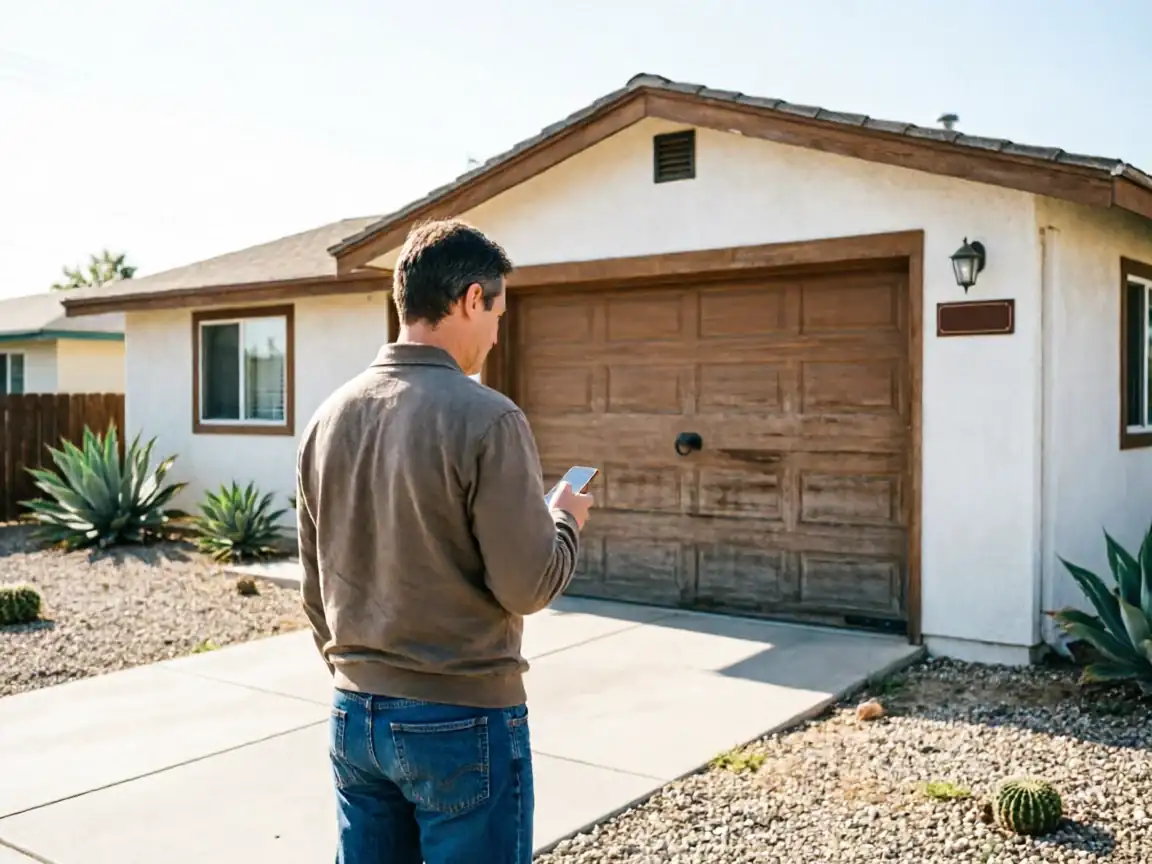
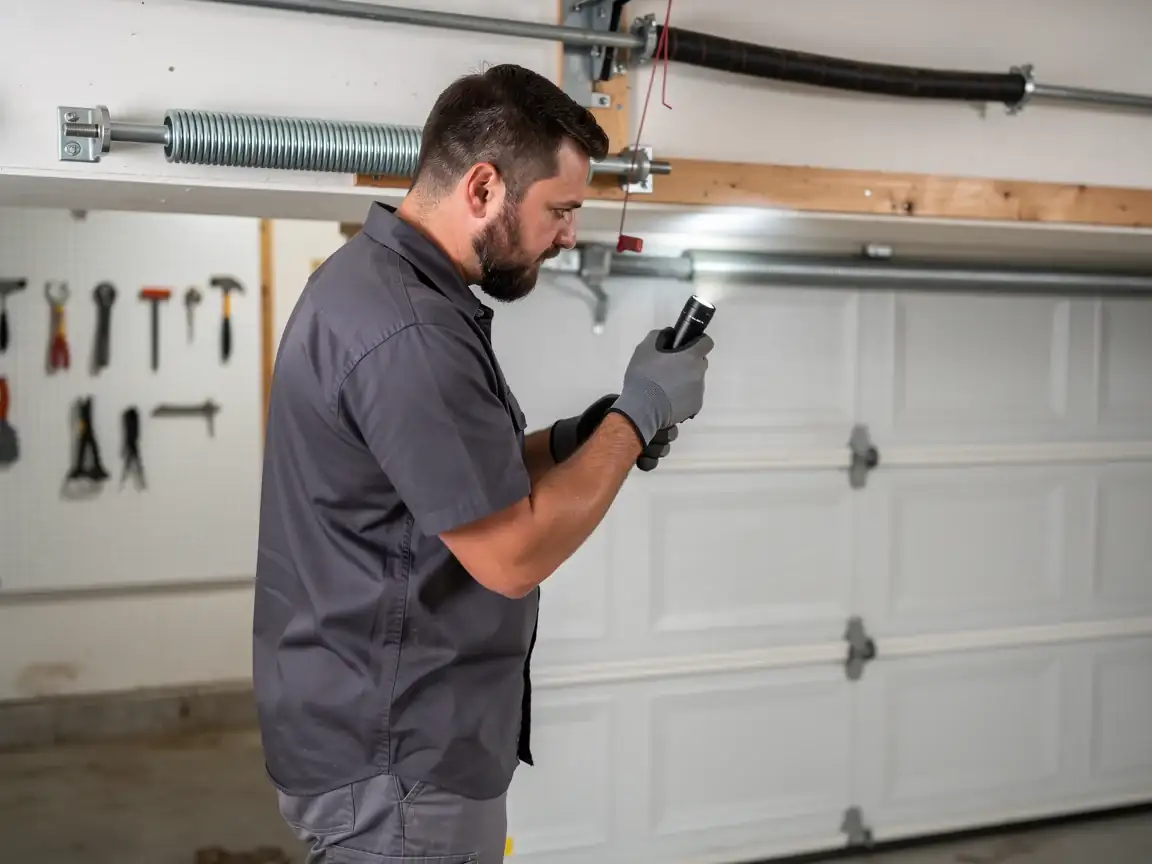
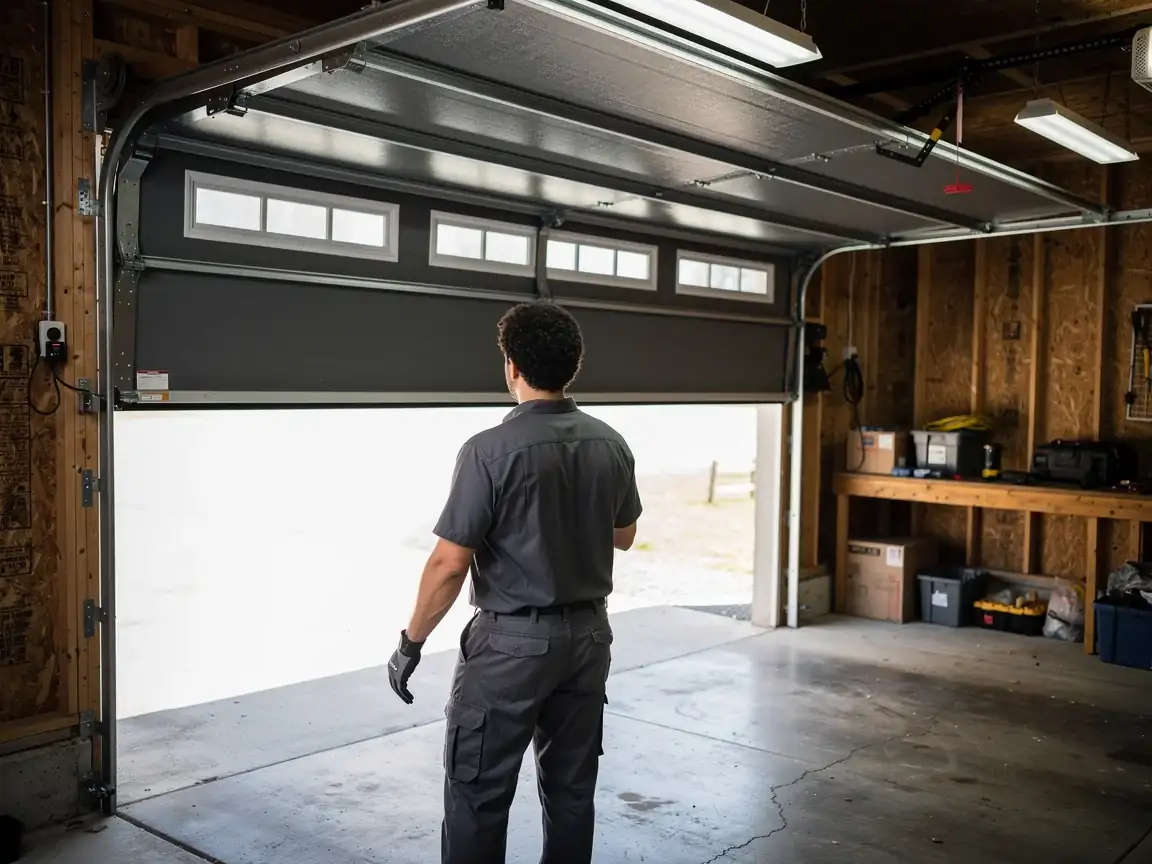
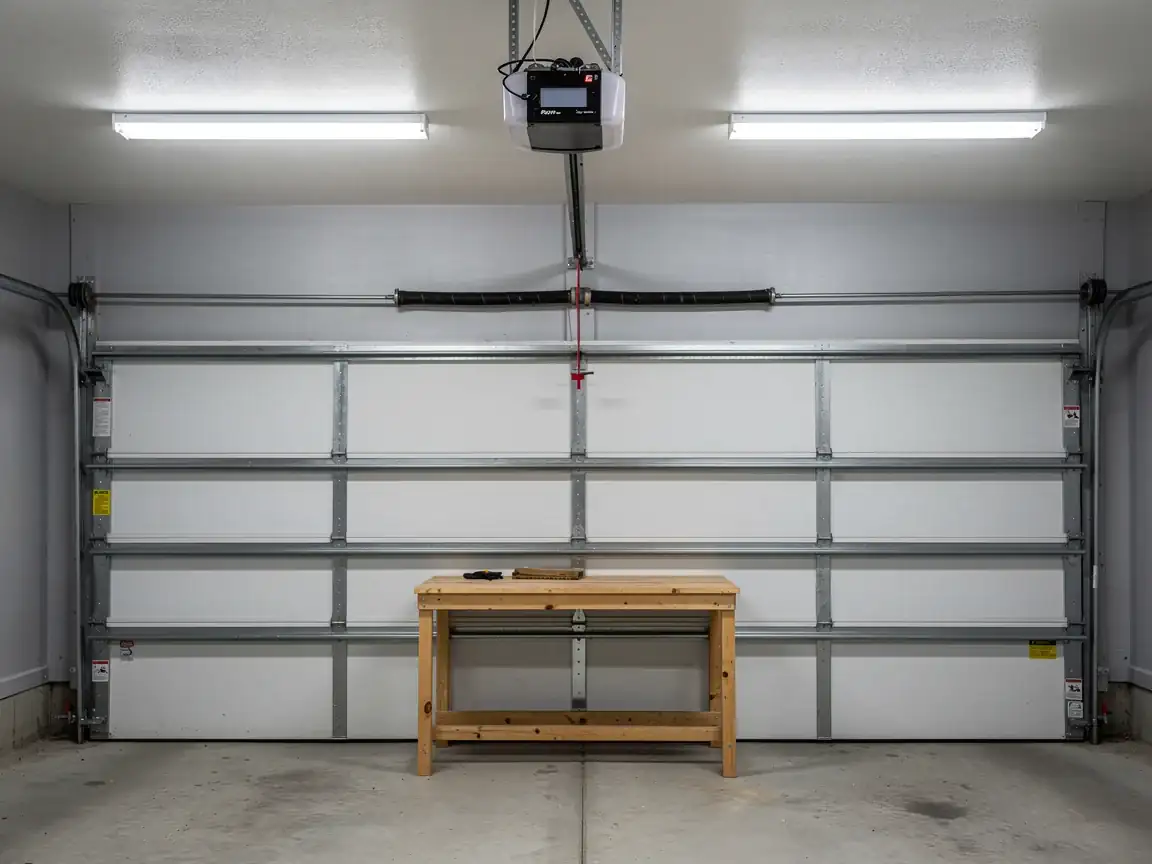
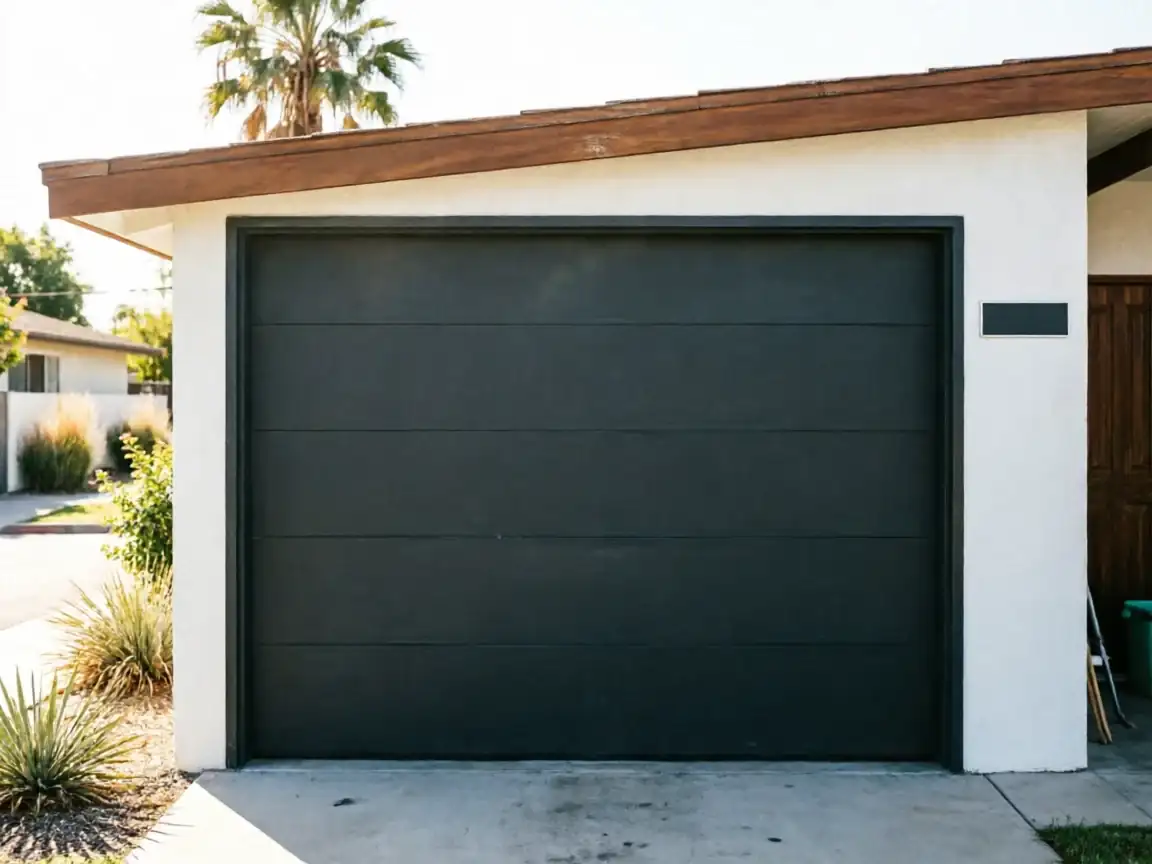
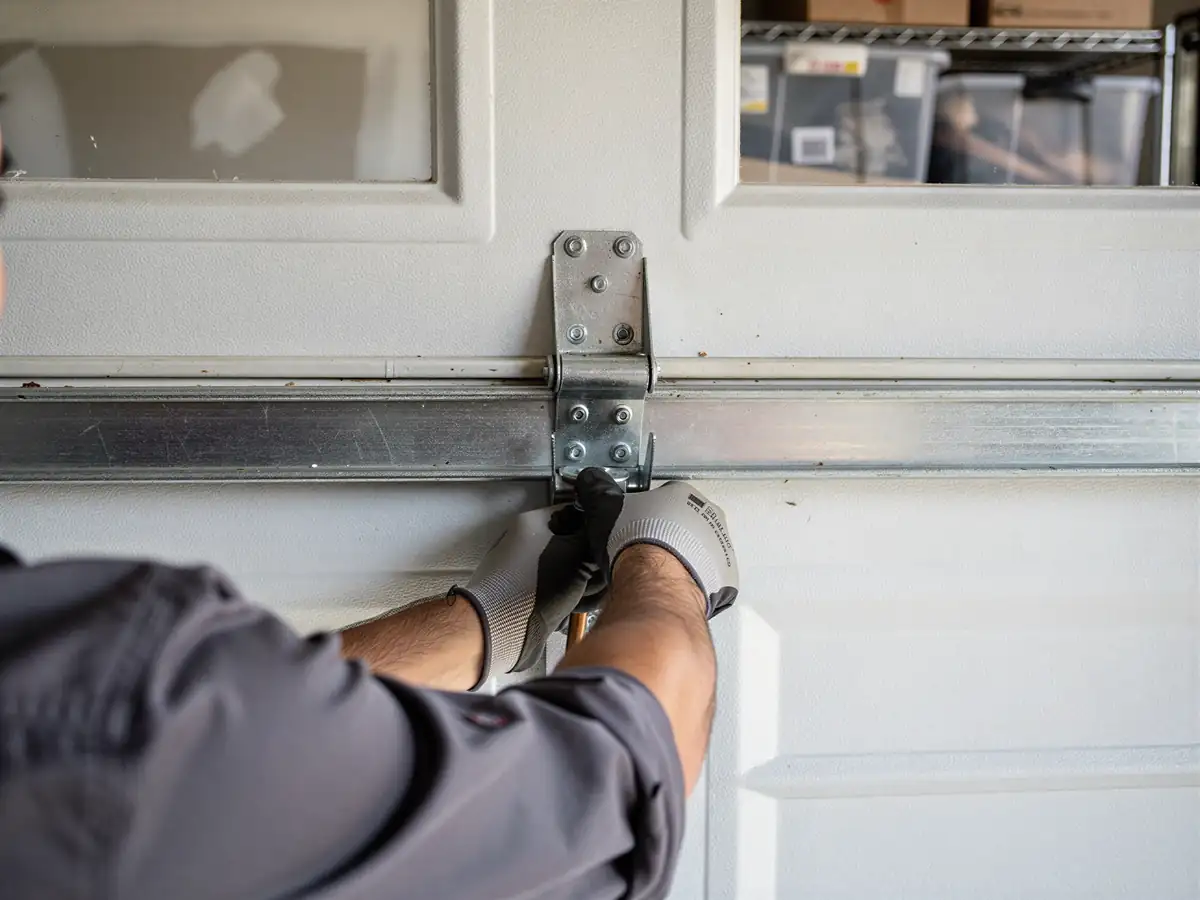
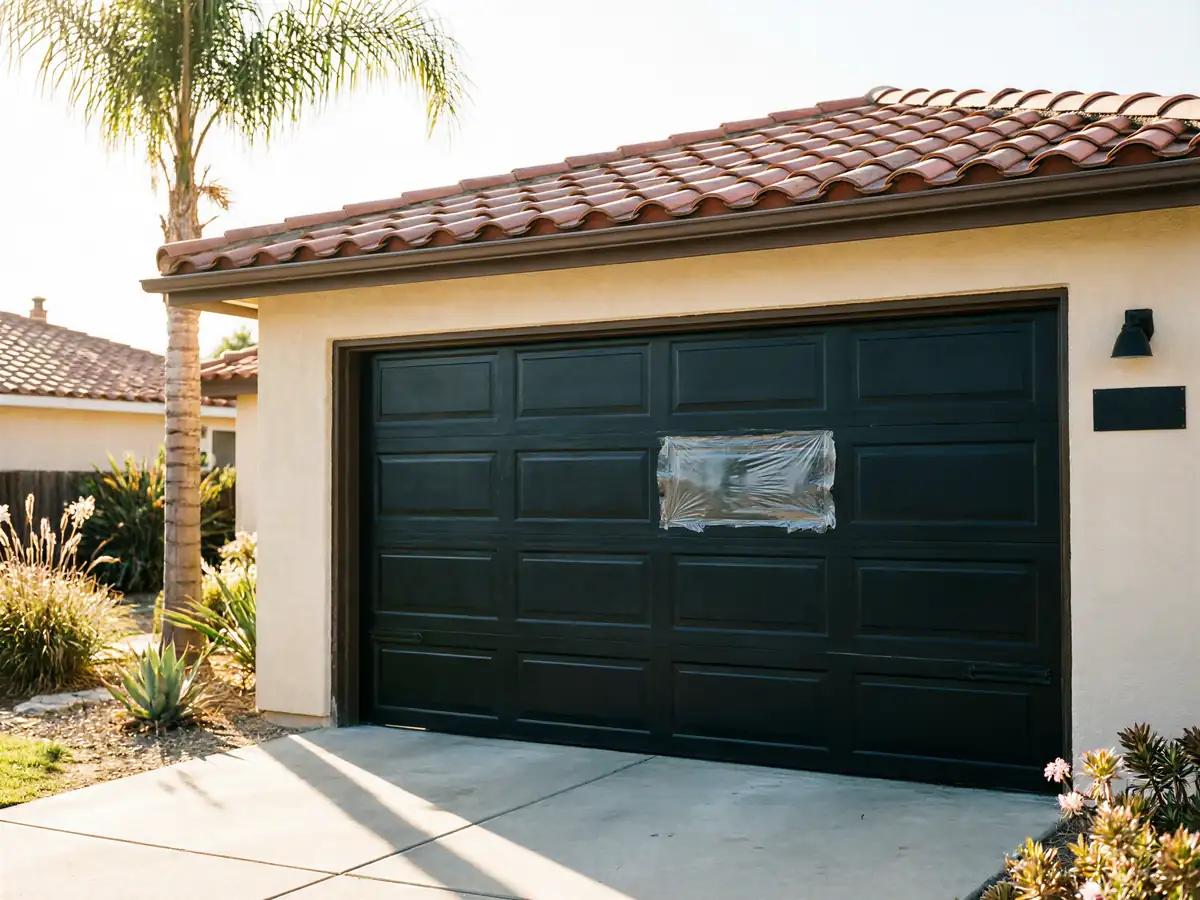
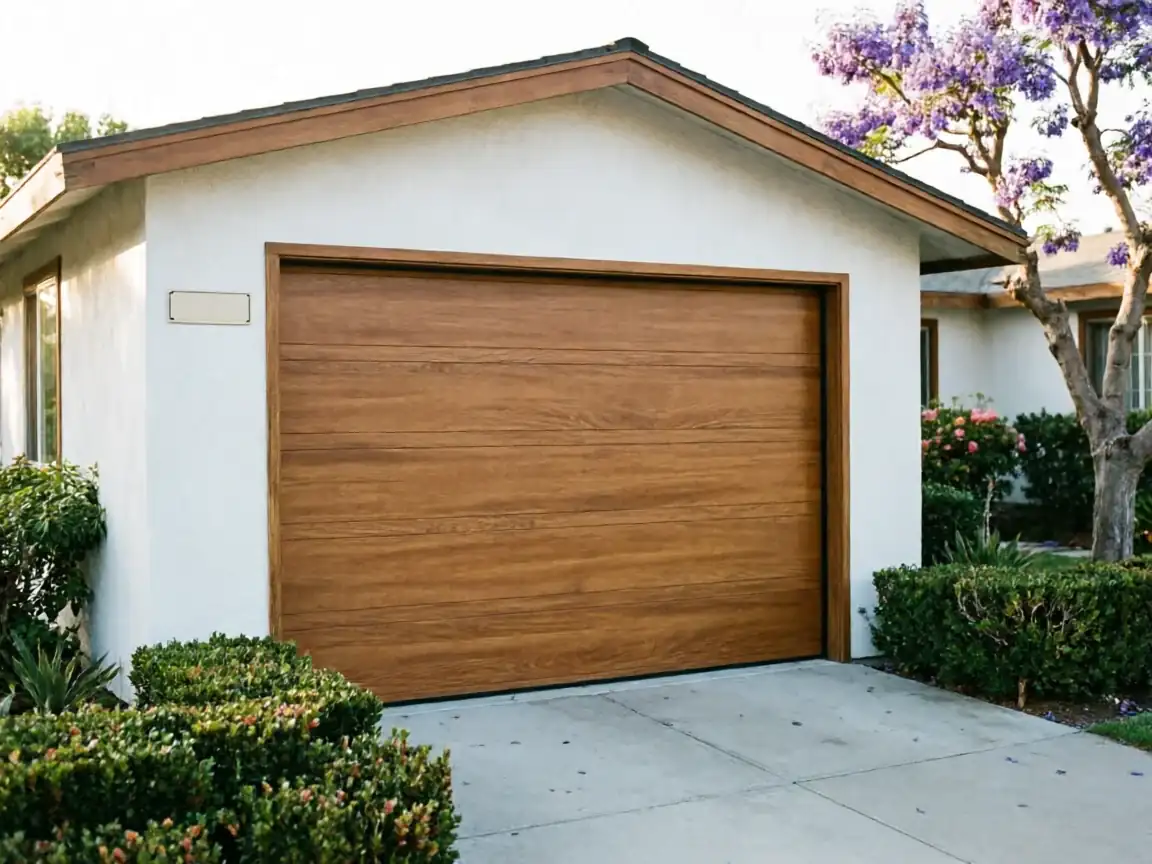
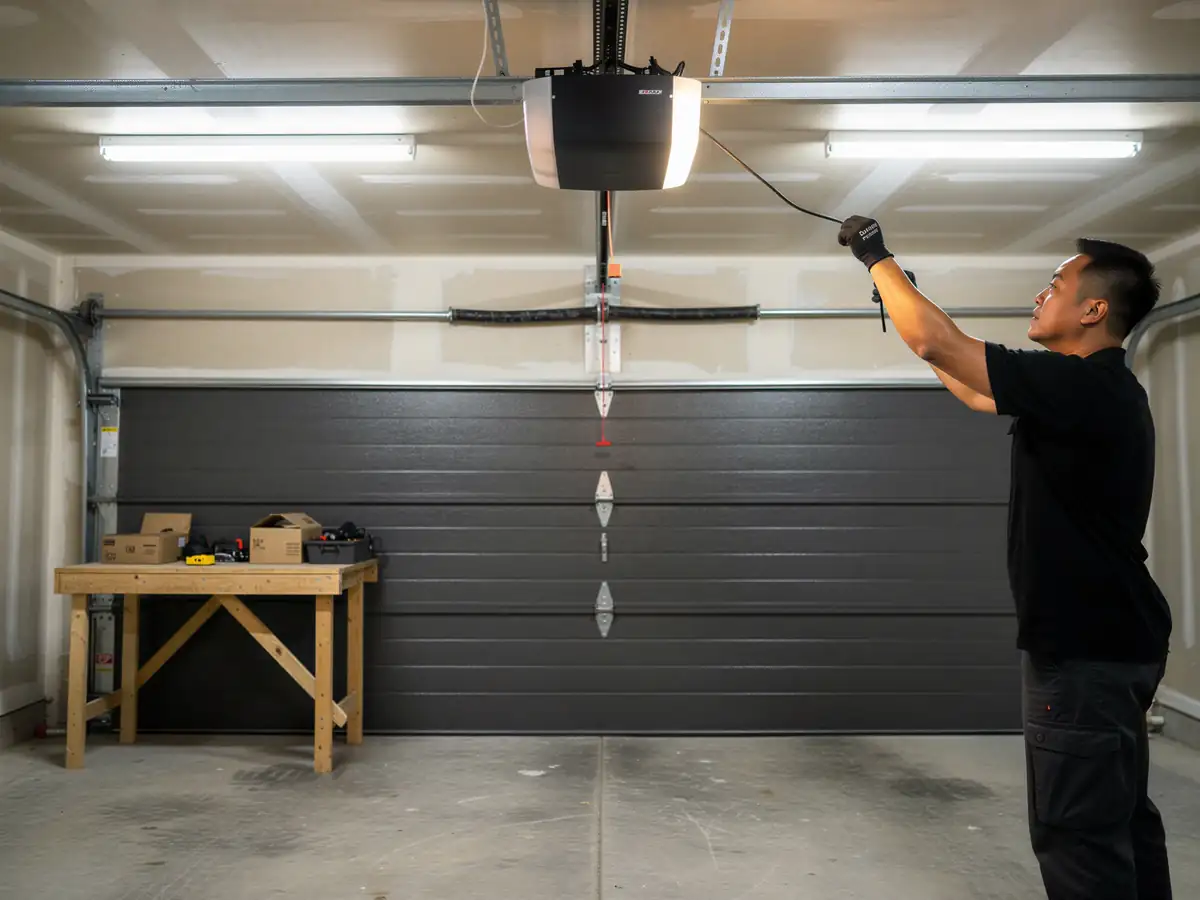
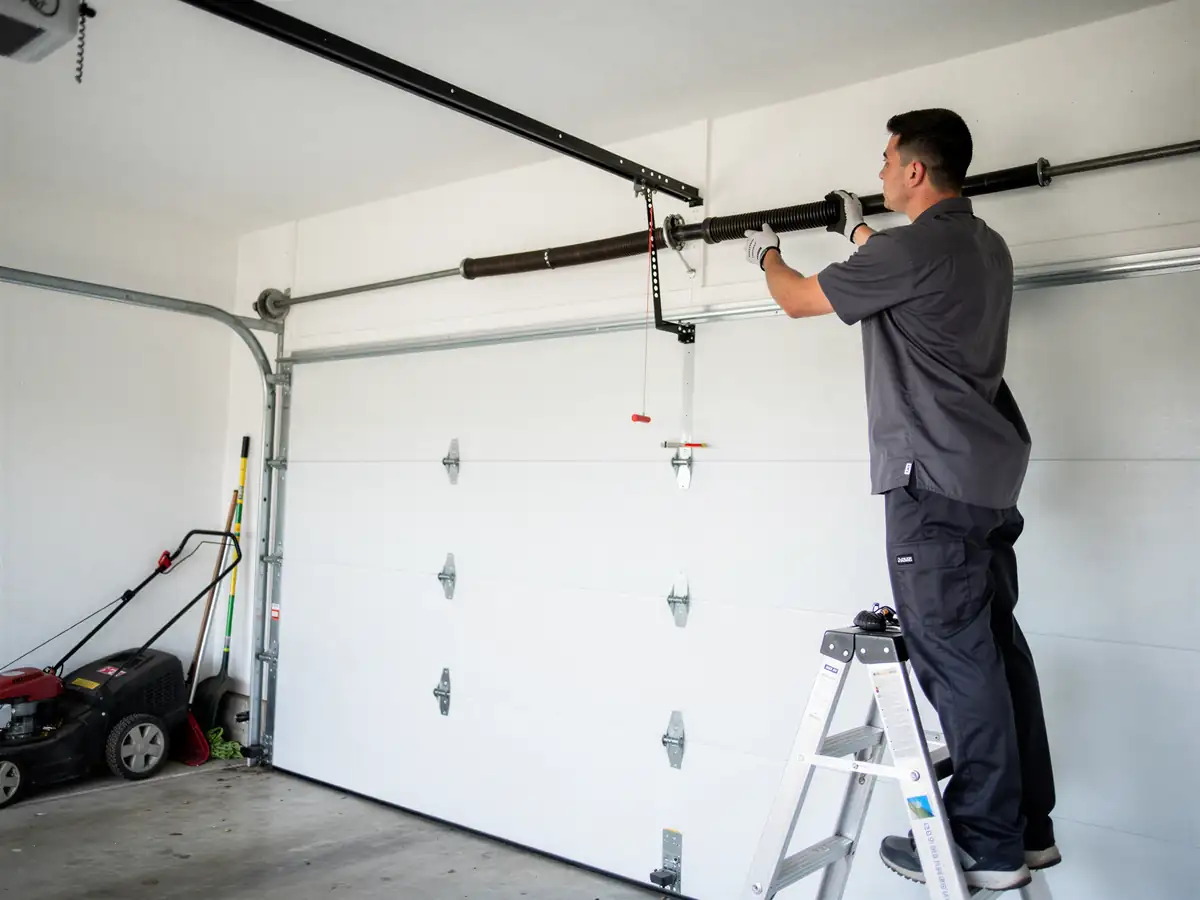
Linda is a town of about 7,158 households, which keeps the spring calls steady but not identical from one street to the next. The median home here was built around 1987, a good eight years newer than the broader Yuba City service area's 1979 median. That gap matters because 1987-era tract houses mostly shipped with torsion springs mounted on a center shaft above the door, not the older side-mount extension setups you still find on pre-1970s stock nearby. By the time we get the call, the spring has usually already let go - a sharp bang, the door stuck a few inches off the floor, or an opener straining and reversing itself. We check the cable drums and the torsion tube for wear before we touch the spring, because a worn drum or a bent shaft will chew through a brand-new spring just as fast as the old one failed. Most jobs run under two hours once we're on site, but we won't promise a time slot here that we can't keep - we're driving in from Yuba City, about 5 miles out, so we schedule the route before we commit a window.
Parts We Carry
Because so much of Linda's housing clusters in that late-1980s build window, we stock torsion springs sized for the standard 7-foot and 8-foot residential doors common to that era, plus the matching end bearings and cable drums. What we don't carry on the truck is anything for the handful of older extension-spring setups that show up on the odd pre-1980s house in town - those use a different cable routing and a pulley system that most garages stopped installing by the time the neighborhood mostly built out. If your door is one of those, we'll likely need to order the part, and we'll tell you that upfront rather than guess at a fix that won't hold.
Doing It Yourself
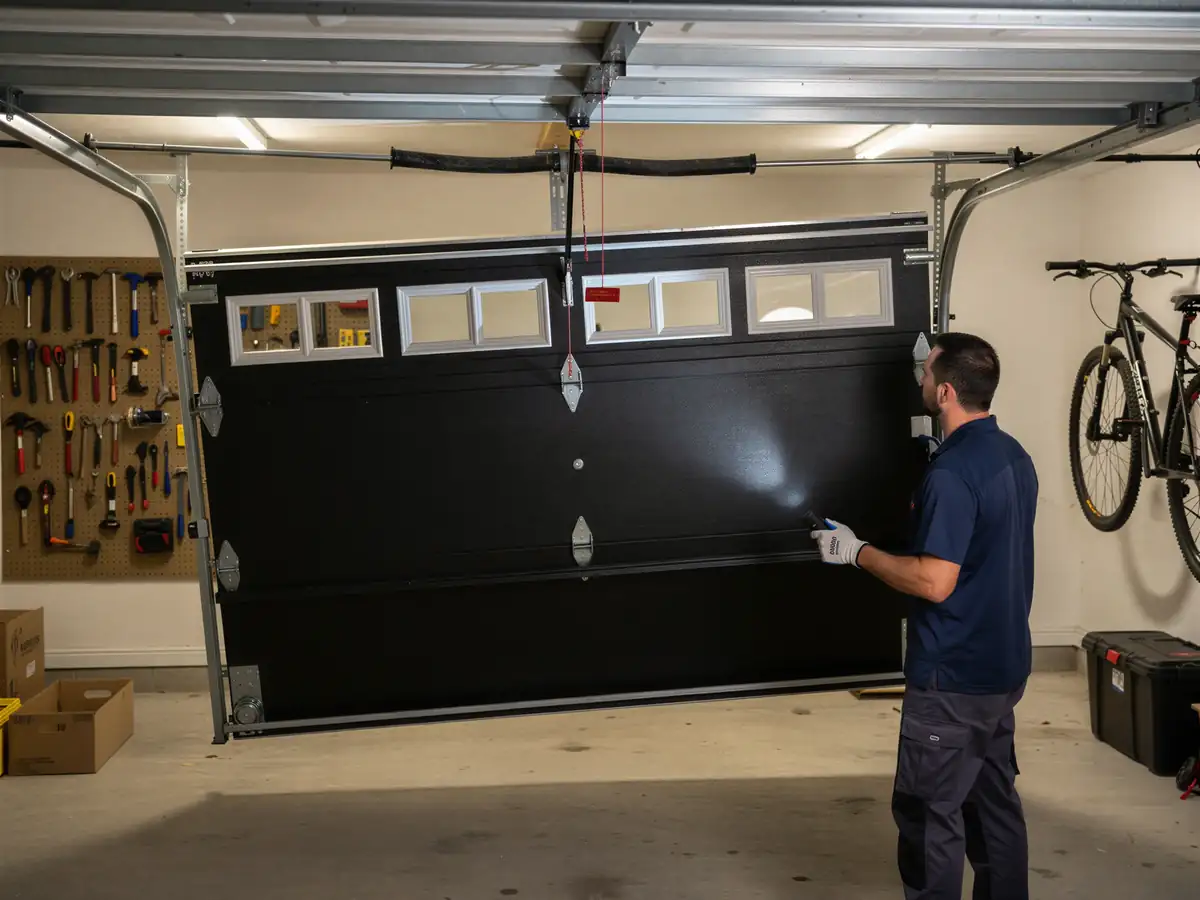
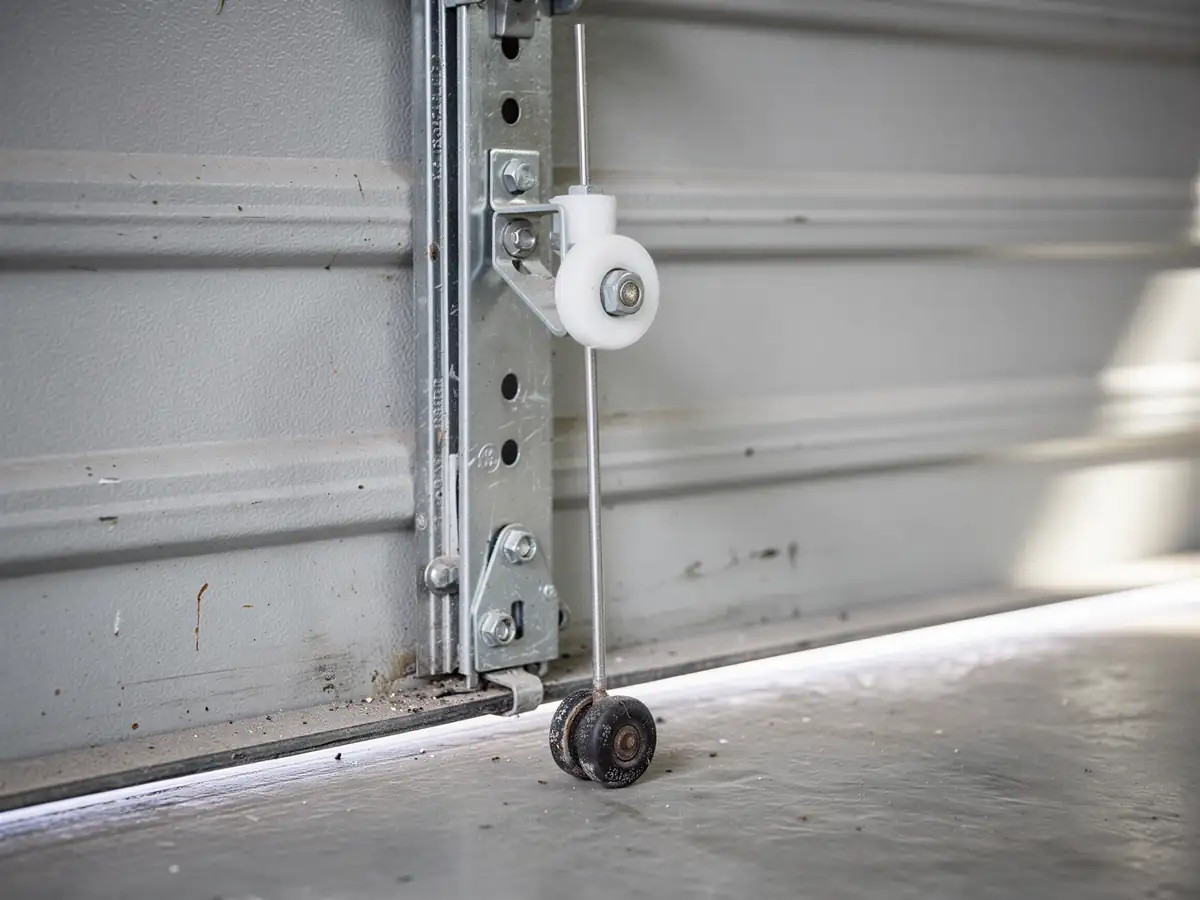
A garage door torsion spring is wound under enough tension to break a hand or worse if it slips while you're loosening the winding cone. We won't walk you through doing it yourself, and if you're searching for the steps, that's a sign to call instead. What you can safely check before calling: whether the door is binding on a track, whether the opener is straining (a sign the spring may already be gone), and whether cables look frayed near the bottom bracket. None of that requires touching the spring itself, and it saves us a diagnostic step when we arrive.