Parts We Carry
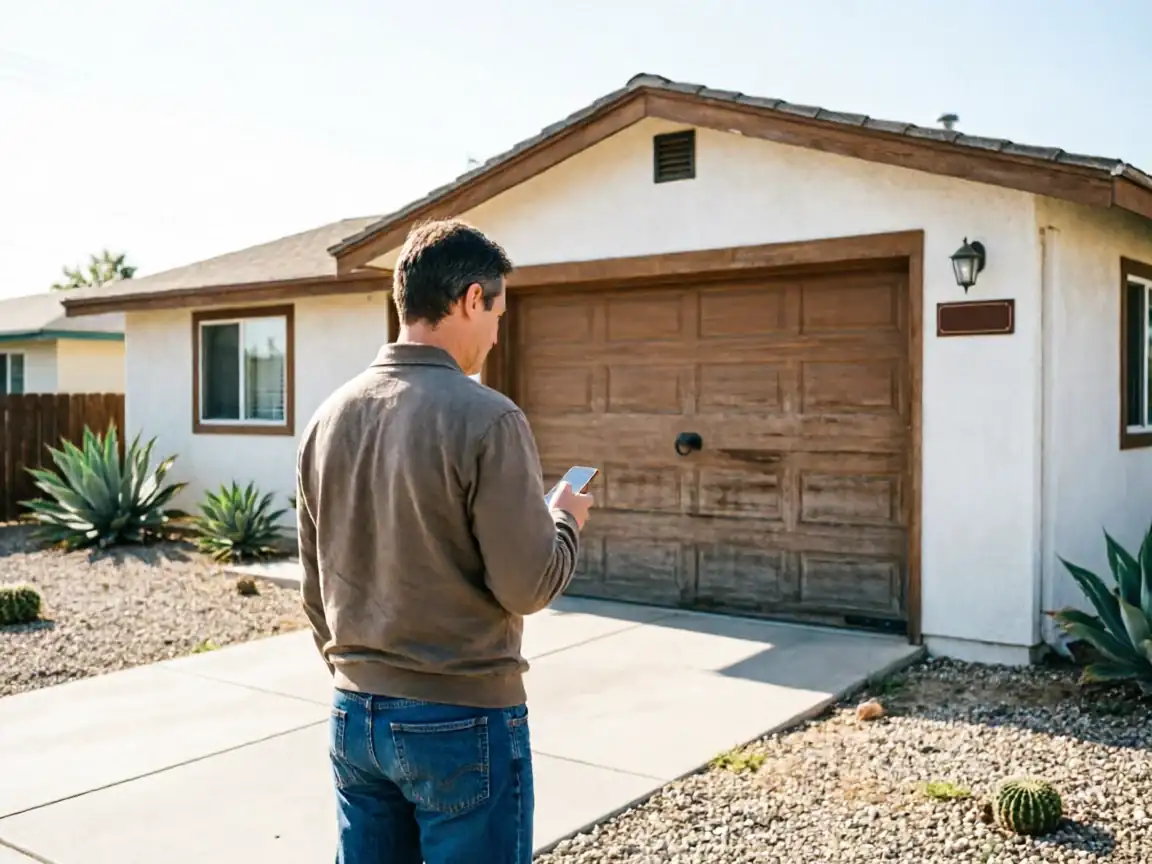
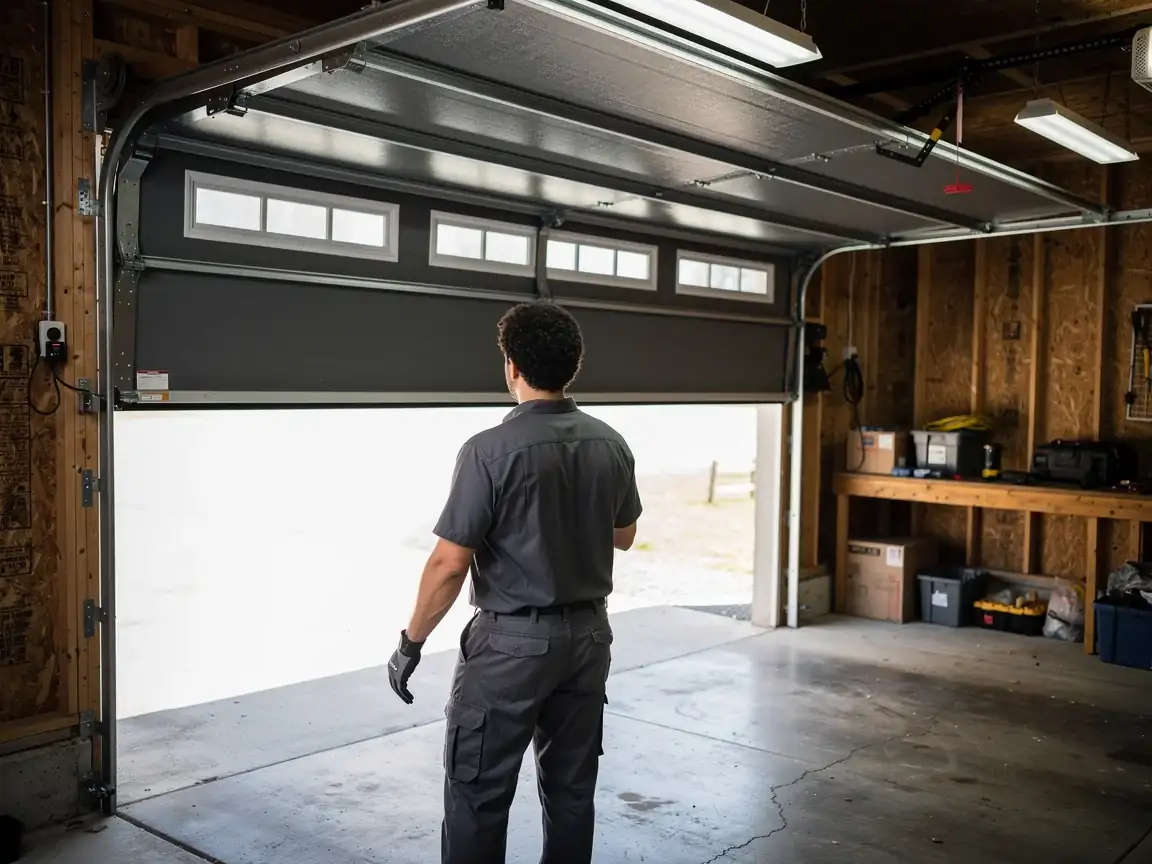
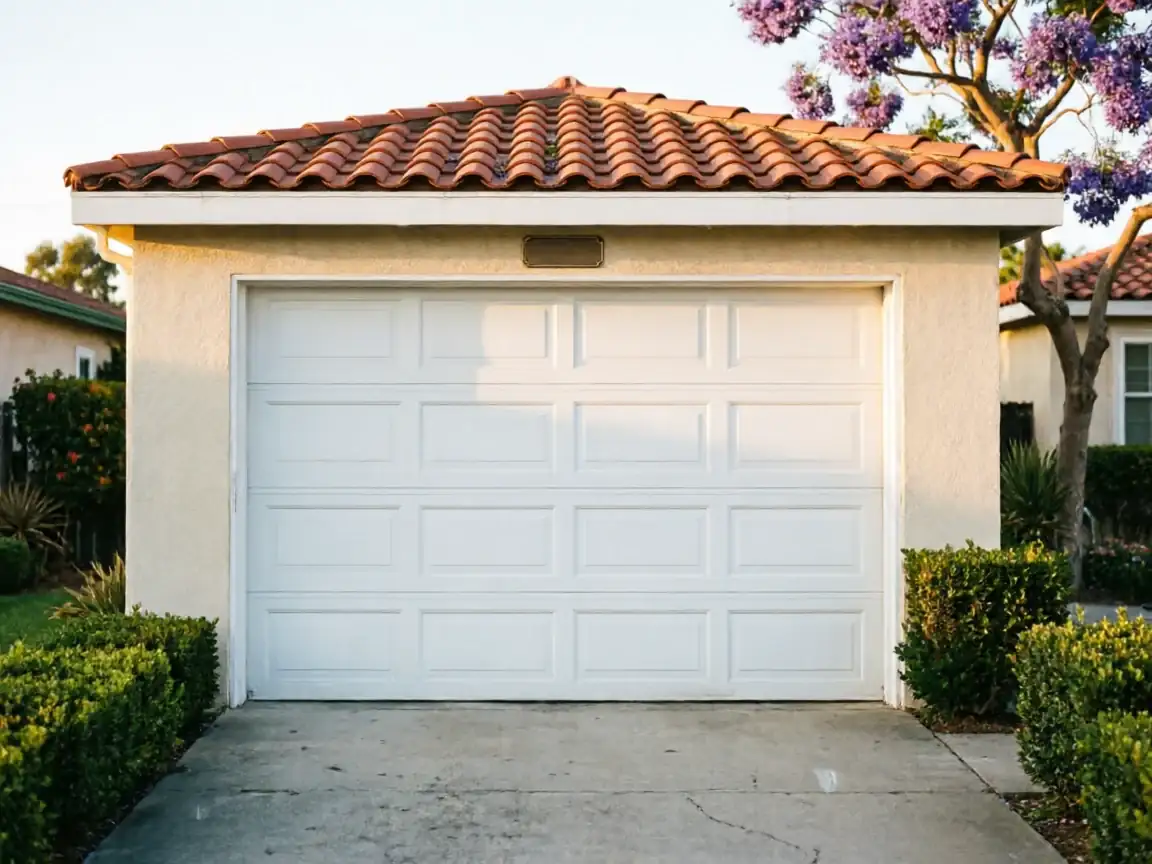
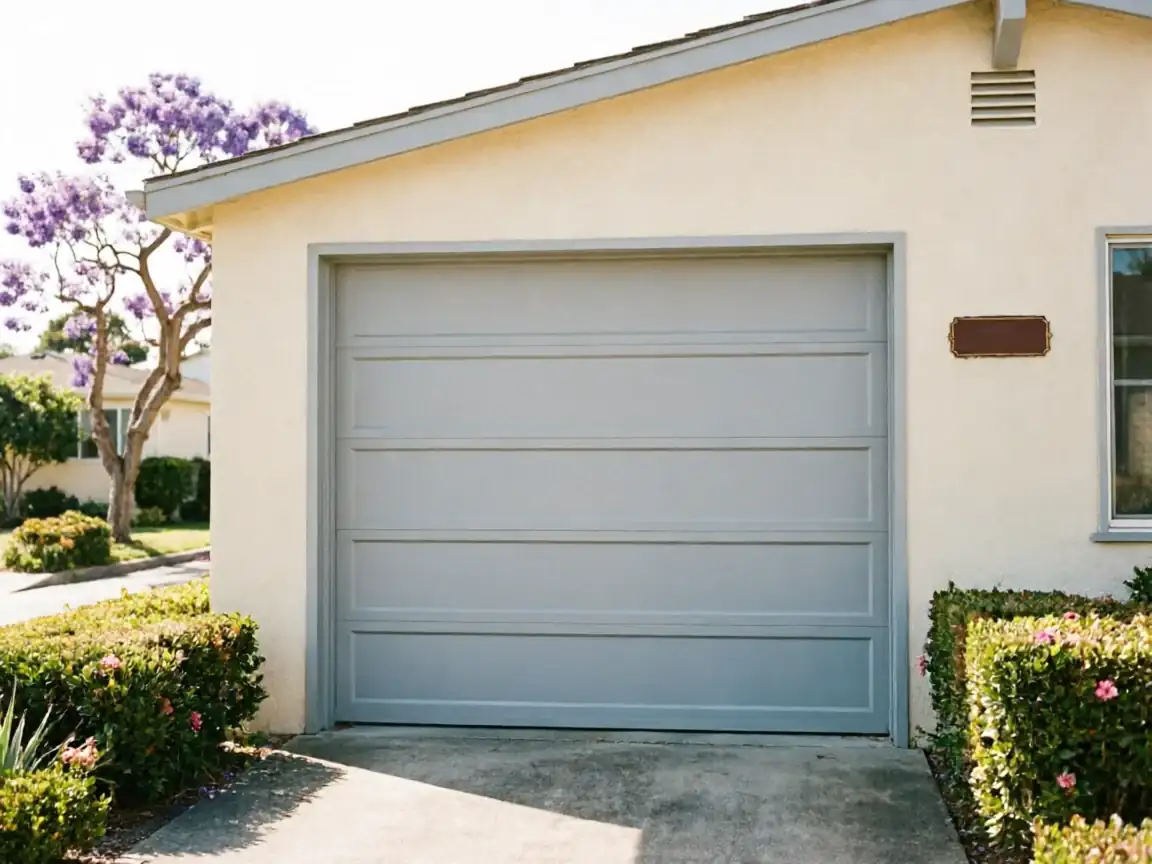
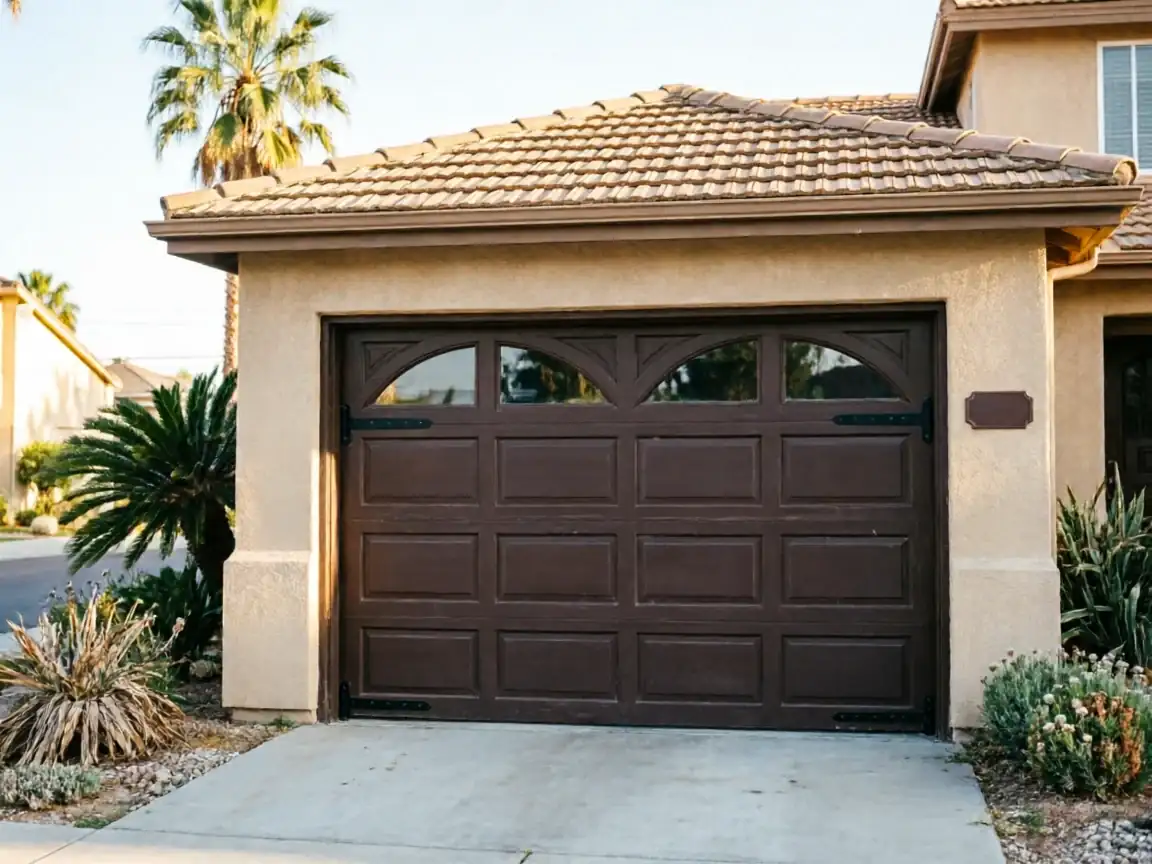
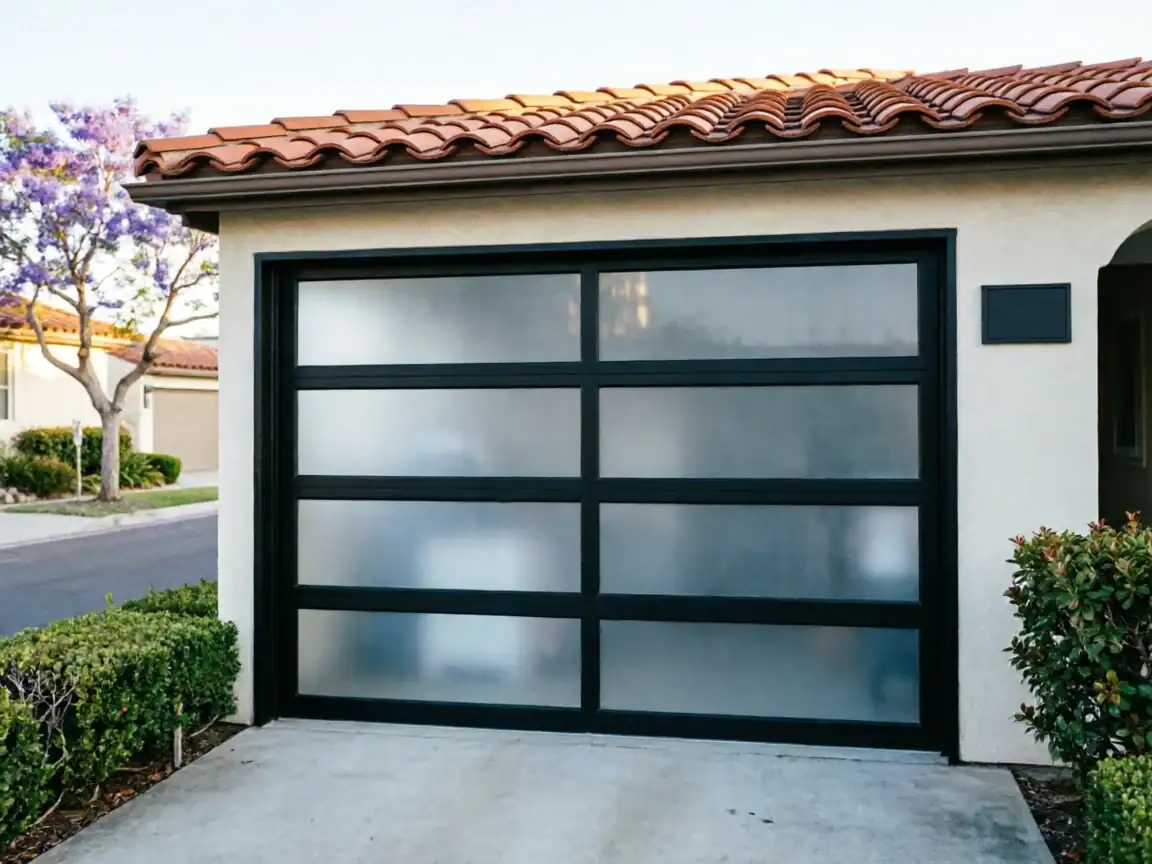
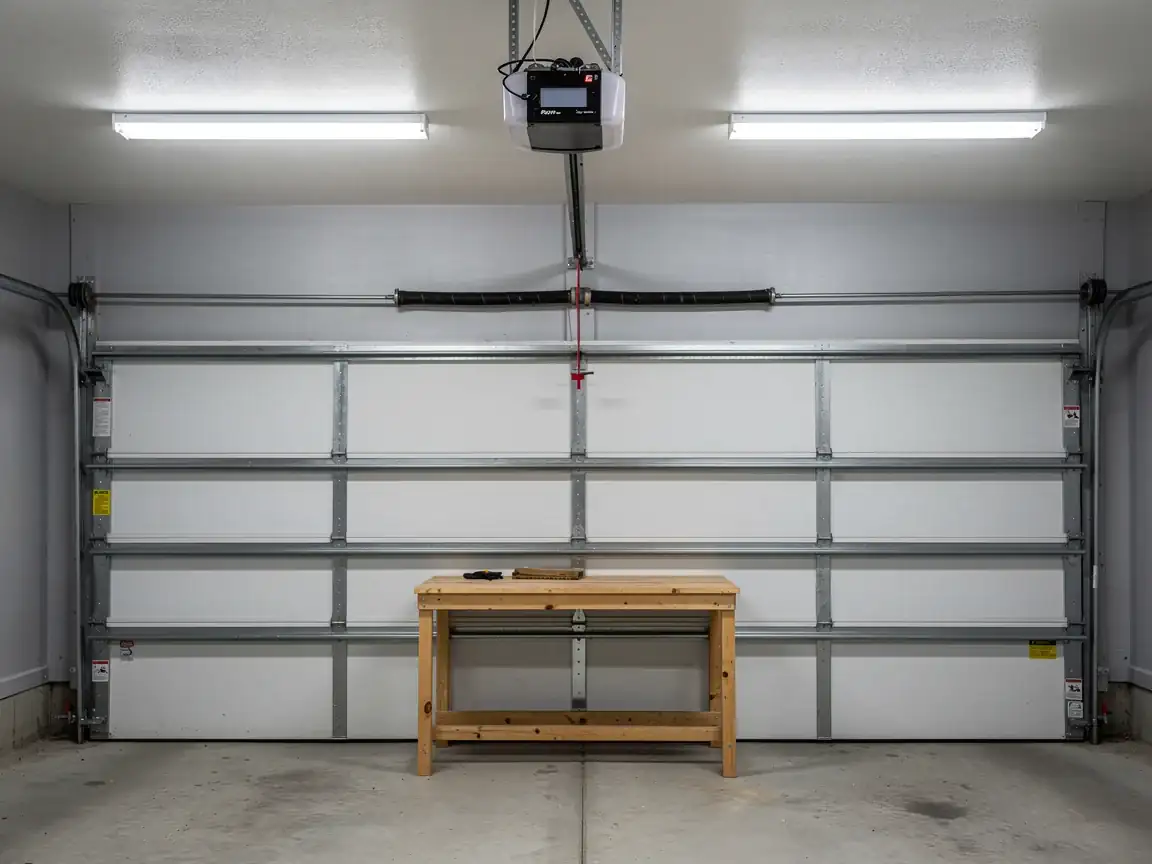
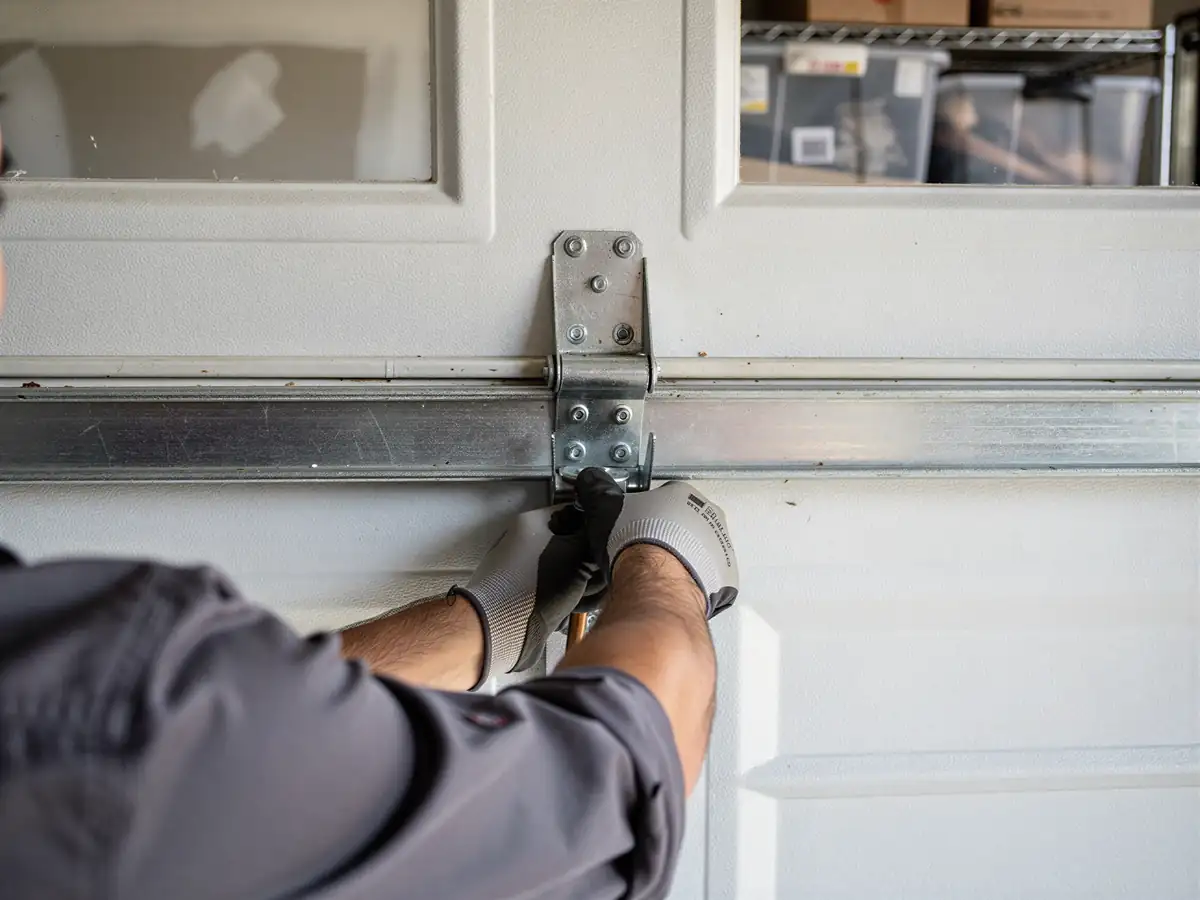
Most of the garage doors we open up in Marysville are steel sectional panels, the kind that went up when the neighborhood's median home was built around 1969. That means 16-gauge or 18-gauge steel, usually non-insulated, hung on galvanized track with a single torsion spring sized for a lighter door than what's common today. We carry replacement torsion springs sized to that era's openings, steel hinges, 2-inch and 3-inch rollers, and the flag brackets that hold the bottom bracket in place on these older tracks. What we don't always have on the truck is a matching panel for a specific color or wood-grain finish that stopped being made years ago - if a single panel's dented, we'll tell you straight whether patching it or replacing the whole door section makes more sense once we're looking at it.
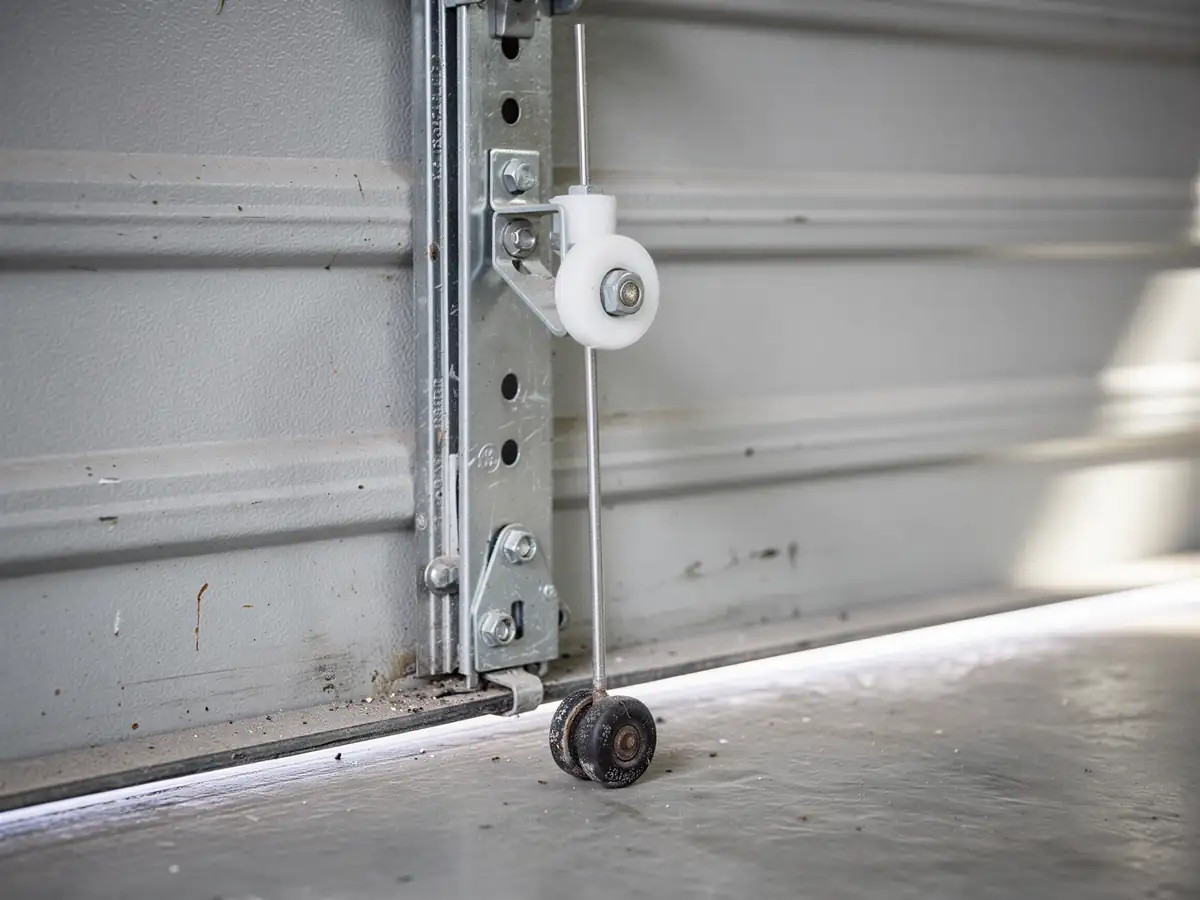
We stock lift cables in the lengths these doors actually use, not just a universal length that forces an awkward wrap on the drum. Nylon rollers are the upgrade most owners ask for once they hear the steel ones grinding - quieter, and they don't need the grease that steel rollers do. None of this is exotic; it's just matched to what's actually hanging in Marysville driveways rather than whatever's newest on the shelf.
What the Repair Takes
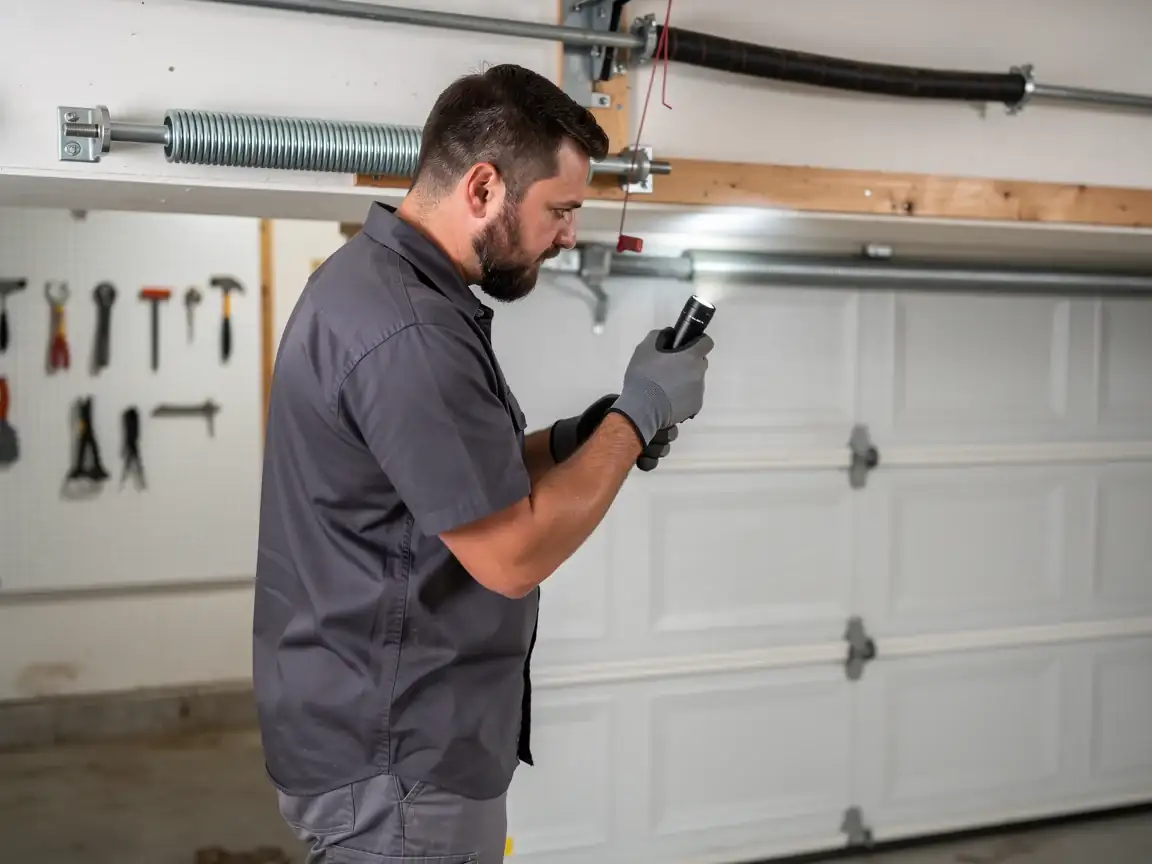
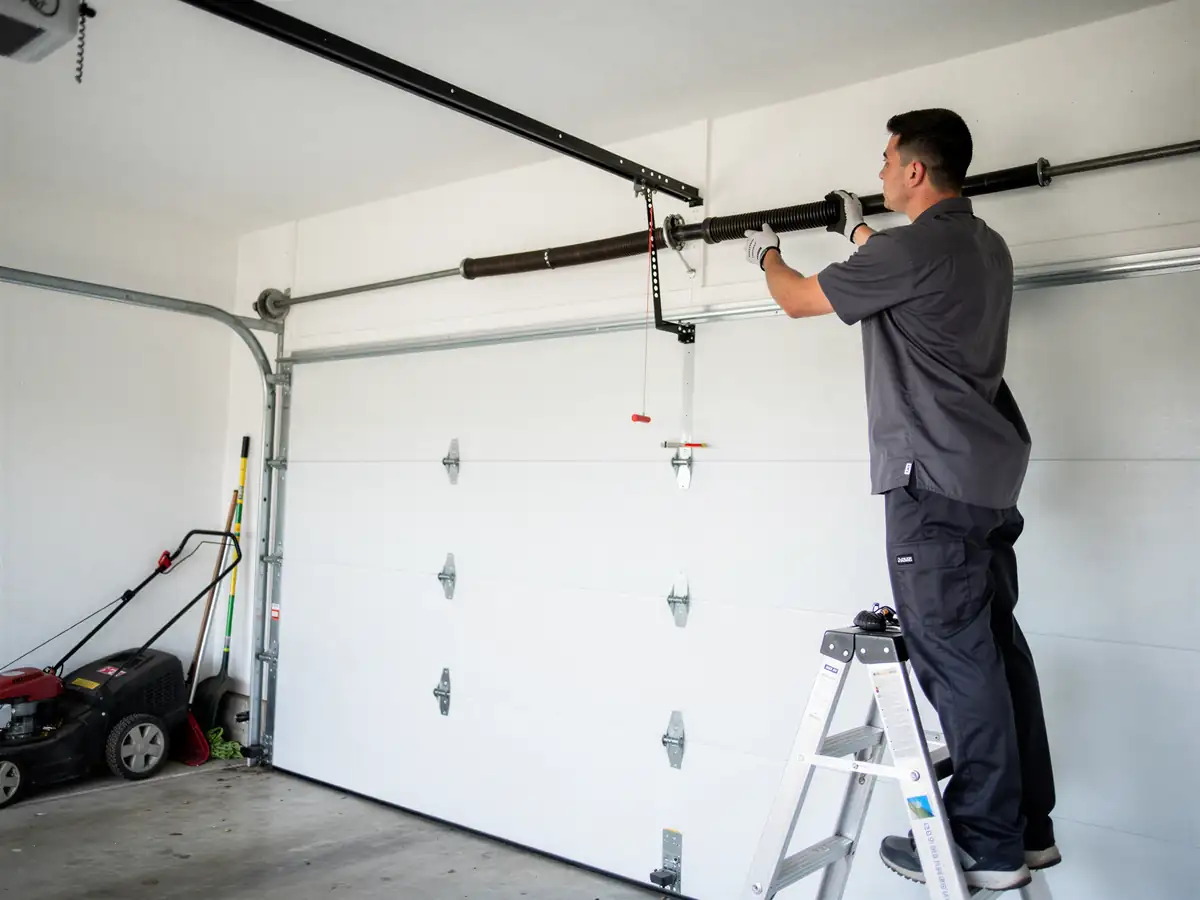
A broken torsion spring on a single door built to this era's specs is usually a same-visit fix once we're on site - the spring size and the drum setup on these older sectional doors are consistent enough that we're not guessing. What takes longer is anything involving the track itself. Houses from this period often have the track bolted to wood jamb framing rather than a steel frame, and forty-plus years of settling means the alignment is rarely square anymore. Re-leveling that track, not just swapping the broken part, is what actually stops the door from binding again in six months.
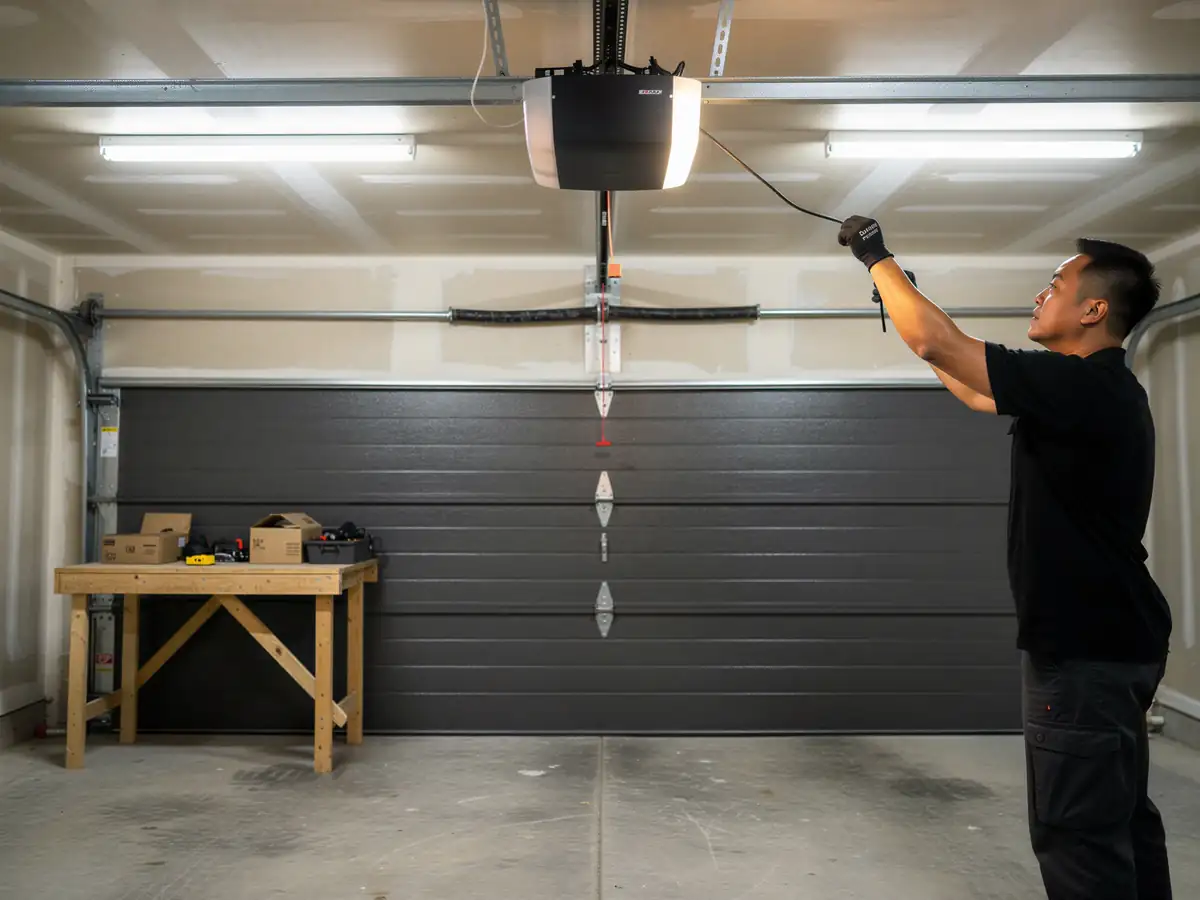
Opener repairs run a different timeline. If the chain-drive unit on the door is original or close to it, parts for that specific motor may not exist anymore, and replacement is the honest answer rather than repair. We'll say that upfront rather than bill for a part that won't hold. Cable and roller jobs are quick - usually under an hour once we've got the door up and the spring tension released safely. The one thing that's never quick is guessing at tension without the right bar; that's not a step we skip, and it's not one a homeowner should either.
What Causes It Around Here
Marysville sits in a climate band the federal data marks as severe heat
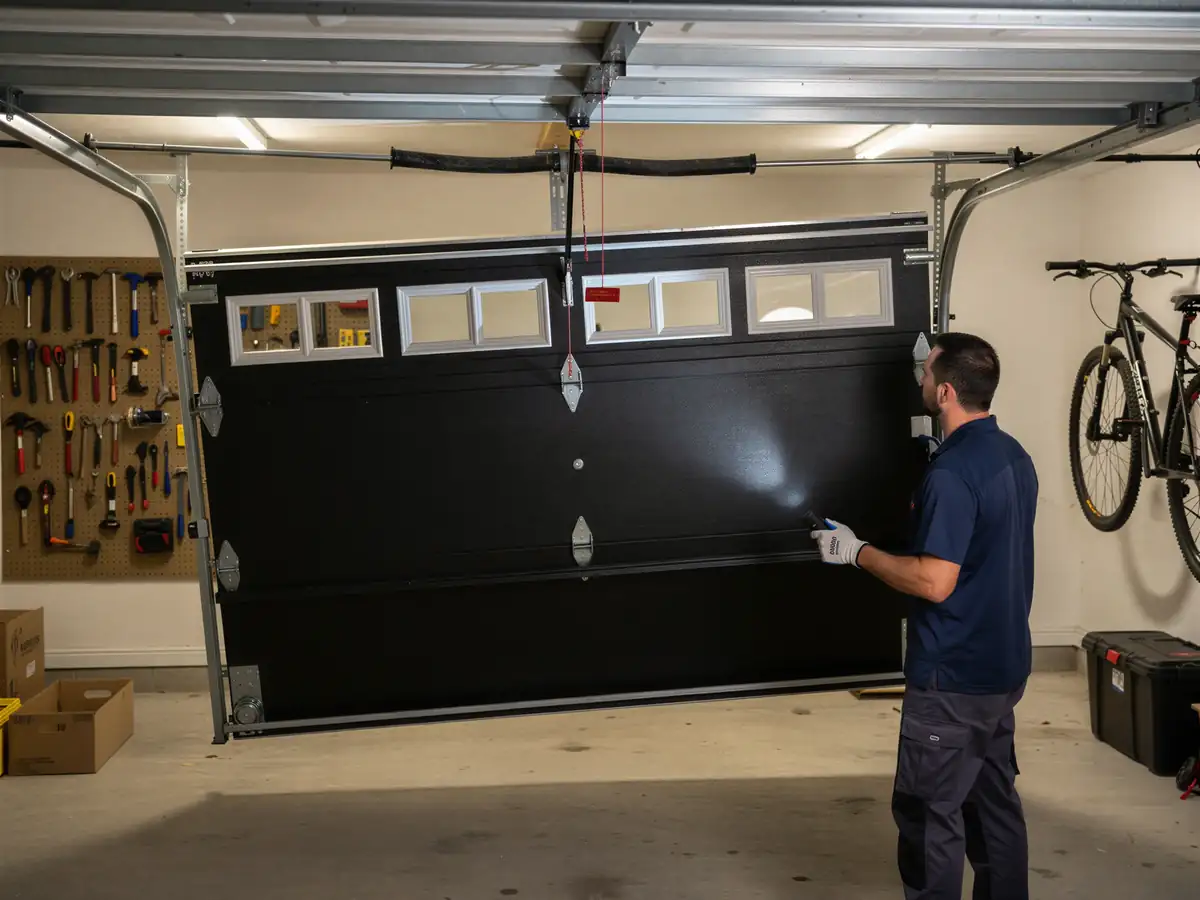
And steel doors built in the late 1960s weren't made with much allowance for that kind of expansion and contraction over decades. Track brackets loosen as the wood framing behind them dries and shifts season to season, and springs that have cycled through forty-plus summers lose tension faster than the specs on the coil would suggest. We see more cracked bottom panels here than you'd expect for the door's age, and it usually traces back to a door that's been fighting a slightly bent track for years rather than one bad slam.
Income and household size matter less to the fault than the housing stock does
The area's median household income runs lower than the wider service area's figure, and in practice that means more owners asking us to repair a working-but-old door rather than replace it outright - which is a reasonable call on a door that's structurally sound, less so on one where the track and spring have both gone past what's worth patching.
Doing It Yourself
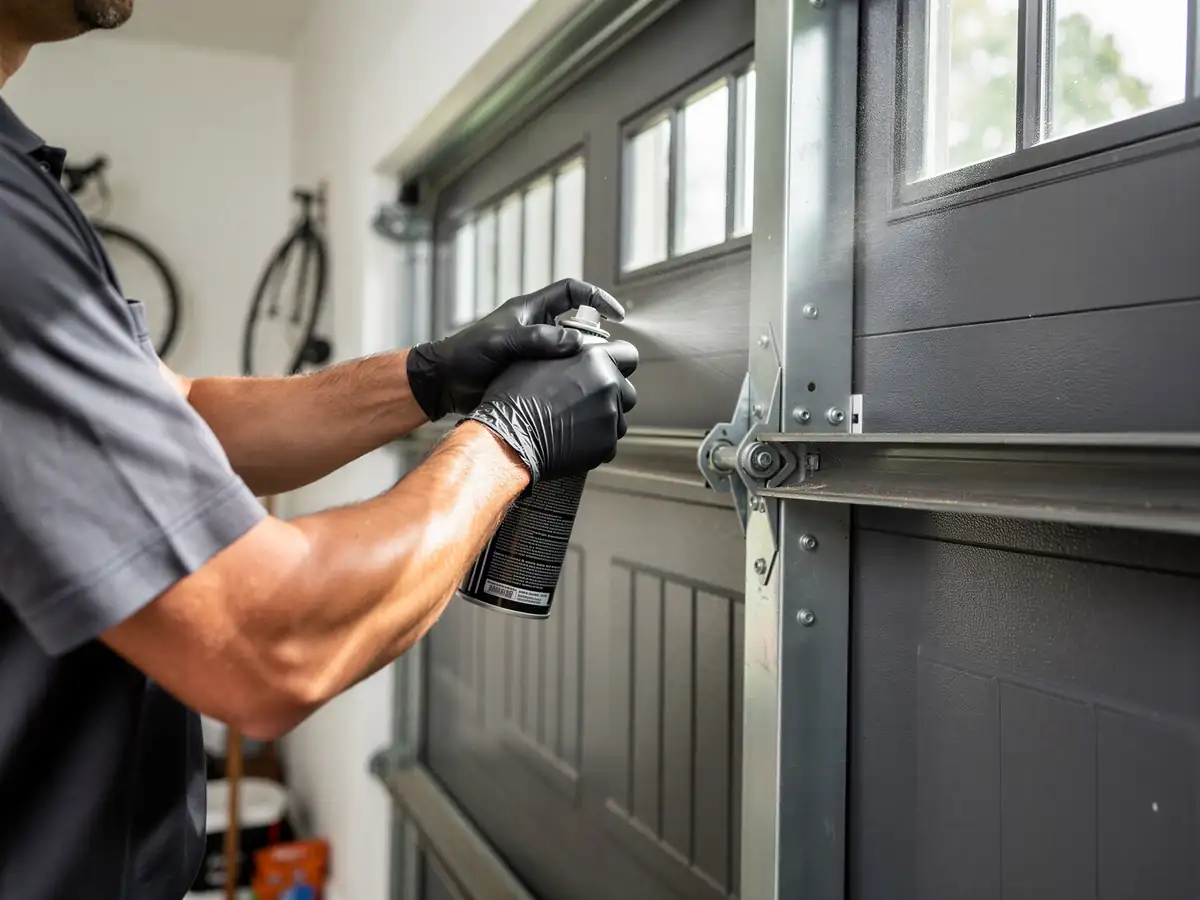
Tightening loose lag bolts on the track brackets and lubricating hinges and rollers is fair work for an owner to do on one of these older doors - it's low risk and it's the single best thing you can do between service visits. Replacing a torsion spring is not something to do yourself; the spring on even a single-car door built to 1960s specs is wound under enough tension to break bones if it slips off a winding bar, and we say that plainly because it's true, not to sell a visit.
If the door won't open and the opener motor is humming but the door isn't moving, check the manual release cord isn't stuck in the disengaged position before calling anyone - that's a five-second fix we see mistaken for a motor failure more often than you'd think. Beyond that, if a cable's frayed or a panel's cracked, it's a call, not a project. We're four miles out in Yuba City, so getting someone out isn't a long wait, but there's no reason to wait on a frayed cable regardless of who's coming.