Parts We Carry
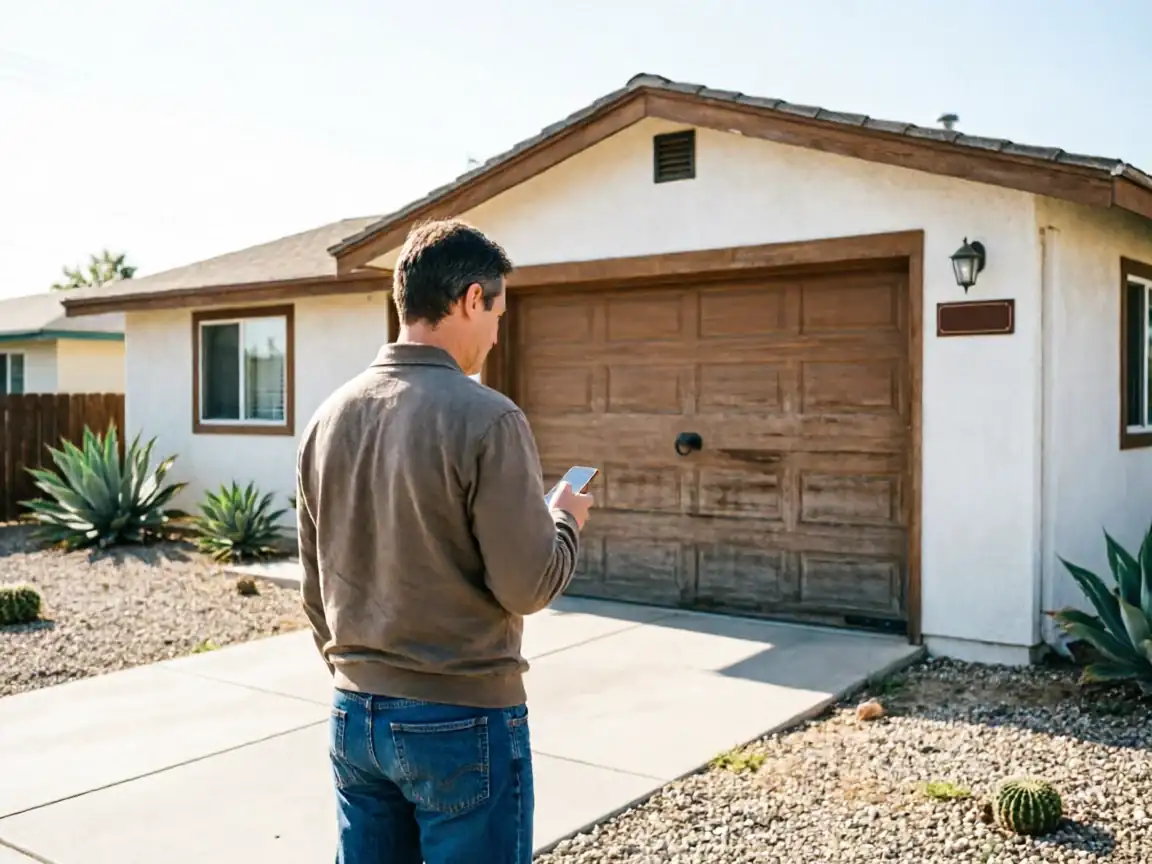
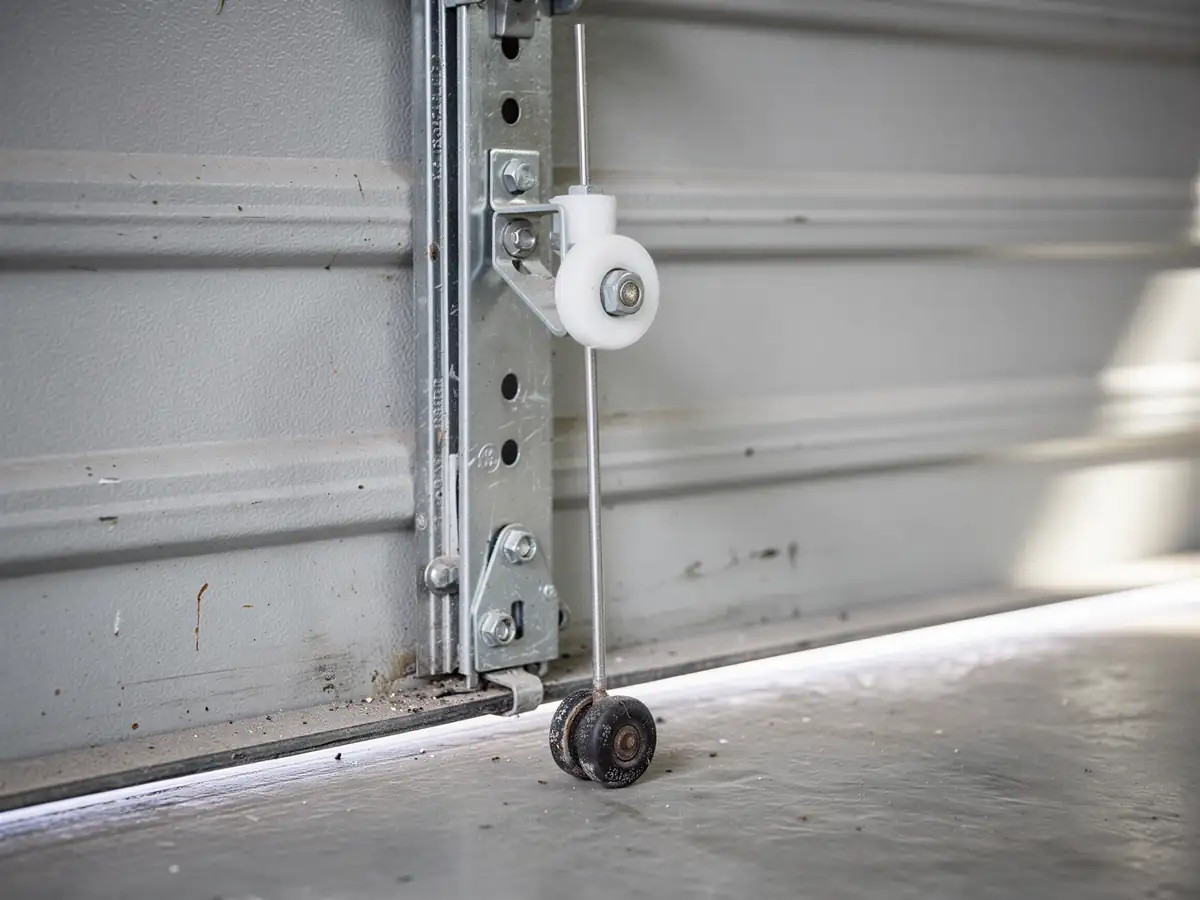
Marysville's housing stock, per the service area's housing data, centers on 1969 construction, which means the original hardware in a lot of these garages is still the builder-grade 10-ball steel roller running in steel track - no nylon, no sealed bearing, just raw steel riding raw steel. When one of those wears out, you've got two honest paths: match it with another steel roller, which is cheap and fast but noisy and short-lived, or step up to a sealed-bearing nylon roller that runs quieter and lasts years longer under the same door weight. We carry both. Given that median household income in this part of the service area runs lower than other towns we cover, a lot of homeowners here ask for the steel match first and upgrade later, one roller at a time instead of all ten at once. That's a reasonable way to do it - rollers don't have to be replaced as a set, only the ones that are actually worn or cracked. We also stock the stems and clips that steel rollers use, since those strip out before the roller itself usually fails.
What the Repair Takes
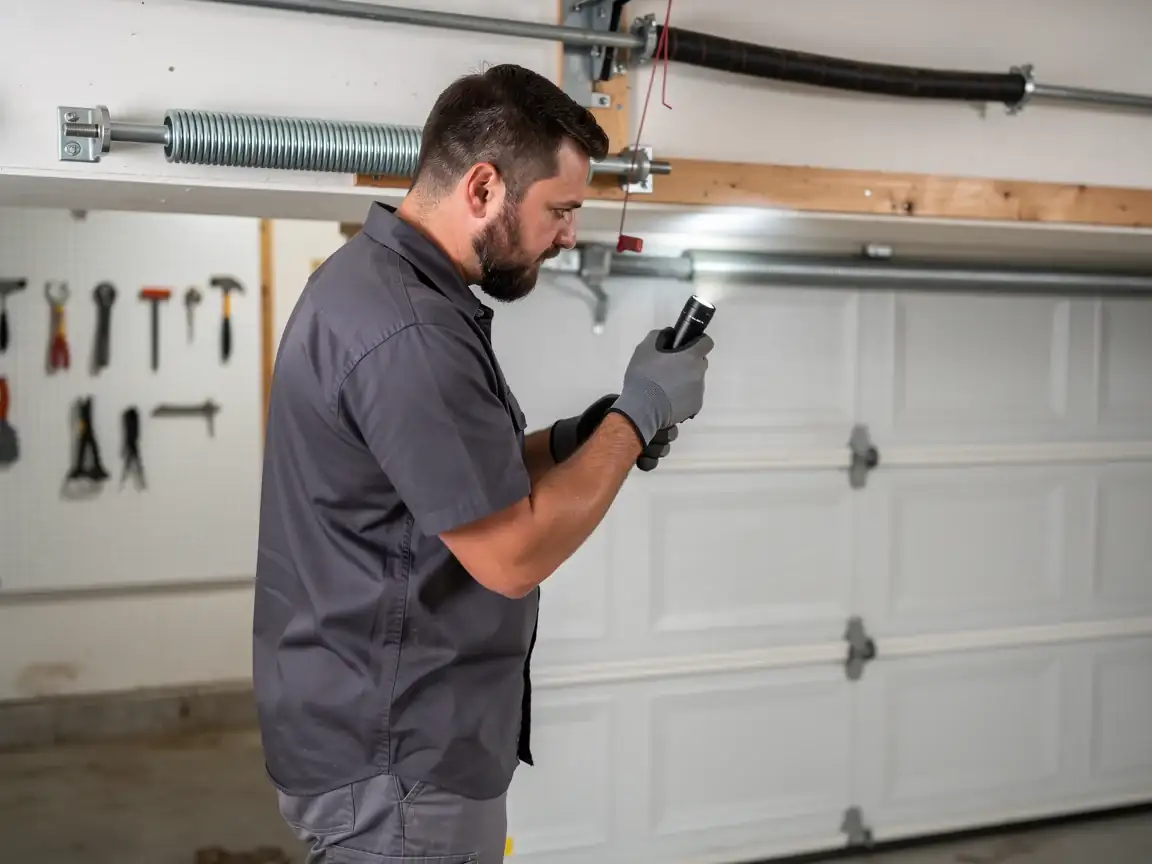
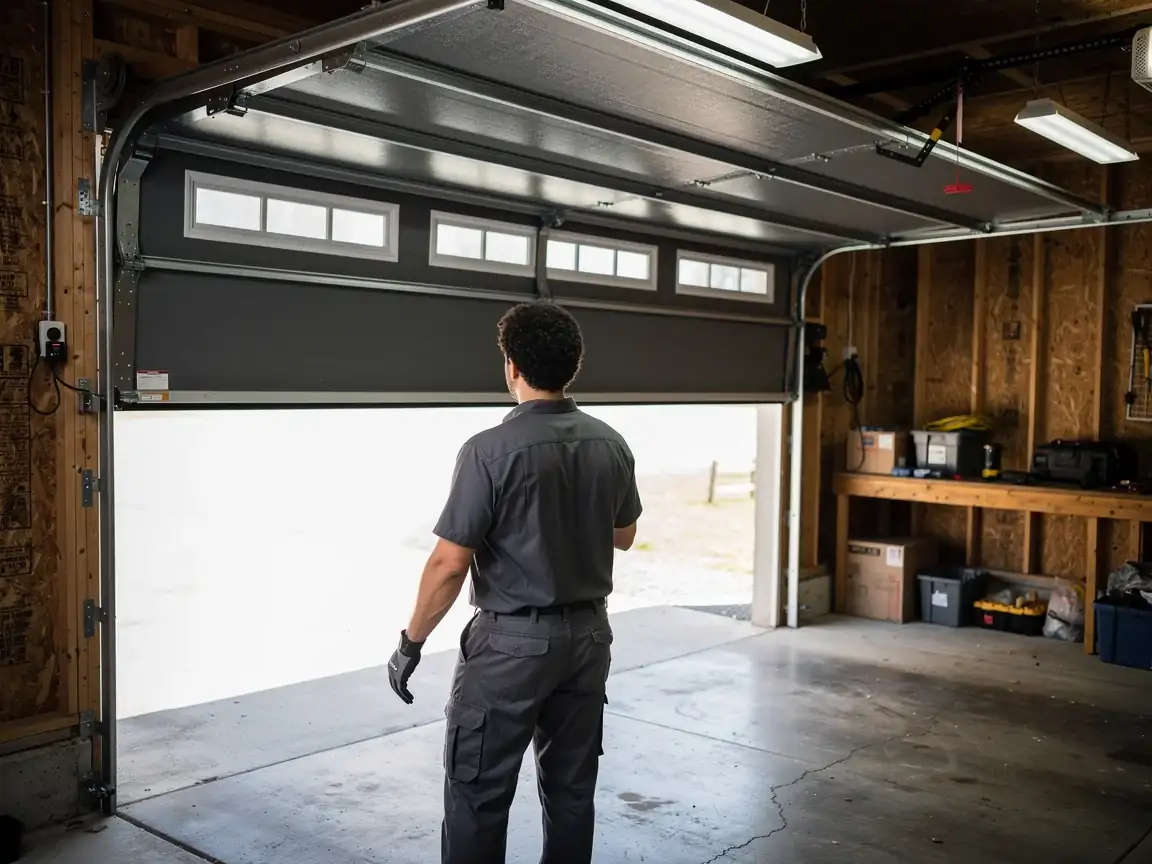
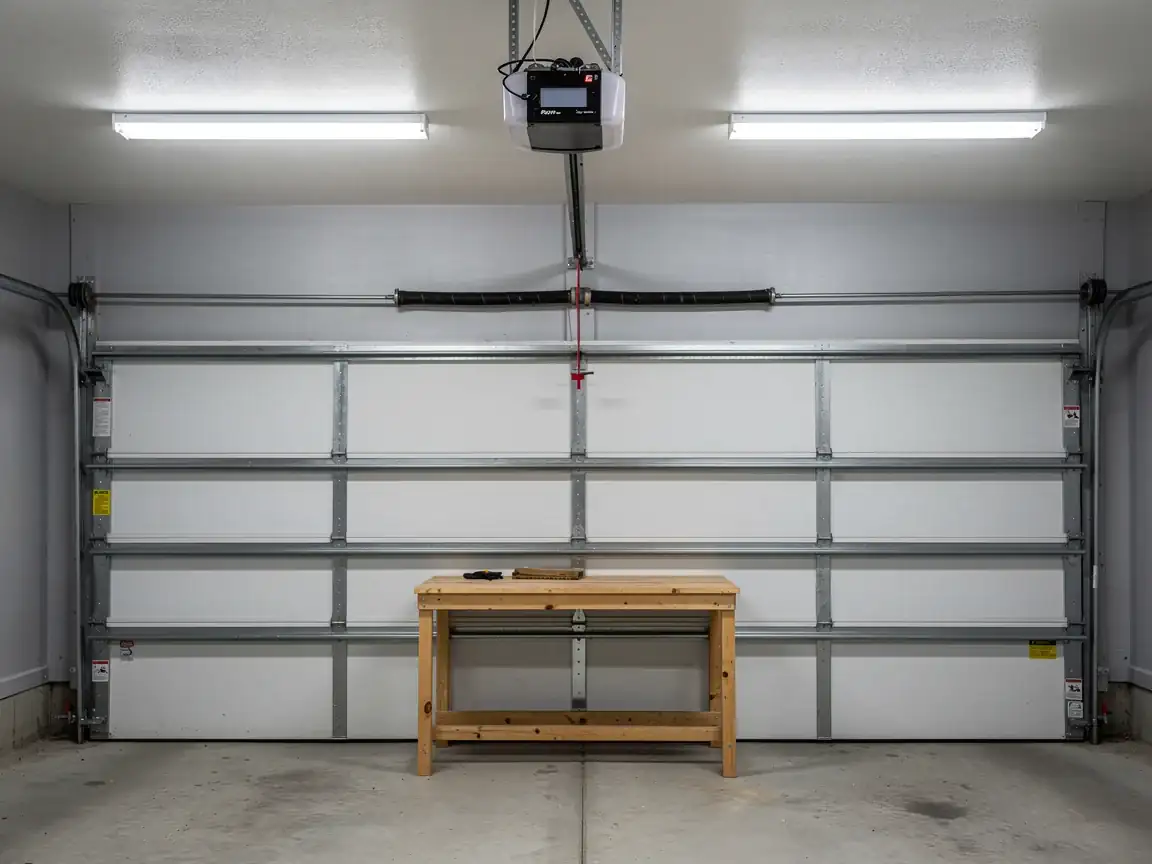
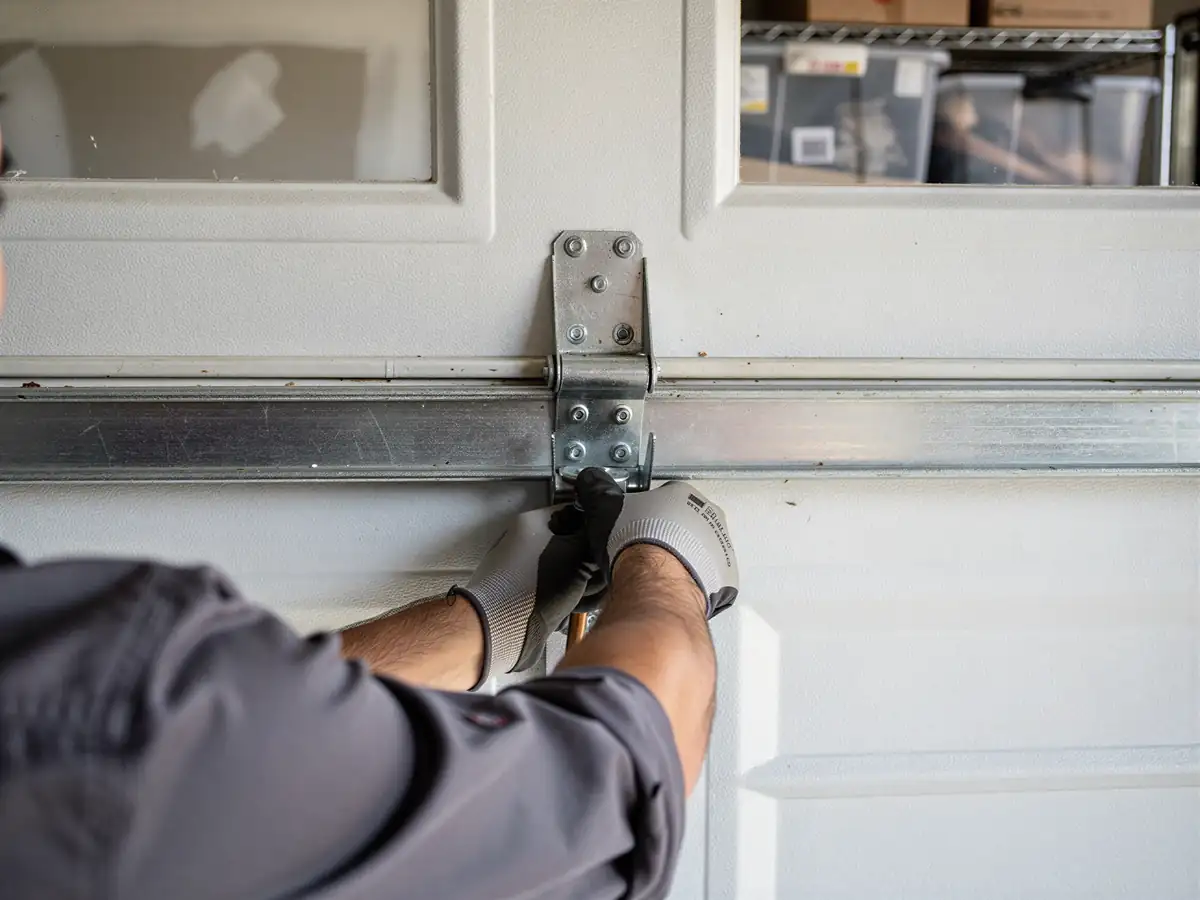
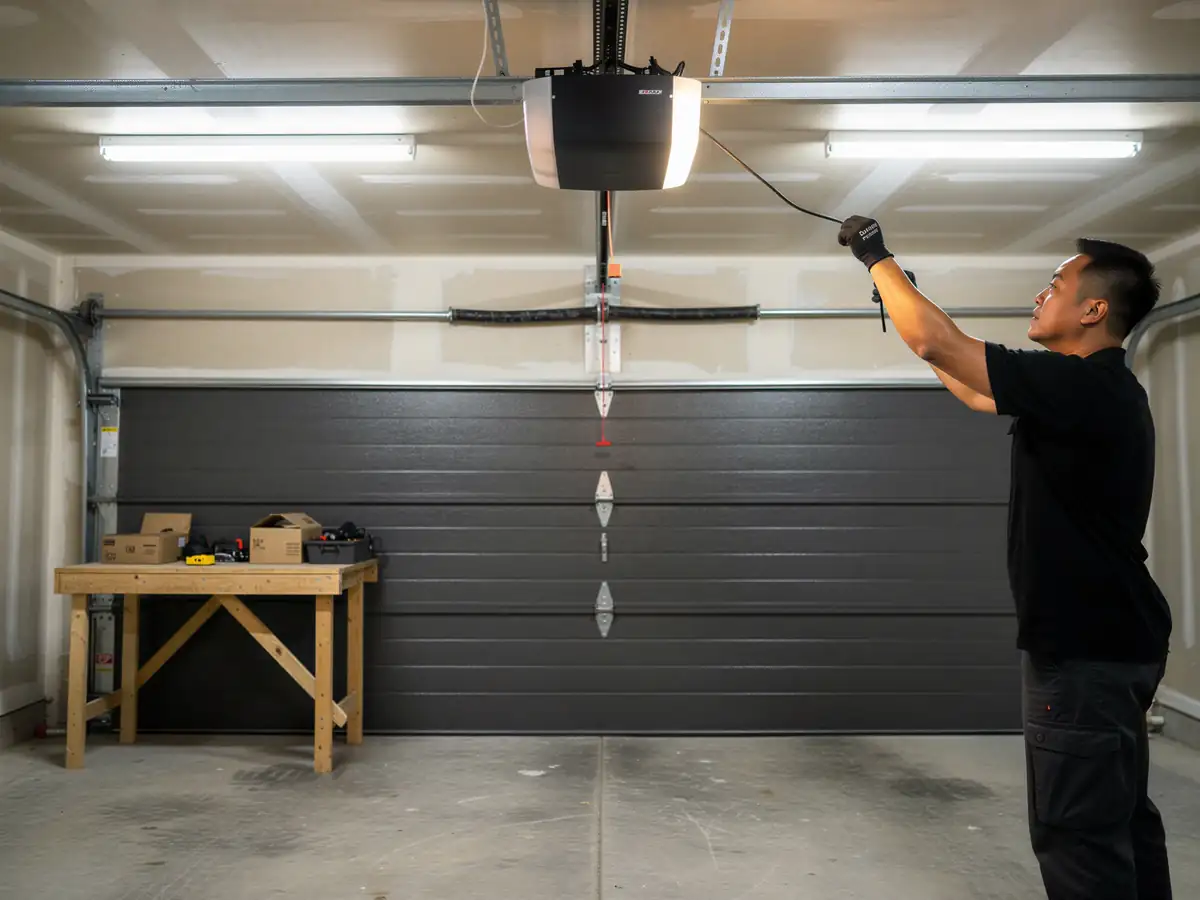
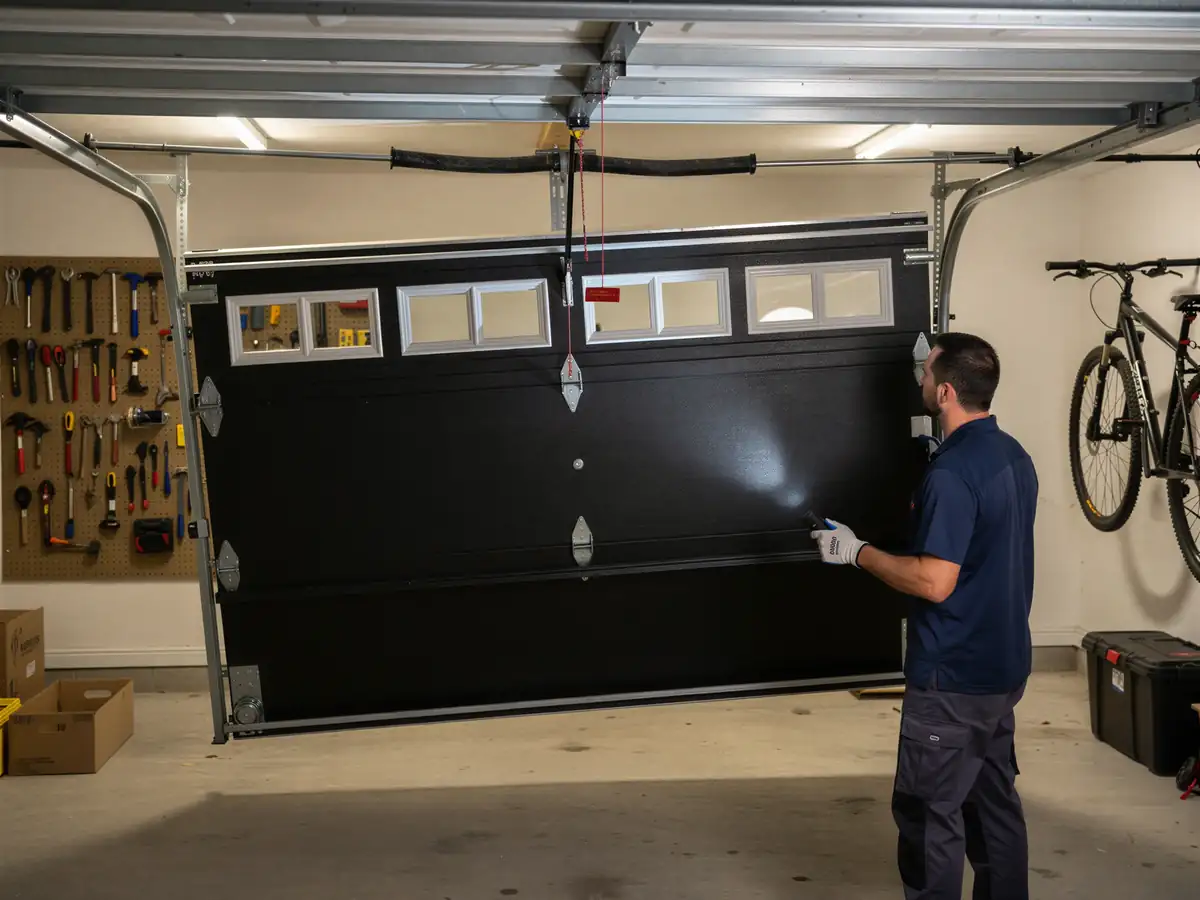
Swapping rollers on a door that's been running since 1969 isn't just popping ten new ones in. After roughly five and a half decades, the track itself has usually picked up rust pitting, bent spots from stuff backed into it, or gaps where the mounting brackets have pulled loose from the jamb. We check all of that before we touch a roller, because a new roller riding on a bent track will fail again in months, not years. The job itself is roller by roller: release spring tension, pull the roller out of its track section, swap it, and walk the door up and down a few times to make sure it's running true before moving to the next one. If the bottom brackets are original to the 1969 install, we'll flag it - those brackets hold spring tension and we don't force a roller swap through hardware that's stressed past where it should be. That's a separate conversation, not an upsell tacked onto a roller job. Most roller jobs on these older doors run long because of track correction, not because the rollers themselves are hard to reach. For the full repair picture on a door this age, see our Marysville garage door repair page.
Doing It Yourself
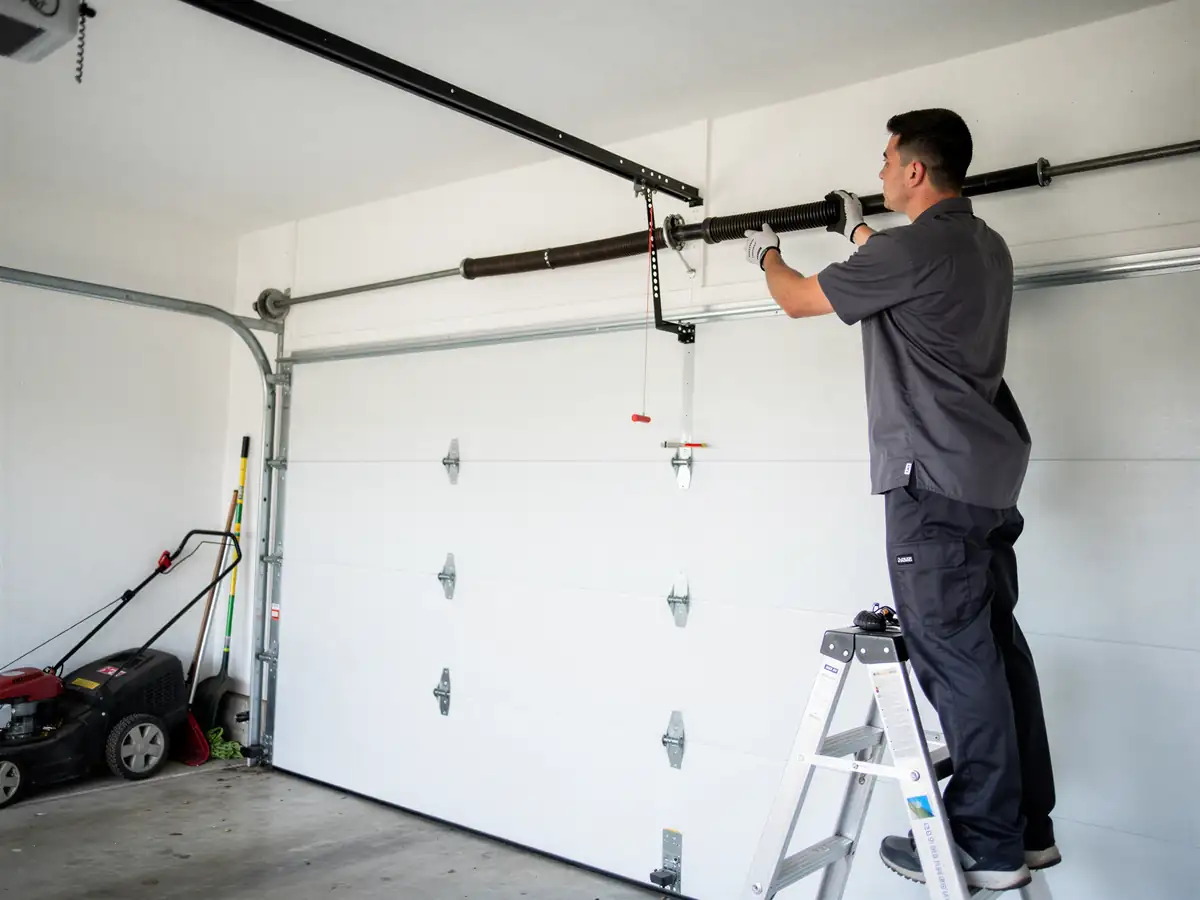
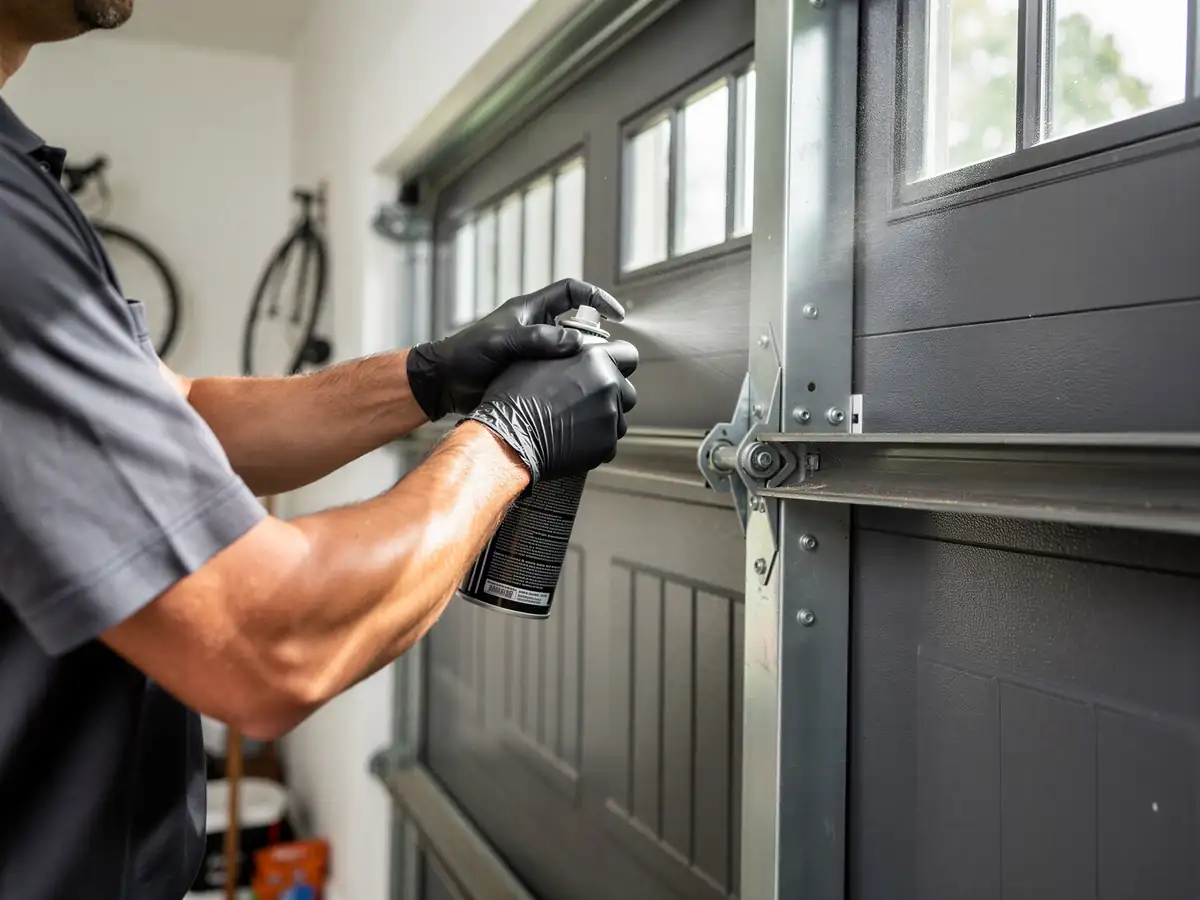
You can check your own rollers without any tools: open the door partway and look at the wheel part of each roller for flat spots, cracks, or a wheel that's gone from round to oval. If you see rust streaks on the track or hear grinding instead of clicking, that's roller wear, not opener trouble. What you shouldn't do yourself is anything involving the torsion spring above the door - on a door this old, that spring is under decades of the same tension it was installed with, and releasing it wrong is how people end up in the ER, not the garage. Swapping a bottom roller near the spring-loaded cable drum is where we draw the line for DIY. If your rollers are original steel and just noisy, a shot of white lithium grease (not WD-40, which just attracts grit) will buy you time. If a roller is cracked or the stem is bent, grease won't fix it and riding it out risks the track. For anything past a bottom-section roller swap, or for the broader scope of what we cover, see garage door roller replacement in Yuba City and call it in.