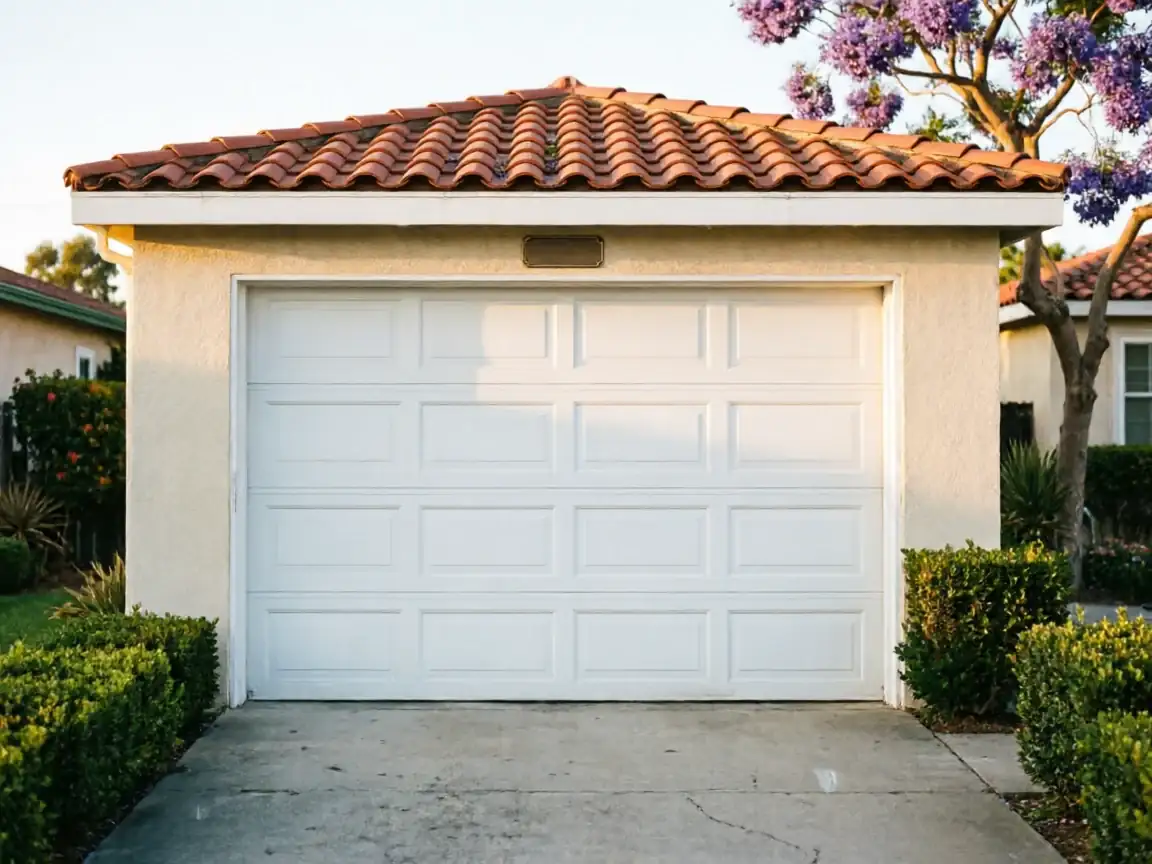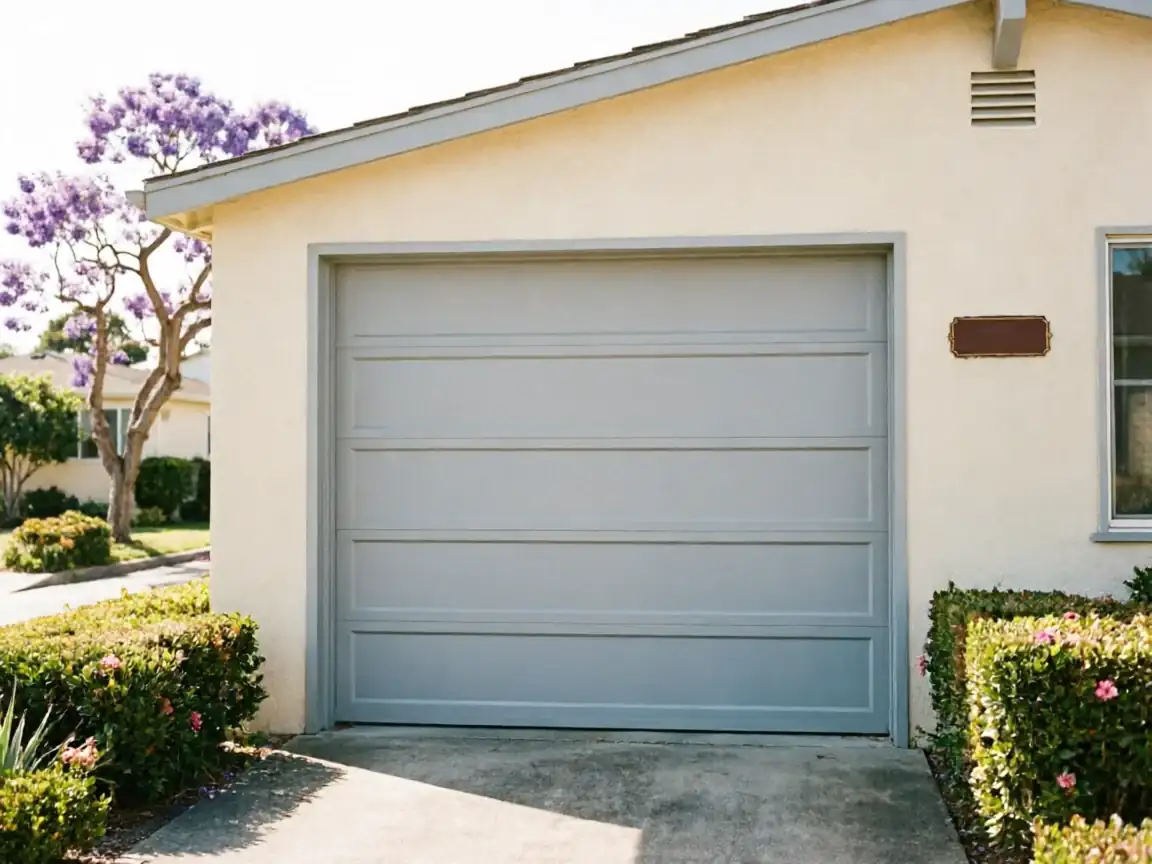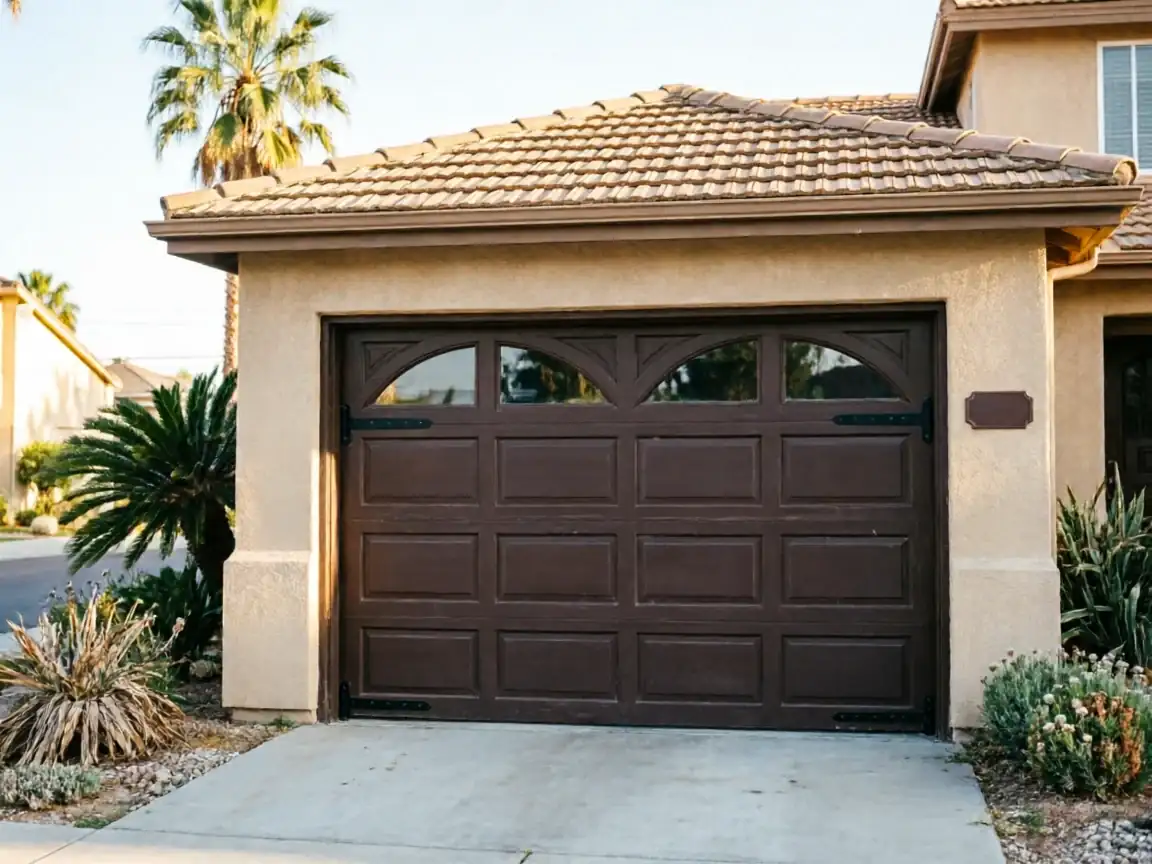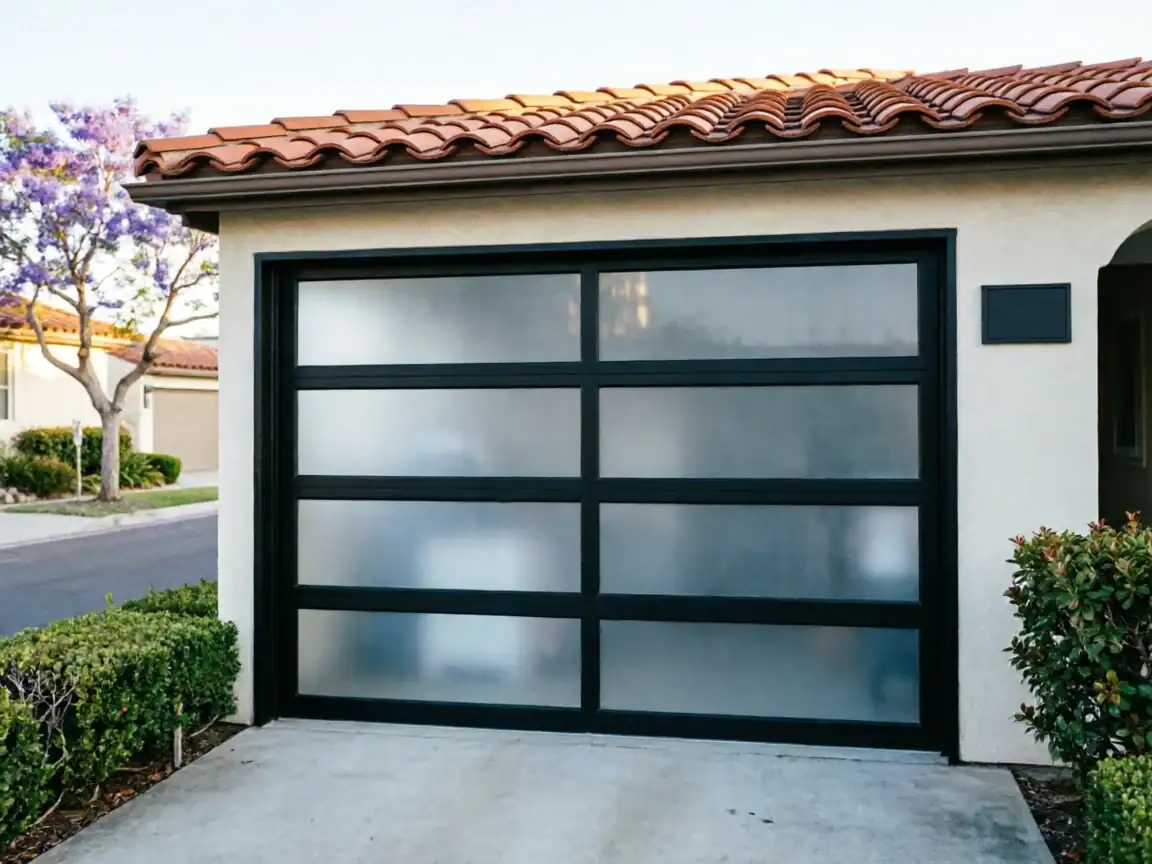
Parts We Carry
Marysville's median household income runs $58,150, well under the $80,104 median across the wider service area we cover from Yuba City. That gap matters when a door comes off track, because it decides whether the fix is a $200 realignment or a case for walking away from the door entirely. On a house at this income level, we lean hard toward repair first, replacement only when the track or the door itself is bent beyond saving.
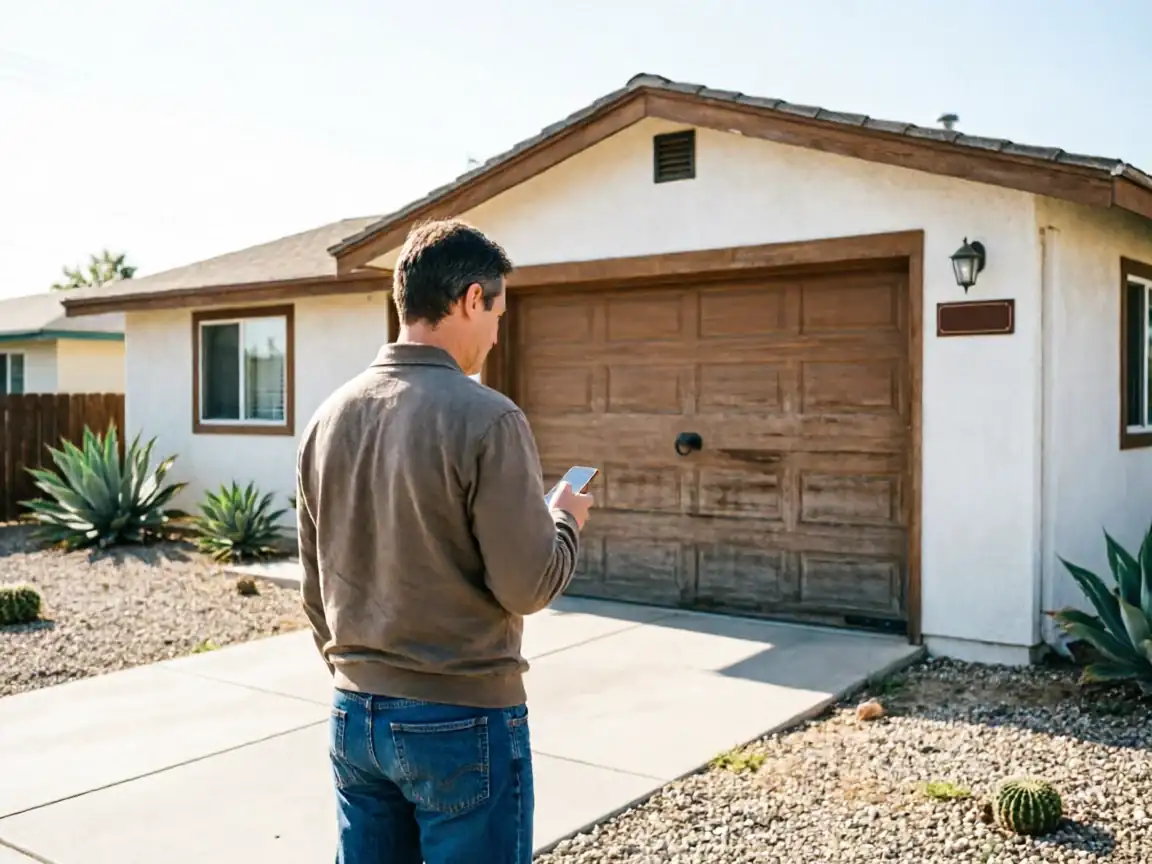
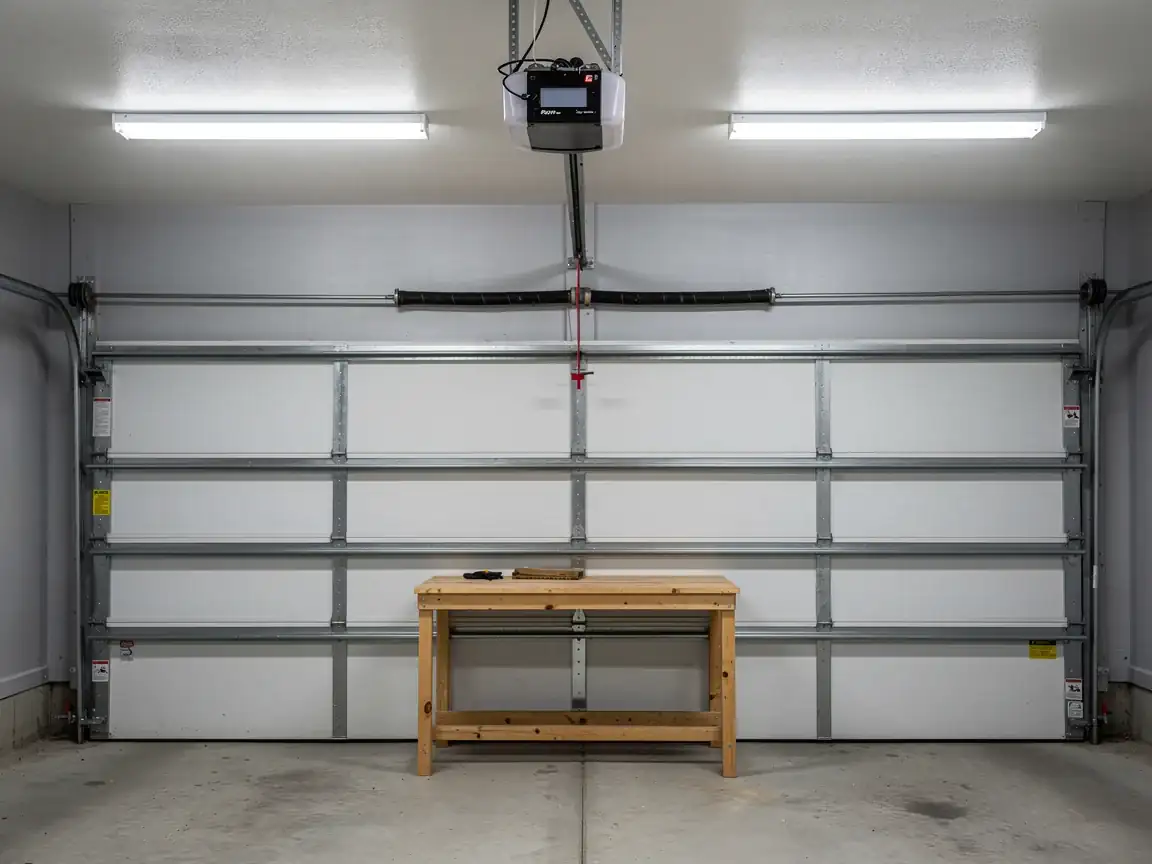
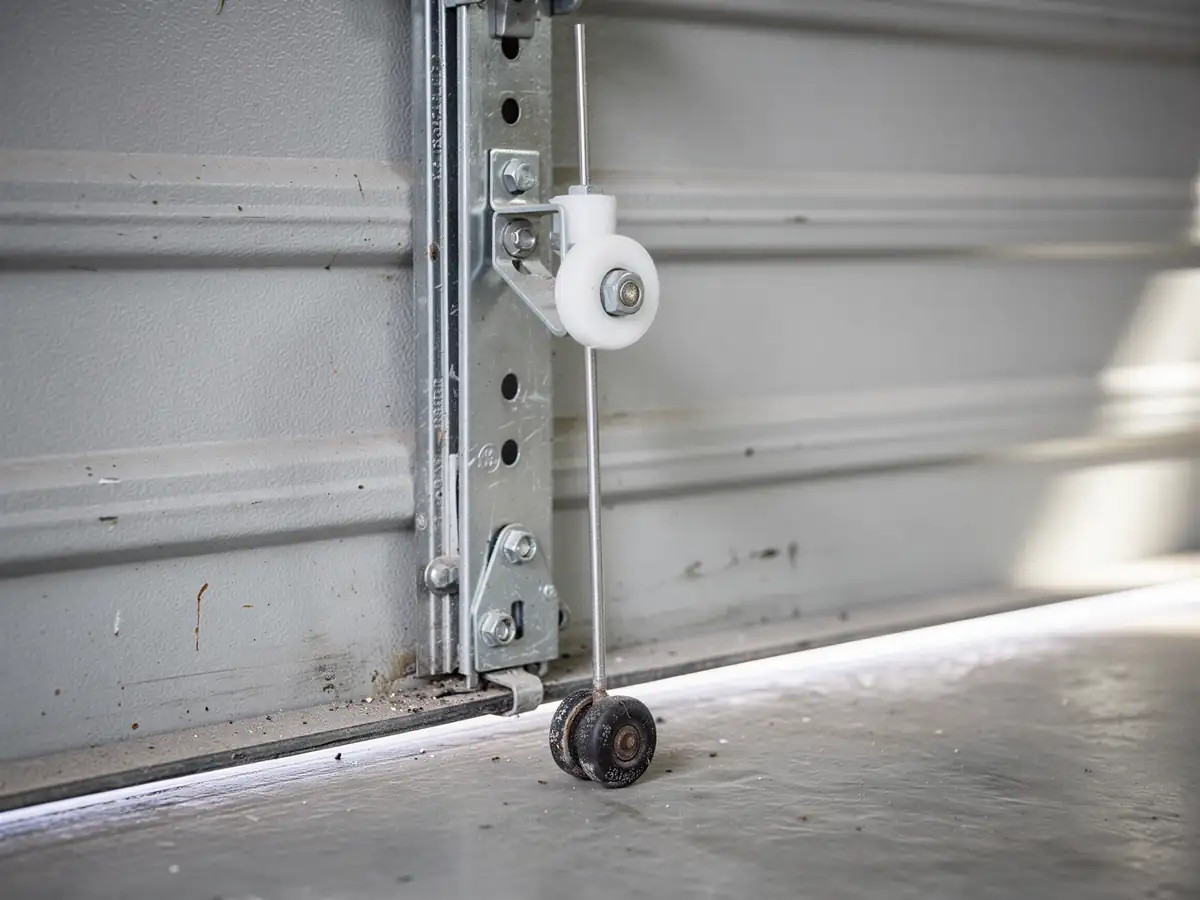
Most Marysville houses went up around 1969, right in the middle of the service area's broader 1960s-70s stock. That means steel rollers on bent shafts, thin-gauge track sections, and hinges that were never galvanized for heat the way newer hardware is. We stock standard 2-inch track sections, nylon and steel rollers, and hinges sized for these original builder-grade doors. What we don't carry on the truck is panel-matched replacement track for the handful of discontinued door lines still out there - that has to be special-ordered, and it can take a week or more.
What the Repair Takes
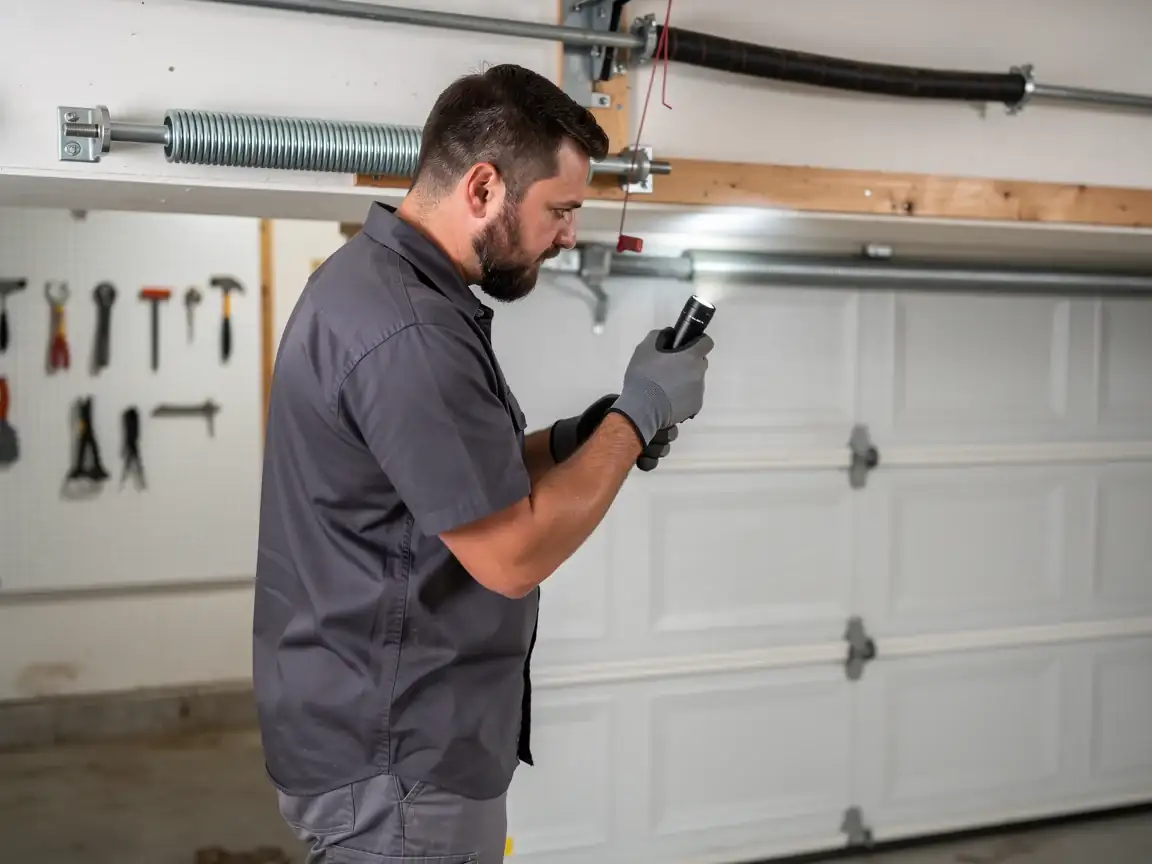
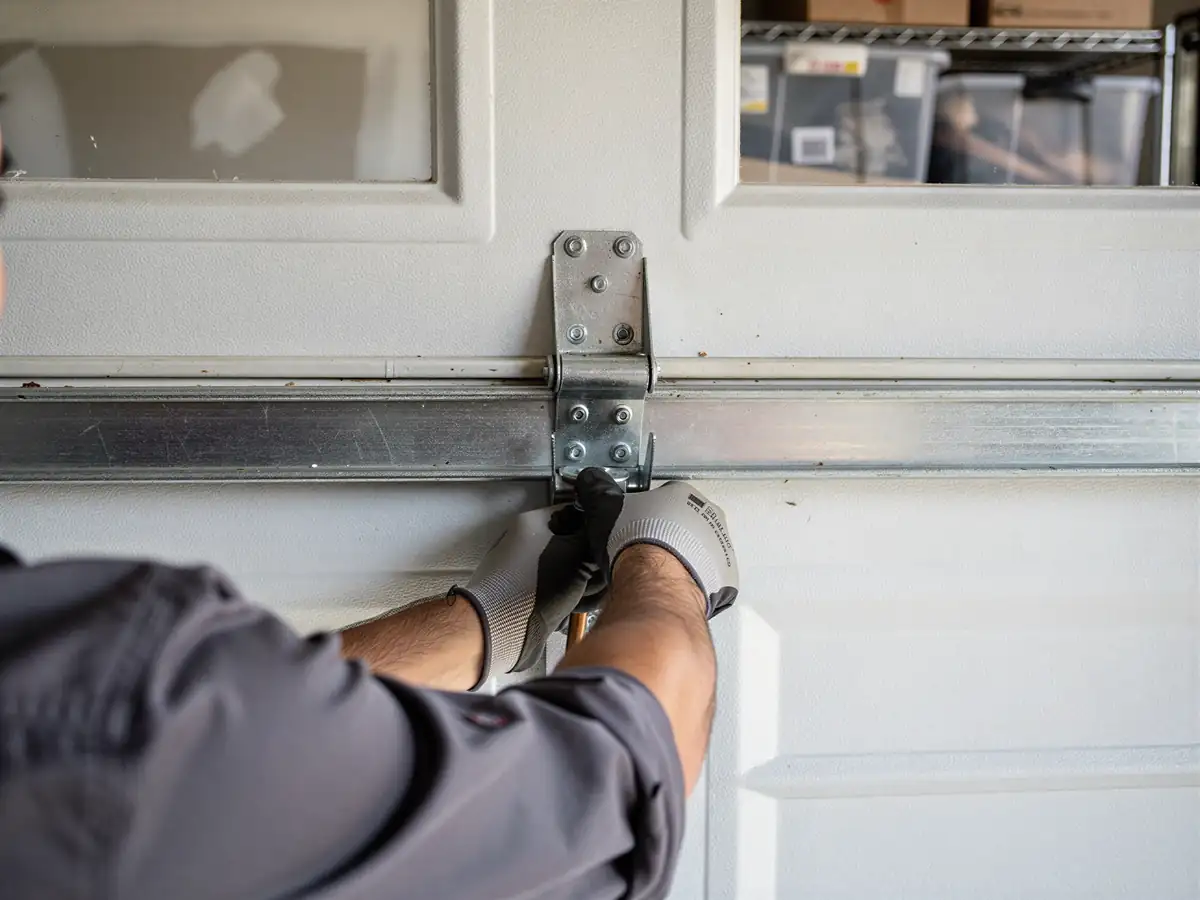
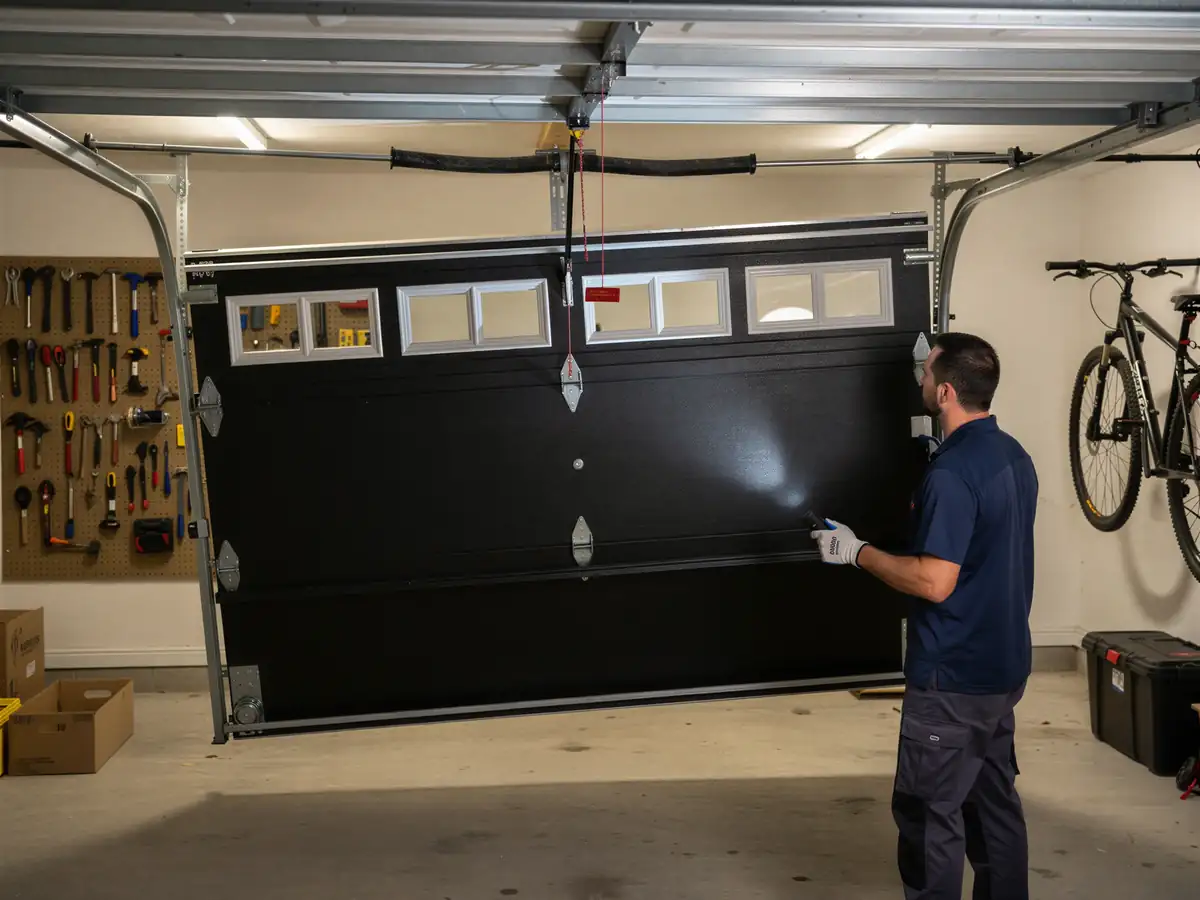
An off-track call starts with finding out why the door left the track, not just shoving it back on. We check the track brackets for play, look at whether the rollers have seized or worn down to the shaft, and check the cables on both sides for fraying. On a door built when these Marysville houses went up in 1969, the bracket lag screws are often stripped from decades of expansion and contraction, and that's usually the real cause, not the rollers.
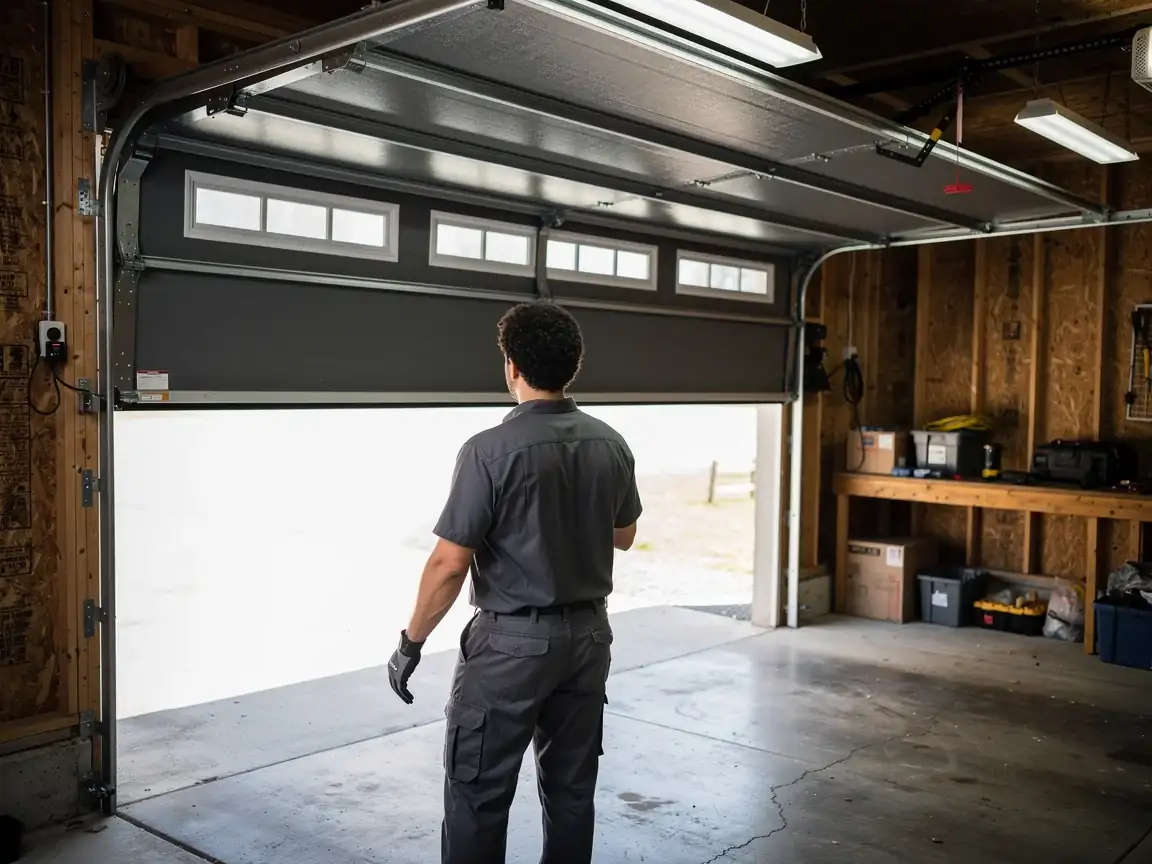
We come out from Yuba City, about 4 miles off, so there's drive time built into any visit - we don't keep a crew sitting in Marysville waiting on a call. Once we're on site, most off-track jobs are a same-visit fix: re-set the track, replace the worn rollers, tighten or re-mount the brackets, and run the door through a full cycle before we leave. If the track itself is bent rather than just loose, that's a track replacement, not a realignment, and it adds time to the job.
What Causes It Around Here
The service area sits in a severe heat climate band
And that heat is hard on garage door hardware that's now pushing 55 years old in a lot of Marysville's housing. Steel track expands and contracts through repeated hot afternoons, and over enough summers the mounting brackets work loose from the framing. A loose bracket lets the track drift out of plumb, and once it's out of plumb even a few degrees, the rollers start climbing the edge of the track instead of running inside it. That's most off-track calls, right there.
- 55 years
The second common cause is a bottom bracket or cable that's failed on one side
Which lets the door rack sideways as it travels and pop a roller clean out of the track. Doors on the older end of the local stock, from houses built before the 1980s, are more likely to be running original brackets that were never upgraded. Newer installs in the area, part of the service area's housing built as late as 2007, hold up better against the same heat because the hardware is heavier gauge.
Doing It Yourself
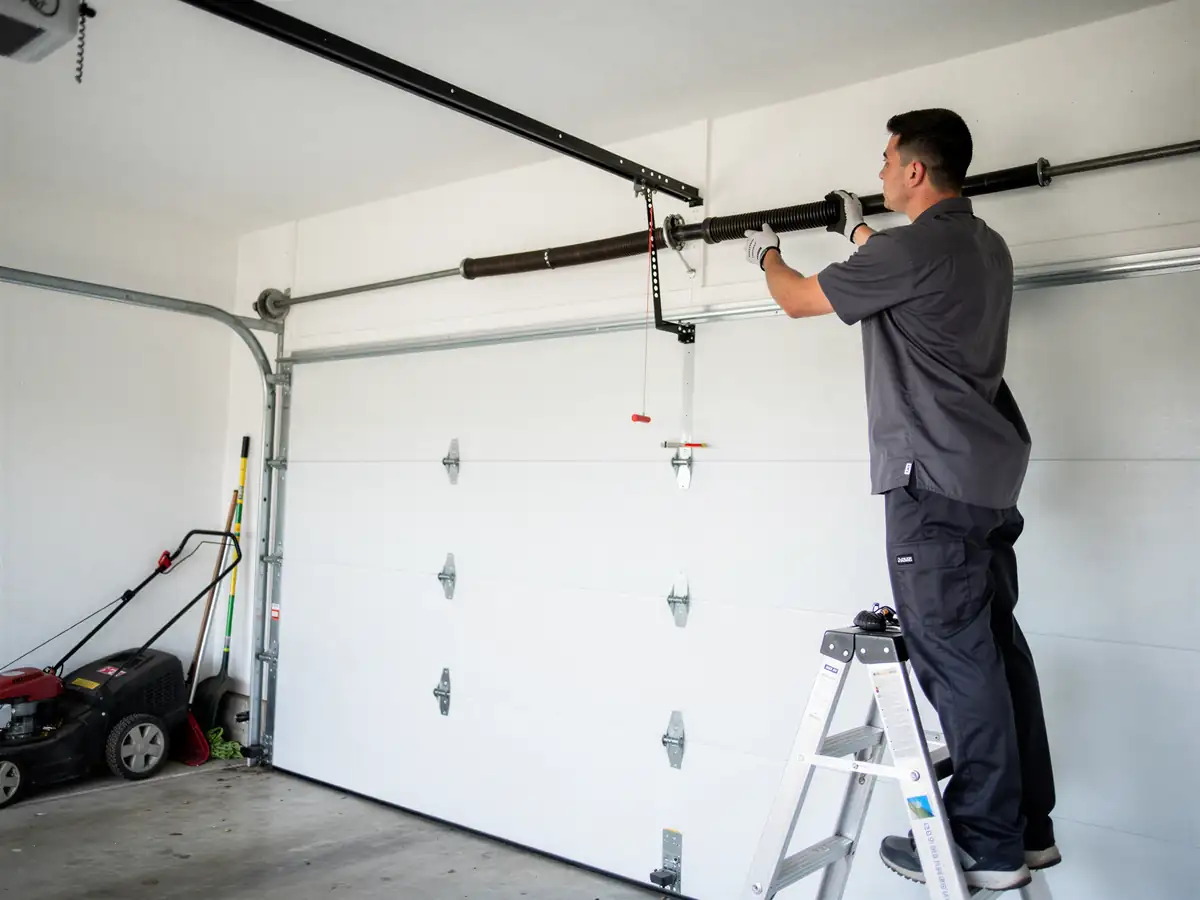
You can tell a lot before you call anyone. Look at the track on both sides of the door - if one side has pulled away from the wall or the track is bent into a visible kink, that's not a DIY fix, because forcing a bent track back into shape usually just bends it again somewhere else. If the door is hanging crooked or one cable looks loose and frayed, don't touch the door with the opener still powered.
What you shouldn't do is try to lift the door back onto the track yourself. A torsion spring under tension and an off-track panel are a bad combination, and that's where people get hurt. If the fix is just a roller that's popped loose with no bent track, a homeowner who's comfortable with a ladder and basic tools can sometimes reset it. Anything involving the springs, the cables, or a bent bracket is worth a call rather than a Saturday afternoon.