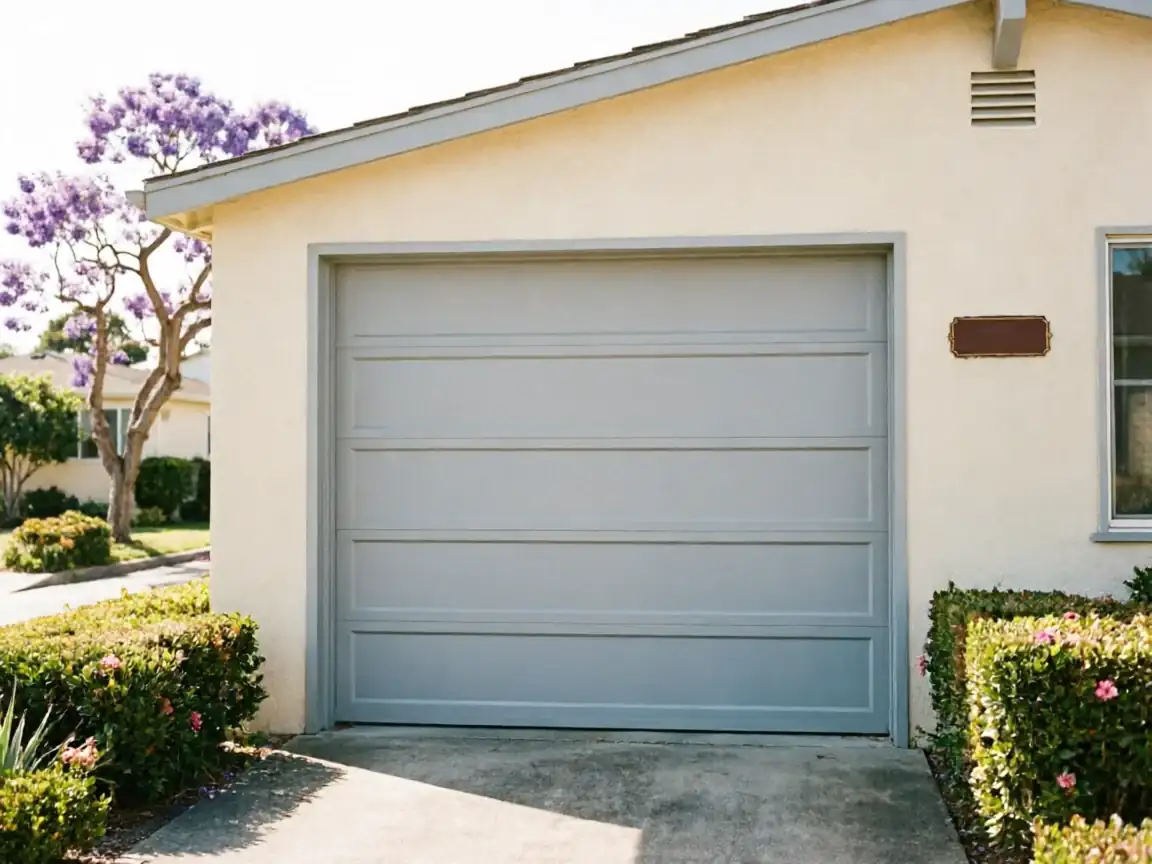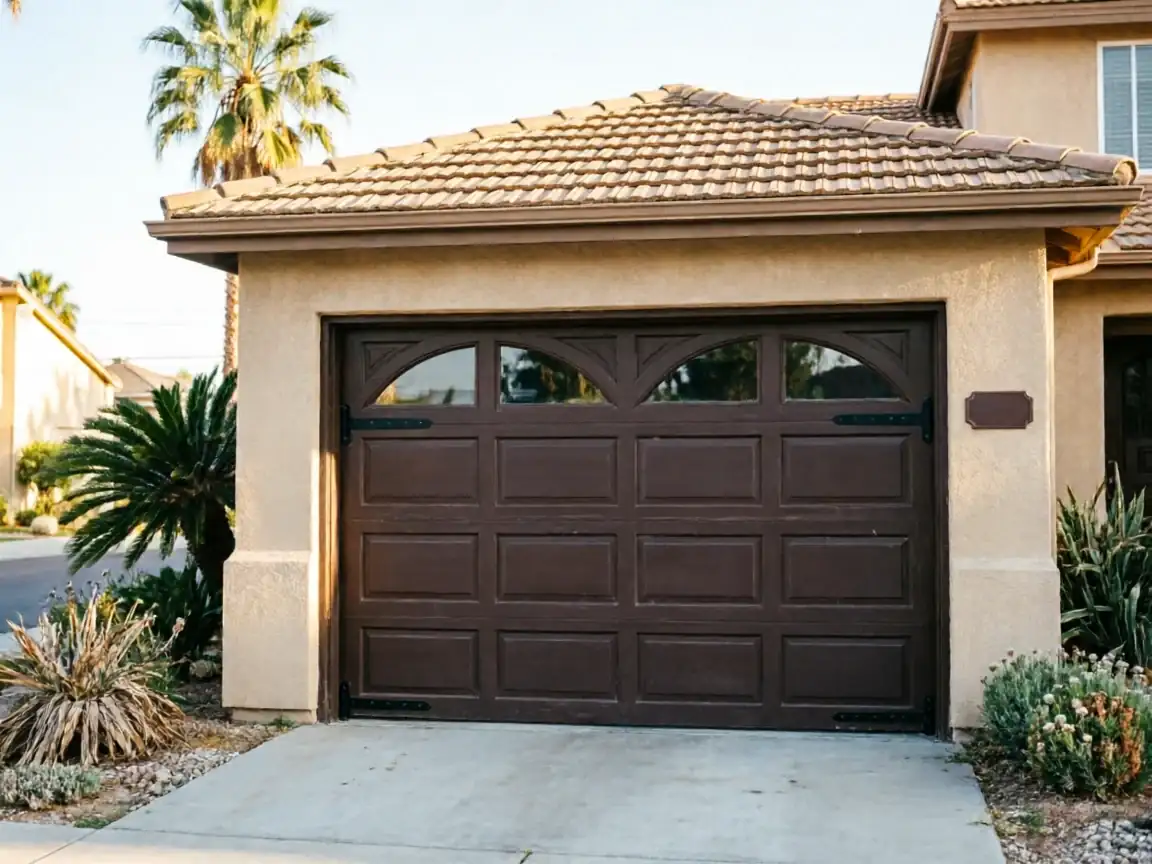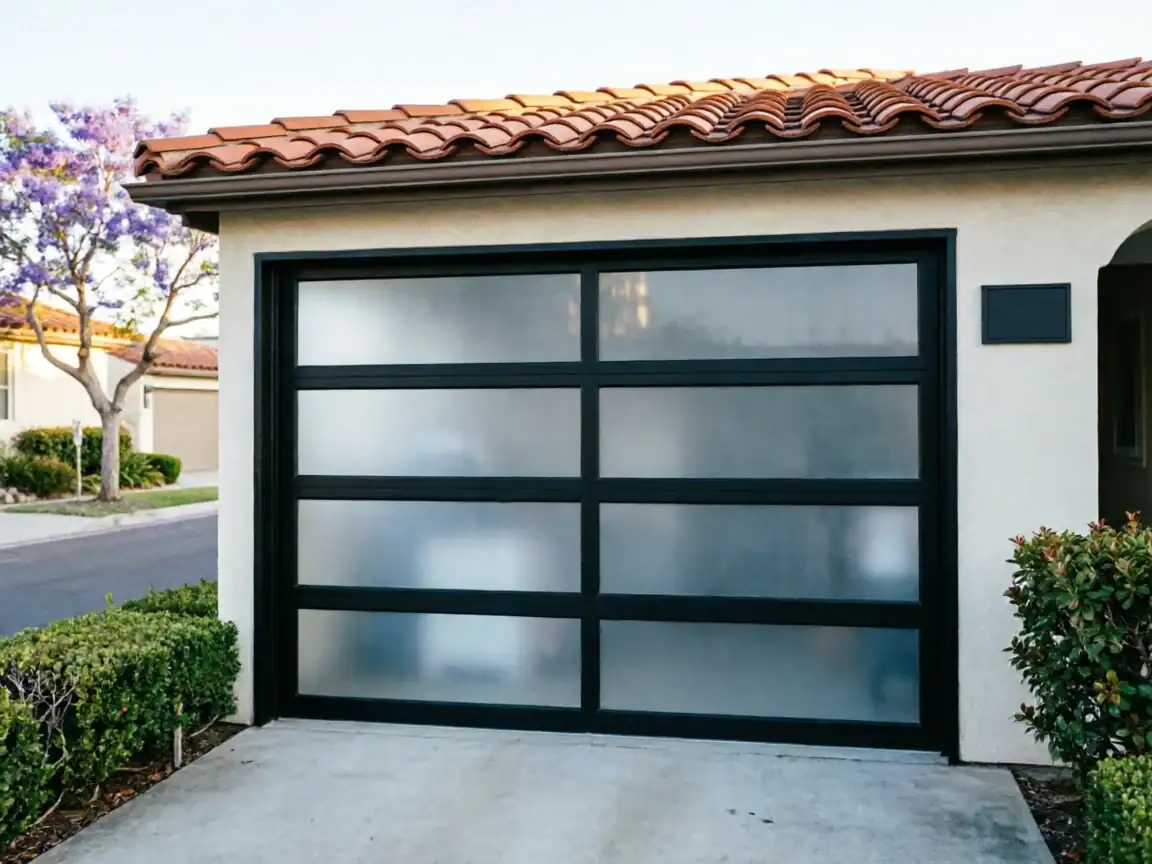
Parts We Carry
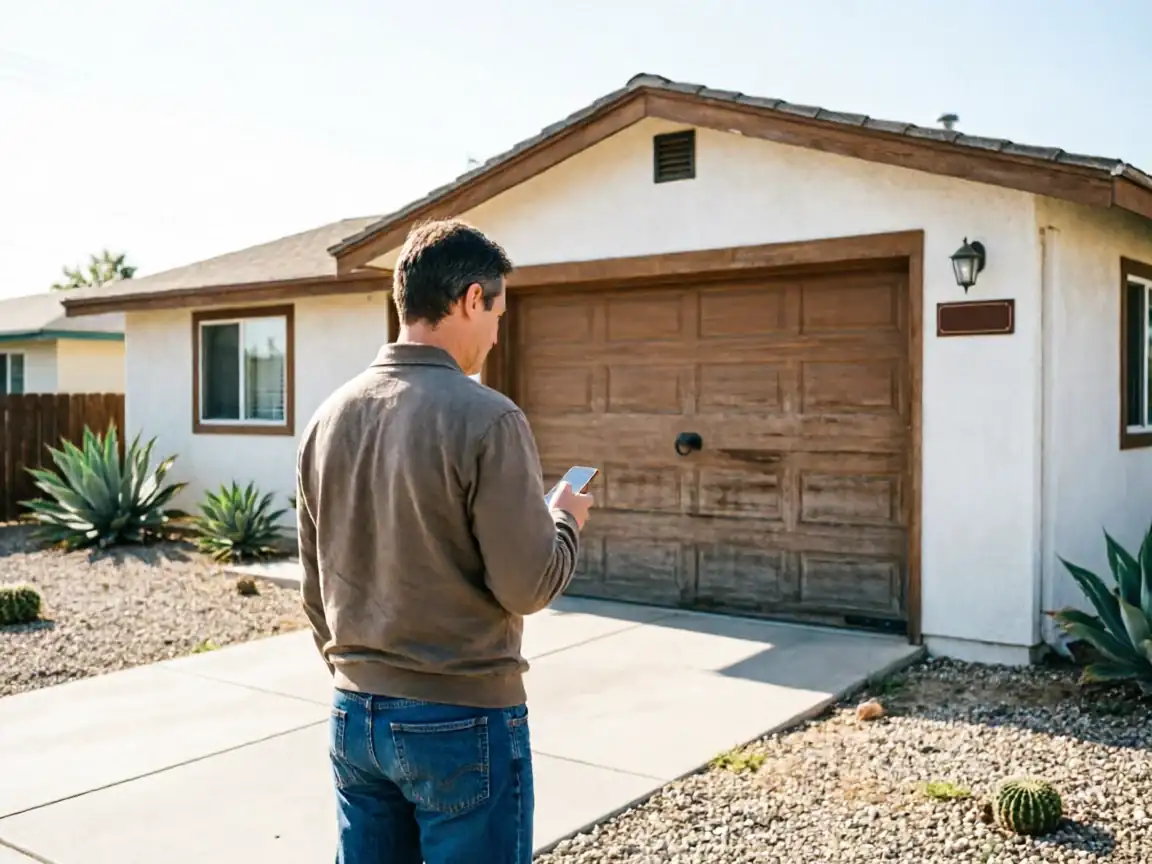
Marysville is a smaller stop for us - about 4,815 households, not the 30,000-plus we cover across the whole service area - so we don't treat every call the same way we would in a bigger tract. The upside of a town this size is that the housing is more consistent: the median year built here is 1969, a full decade earlier than the 1979 median for the wider area we run trucks through. That means more doors built around a narrower band of hardware, which makes our stock planning easier, not harder.
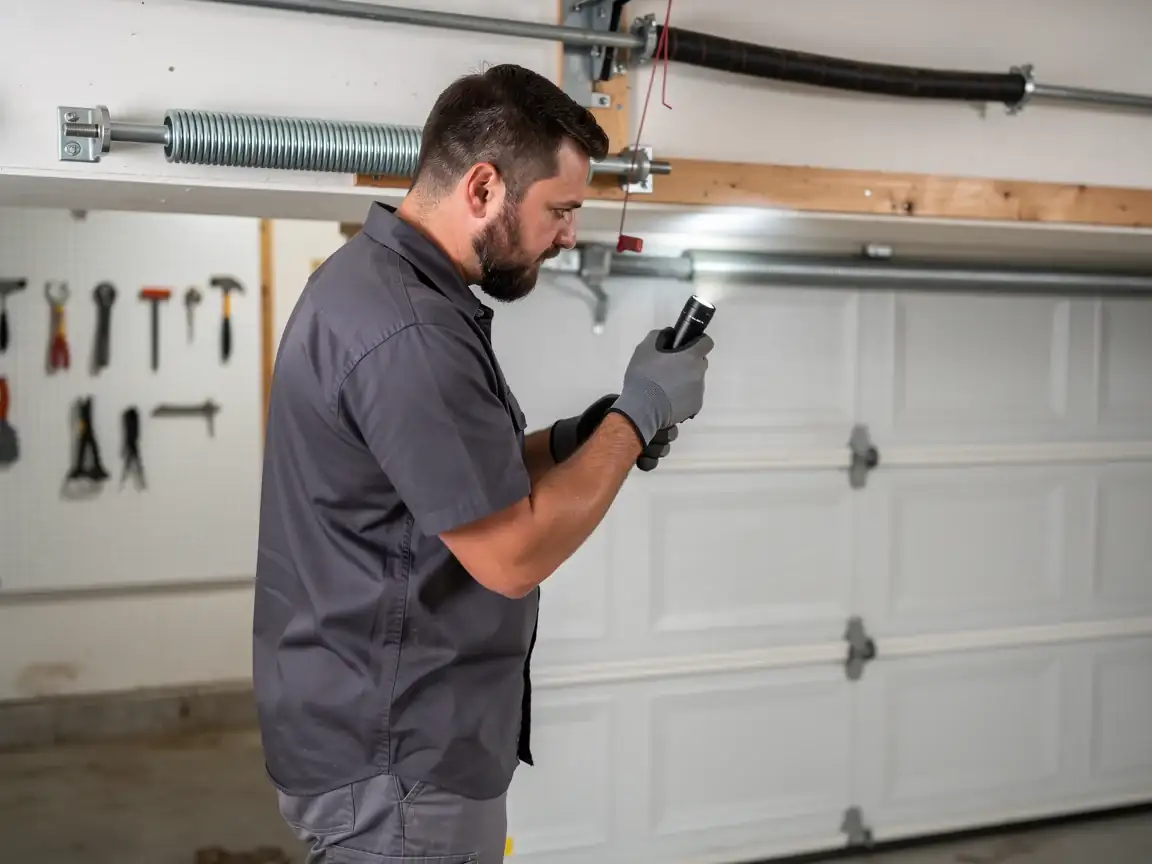
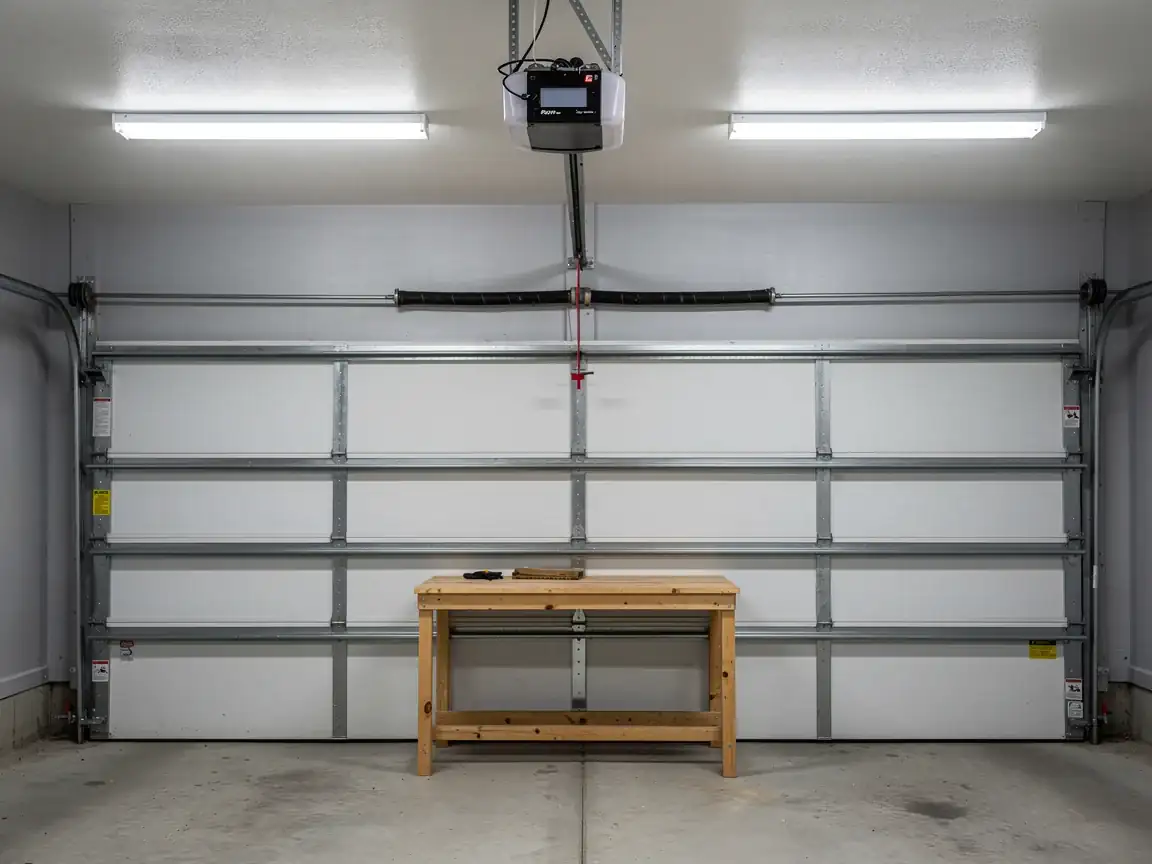
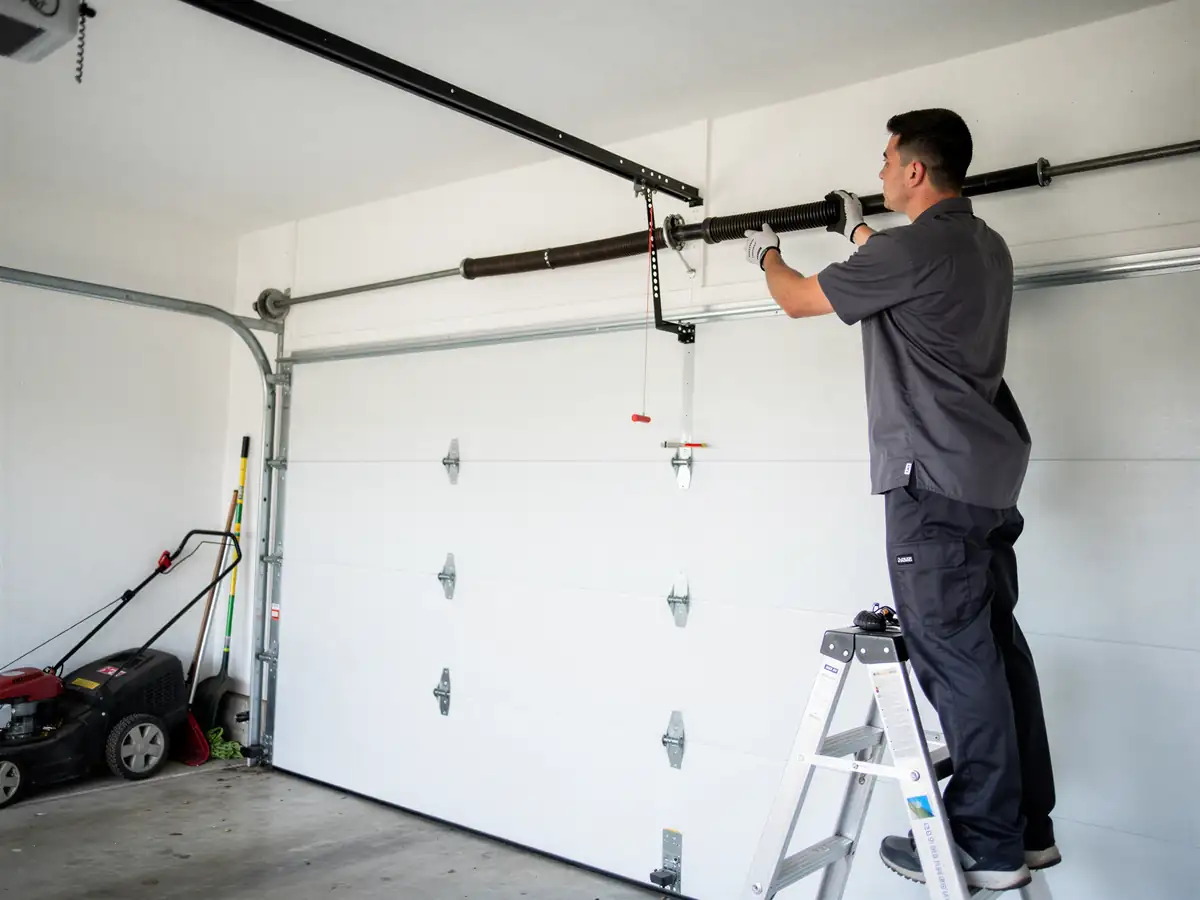
We carry galvanized torsion springs sized for the lighter steel doors that were standard through the late 1960s and early 1970s, along with the steel rollers and drums that hardware used before nylon rollers became common. Some Marysville garages still run the original extension-spring setup mounted along the horizontal track rather than torsion - older, noisier, and more exposed to the kind of wear that shows up as a snapped cable rather than a quiet failure. We keep both spring types and both cable gauges on the truck because a 1969-era door and a 1980s-era door on the same street can need completely different parts.
What the Repair Takes
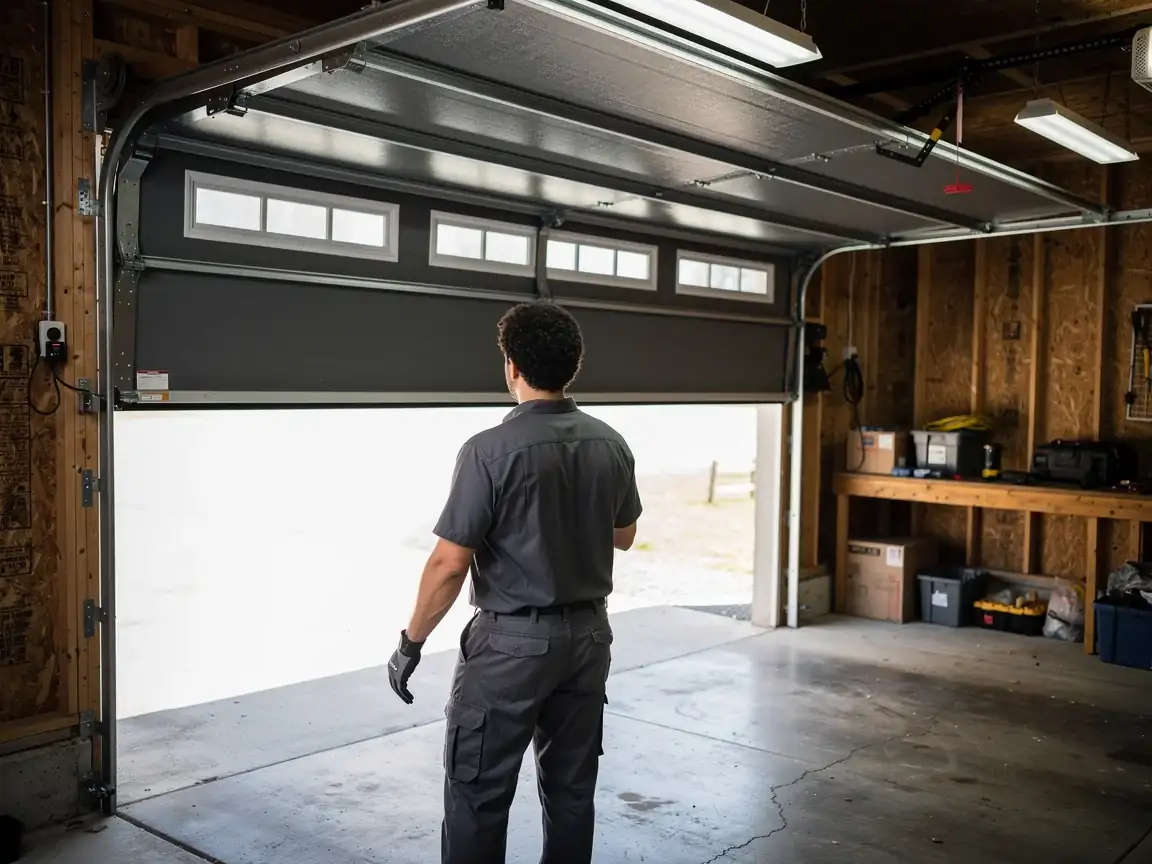
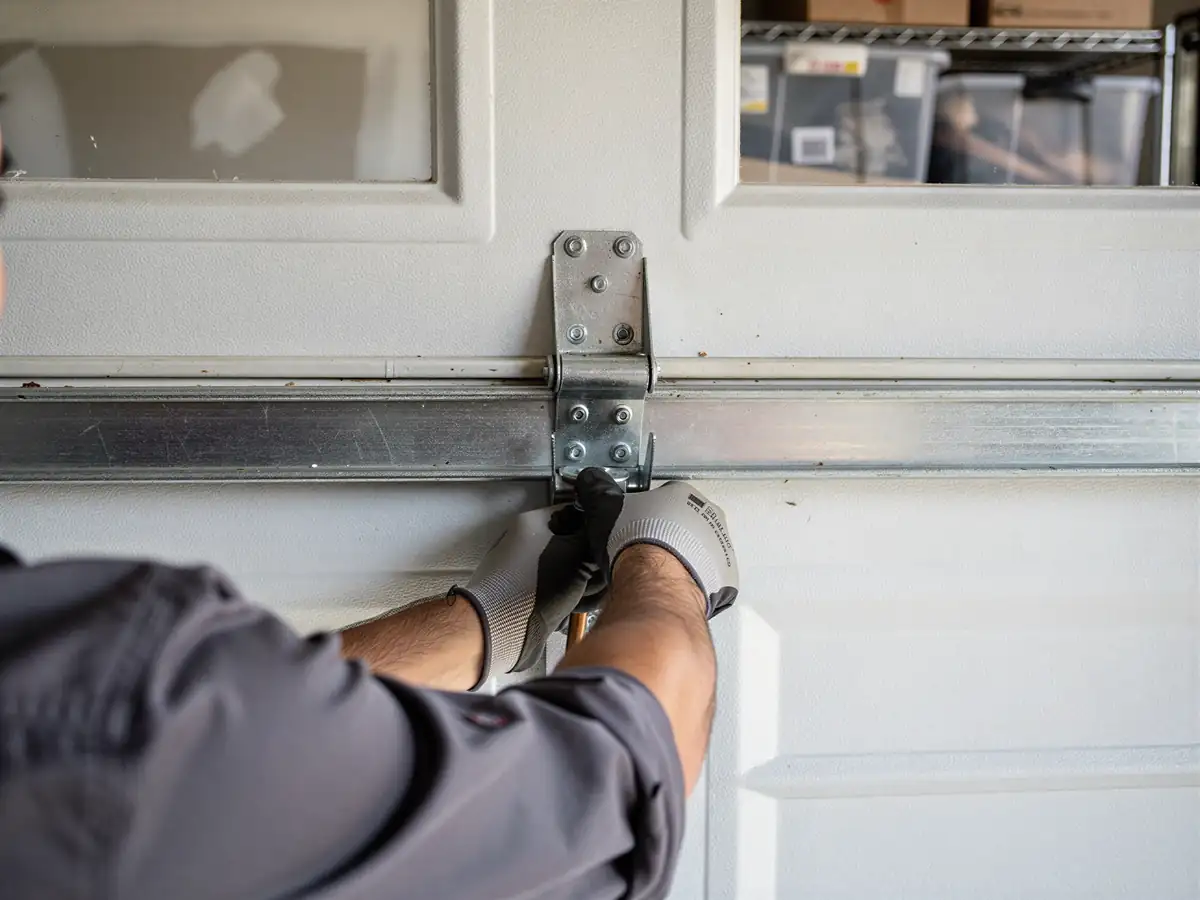
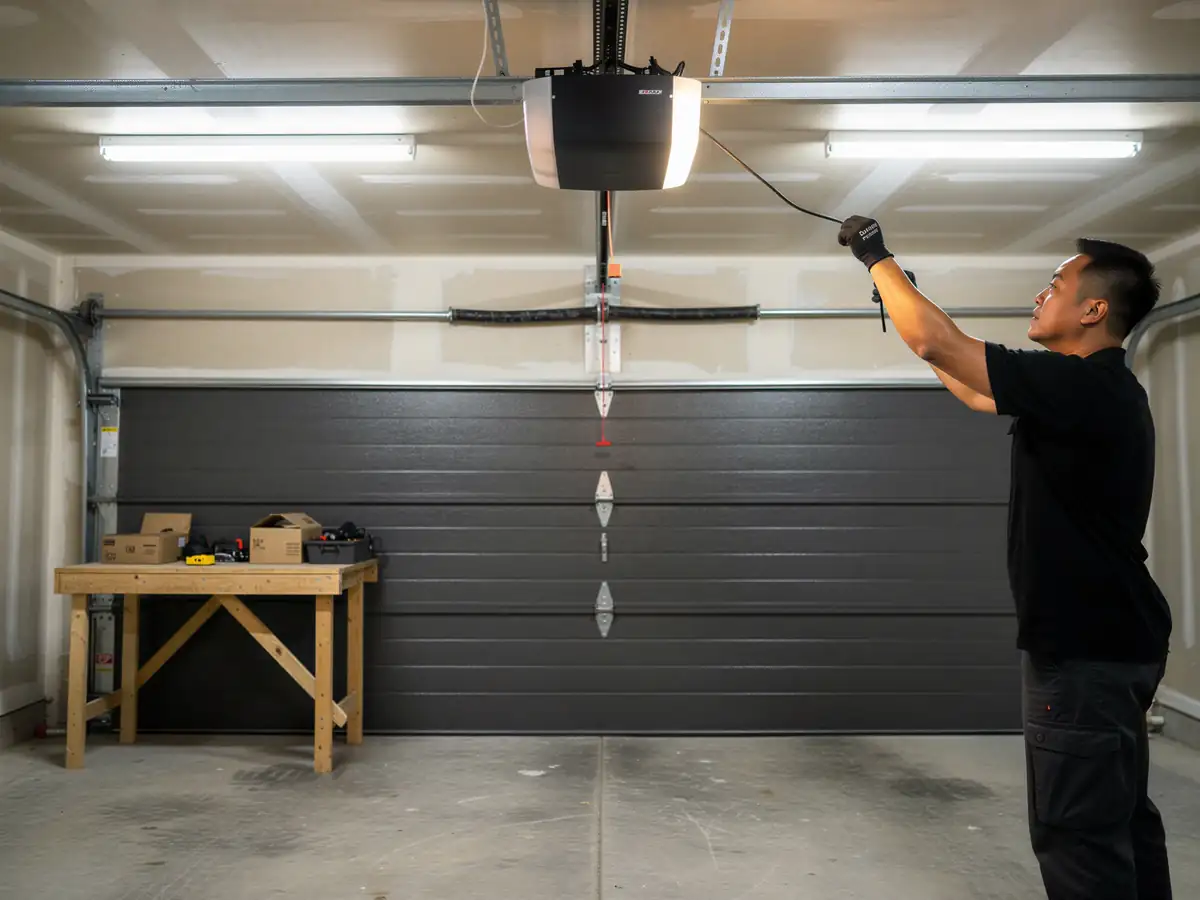
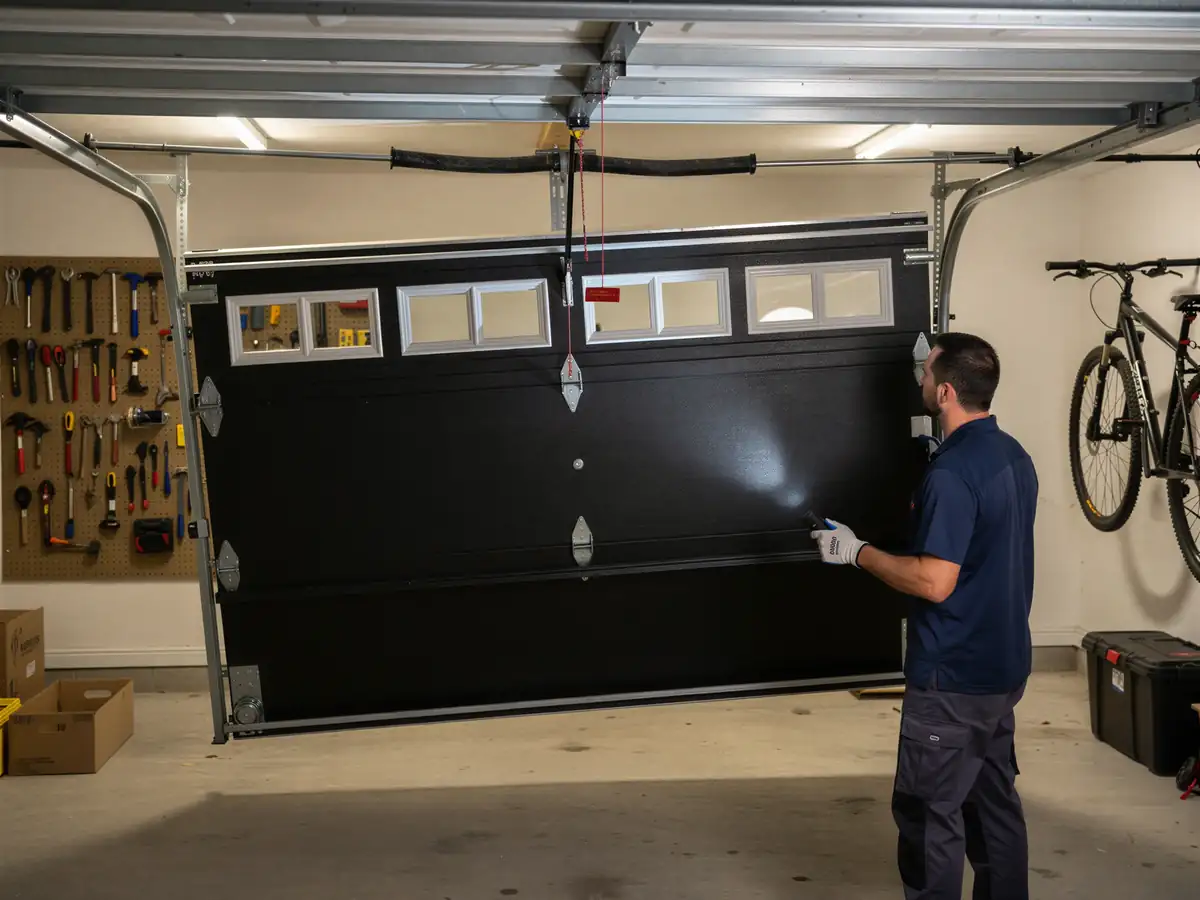
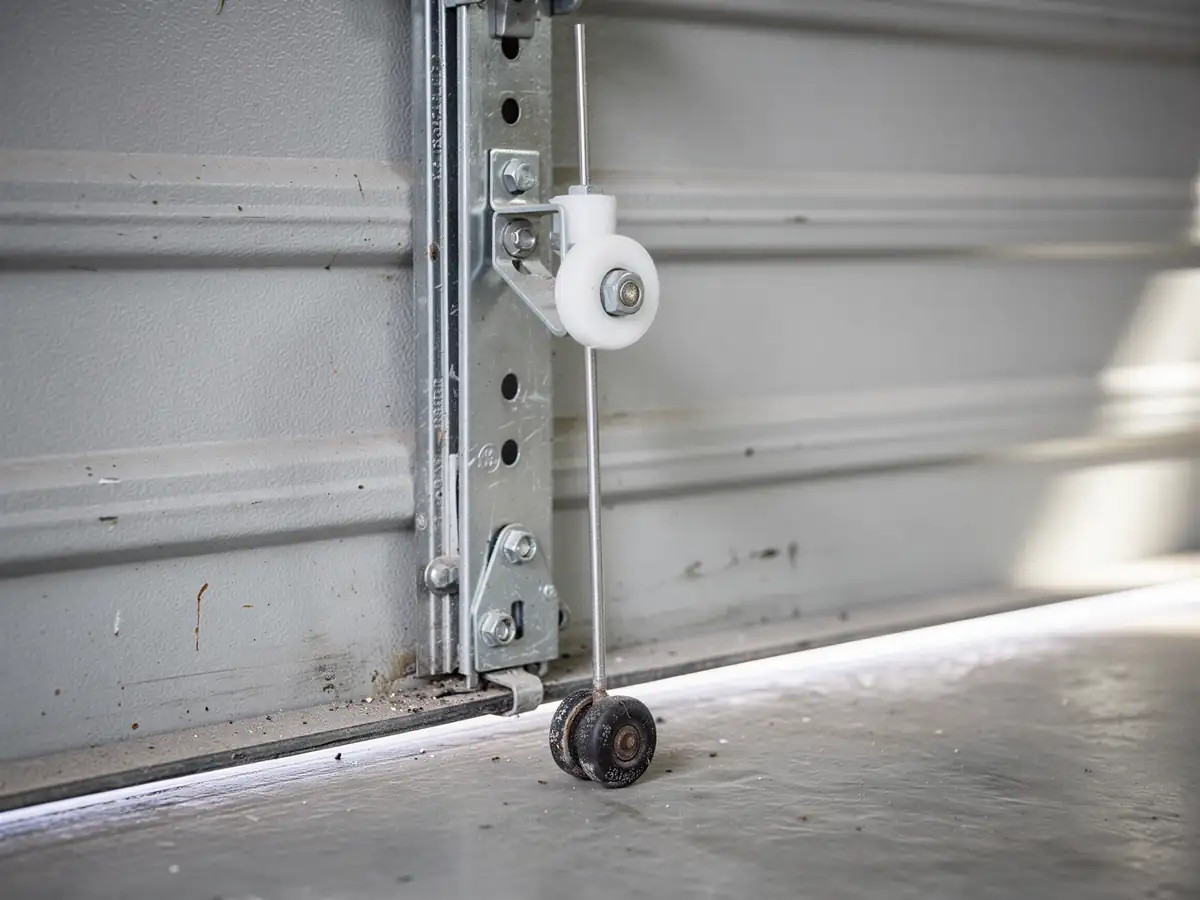
A standard maintenance visit covers the same ground regardless of door age: we check spring tension and balance, inspect cable wear at the drum, lube hinges and rollers, tighten loose hardware at the header and jamb brackets, and test the opener's force and travel limits. On a door built around 1969 we spend more time on the track alignment and roller condition, since steel rollers wear unevenly compared to the nylon rollers found on newer installs, and a door that's run on the same hardware for five decades usually has some horizontal drift at the vertical track.
We don't replace parts that are still doing their job. If a spring is original and still holding balance correctly, we'll say so rather than push a swap - the honest call on an older door is sometimes just regrease and adjust, not replace. Where we draw the line is safety cable and worn cable at the drum; those get swapped on sight regardless of how the rest of the door is holding up. We travel the 4 miles out from our Yuba City shop for maintenance calls, so we plan the visit around what the door actually needs rather than a fixed menu.
What Causes It Around Here
Two things push maintenance needs in Marysville: the age of the housing stock and the heat
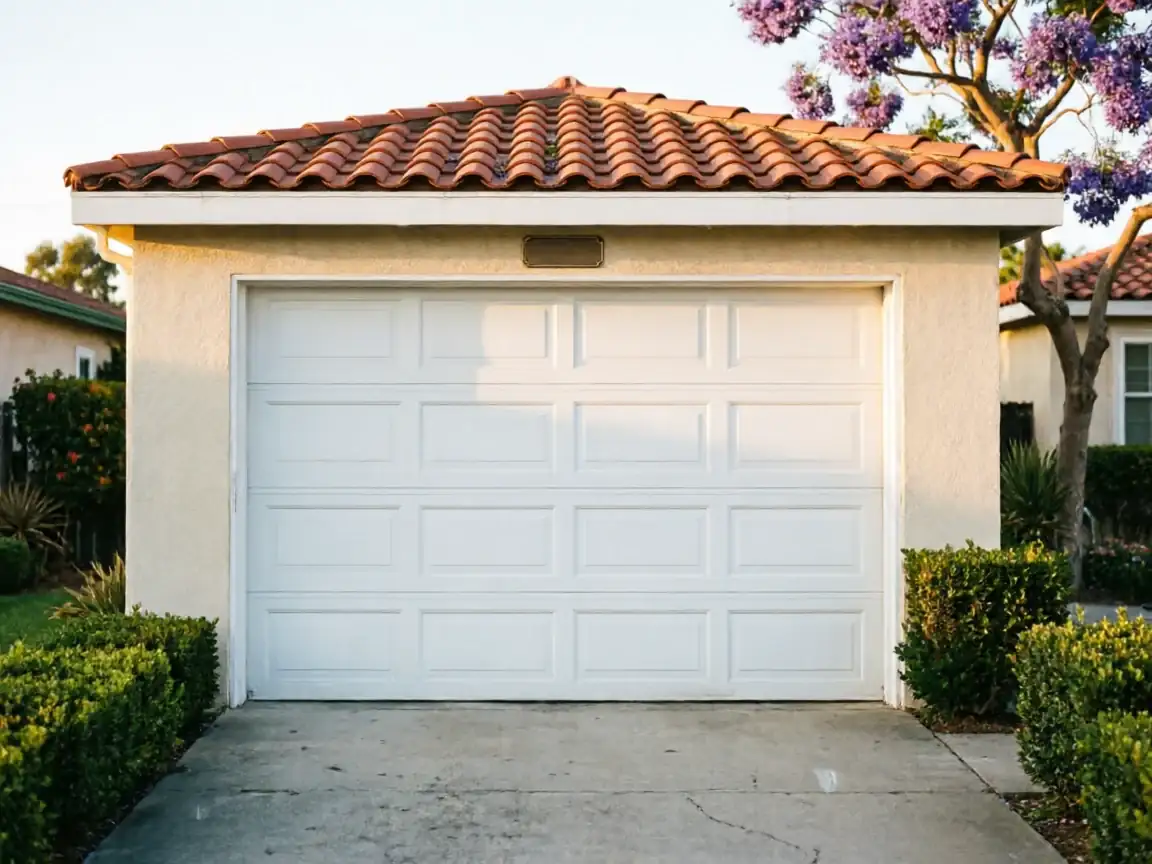
With a median year built of 1969, a lot of garage doors here are original or close to it, and original steel hardware doesn't hold lubrication the way modern coated parts do. Grease dries out faster, rollers start to squeal, and torsion springs that have never been re-tensioned start sagging at the balance point.
The area also sits in a severe heat climate band
And that heat is hard on anything with moving metal parts in a garage that isn't insulated or ventilated well. Expansion and contraction loosens bolts at the track brackets over a season, and openers with aging logic boards tend to show force-setting drift during the hottest stretches of the year. None of this is unique to one house - it's a pattern across a town where most of the doors share a build era, which is exactly why a seasonal check catches problems before they turn into a Saturday morning call with a stuck door and a car trapped behind it.
Doing It Yourself
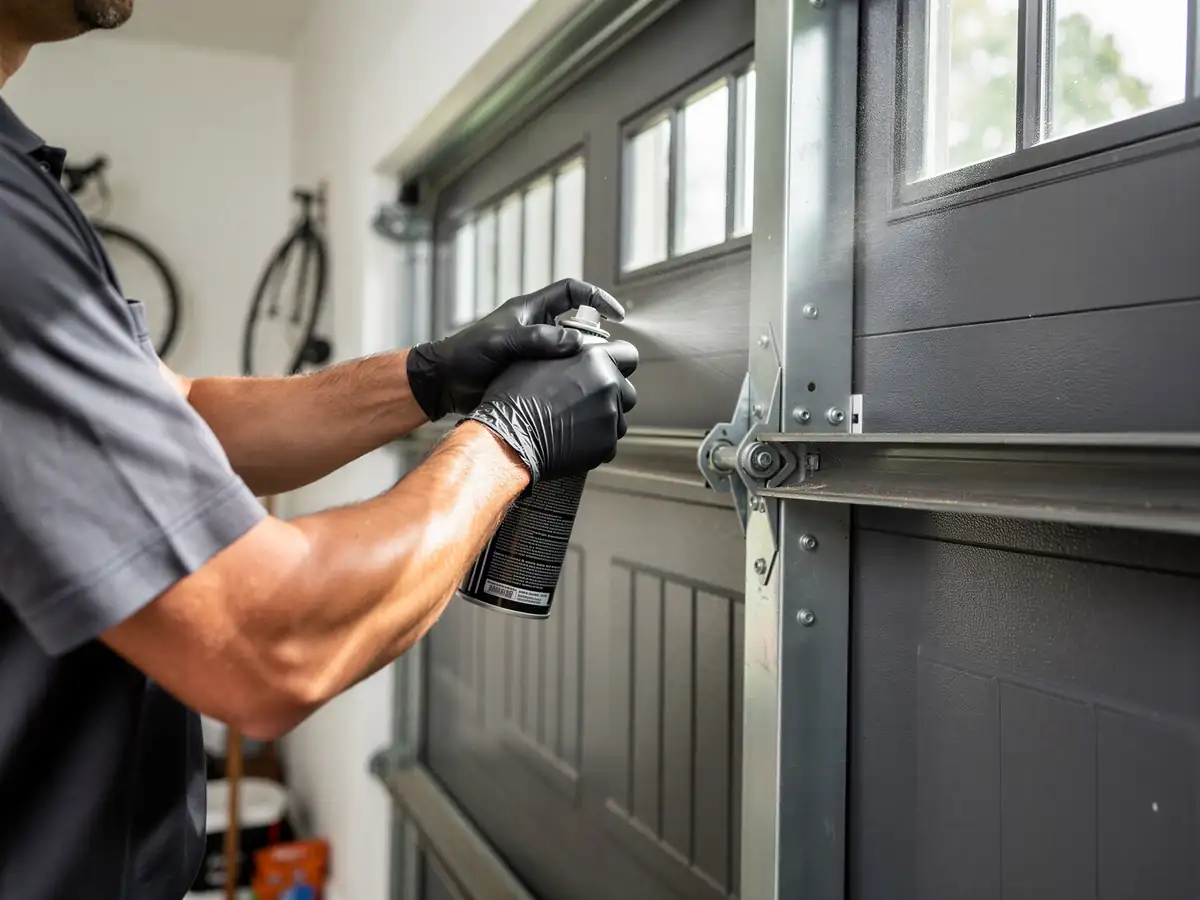
Plenty of maintenance is fine to do yourself. Wipe down and lube the rollers and hinges twice a year, check that the door reverses when it hits something on the way down, and look at the bottom seal for cracking - those are a few minutes with a rag and a can of garage-door lube, nothing more.
What you shouldn't touch is the torsion spring. On a door this old, the spring is often under more tension than it was rated for originally, because it's never been re-set, and a spring that lets go while you're adjusting it can break fingers or worse. We also wouldn't recommend DIY work on the cable at the drum if you can see any fraying - that's a sign the cable is near the end, not the start, of its life.
One honest limitation: if your opener is original to a 1969 build, parts for it may not exist anymore, and a repair visit sometimes turns into a replacement conversation instead. We'll tell you straight if that's where your door is headed rather than patch something that won't hold.